
Celebrating 30 Years: A Path That Began in the Amazon Continues to Expand
This year, the Amazon Conservation Team (ACT) is celebrating 30 years of biocultural conservation, an approach that recognizes the protection of local and Indigenous knowledge and culture go hand in hand with protecting the Earth’s most critical ecosystems. And the conservation solutions led by these communities are as diverse as the cultures and geographic regions you’ll find along the course of the Amazon River.
Our own river’s path started in 1996 with projects with Indigenous healers in Colombia and Suriname and has grown to partnering with more than 400 Indigenous and local communities from the Xingu River basin in the Brazilian Amazon to the coasts of Mexico and beyond. Below, you’ll find some of the highlights of what we have been able to achieve alongside Indigenous and local communities over the last three decades in support of our mission.
Protecting Territory and Biodiversity
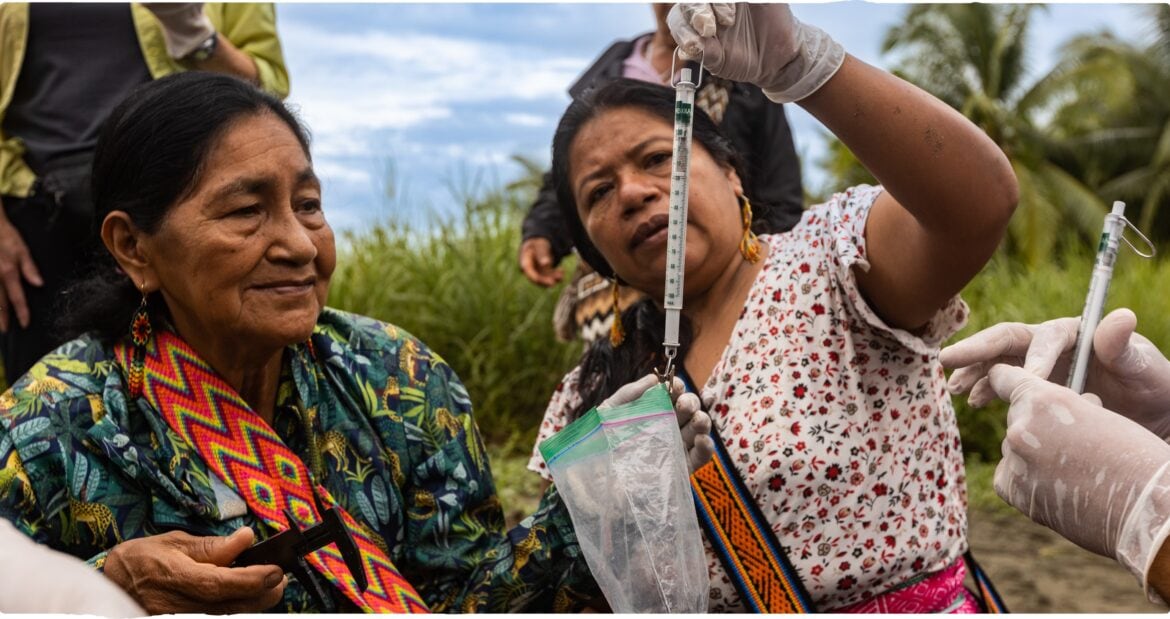
We’ve put more than 12.7 million acres of rainforest and coastline under improved sustainable management.
Zoned 7.3 million acres to protect Indigenous peoples in isolation and the richly biodiverse forests where they live.
And established 13 active ranger stations and environmental monitoring posts across Amazonia. 171 environmental monitors from indigenous and local communities have been trained to protect the forest.
Additionally, we’ve successfully hatched and released more than 200,000 baby sea turtles through our Ancestral Tides program, which works with local communities to protect coastal ecosystems.
Strengthening Governance and Culture
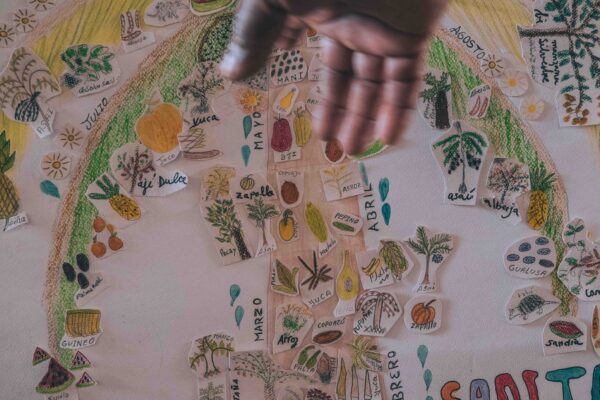
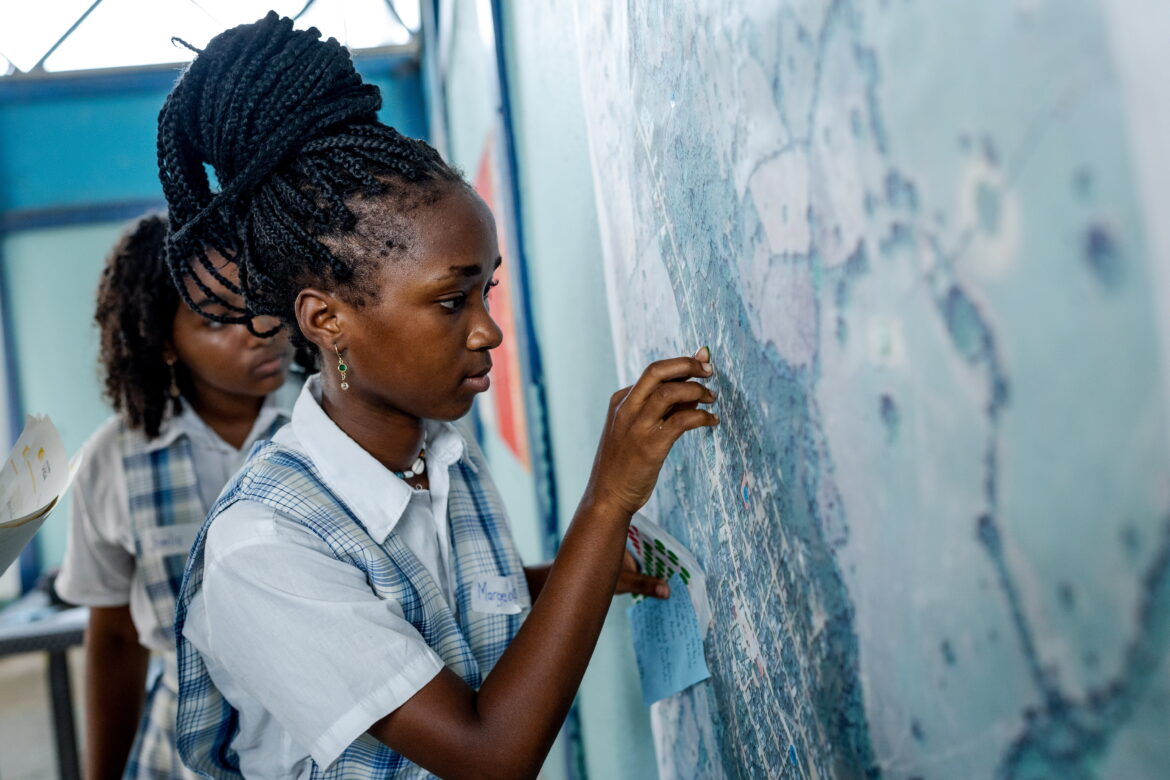
We’ve worked with local communities to map 101 million acres of forest, including sacred sites and ancestral territories, to document cultural knowledge and help communities receive formal legal protections.
This includes the establishment of 39 newly constituted Indigenous reserves.
Supporting Livelihoods and Community Well-Being
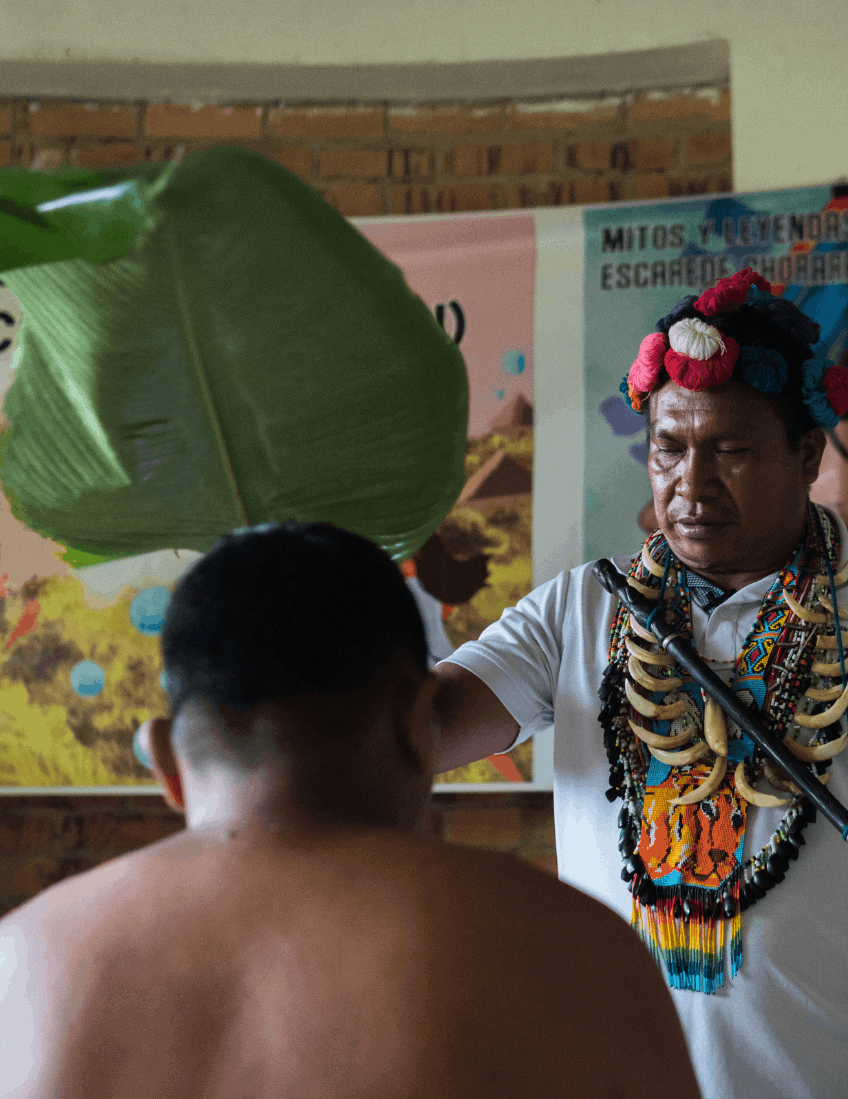
We’ve developed 53 intercultural health models with Indigenous communities.
Built or upgraded 21 health posts across Amazonia that combine western and traditional medicine.
And installed 1,000 native stingless bee hives to contribute to both ecosystem restoration and sustainable livelihoods.
To learn more about our journey, explore our 30th Anniversary StoryMap, which marks important milestones in our history and offers hope that the rainforests, coastlines, and riverbanks will continue to be protected alongside local communities for generations to come.