
Amazon Pollinators
Stingless bees sustain rainforest biodiversity.

Forest Regeneration
Pollination strengthens native plants and ecosystems.

Indigenous Livelihoods
Meliponiculture supports culture, income, and stewardship.
Stingless Bees and Sustainable Livelihoods Program
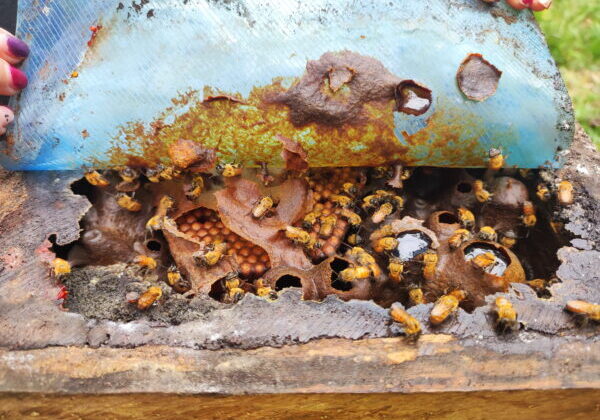
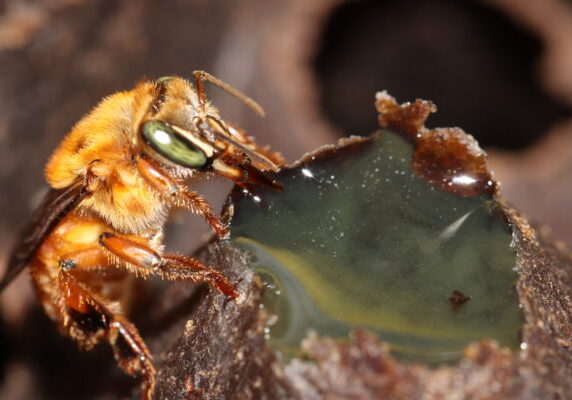
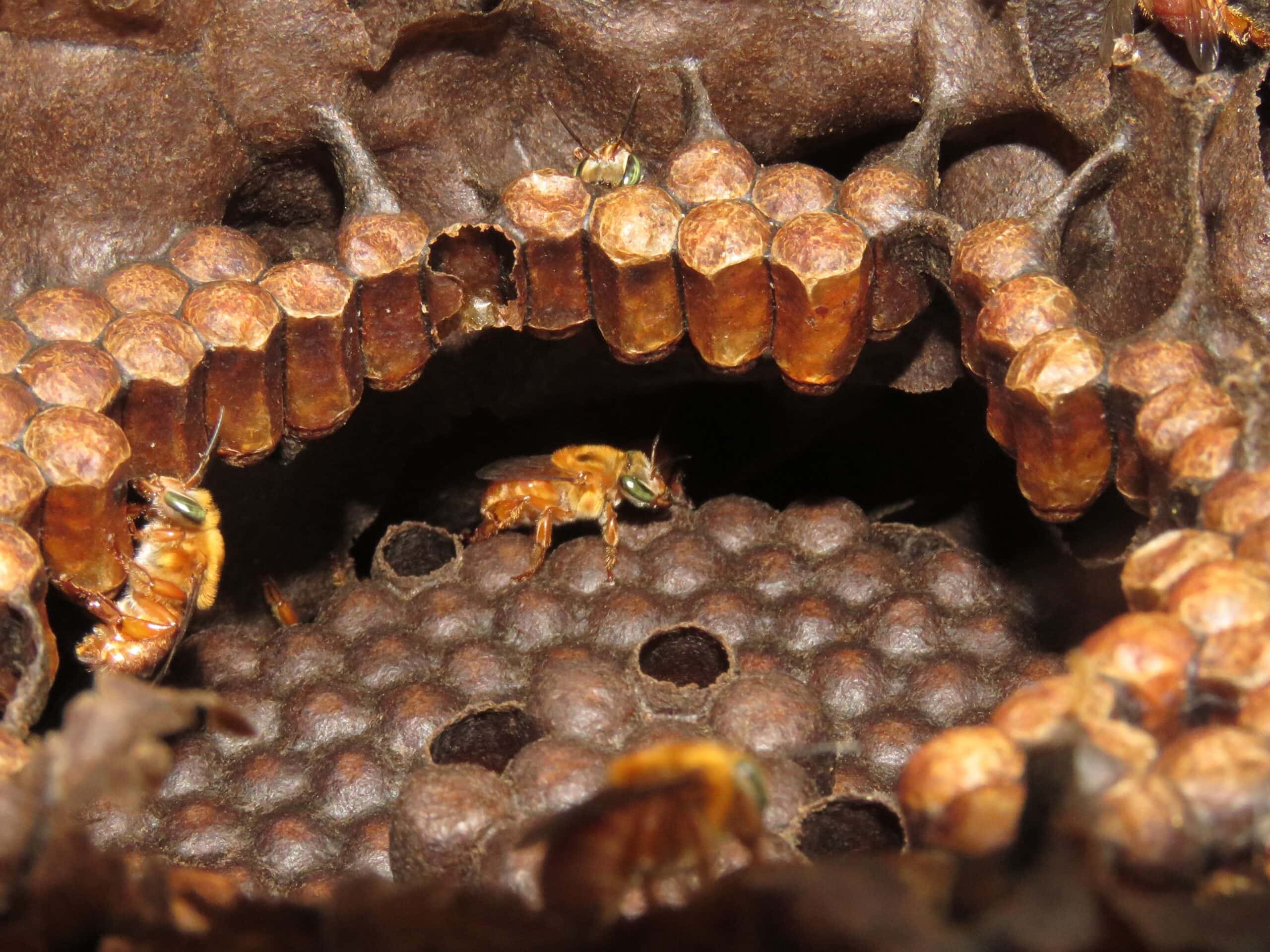
Not all bees sting. In the Amazon, stingless bees are gentle pollinators with an outsized impact: they sustain the forest, provide food and medicine, and hold special significance for Indigenous communities. At the Amazon Conservation Team, we work with these native bees because they are safer to handle, vital to rainforest health, and closely tied to traditional knowledge.
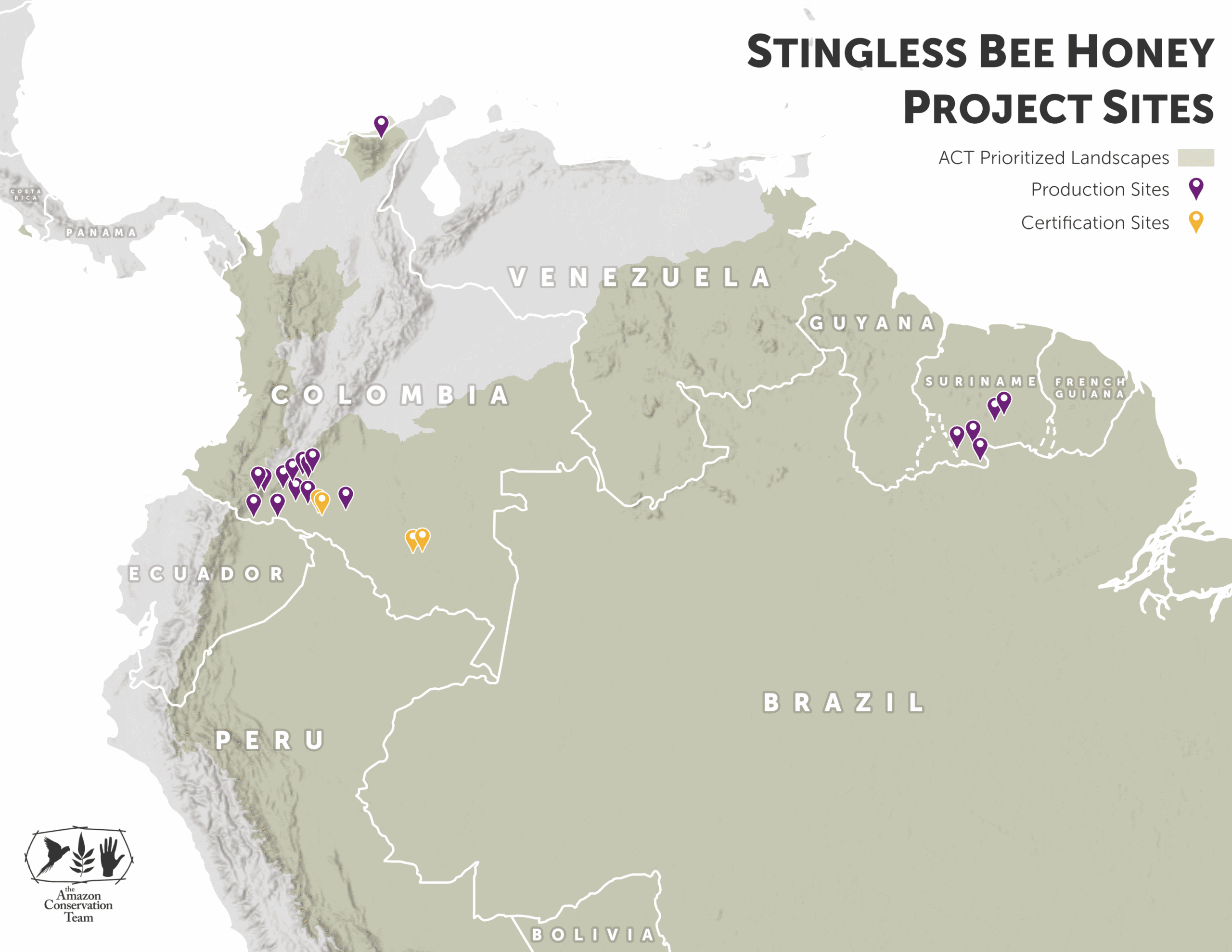
Since 2015, ACT has partnered with communities in Suriname, Colombia, and Brazil to strengthen meliponiculture—the keeping of stingless bees. Together, we are protecting forests, safeguarding traditional knowledge, and promoting the use of honey and propolis (a medicinal plant resin) as sources of both food and natural remedies.

Bees for Biodiversity
Stingless bees are essential allies in maintaining the Amazon’s extraordinary biodiversity. By pollinating a wide variety of plants, they ensure the survival of countless species and the resilience of entire ecosystems. Globally, about 90% of wild plant species depend on pollinators like stingless bees for reproduction.
As the Amazon faces mounting threats from deforestation, mining, and monoculture, stingless bees also play a crucial role in restoring degraded ecosystems. Their pollination helps native plants recover and thrive, supporting food webs, enriching soils, and strengthening the forest’s natural defenses.
By protecting stingless bees and supporting their keepers, ACT and its partner communities are helping sustain not only livelihoods, but also the ecological balance of the rainforest itself.
Bees for Better Livelihoods
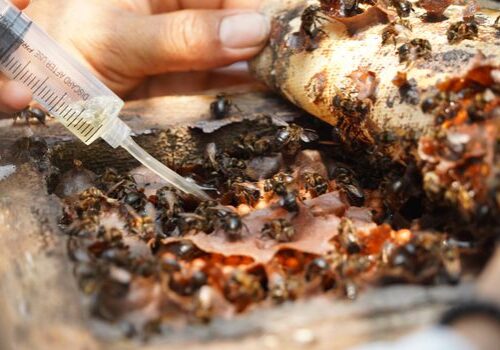
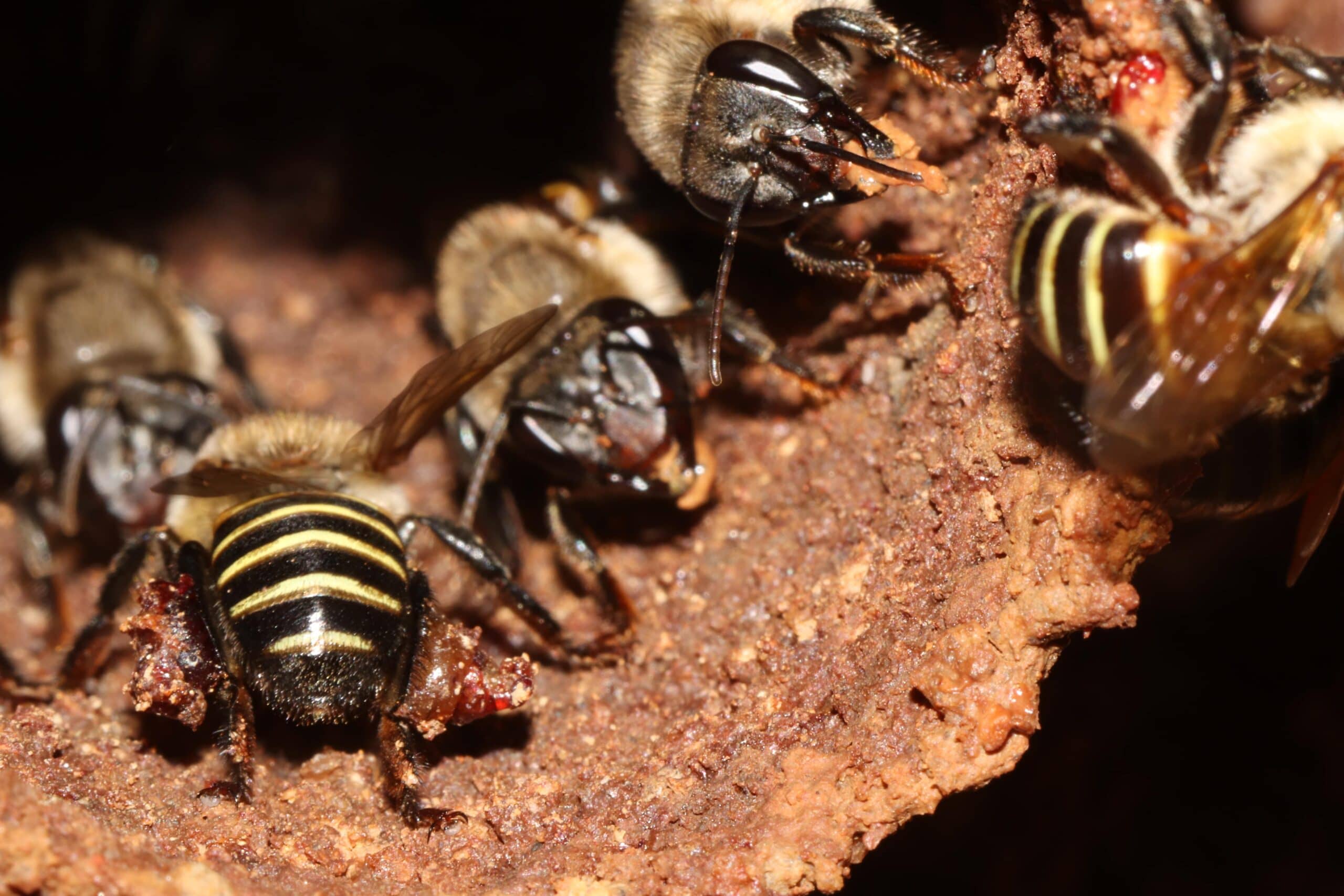
For millions of years, stingless bees of the Amazon have gathered resins from forest plants to create propolis—a natural medicine that protects their hives. Today, the Amazon Conservation Team (ACT) is working with Indigenous and local communities to revive and expand this ancient knowledge through stingless beekeeping (meliponiculture).
In Colombia’s Caquetá region, one of the country’s most deforested areas, ACT supports 60 families who integrate stingless beekeeping into their agroforestry plots. The bees boost the productivity of native plants and food crops, while honey sales provide a sustainable alternative to deforestation-driven economies such as cattle ranching and coca cultivation.
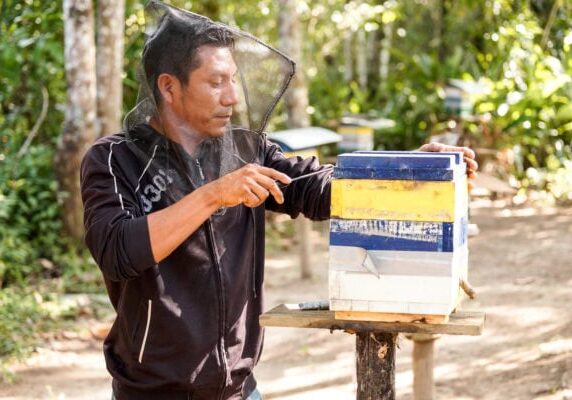
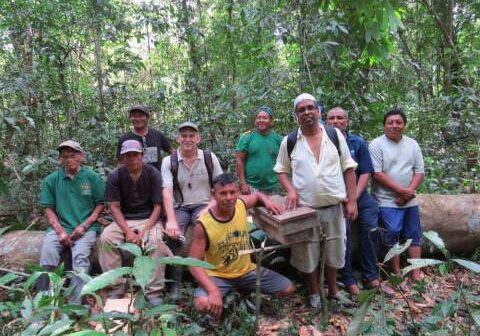
In Suriname, ACT partners with villages like Kwamalasamutu, where beekeeping projects are creating economic opportunities that reduce dependence on destructive gold mining. Local leaders, such as “bee technician” Ruben Sinkara, are spearheading apiaries and passing knowledge to younger generations, ensuring both cultural continuity and ecological stewardship.
In Brazil, ACT supports communities in harvesting honey and propolis sustainably, combining traditional ecological wisdom with modern science. These projects highlight the shared resilience of bees and people, both of whom rely on the medicinal power of the forest.

Community-Led Beekeeping: Accomplishments By the Numbers
Across the Amazon, Indigenous and local communities are strengthening food security, generating sustainable income, and protecting forests through community-led beekeeping initiatives.
Colombia
Beehives managed across 13 municipalities
Beekeepers leading community-based honey production
Suriname
Beehives managed across 5 villages
Beekeepers leading community-based honey production
Testimonial
"My name is Airjian Shodi, a bee technician from Kwamalasamutu, South Suriname. I joined the Stingless Bee Project in 2017 to learn how to produce honey in a more sustainable way, specifically by using hive boxes.
I started with just one box, and now I have nearly 60. I sell honey to local shops and use it as traditional medicine for myself and my family.
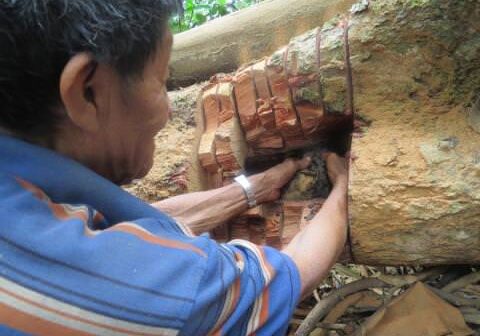
In the past, we used to harvest honey from standing or fallen trees, which sometimes meant cutting trees down. Now, we carefully transfer bee hives into boxes, doing our best to avoid felling trees. This method not only helps us protect our forest but also ensures that our bees, and the knowledge surrounding them, continue to thrive for future generations."
Airjian Shodi, Kwamalasamutu, South Suriname
Did You Know?
A bee nest has an entrance that lets all the bees inside go out to collect food. Interestingly, each bee species builds a different type of entrance!
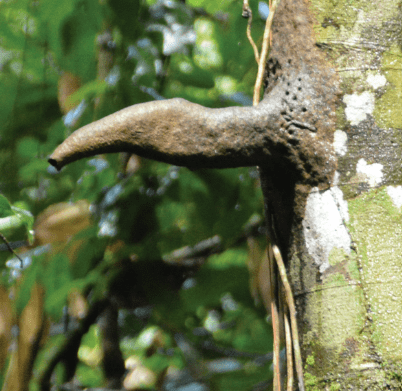
Kïjapokowanë entrance
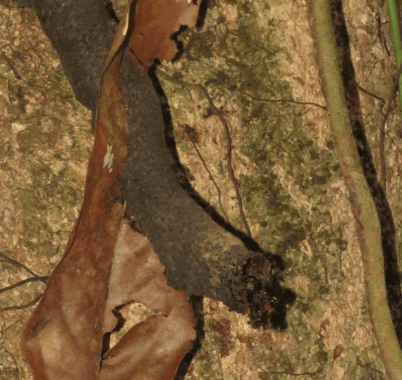
Ururiwanë entrance
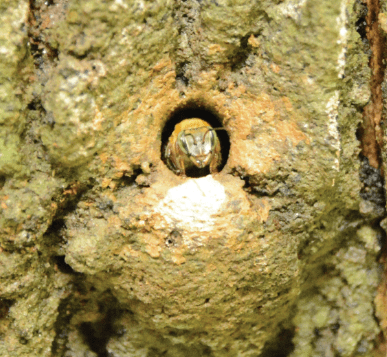
Arawatawanë entrance
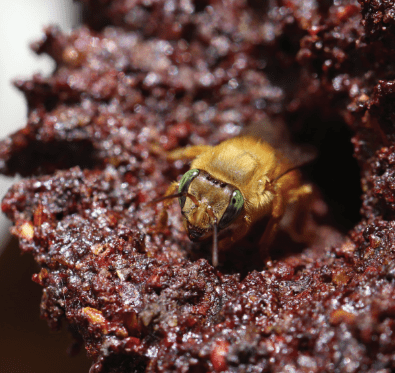
Sukuruman entrance
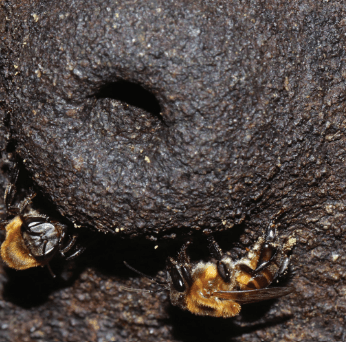
Tempatapume entrance
A Village of Female Bees!
A stingless bee nest is like a village, but almost everyone inside is female! The queen is the only one who lays eggs, and all the worker bees that keep the hive clean, gather food, and care for the young are her daughters. Male bees leave the nest early because they don’t help with the work. Depending on the species, a hive can produce 50–200 new female bees every day!
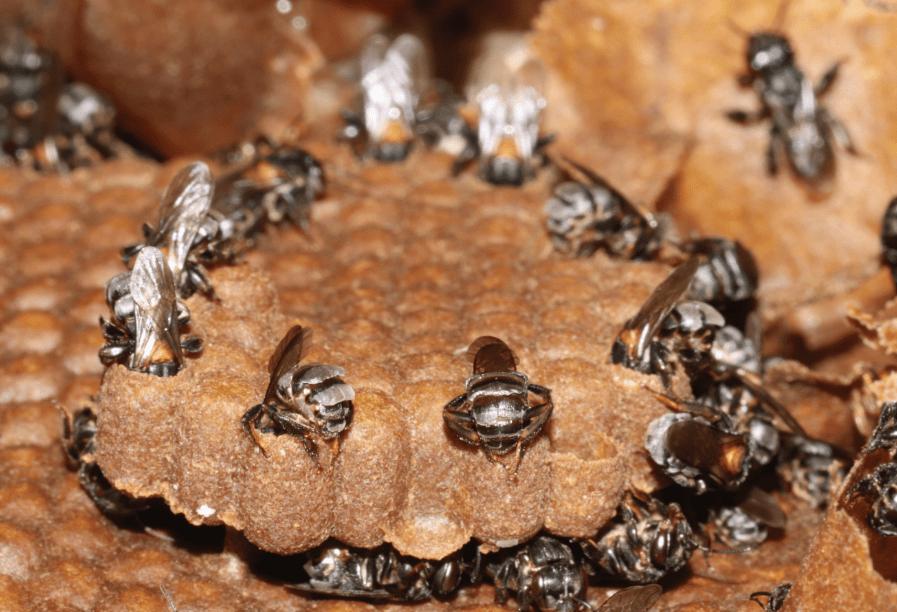
See How the Stingless Bees Make Amazonian Honey
Stories From the Field
Across the Amazon, communities are producing Amazonian honey through traditional stingless beekeeping, protecting biodiversity while strengthening sustainable livelihoods.
Explore stories and updates on meliponiculture, rainforest pollinators, and Indigenous-led conservation.