
How Indigenous Communities Are Shaping the Future of Coastal Conservation
Insights from Juan Carlos Cruz, Manager, Science & Conservation, ACT Ancestral Tides Program
For nearly 30 years, the Amazon Conservation Team (ACT) has partnered with Indigenous peoples to protect tropical forests and strengthen biocultural conservation across the Amazon. Today, that same collaborative approach extends beyond the rainforest and into some of Latin America’s most important coastal ecosystems.
Through Ancestral Tides, ACT works alongside Indigenous peoples and local communities from Mexico to Suriname to protect sea turtles, conserve coastal habitats, and strengthen the cultural knowledge that has connected people to the ocean for generations.
Recently, Juan Carlos Cruz, Manager of Science & Conservation for Ancestral Tides, shared how Indigenous leadership, scientific research, and community partnerships are helping shape a new model for marine conservation.
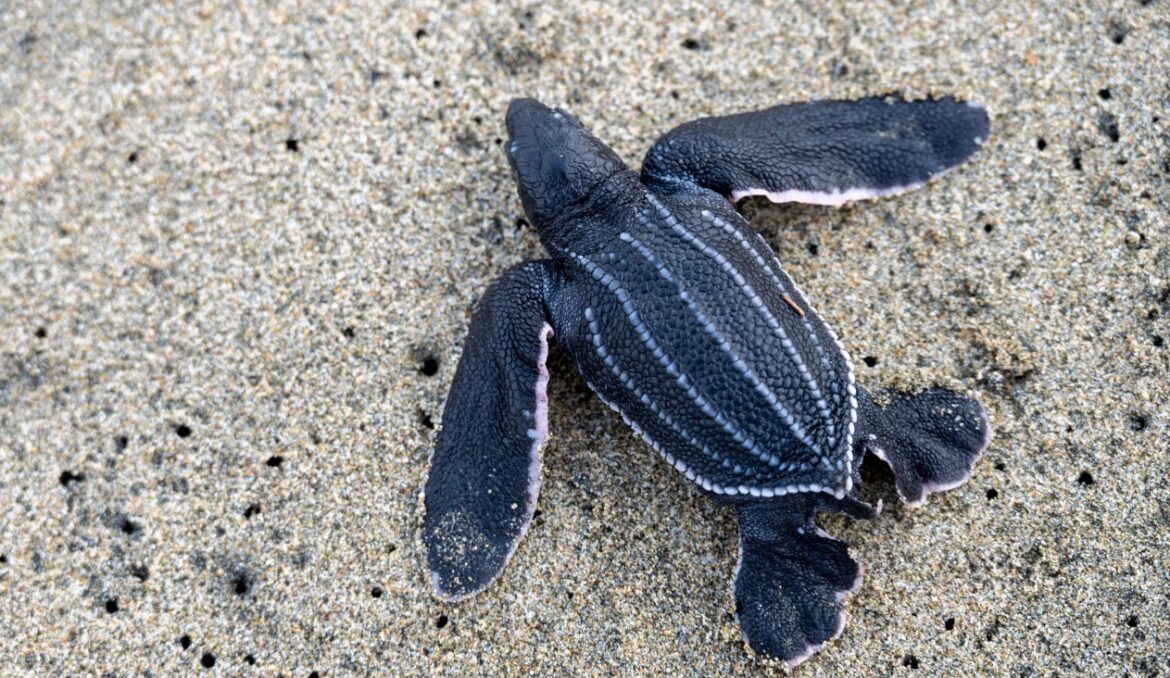
Conservation Doesn’t Stop at the Forest
Protecting nature requires recognizing the connections between ecosystems.
As Juan Carlos explained, healthy forests, rivers, and oceans are deeply interconnected, and so are the communities that depend on them.
“The effects of the Amazon extend far beyond the boundaries of the rainforest.”
Healthy oceans regulate climate, absorb carbon, produce much of the oxygen we breathe, and sustain millions of livelihoods worldwide. Yet conservation efforts have often treated marine and terrestrial ecosystems as separate worlds.
For Indigenous peoples, that distinction rarely exists. Ecological and cultural connections extend from forests to rivers, rivers to the sea, and back again.
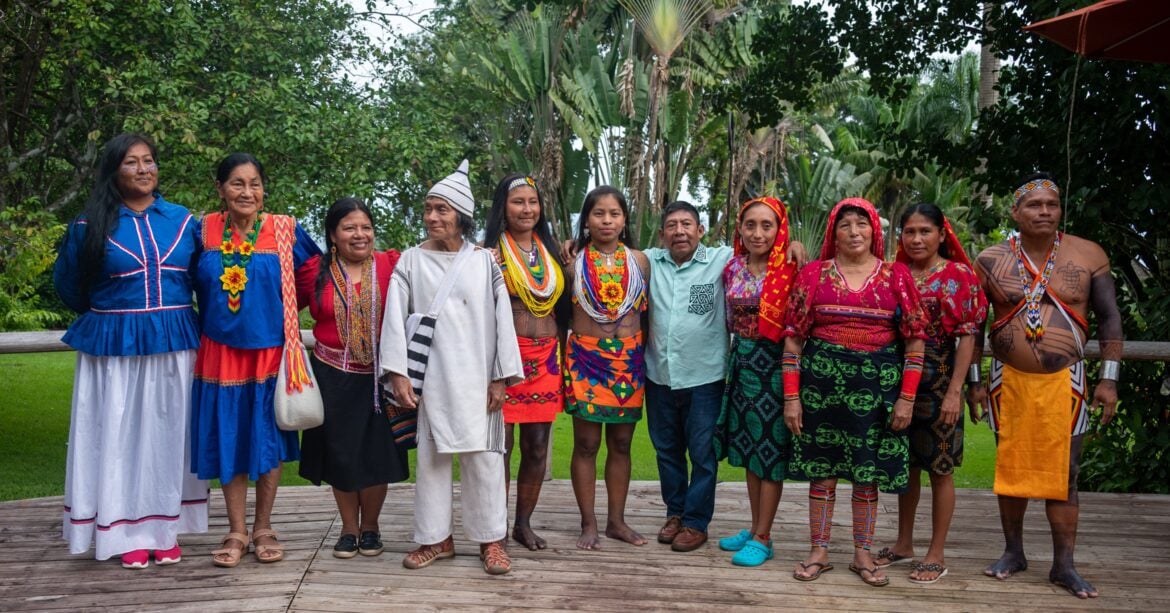
A Different Way of Conserving Nature
One of the core principles of Ancestral Tides is that conservation begins with people.
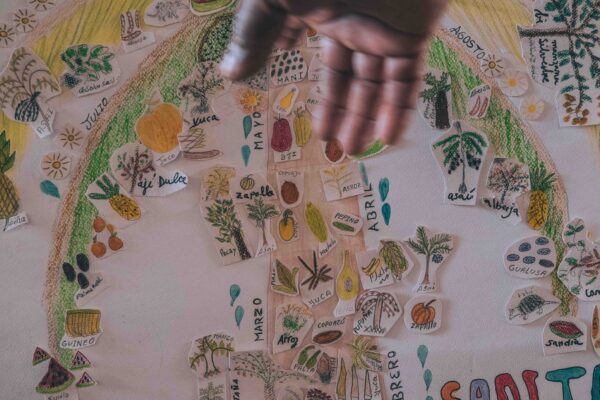
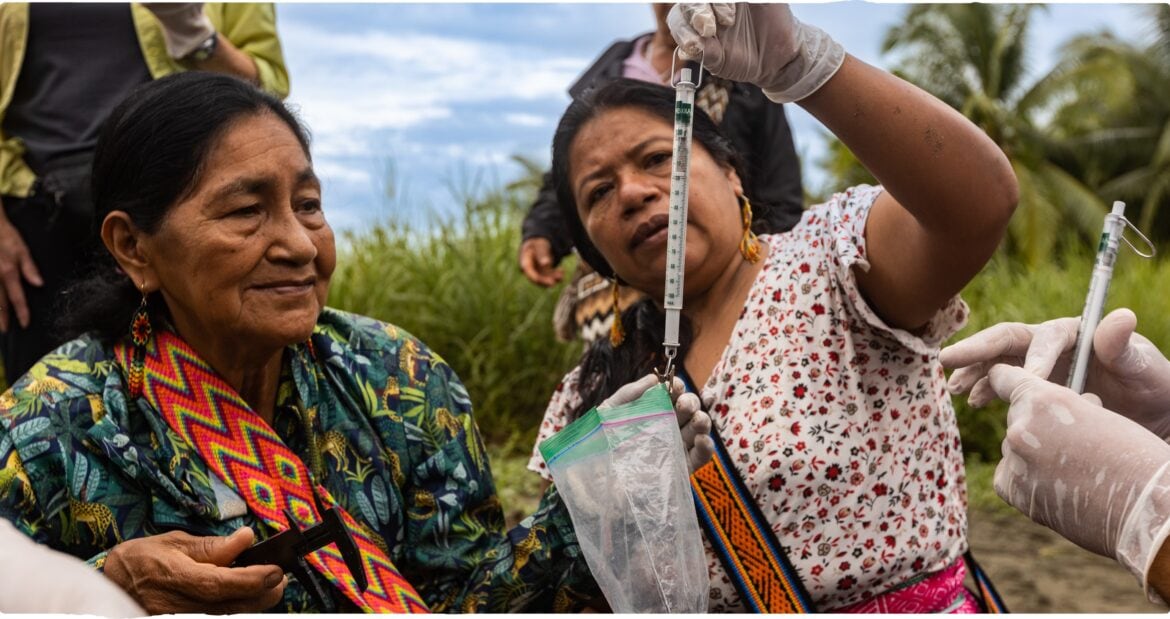
Rather than bringing solutions into communities, the program builds upon generations of Indigenous ecological knowledge while integrating scientific tools such as biological monitoring, satellite tracking, and digital data collection.
“It is not that one knowledge system is more important than the other. Both have their own characteristics and strengths, but together they create much stronger conservation.”
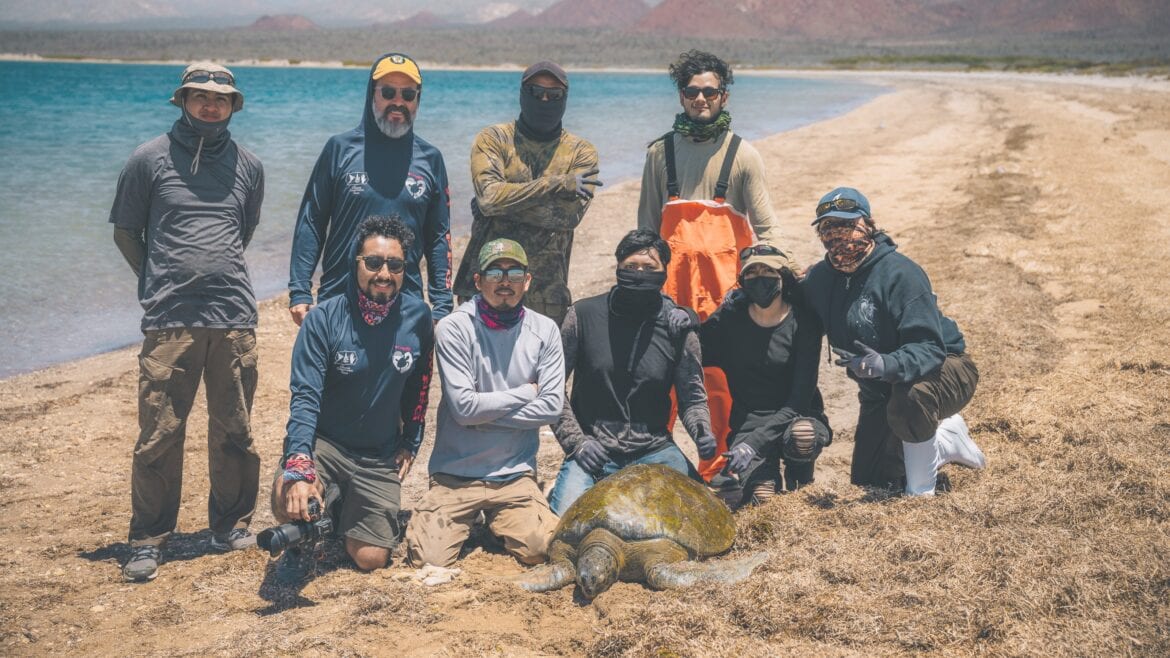
Today, community members across Mexico, Costa Rica, Panama, Colombia, and Suriname monitor nesting beaches, collect scientific data, protect coastal habitats, and help guide conservation decisions throughout the region.
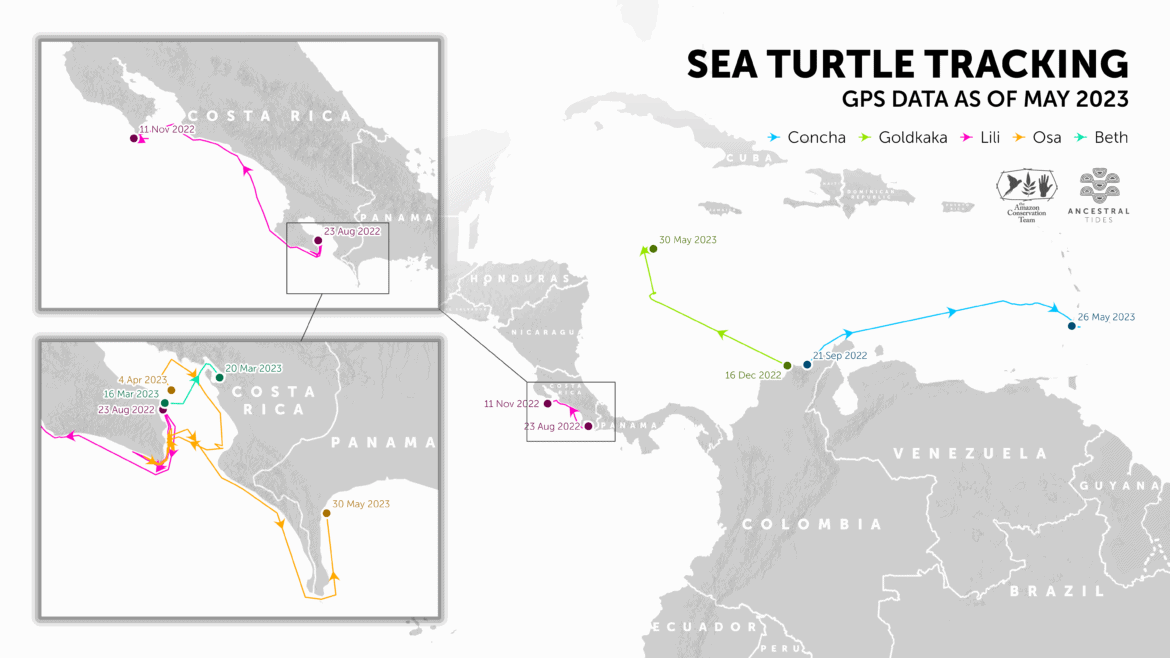
Sea Turtles Connect Countries
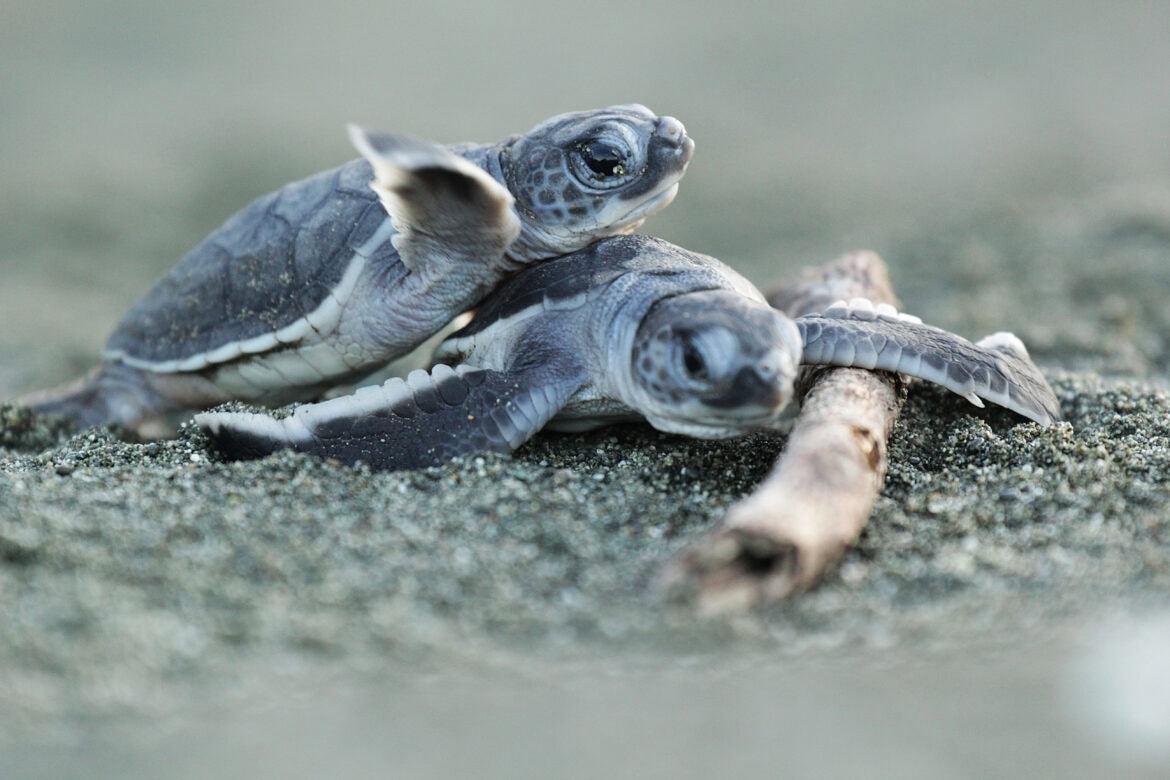
Sea turtles are one of the program’s flagship species, not only because they are threatened, but also because they connect ecosystems across thousands of miles.
Satellite transmitters attached to individual turtles have revealed migration routes stretching across national borders, helping scientists and communities better understand where conservation efforts are needed.
As Juan Carlos explained: “The turtles tell us where we need to work.”
Protecting nesting beaches is only one piece of the puzzle. Understanding where turtles feed, migrate, and reproduce allows communities and governments to collaborate across entire coastlines.
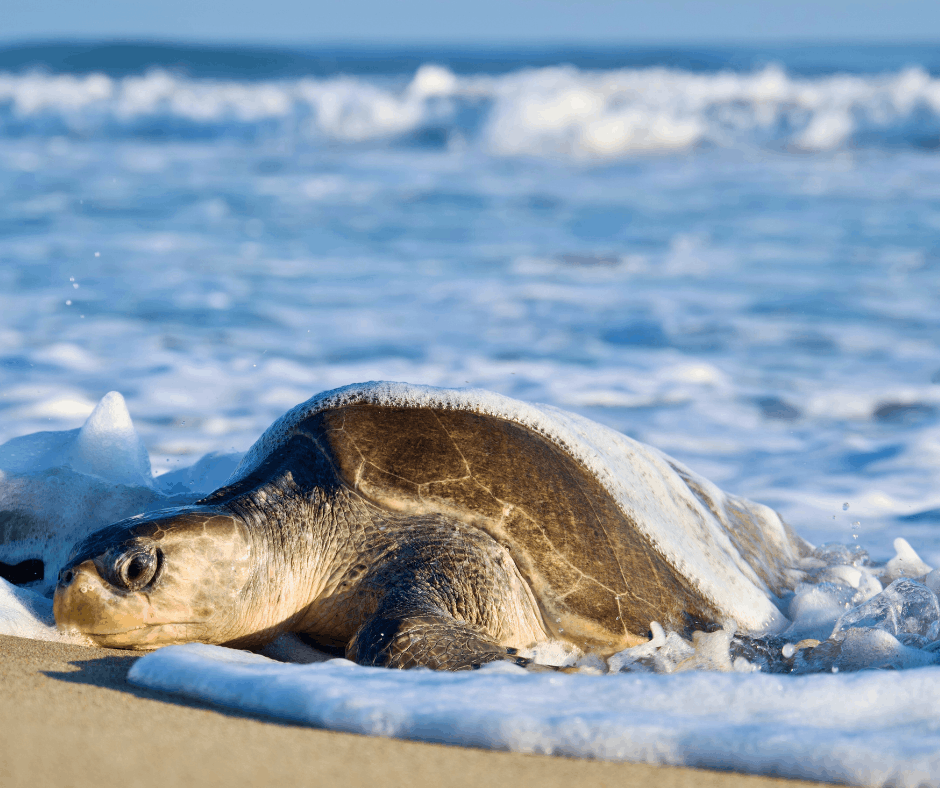
Where Traditional Knowledge and Science Meet
For Ancestral Tides, conservation does not entail choosing between Indigenous knowledge and Western science. It requires recognizing the value of both.
Communities that have lived along these coasts for generations possess deep ecological knowledge of local species, seasons, and habitats. Scientific monitoring helps document that knowledge and expand its application across the region.
This collaboration allows communities to continue stewarding their territories while contributing valuable information that supports conservation across Latin America. Rather than replacing traditional knowledge, science helps strengthen and amplify it.
Ancient Knowledge, Modern Conservation
A story that Juan Carlos shared illustrates this relationship.
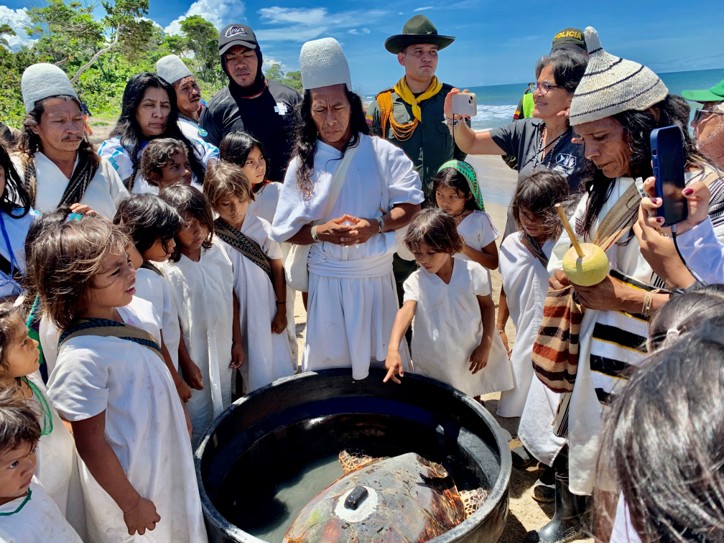
During conversations with Indigenous spiritual leaders in Colombia’s Sierra Nevada, he learned that sea turtles are regarded in their cultures as guardians of the ocean, protecting people from bad things, even from the ocean.
At first, he understood this as a spiritual teaching.
Later, he learned that scientific research shows that sea turtles maintain healthy seagrass beds, support coral reefs, and contribute to marine food webs that sustain countless species, including people.
Reflecting on that experience, Juan Carlos said:
“When I connected science with what they had shared, everything made sense. My mind exploded; it was incredibly profound.”
For him, it was a powerful reminder that traditional knowledge often reflects ecological relationships that science is only beginning to understand.
Looking Ahead
As Ancestral Tides continues to grow, its mission remains clear: to protect biodiversity by strengthening the people who have cared for these ecosystems for generations.
Juan Carlos believes this is what makes the program unique.
“Many conservation initiatives focus on protecting species or ecosystems. But we cannot talk about conservation without including the people.”
Across the coasts of Latin America, Indigenous communities are demonstrating that in their environments, protecting wildlife, sustaining livelihoods, and preserving cultural traditions should not be approached separately, because these objectives depend on one another.
Learn More About Ancestral Tides
From sea turtle conservation in Costa Rica to Indigenous-led stewardship in Colombia, Panama, Mexico, and Suriname, Ancestral Tides is helping protect the connections between people, wildlife, and the coastal ecosystems they share. By bringing together ancestral knowledge and modern science, communities are building a future where both nature and culture can thrive.
Written by: Barbara Onkle