
An Amazonian Food Atlas Is Shared with the Communities That Nourished It
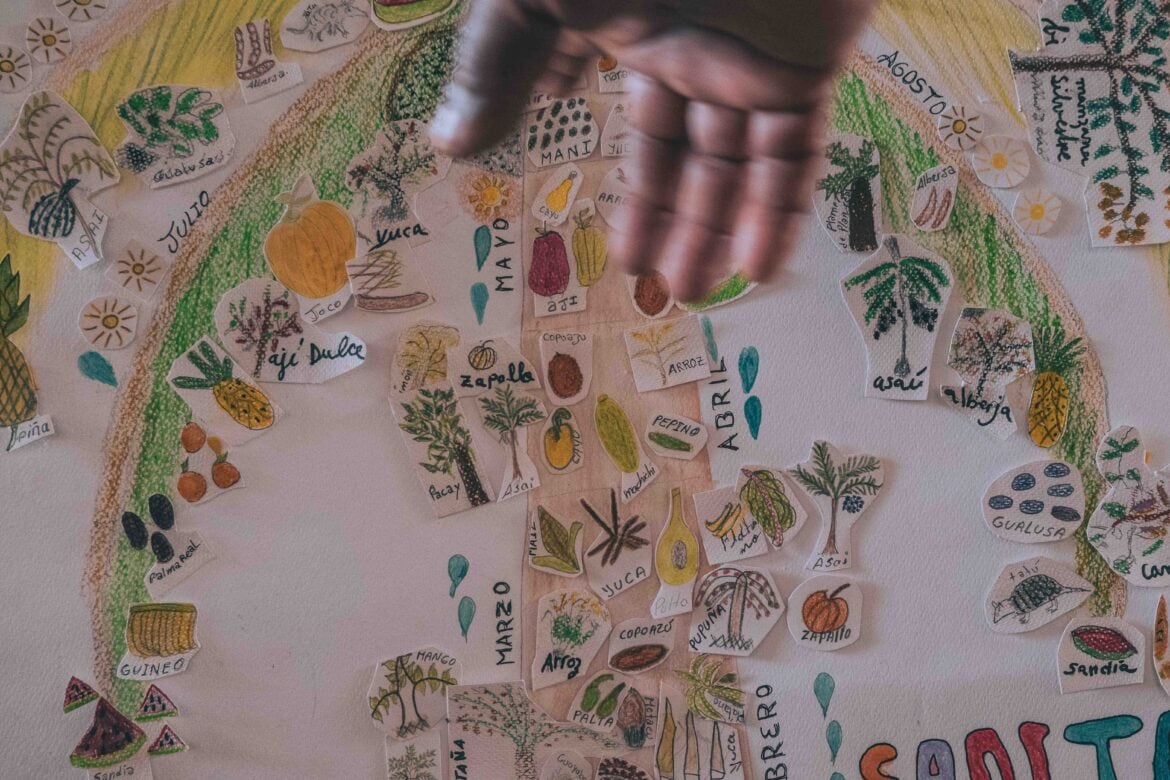
Over the last two years, fourteen communities across the Amazon have participated in a collaborative initiative to share the foods that have sustained life and cultures in their territories for generations. Their stories, knowledge, and traditional recipes were woven together into an atlas designed by the Amazon Conservation Team (ACT) as part of the World Bank’s Amazon Sustainable Landscapes program. This week, during a gathering at the Acapú Nature Reserve in Leticia, Colombia, the printed atlas — available in three languages — was presented to the communities who created it.
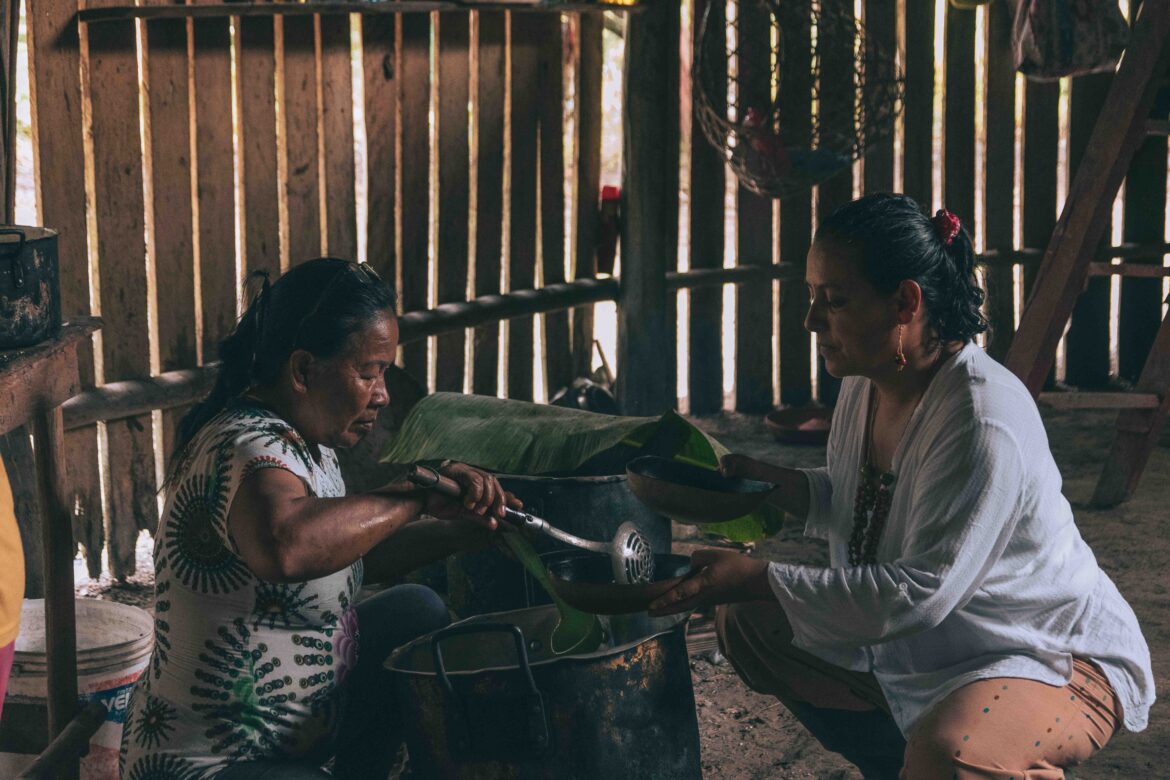
To bring the atlas together, ACT staff traveled by small planes, boat, and through forest paths to meet with communities in seven countries: Brazil, Colombia, Suriname, Guyana, Peru, Bolivia and Ecuador. Through participatory research, the atlas documents current and traditional food practices to bring visibility to the fundamental role communities play in conserving the Amazonian biome and its cultural diversity. At the gathering in Leticia, representatives from across the Amazon cooked together and shared their meals and memories around the table to celebrate the release of the atlas.
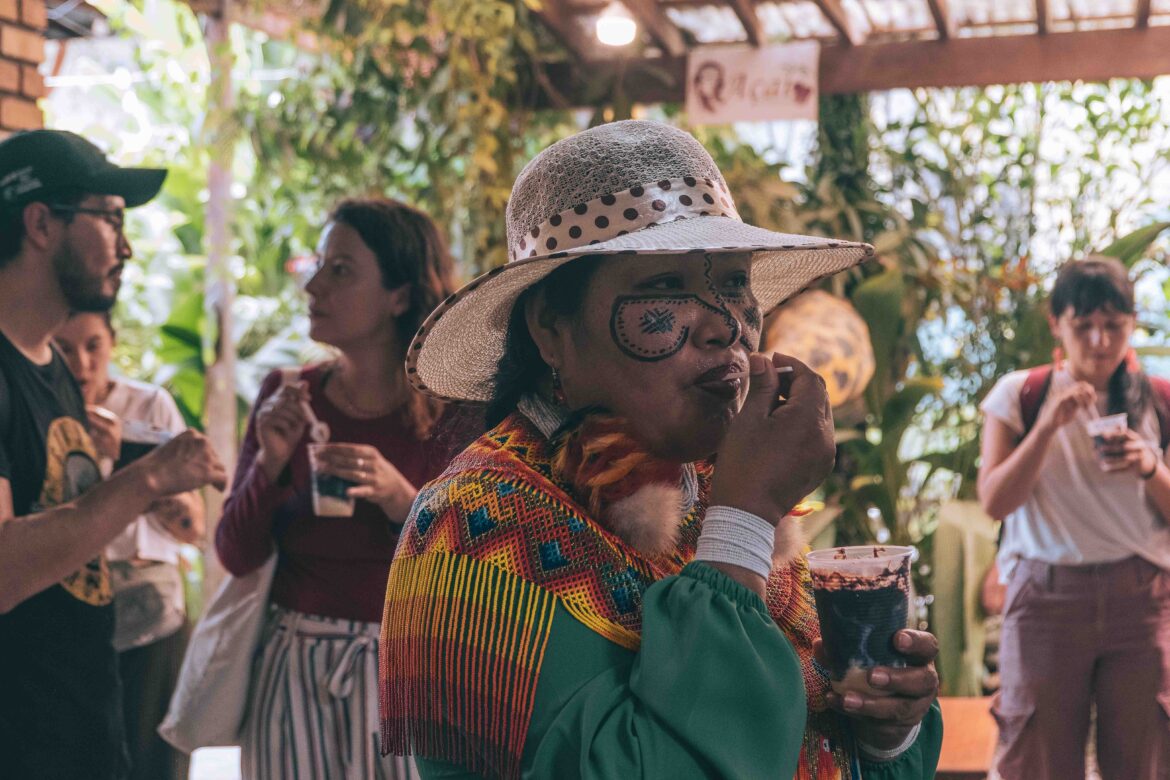
The two-year project also has an audiovisual component that includes interviews with the community, and documents the sights, sounds and food cultures of the rainforest. Short documentaries from each of the regions in the atlas are available online and are also featured in a podcast available in Spanish.
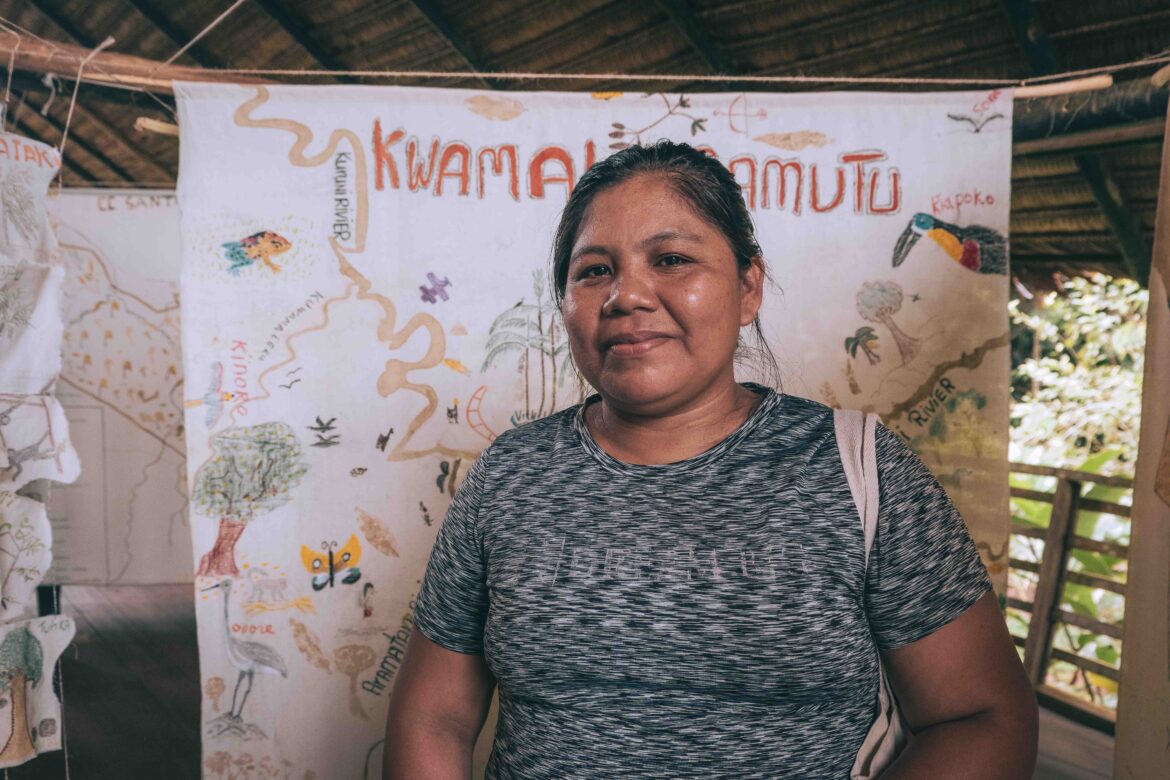
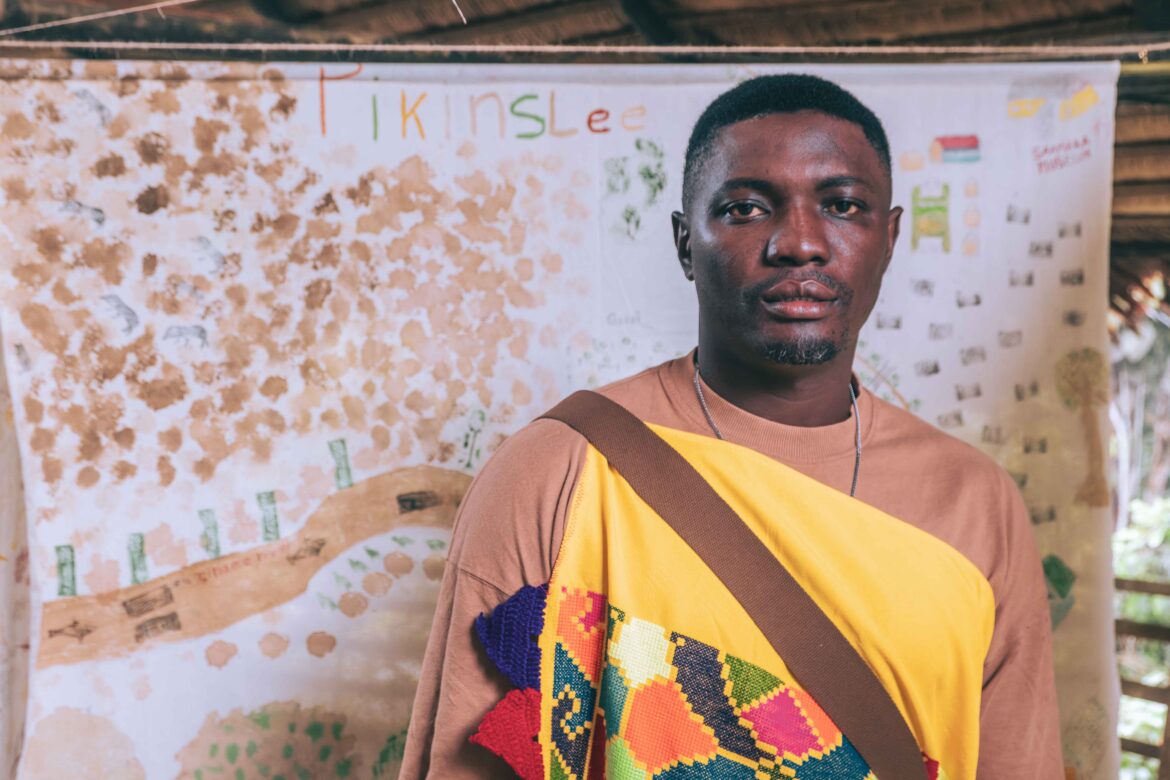
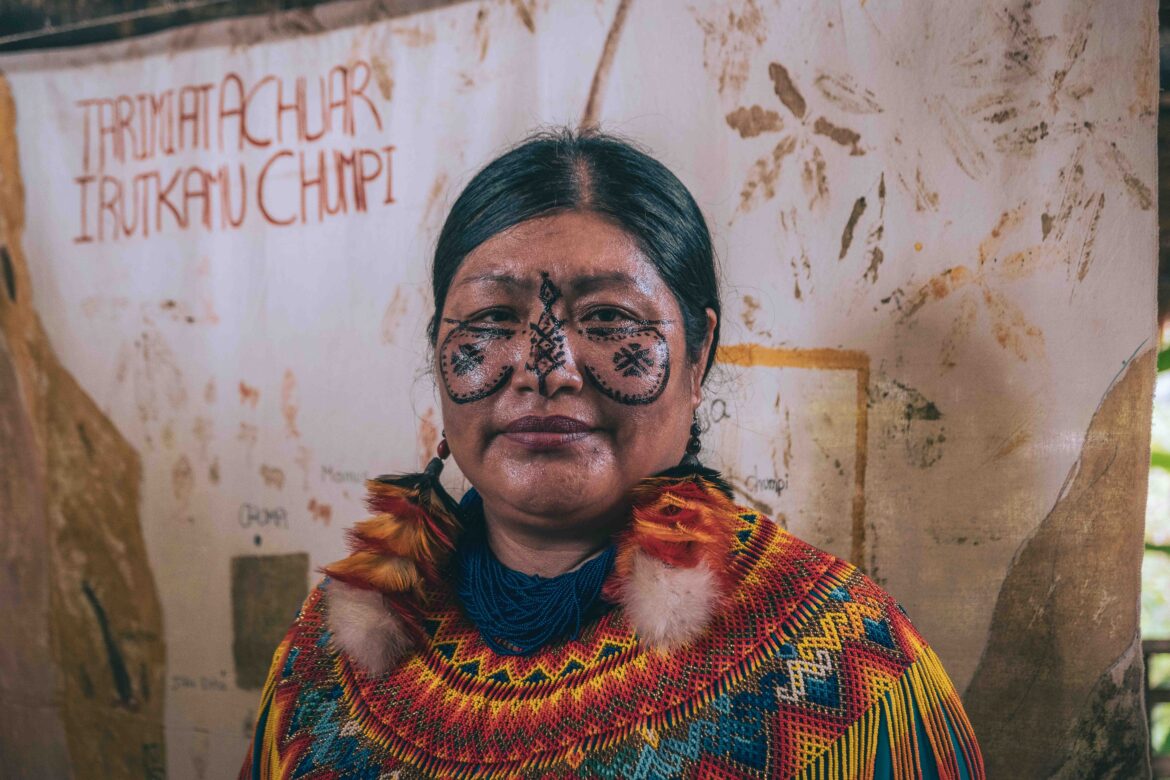
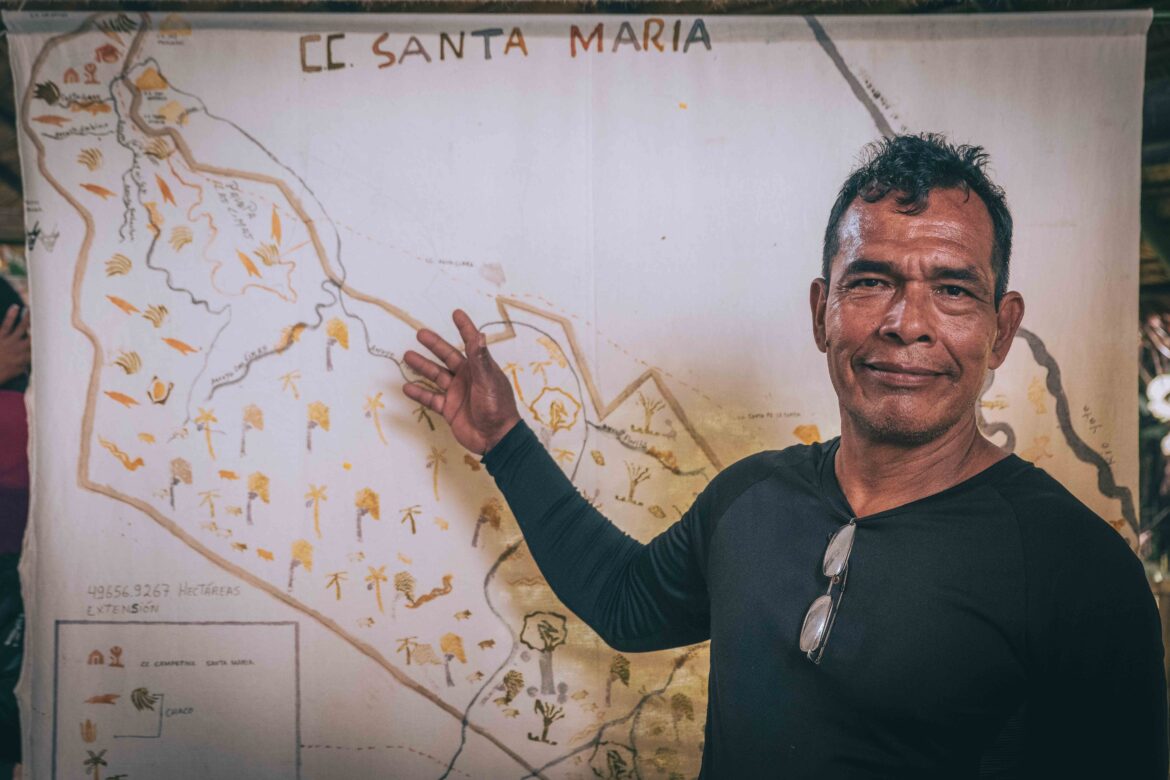
Pictured above are representatives from four of the featured communities sharing maps of their territory during the gathering in Leticia. Top row: Kwamalasamutu, Suriname; Pikin Slee, Suriname. Bottom row: Irutkamu Chumpi, Ecuador; Santa Maria, Bolivia.
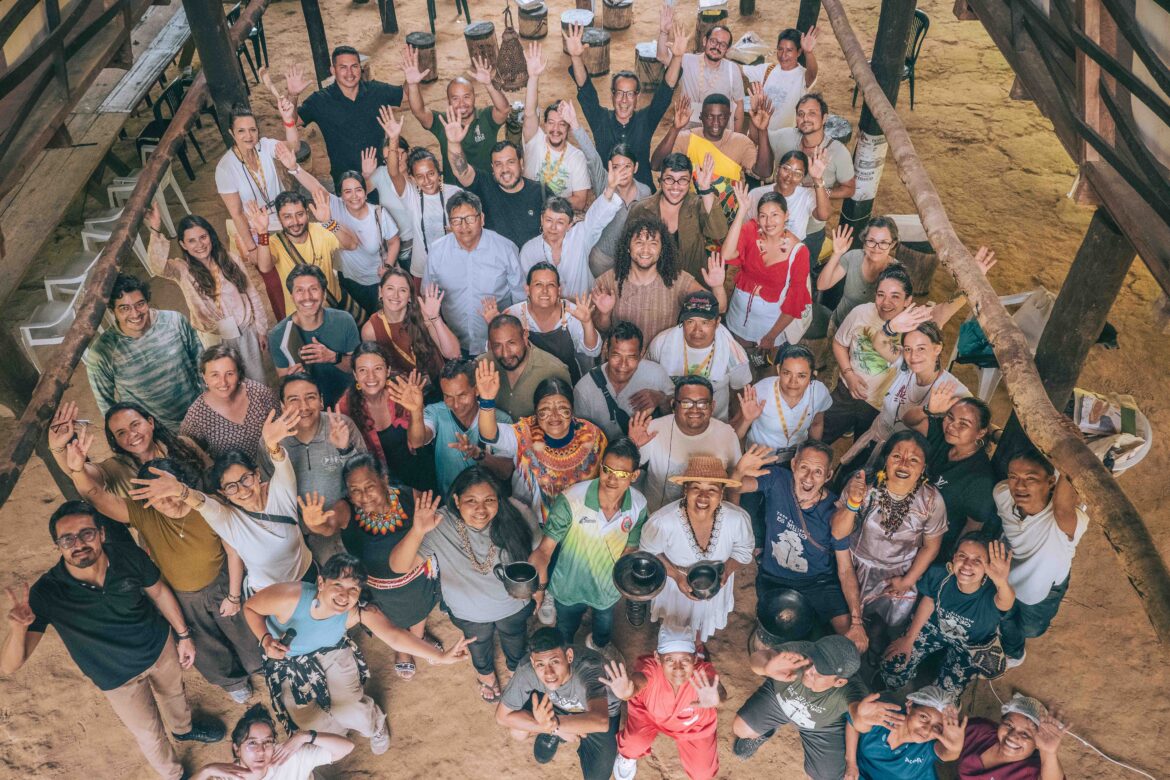
The atlas reflects ACT’s belief that community well-being and forest health are inseparable — recognizing that when communities sustain their own food systems, they also sustain the forests that depend on their stewardship. The atlas is one thread in that effort: preserving not just recipes, but the living relationship between people and territory.
Want to learn more about the Food Atlas? Contact info@amazonteam.org.