

Posts by Amazon Conservation Team
How protecting the Jaguar is essential to conserving the Amazon
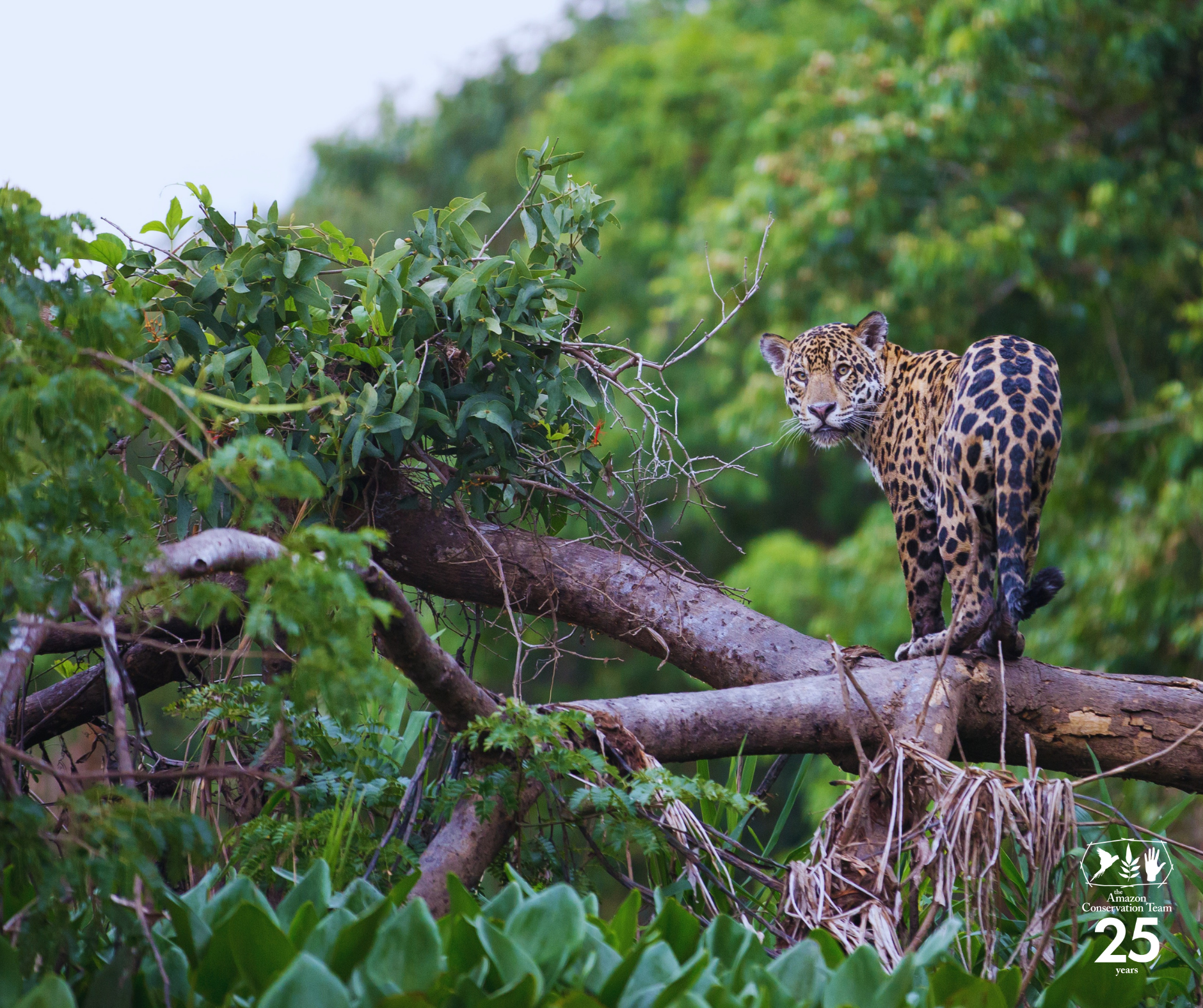
The Amazon Conservation Team (ACT) and Colombia’s Universidad de la Amazonía continue their project “Live and Coexist”, through which they seek to defend carnivorous animals in Caquetá.
Read MoreNueve organizaciones advierten sobre la grave crisis ambiental y de derechos humanos que vive la Amazonia colombiana
Boys and Girls, Biodiversity Seed Protectors of the Amazon in Caquetá, Colombia
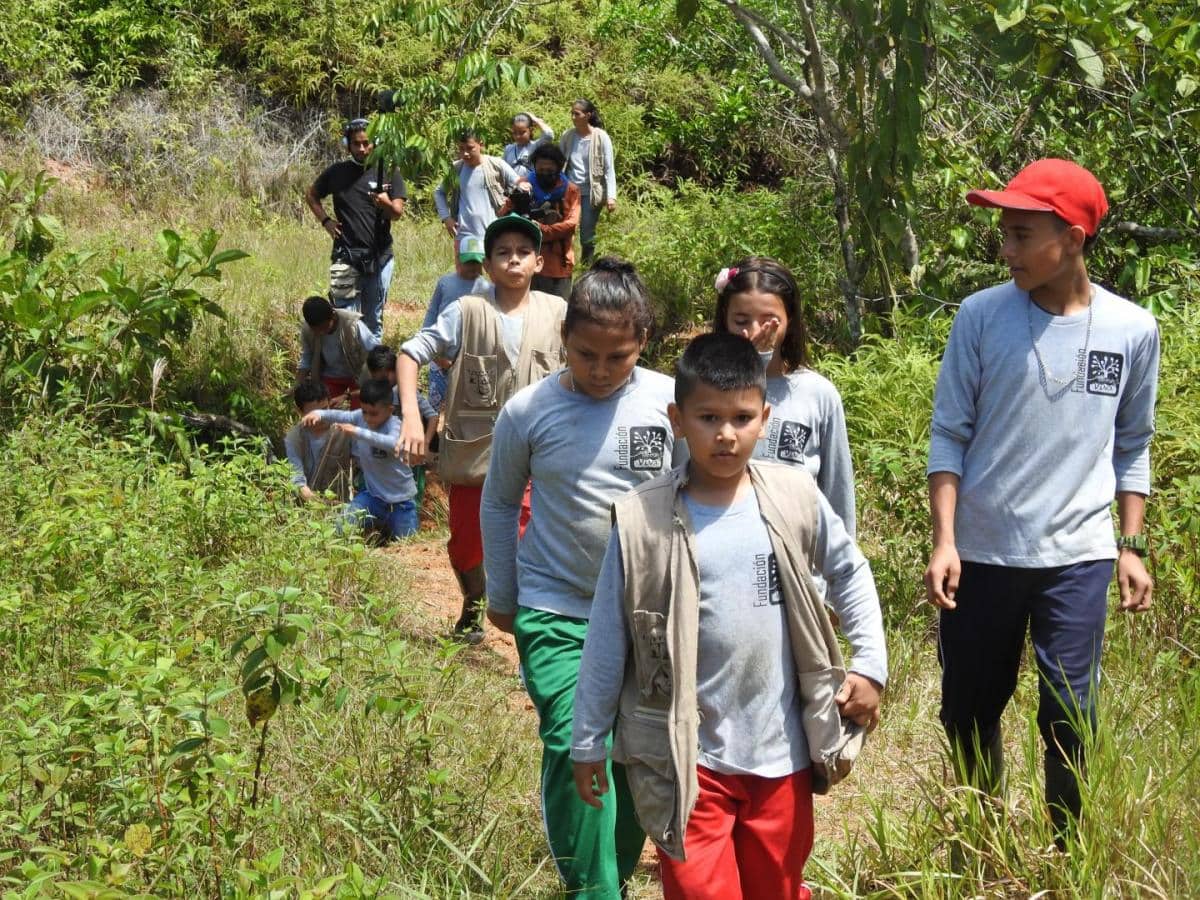
The Tierra Viva Foundation of Belén de los Andaquíes, with the support of the Amazon Conservation Team, formed a group of children and youth biodiversity monitors six years ago.
Read MoreCómo proteger al Jaguar es fundamental para cuidar la Amazonía
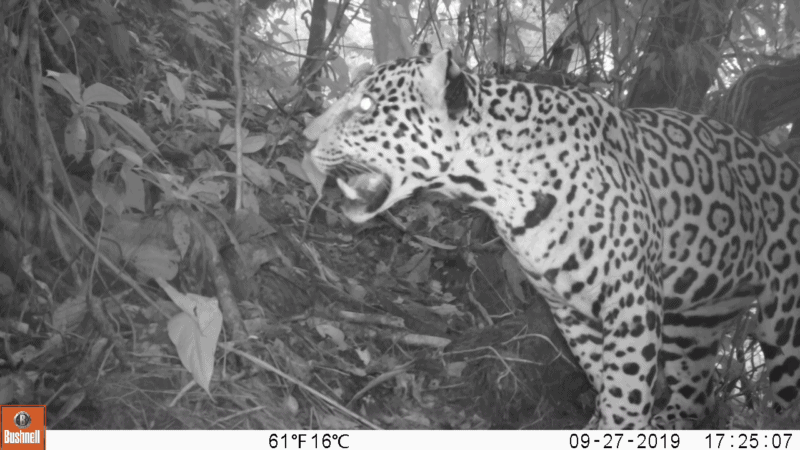
Amazon Conservation Team (ACT), junto con la Universidad del Amazonía, continúan en su proyecto “Vive y convive”, en el que buscan defender a los animales carnívoros en el departamento del Caquetá, en Colombia, que tiene la mayor tasa de deforestación del país. Esta iniciativa busca busca vincular a las comunidades campesinas de la zona en la defensa, no sólo del jaguar, sino de cientos de especies de fauna y flora que habitan este departamento, que es la puerta a la Amazonía colombiana.
Read MoreColombian National Land Agency and NGO enable titling of eleven indigenous territories
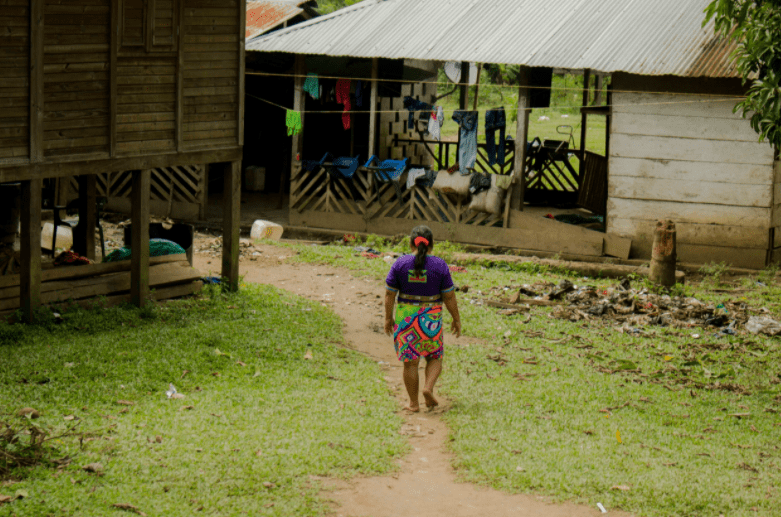
In a joint effort between the NGO the Amazon Conservation Team, the government of the department of Antioquia and the Colombian National Land Agency, 924 families from the Sinú, Emberá Chamí, Emberá Eyábida and Gunadule peoples established or expanded their reserves.
Read MoreTORTUGAS PRECIOSAS DE OSA
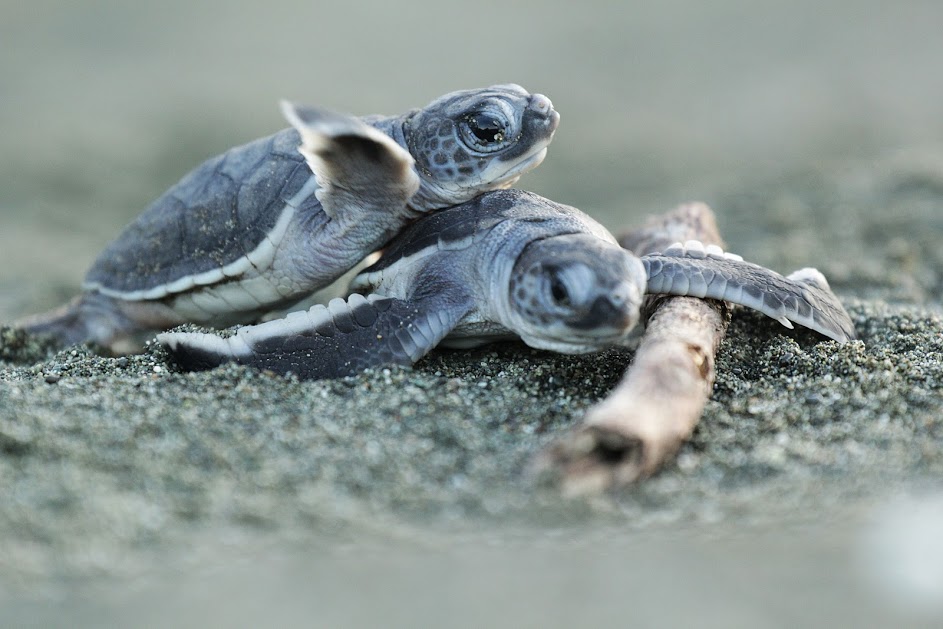
Tortugas Preciosas de Osa has released 32,219 baby turtles of three different species, reduced predation and nest theft by 60%, and established a baseline of the biology and ecology of these species in danger of extinction in one of the most biodiverse places in the world. As if that were not enough, during this time we have discovered that this location is one of the most important for hawksbill turtle nesting in the Pacific region of Central America.
Read MoreTortugas Preciosas de Osa: Saving the Sea Turtles of the Osa Peninsula
Tortugas Preciosas de Osa has released 32,219 baby turtles of three different species, reduced predation and nest theft by 60%, and established a baseline of the biology and ecology of these species in danger of extinction in one of the most biodiverse places in the world. As if that were not enough, during this time we have discovered that this location is one of the most important for hawksbill turtle nesting in the Pacific region of Central America.
Read MorePueblos Indígenas en Aislamiento o Estado Natural en Colombia: Una historia reciente de los retos para su protección
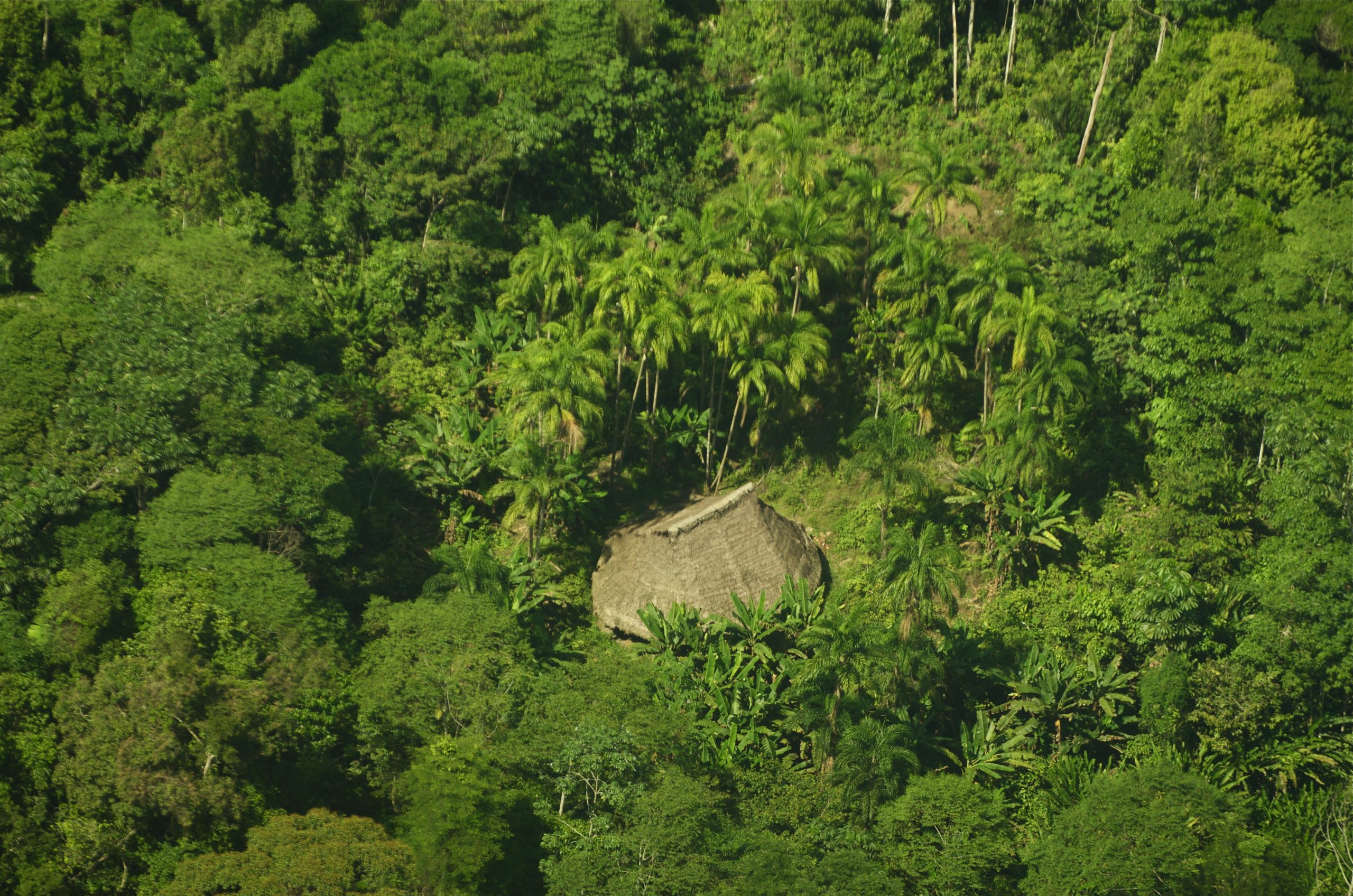
Since the end of the 19th and beginning of the 20th century, there were rumors from rubber and animal skin traders about the presence of peoples who took shelter deep in the adjoining forests. These are peoples who avoid all forms of contact with the surrounding society.
Read MoreIndigenous Peoples in Isolation in Colombia: A recent history of the challenges involved in their protection
Since the end of the 19th and beginning of the 20th century, there were rumors from rubber and animal skin traders about the presence of peoples who took shelter deep in the adjoining forests. These are peoples who avoid all forms of contact with the surrounding society.
Read MoreYachaikury: cómo aprender desde el territorio, la espiritualidad y la medicina tradicional
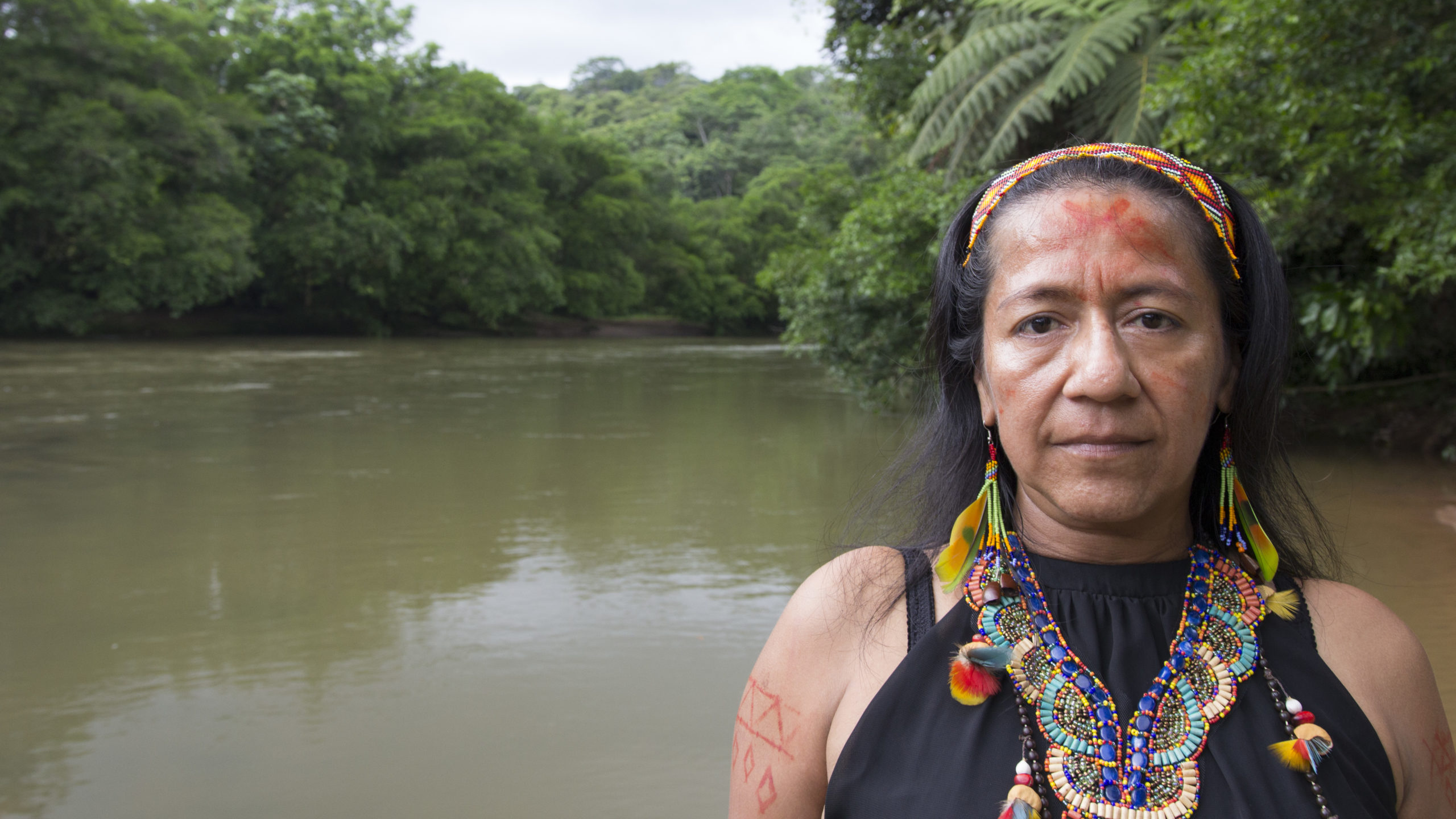
El presente texto cuenta la historia de la fundación de Yachaikury. De las problemáticas más desastrosas, la comunidad inga del Caquetá tomó la oportunidad para tomar decisiones por su propio bien. De esta, nació la fundación de la escuela Yachaikury, una escuela con etnoeducación que plasma los saberes tradicionales indígenas junto con la educación regular. Esta, por encima de las escuelas tradicionales, le trae autonomía a las comunidades y memoria de sus tradiciones.
Read More