

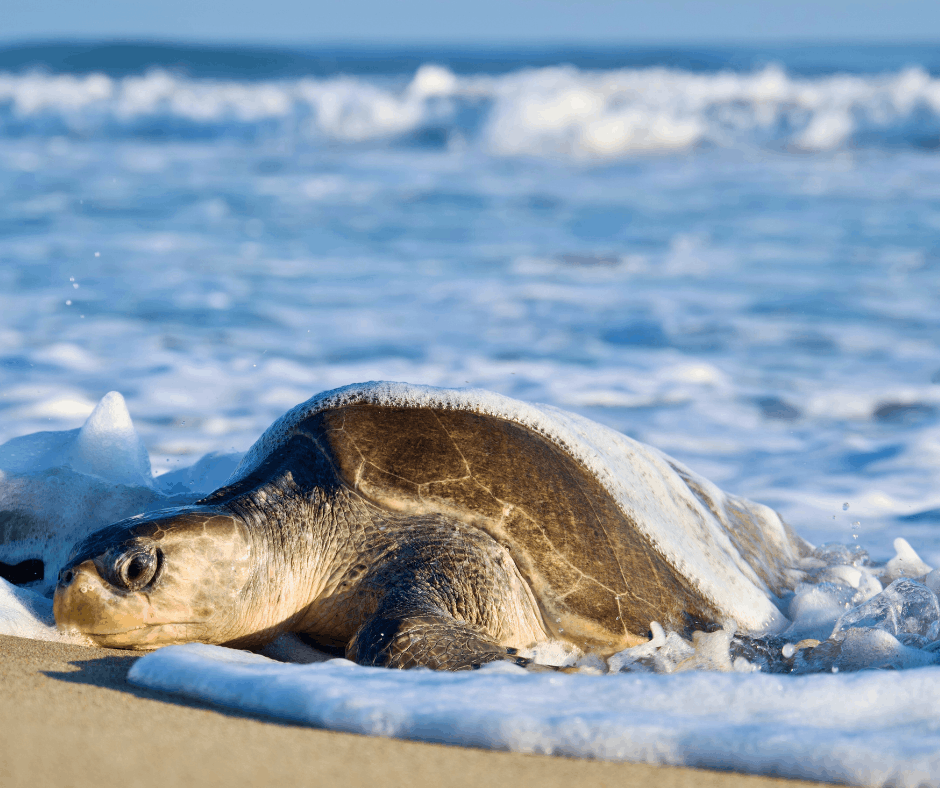
Sea Turtle Week: 7 Species, One Ocean, One Shared Future
Sea turtles have traveled the world’s oceans for millions of years. They connect marine ecosystems across vast distances, helping maintain the health of coral reefs, seagrass meadows, coastal habitats, and open oceans. Today, all seven species of sea turtle face growing threats, including habitat loss, plastic pollution, fisheries bycatch, climate change, and coastal development. Yet each species…
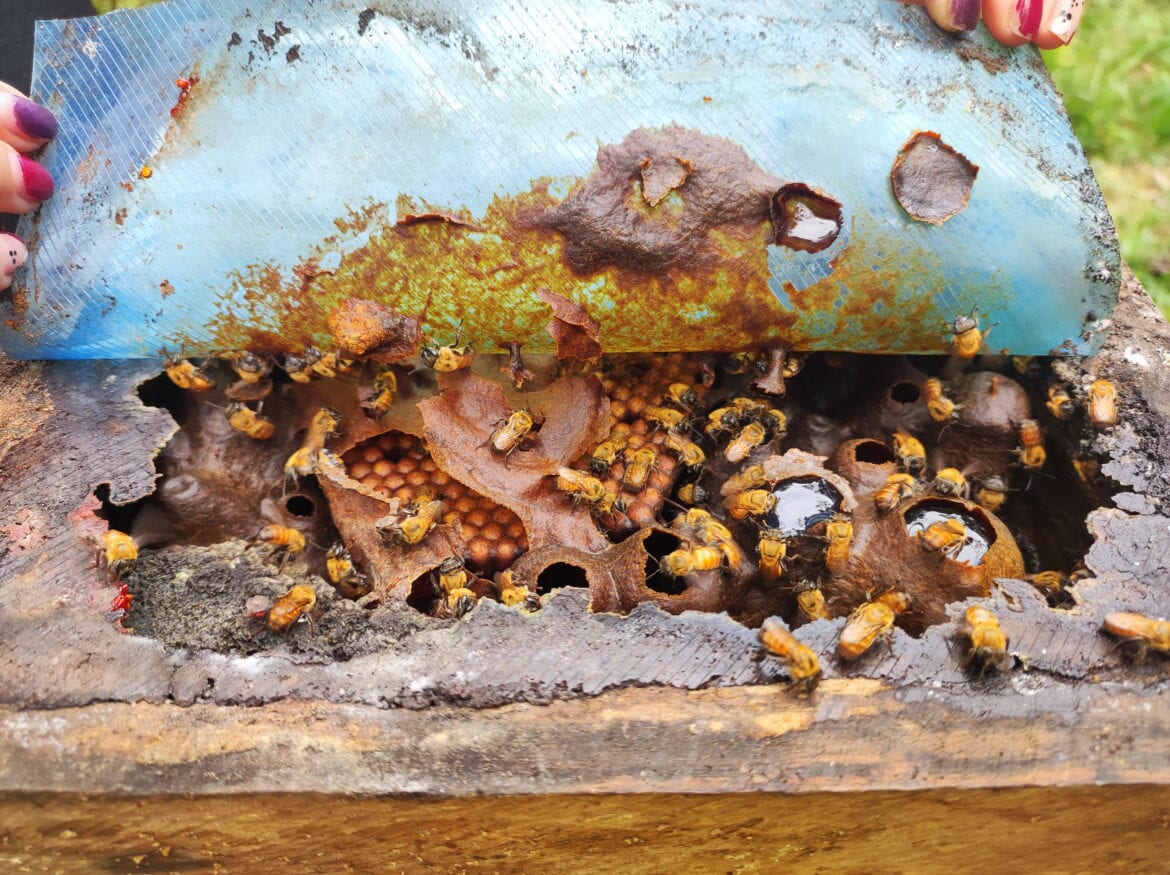
The Invisible Pollinators of the Amazon
How stingless bees are helping communities protect forests, preserve knowledge, and build sustainable futures When people think of bees, they usually imagine the common honeybee. But across the Amazon, hundreds of native stingless bee species quietly sustain forests, food systems, and cultural traditions, often without being noticed at all. Hidden inside hollow trees and deep…
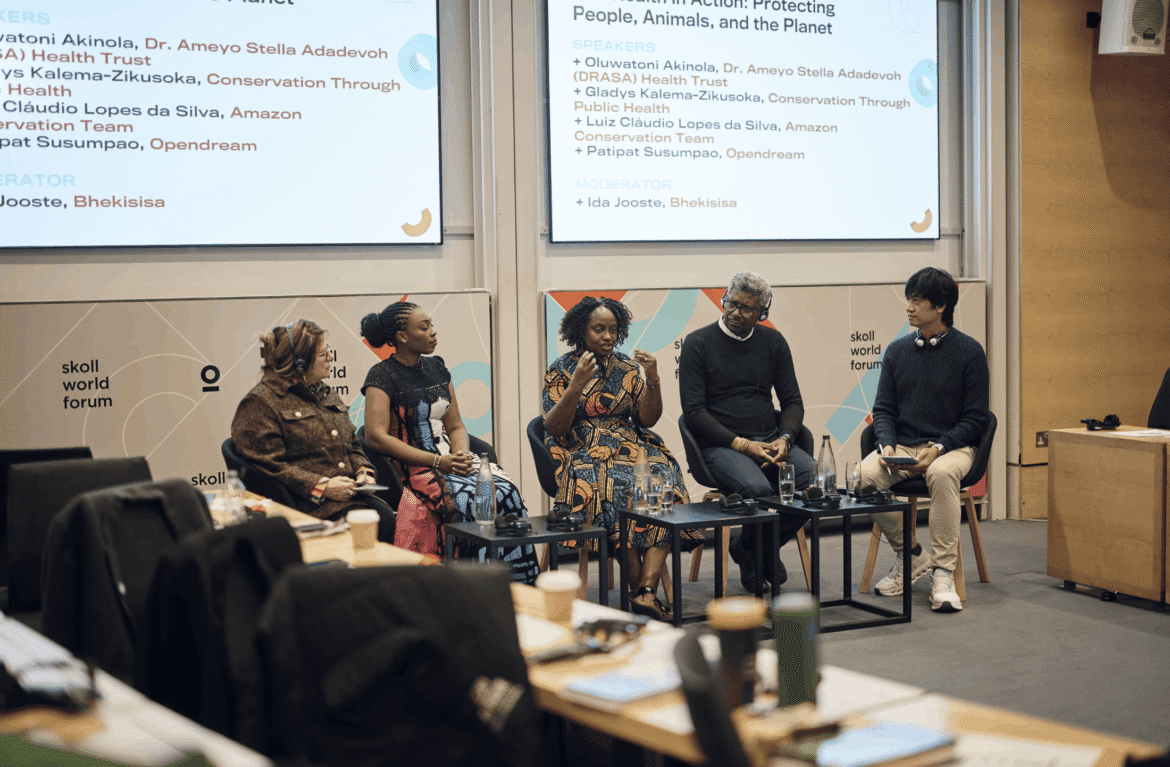
From Territory to Global Dialogue: “One Health” Connects Indigenous Knowledge and Public Policy
Global discussions on climate, health, and development have increasingly pointed to the need to recognize knowledge systems that already exist within territories and communities. International spaces such as the Skoll World Forum, held from April 21–24, 2026, in England, brought together leaders, organizations, and initiatives from around the world to share solutions to complex social and environmental challenges. Today, the…
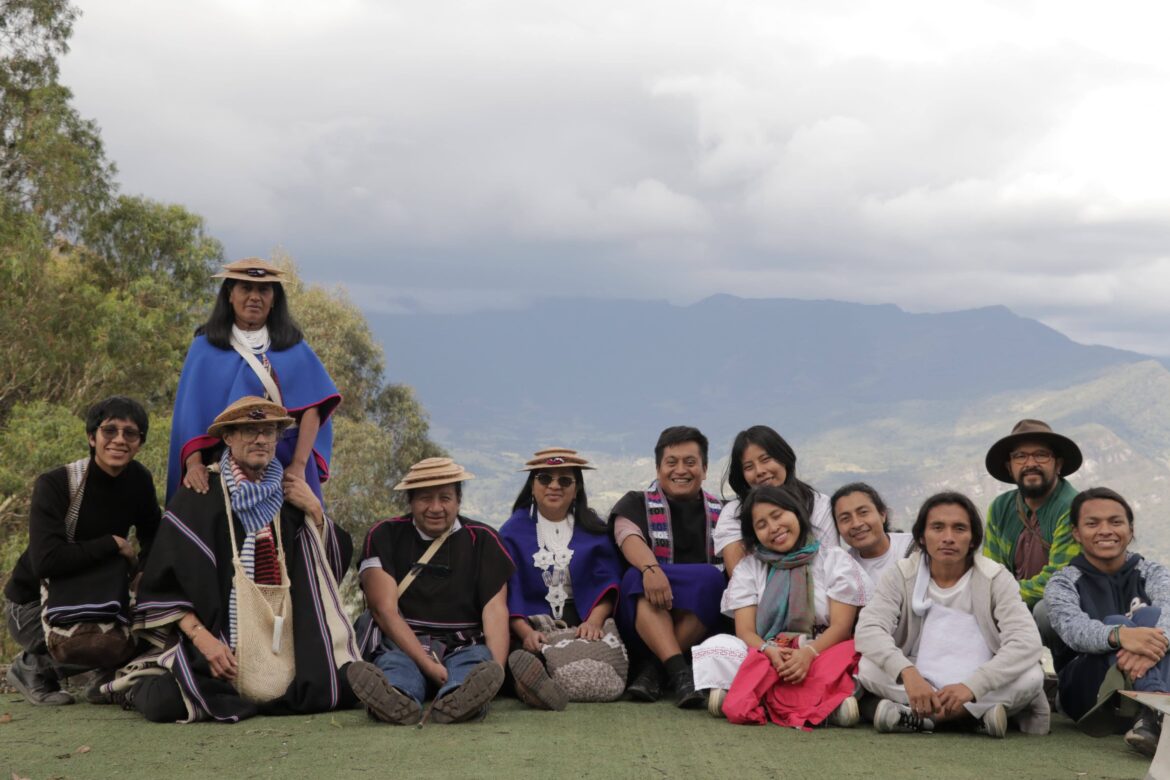
A Bridge Between the Sierra and the World
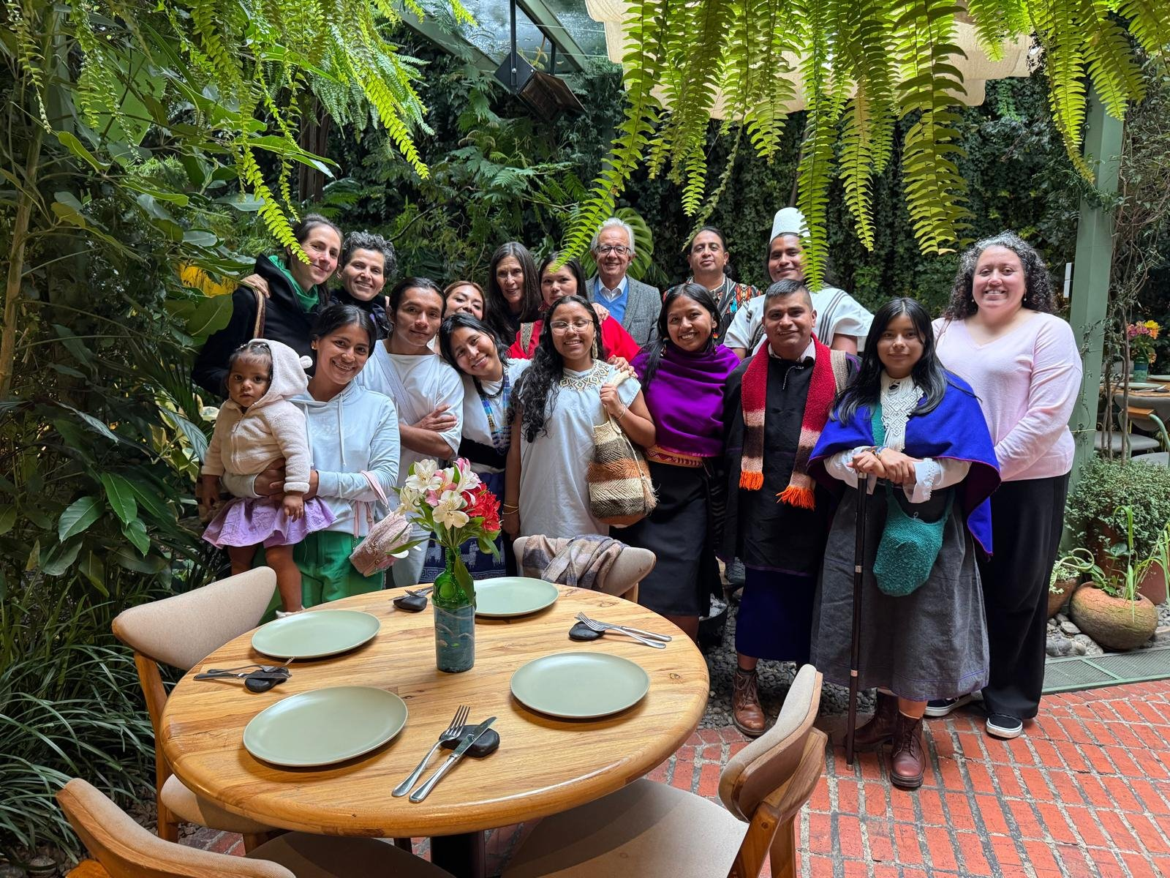
Ati Villafañe grew up on Colombia’s northern coast, going between the city of Santa Marta and her ancestral village of Kutunsama, which for the Arhuaco Indigenous people means “the root of knowledge.” Ati is one of seven Indigenous students from Colombia who are part of a scholarship program supported by the Amazon Conservation Team (ACT) and the Universidad Externado de Colombia in Bogota. For the scholarship students, the goal is not to leave their territory behind: instead, they are encouraged…
A Message from Indigenous Leadership Fellows
“I don’t have to choose between who I am, and where I am.” The following letter was written and read aloud by recipients of the Amazon Conservation Team’s Indigenous Leadership Fellowship Program — a scholarship program ACT launched in 2017 in partnership with Colombia’s Universidad Externado. The program supports Indigenous university students through mentorship, peer…
Ãwa People Strengthen Environmental Restoration on Bananal Island
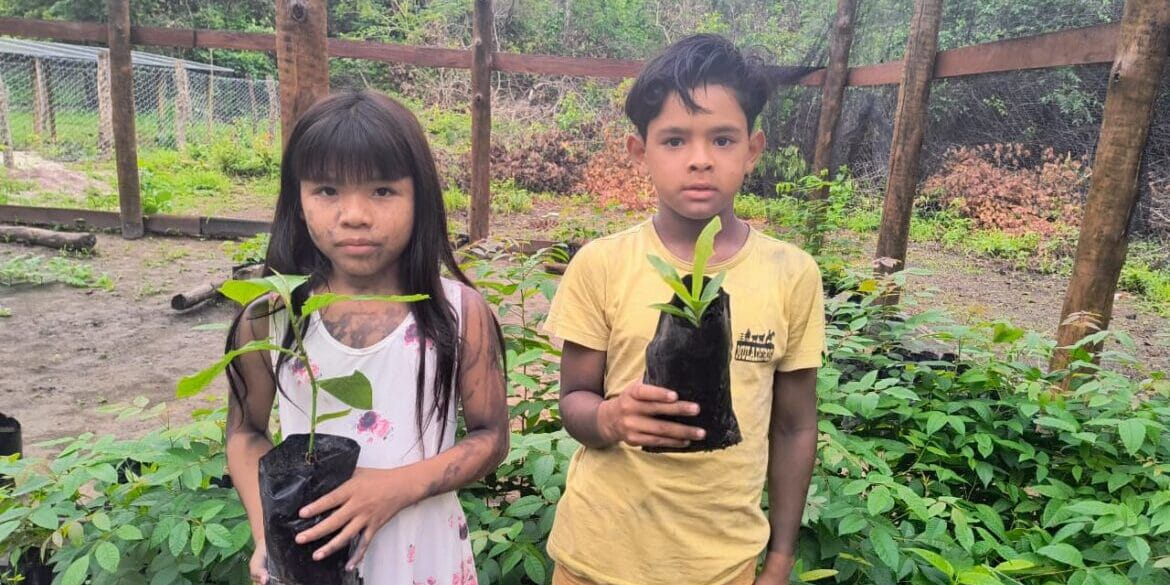
More than 800 seedlings are currently being planted across the territory through the collective work of the entire community. On Bananal Island (Tocantins, Brazil), the Ãwa people are taking new steps toward environmental restoration in their territory. Planting and forest management activities are gaining momentum through the Kawú Nursery, an initiative supported by ACT-Brasil and funded by the Overbrook Foundation and the Scheidel Foundation. Planting Advances in Flooded Areas, with Preparations for Forest…
Flamingo Conservation on Colombia’s Caribbean Coast
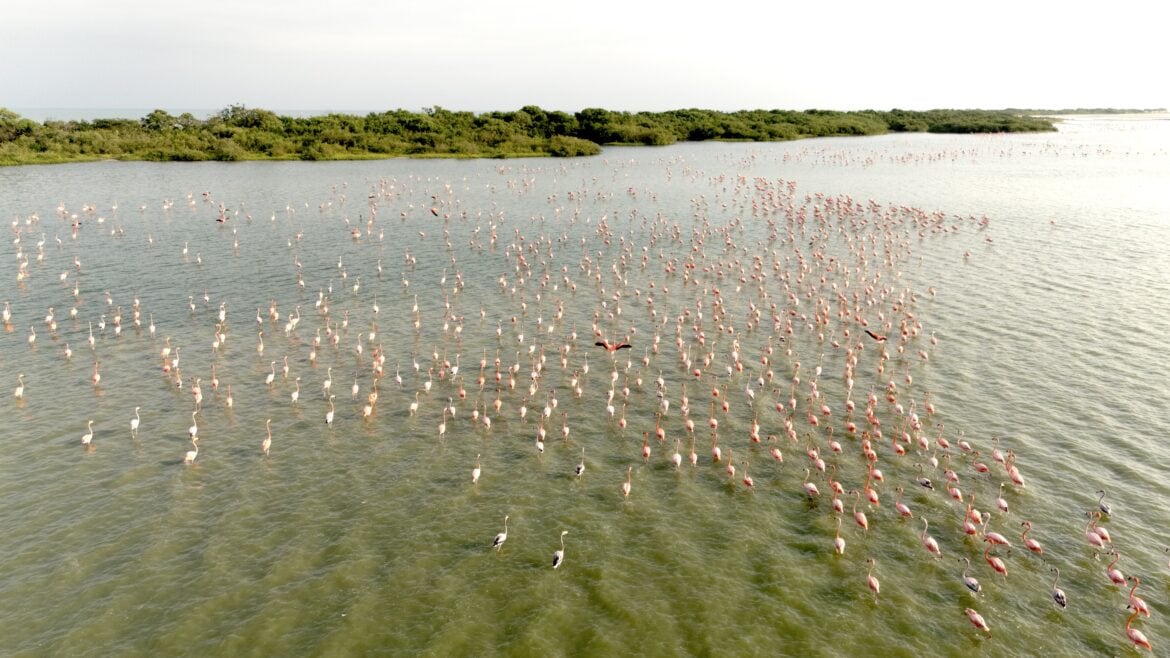
In the brackish marshes of Colombia’s northern Caribbean coast, you’ll find one of the largest and most social bird species – the American flamingo (Phoenicopterus ruber) gathered in flocks of hundreds. This wetland system, between the sea and tropical dry forests of the Guajira Peninsula, serves as a vital feeding ground for diverse wildlife, including ducks, herons, hummingbirds,…
Tikuna People Inaugurate Ancestral Museum in the Upper Solimões
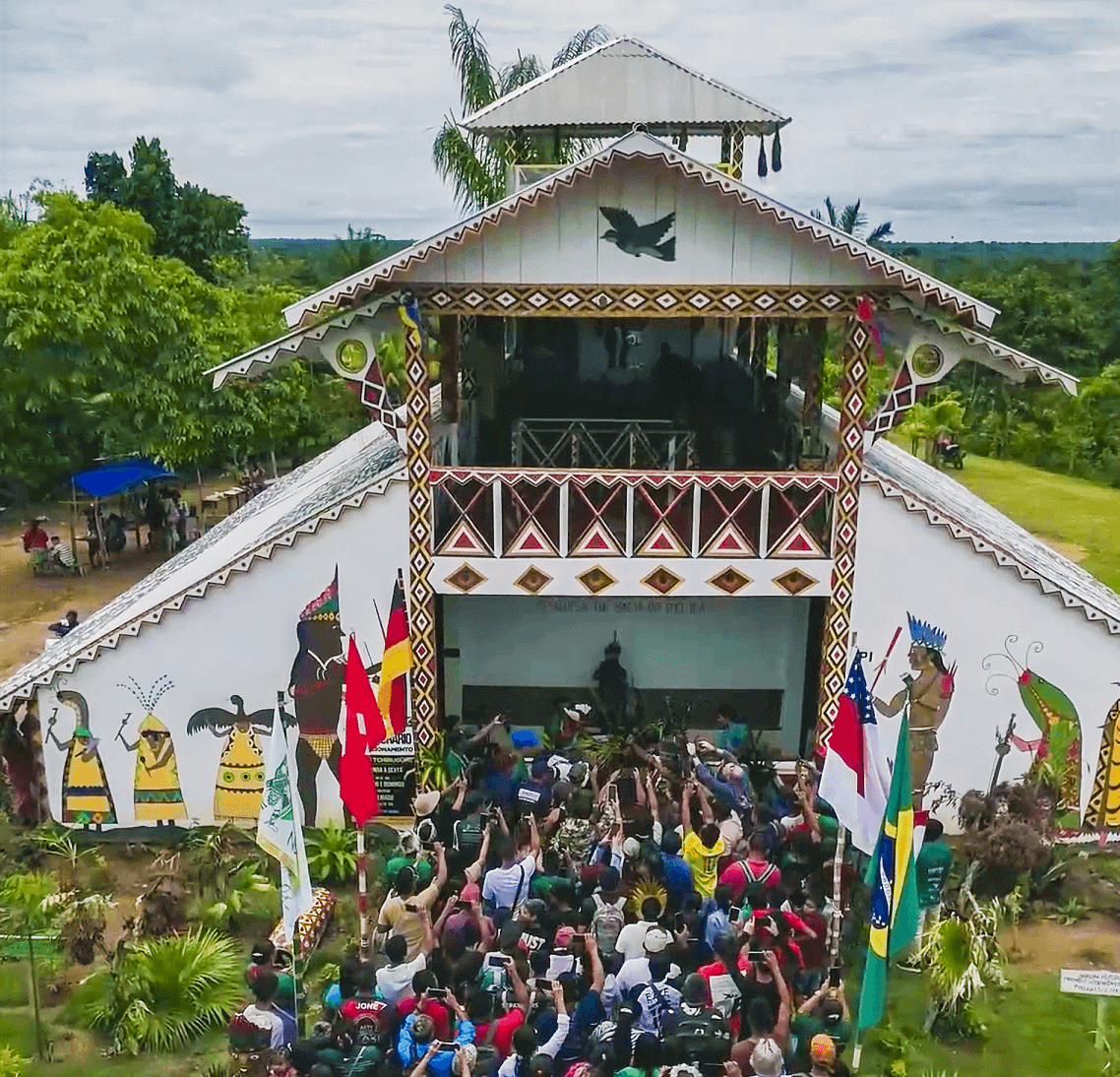
On January 24–25, the Tikuna people inaugurated the Tchirugüne Indigenous Museum in the Indigenous Community of Vila Betânia Mecürane, in the Upper Solimões region of Amazonas, Brazil.
Between Body and Territory: Indigenous Women Facing the Climate Crisis
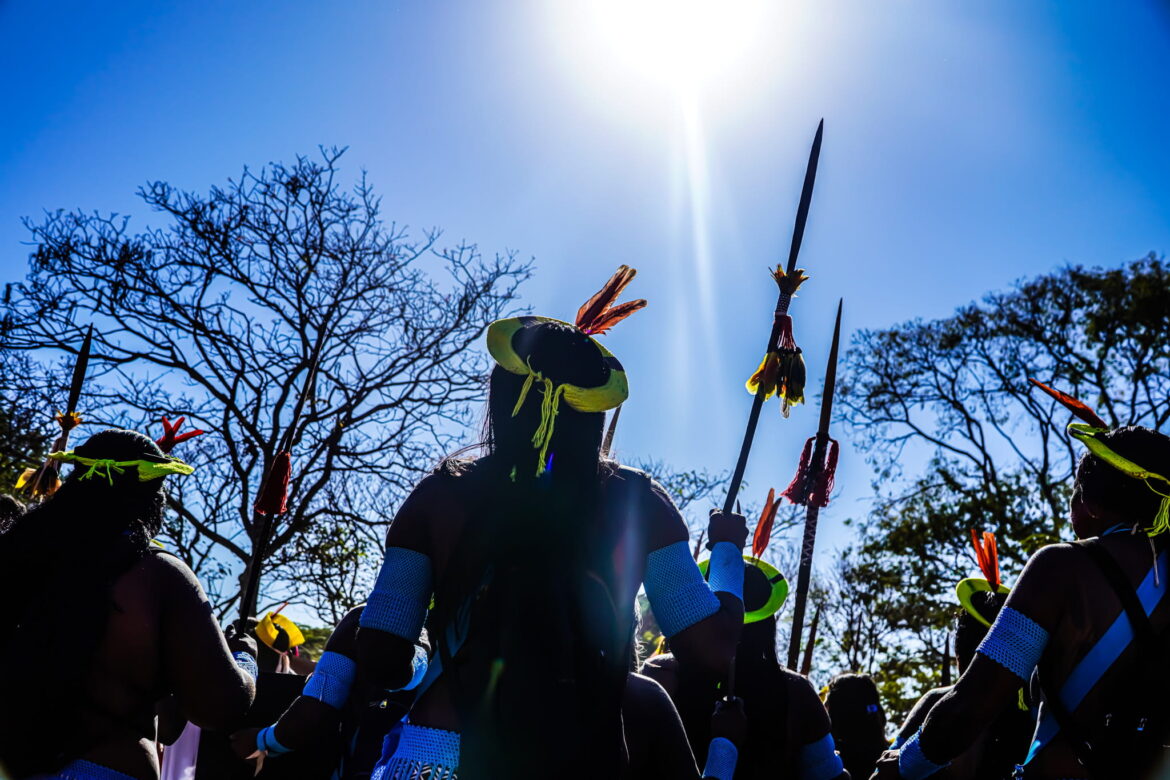
The impacts of the climate crisis on the health and ancestral knowledge of Indigenous women By Rudja Santos from Carta AmazôniaEdited by Méle Dornelas As COP30 brought the Amazon to the center of global discussions on the climate crisis at the end of 2025, the daily lives of Indigenous women reveal a dimension still largely absent from official…
Curare: The Amazonian Arrow Poison and Its Role in History and Medicine
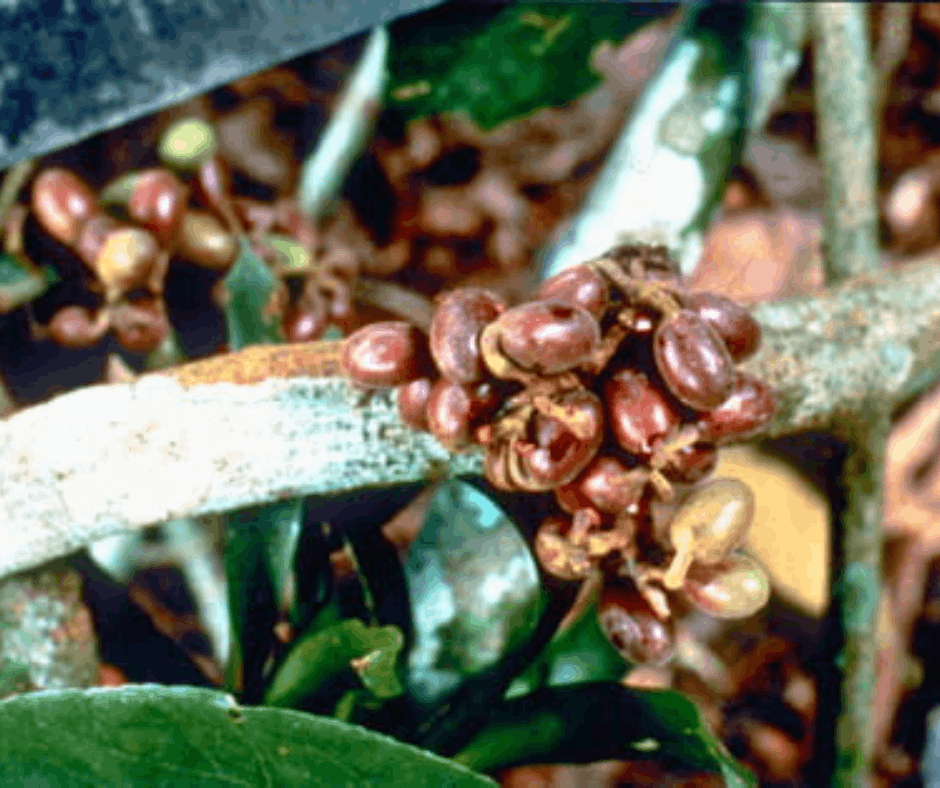
Curare is a plant-based arrow poison perfected over centuries by Indigenous peoples of the Amazonia. Applied to the tips of both blowgun darts and arrows, it induces profound muscle relaxation, ultimately stopping breathing by paralyzing the diaphragm. This remarkable botanical technology was central to subsistence hunting in tropical rainforests, where dense canopy and elusive prey…