
Sea Turtle Week: 7 Species, One Ocean, One Shared Future
Sea turtles have traveled the world’s oceans for millions of years. They connect marine ecosystems across vast distances, helping maintain the health of coral reefs, seagrass meadows, coastal habitats, and open oceans.
Today, all seven species of sea turtle face growing threats, including habitat loss, plastic pollution, fisheries bycatch, climate change, and coastal development. Yet each species plays a unique role in keeping ocean ecosystems in balance.
This Sea Turtle Week, we’re highlighting all seven species and the important contributions they make to our shared future.
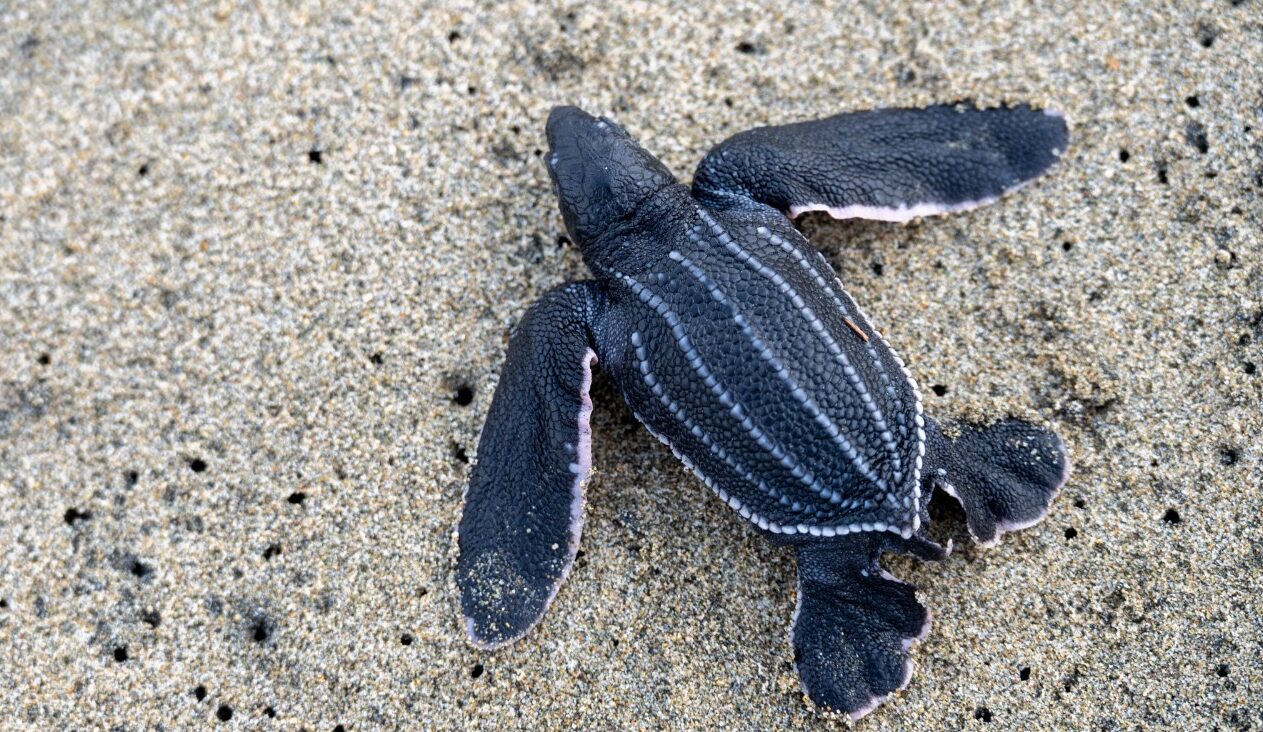
Leatherback Sea Turtle (Dermochelys coriacea)
The leatherback is the largest sea turtle on Earth and one of the most ancient reptiles still living today. These remarkable travelers can cross entire ocean basins and dive to extraordinary depths in search of jellyfish.
Why They Matter
- Help regulate jellyfish populations
- Support balanced marine food webs
- Serve as indicators of ocean health
How You Can Help
Reduce single-use plastics and support sustainable fisheries to help protect leatherbacks and the oceans they cross.
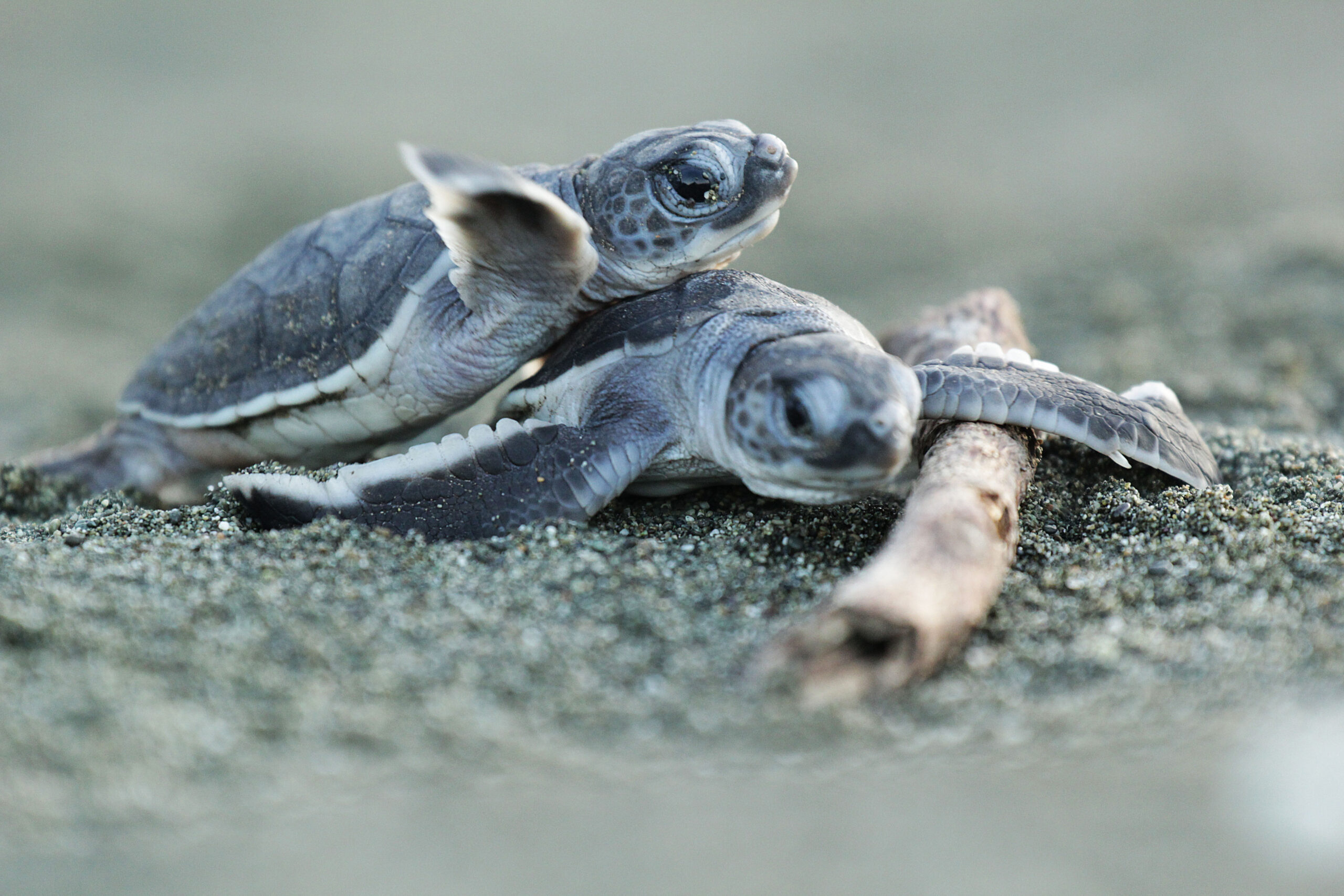
Green Sea Turtle (Chelonia mydas)
Green turtles have been called the gardeners of the sea. By grazing on seagrass, they help maintain productive marine habitats that support countless other species.
Why They Matter
- Maintain healthy seagrass ecosystems
- Increase marine biodiversity
- Help store blue carbon
How You Can Help
Protect coastal habitats and choose ocean-friendly practices that reduce impacts on marine ecosystems.
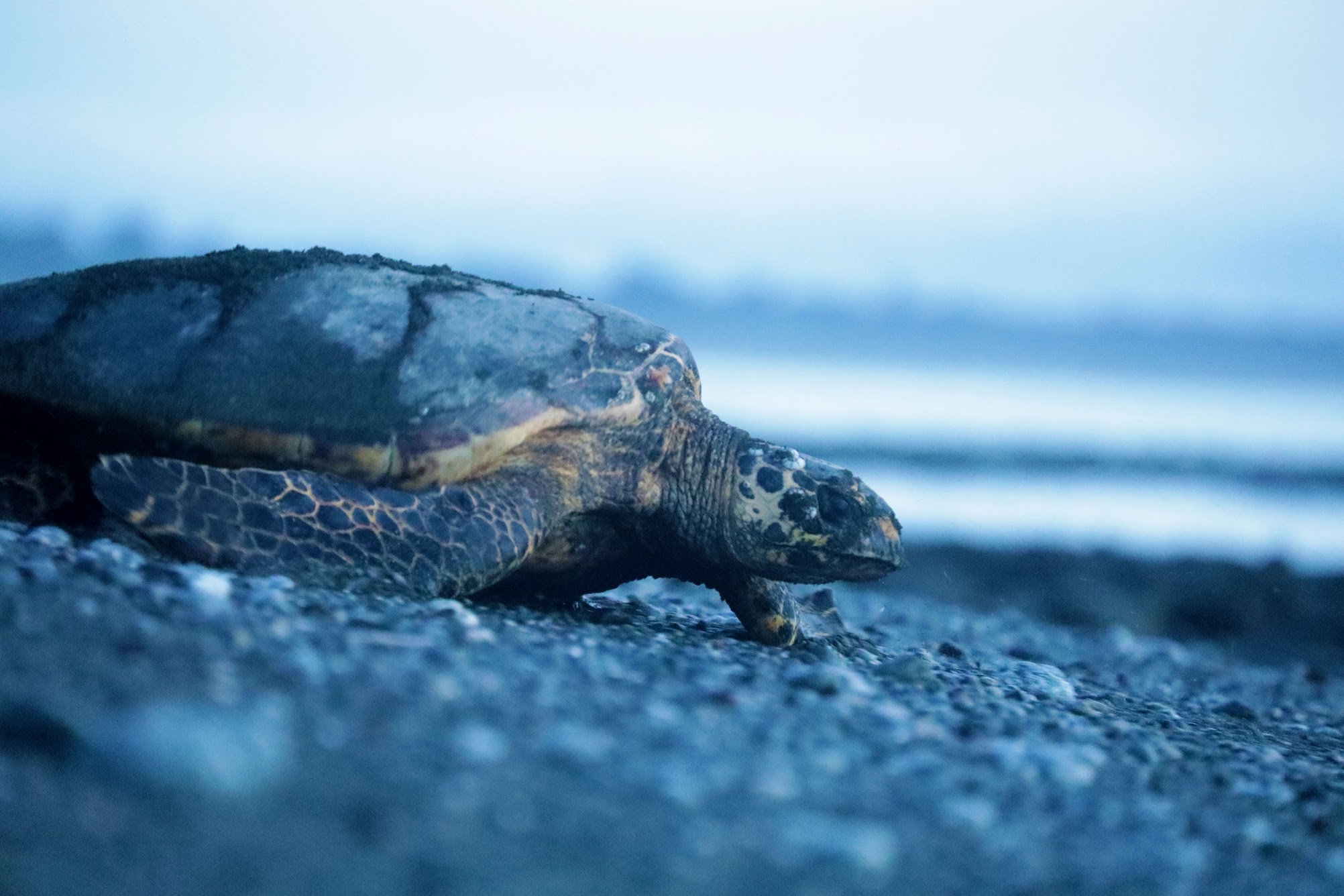
Hawksbill Sea Turtle (Eretmochelys imbricata)
Hawksbills are closely linked to coral reefs. Their specialized diet, which consists largely of sponges, helps prevent reefs from becoming overgrown and allows corals to thrive.
Why They Matter
- Maintain coral reef health
- Support reef biodiversity
- Help sustain balanced reef ecosystems
How You Can Help
Never purchase products made from tortoiseshell, and support coral reef conservation efforts.
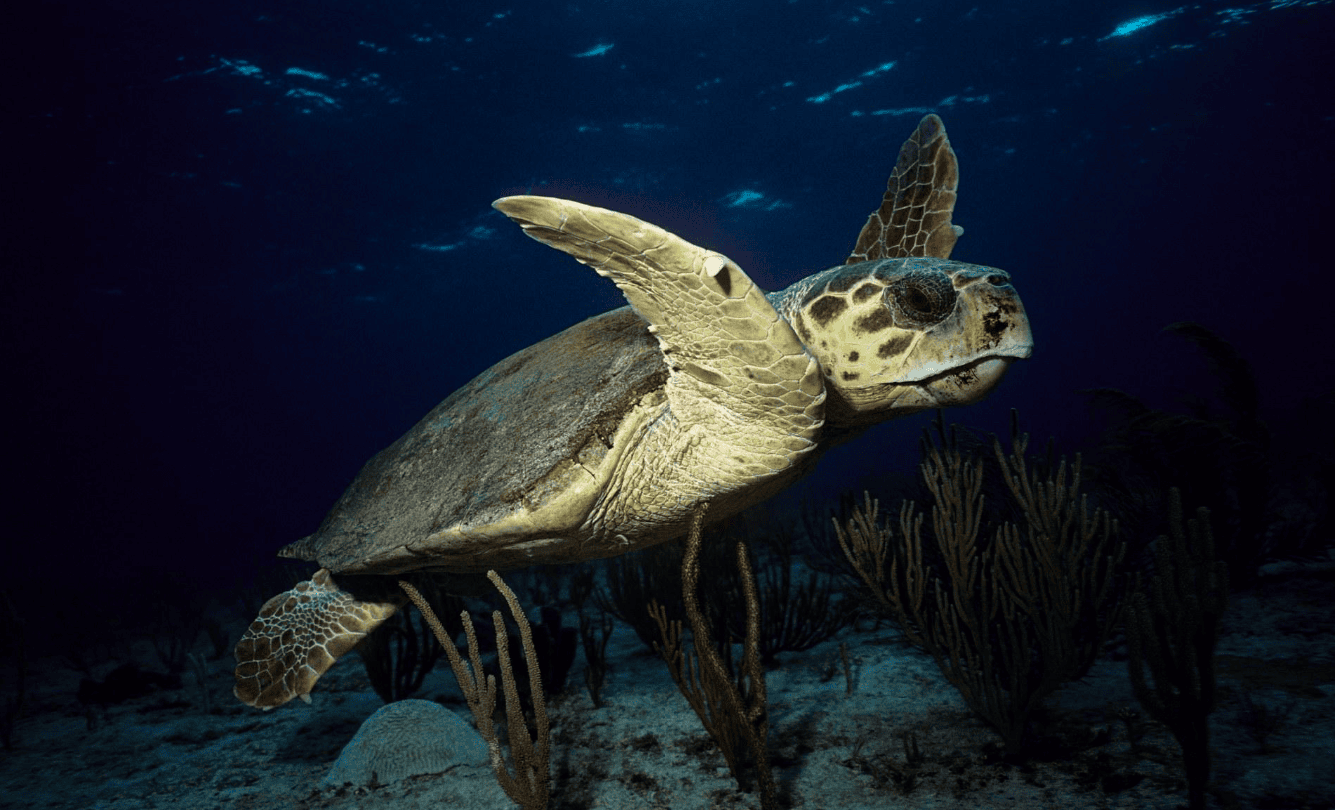
Loggerhead Sea Turtle (Caretta caretta)
Named for their large heads and powerful jaws, loggerheads feed on crabs, shellfish, and other hard-shelled marine animals.
Why They Matter
- Help regulate populations of marine invertebrates
- Support healthy seafloor ecosystems
- Contribute to nutrient cycling
How You Can Help
Support sustainable fishing practices and help reduce marine debris that can harm sea turtles.
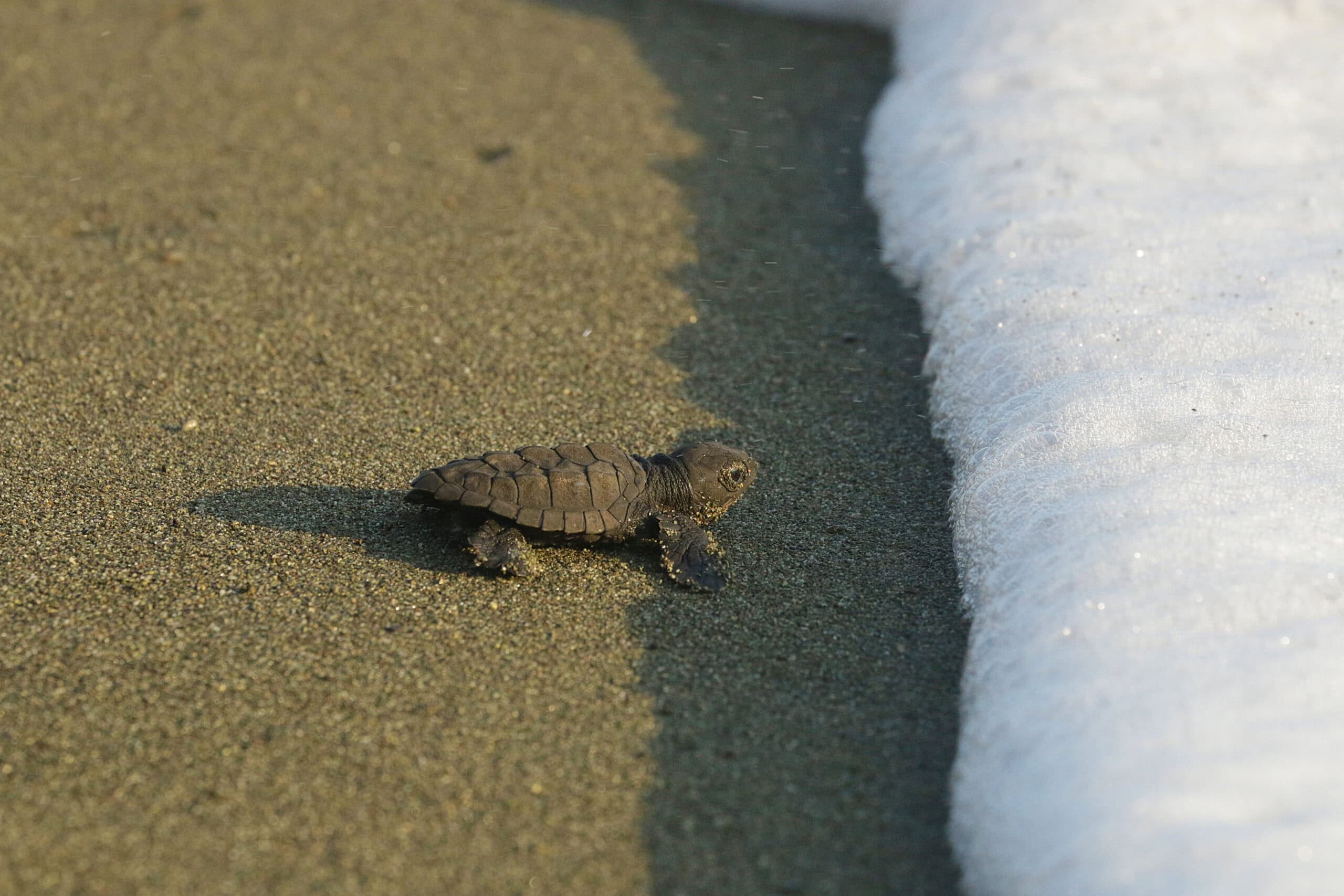
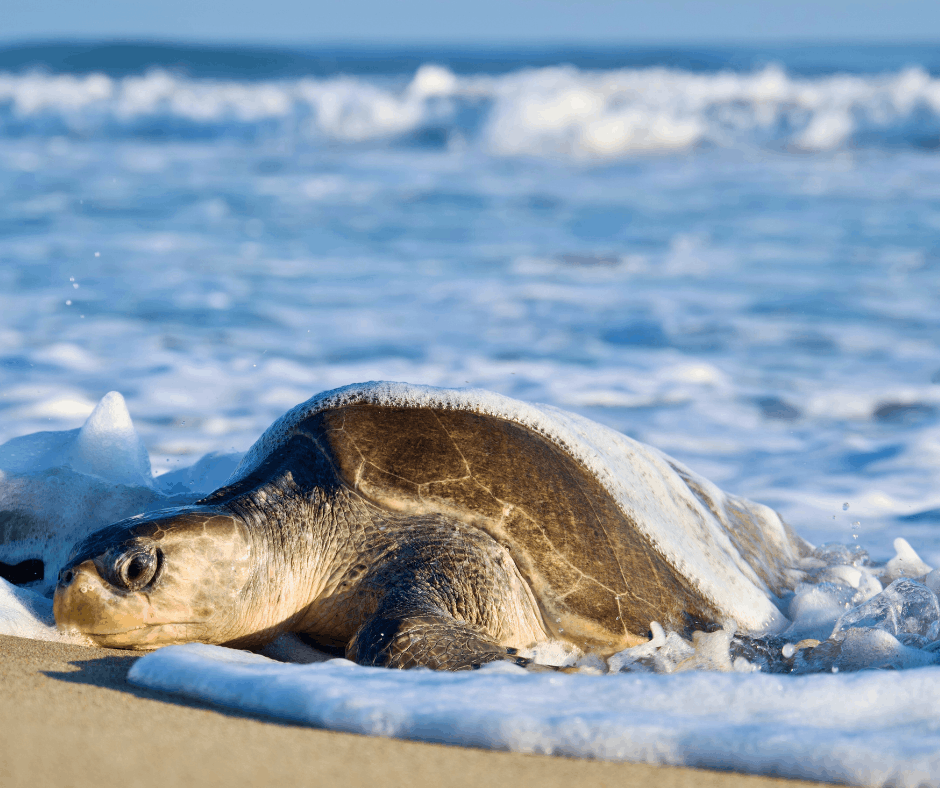
Olive Ridley Sea Turtle (Lepidochelys olivacea)
Olive ridleys are famous for their spectacular arribadas—mass nesting events during which thousands of turtles come ashore together to lay eggs.
Why They Matter
- Transport nutrients from the ocean to coastal ecosystems
- Support biodiversity on nesting beaches
- Represent one of nature’s most extraordinary wildlife phenomena
How You Can Help
Respect nesting beaches by keeping them clean, minimizing artificial lights, and avoiding disturbance to wildlife.
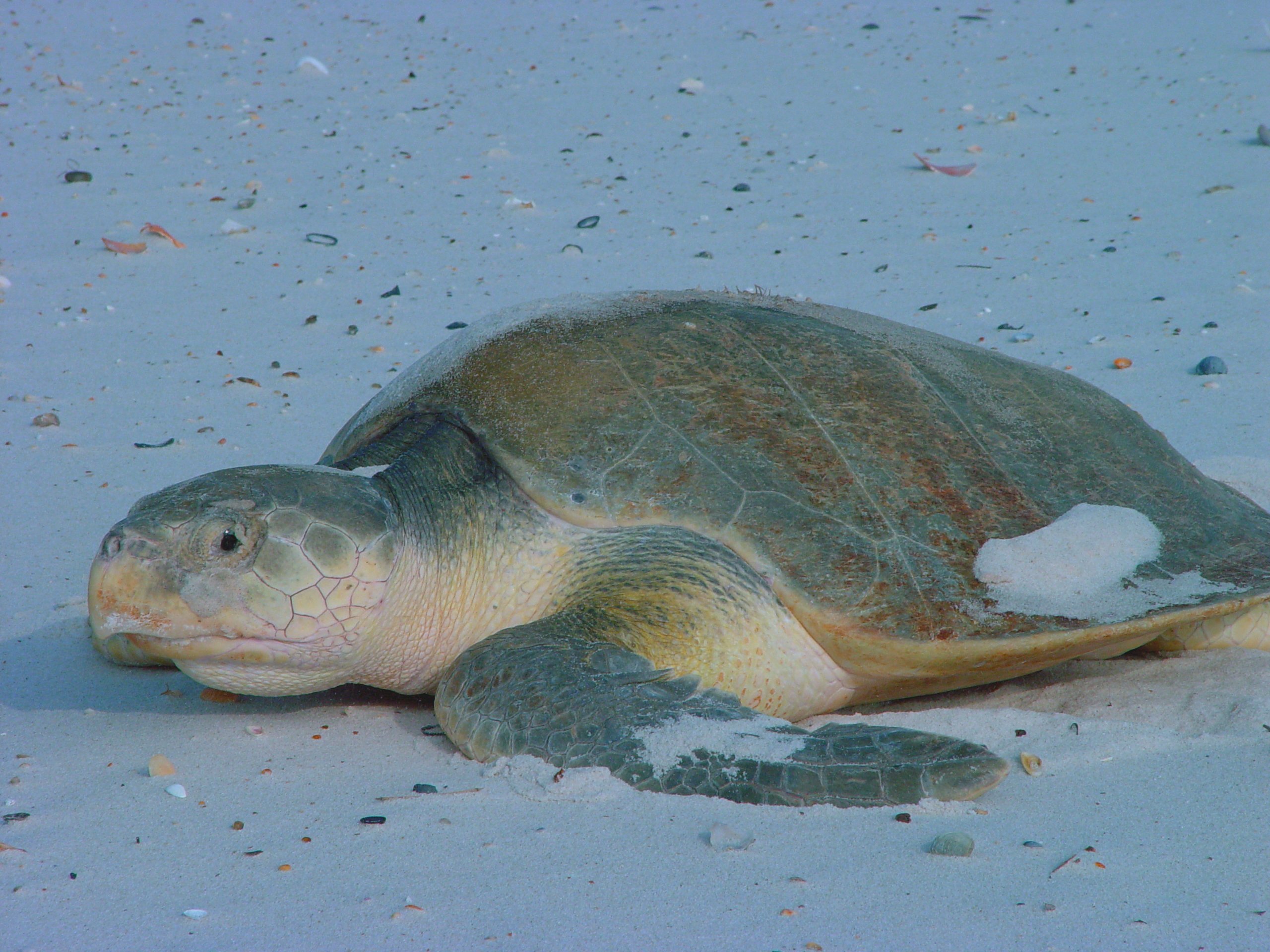
Kemp’s Ridley Sea Turtle (Lepidochelys kempii)
Kemp’s ridley is the world’s most endangered sea turtle species. Its story also demonstrates the power of conservation, as decades of coordinated efforts have helped populations show signs of recovery.
Why They Matter
- Play an important role in coastal marine food webs
- Help maintain healthy marine ecosystems
- Demonstrate the impact of collaborative conservation
How You Can Help
Support organizations working to protect nesting beaches and promote safer fishing practices.
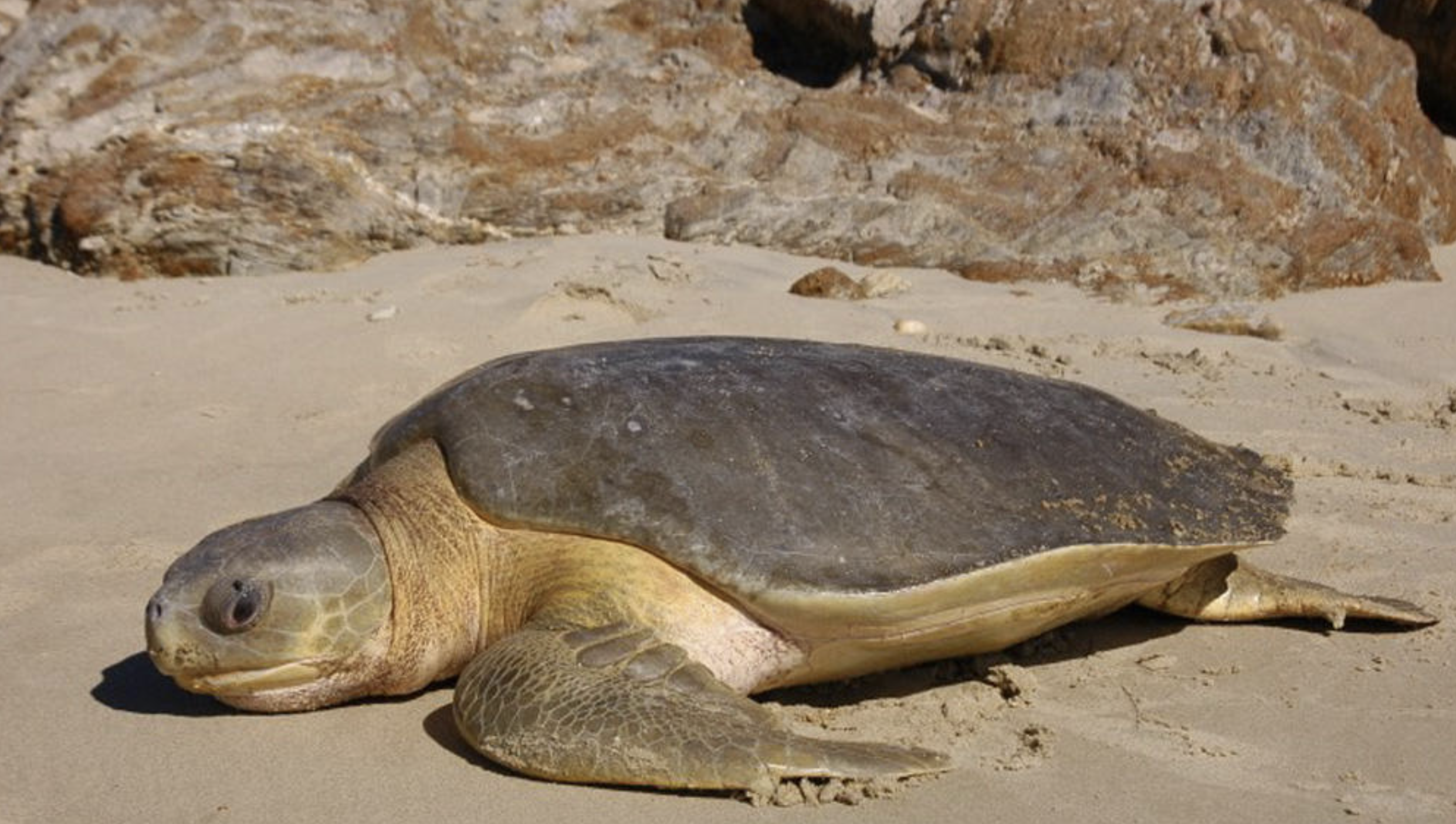
Flatback Sea Turtle (Natator depressus)
Flatback turtles are found only in the waters surrounding Australia, making them one of the most geographically limited sea turtle species.
Why They Matter
- Support coastal ecosystem balance
- Contribute to marine food webs
- Reflect the health of coastal habitats
How You Can Help
Advocate for stronger marine protected areas and cleaner oceans worldwide.
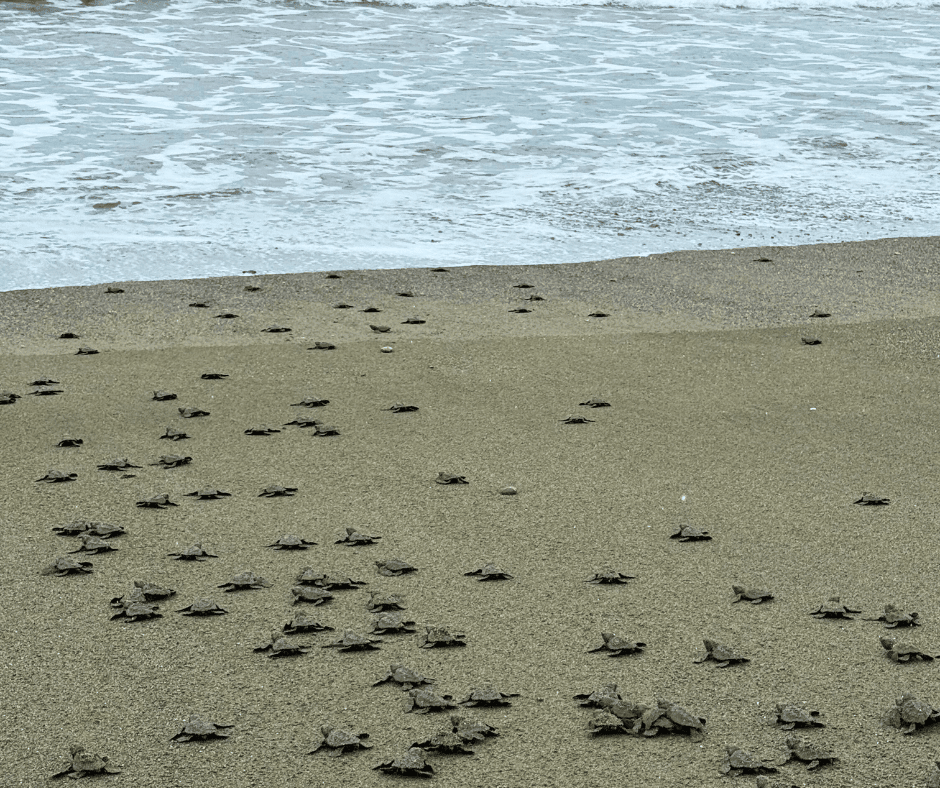
One Ocean, One Shared Future
Although each species plays a different role, all sea turtles contribute to the health and resilience of marine ecosystems. Protecting them means protecting coral reefs, seagrass beds, fisheries, coastal communities, and the countless species that share the ocean.
Their future—and ours—depends on healthy oceans.
This Sea Turtle Week, join us in celebrating these ancient navigators and the vital role they play in sustaining life beneath the waves.
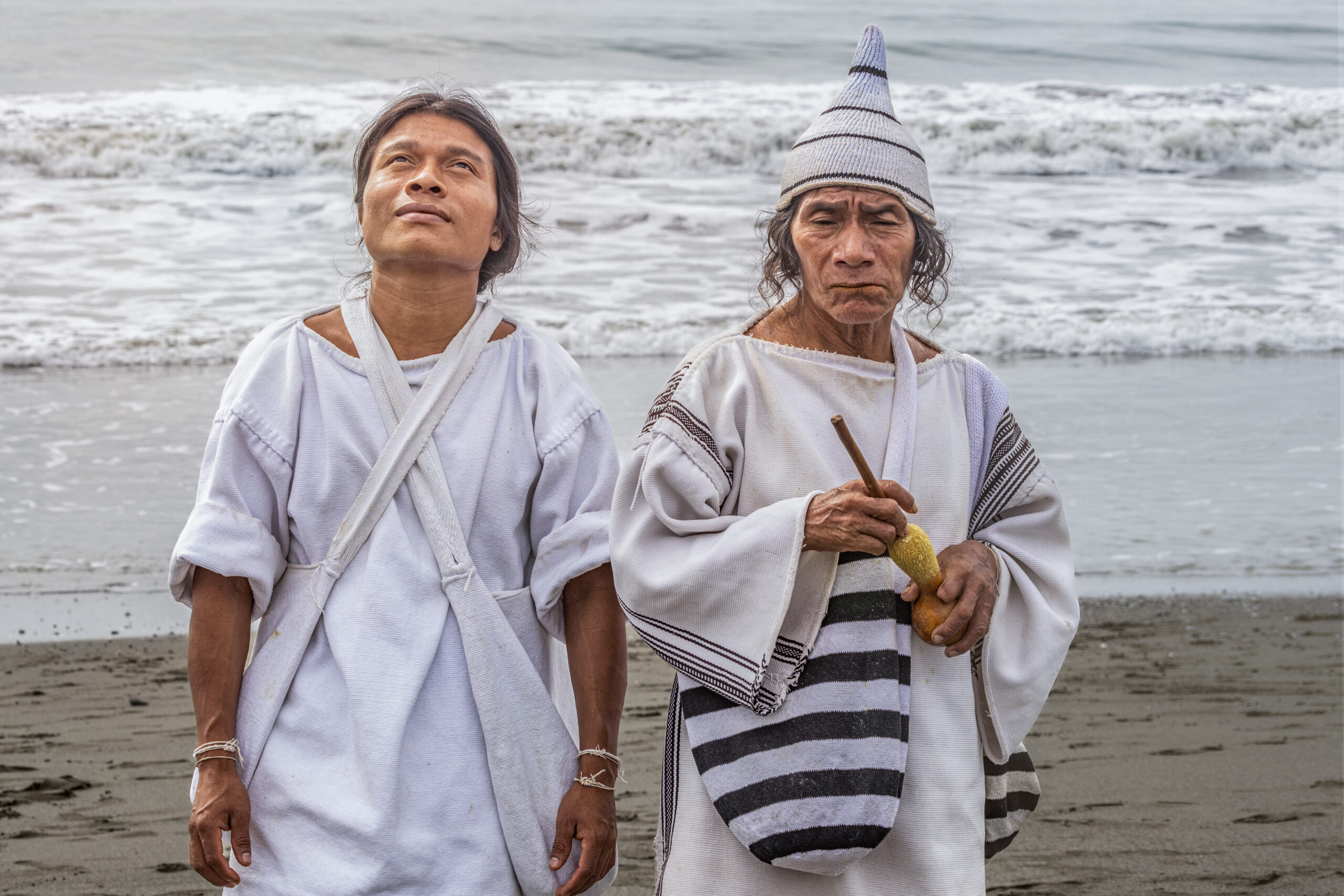
Supporting Sea Turtle Conservation Through Ancestral Tides
Through the Ancestral Tides program, the Amazon Conservation Team works alongside Indigenous peoples and traditional coastal communities to protect marine and coastal ecosystems where sea turtles live, nest, and migrate.
Our work supports community-led conservation efforts in regions where leatherback, green, hawksbill, loggerhead, and olive ridley sea turtles can be found. By strengthening local stewardship, protecting critical habitats, and supporting traditional ecological knowledge, these communities play an essential role in safeguarding the future of sea turtles and the ecosystems they help sustain.
Sea turtle conservation is about more than protecting species. It is about protecting the relationships between people, oceans, and coastal landscapes that have endured for generations.
Together, we can help ensure that these ancient travelers continue their journeys for generations to come.
Written by: Barbara Onkle