
A Bridge Between the Sierra and the World
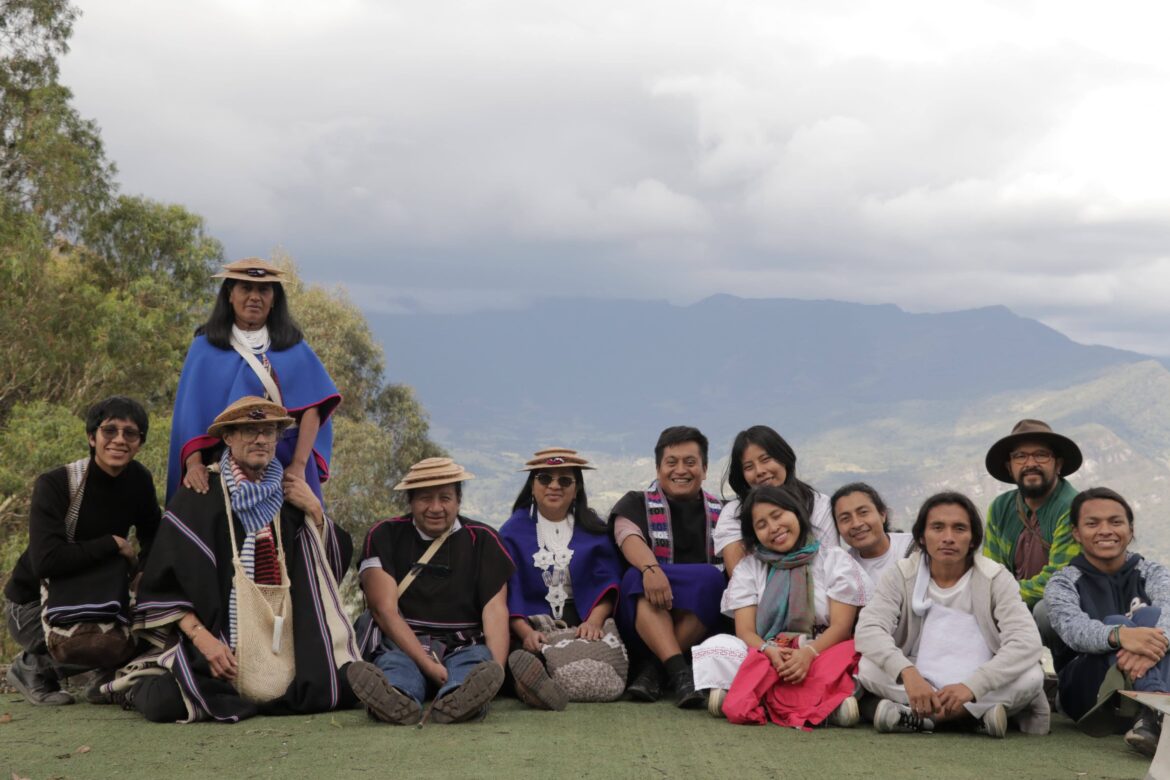
Ati Villafañe grew up on Colombia’s northern coast, going between the city of Santa Marta and her ancestral village of Kutunsama, which for the Arhuaco Indigenous people means “the root of knowledge.”
Ati is one of seven Indigenous students from Colombia who are part of a scholarship program supported by the Amazon Conservation Team (ACT) and the Universidad Externado de Colombia in Bogota. For the scholarship students, the goal is not to leave their territory behind: instead, they are encouraged to bring it with them and ultimately use the skills they gain at university and through the program in service of the specific needs of their community.
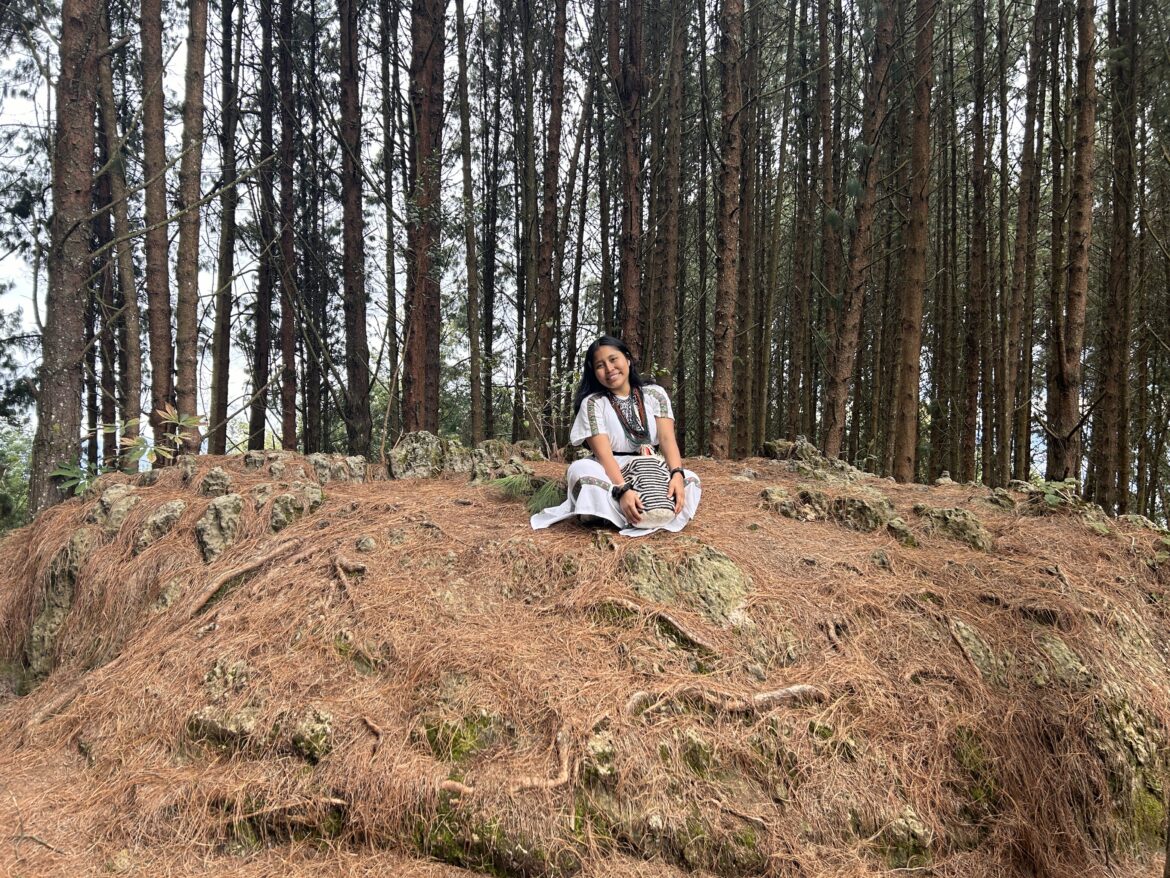
For Ati, this means serving as a bridge between the Arhuaco people and the rest of the world. One way she does that is through her exceptional language abilities.
“There are few Arhuacos who know how to speak Spanish, so English is even harder,” Ati explains.
She says when the International Student Festival in Trondheim, Norway was seeking participants from Colombia, they were told they wouldn’t find anyone who spoke English. That’s when she decided to step up, having learned the language fluently after studying for just a year in the US.
“Sometimes we depend on other people that are not from the community to represent us in other spaces,” Ati says. “They don’t live the way we live. They, maybe, don’t understand that deeply. We can represent ourselves. We can represent ourselves because we know how we live. We understand better our knowledge, our cosmology, how everything works.”
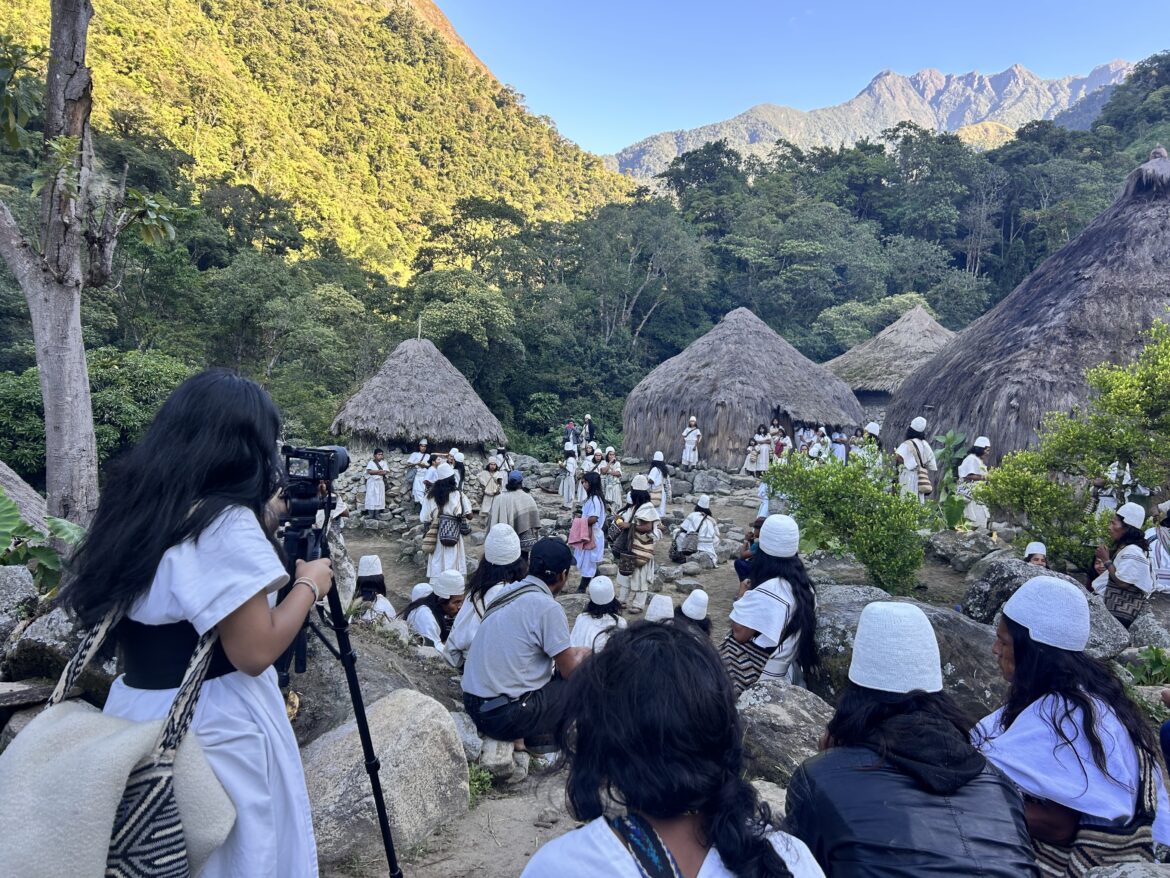
For the Arhuaco, one of four Indigenous groups in Colombia’s Sierra Nevada de Santa Marta region, that cosmology is deeply connected to the extraordinary biodiversity found there.
“We believe that behind every tree, every rock, every river, everything, there’s like a living spirit, something like a human being,” Ati says, adding that this knowledge means the Arhuaco view care for nature and the environment as essential. “For us, the most important thing is to, of course, take care of the Sierra, but also the world.”
Ati is studying Government and International Affairs at university and serves as a student representative on the Faculty Council of Finance, Government and International Affairs – interests that seem to run in the family. Her great grandfather was a Mamo, one of the highest authorities in her community, who are keepers of spiritual and ancestral knowledge. Her grandfather (Adalberto Villafaña) and father (Danilo Villafaña), who passed away before the scholarship program began, also served as governors of the Arhuaco community.
“I feel that the university, in the career I’m studying, is giving me the tools that I need to be part of these processes and to advocate for my community … I kind of like being a bridge between the community and non-Indigenous people,” Ati says.
At the end of every semester, each scholarship student must present a service to his or her community in alignment with ACT’s strategies and their academic field. In addition to helping meet the financial cost of attending school (like rent and food), ACT also provides monthly gatherings to help strengthen the students’ skills and knowledge related to territorial rights, conflict resolution, decrees, and emotional and psychological well-being. Students are also given the opportunity to participate in national and international gatherings and conferences — something Ati believes she and her community will surely benefit from.
“My father used to say that we have to make friends for the Sierra.” Ati explains. “So, the friends of the Sierra will be people from different countries, not only from Colombia, because for us, even Indigenous people from other countries, we are connected… we all have the same responsibility.”