

Colombia Earthquake Response: Supporting 1,500 Families Across Five Departments
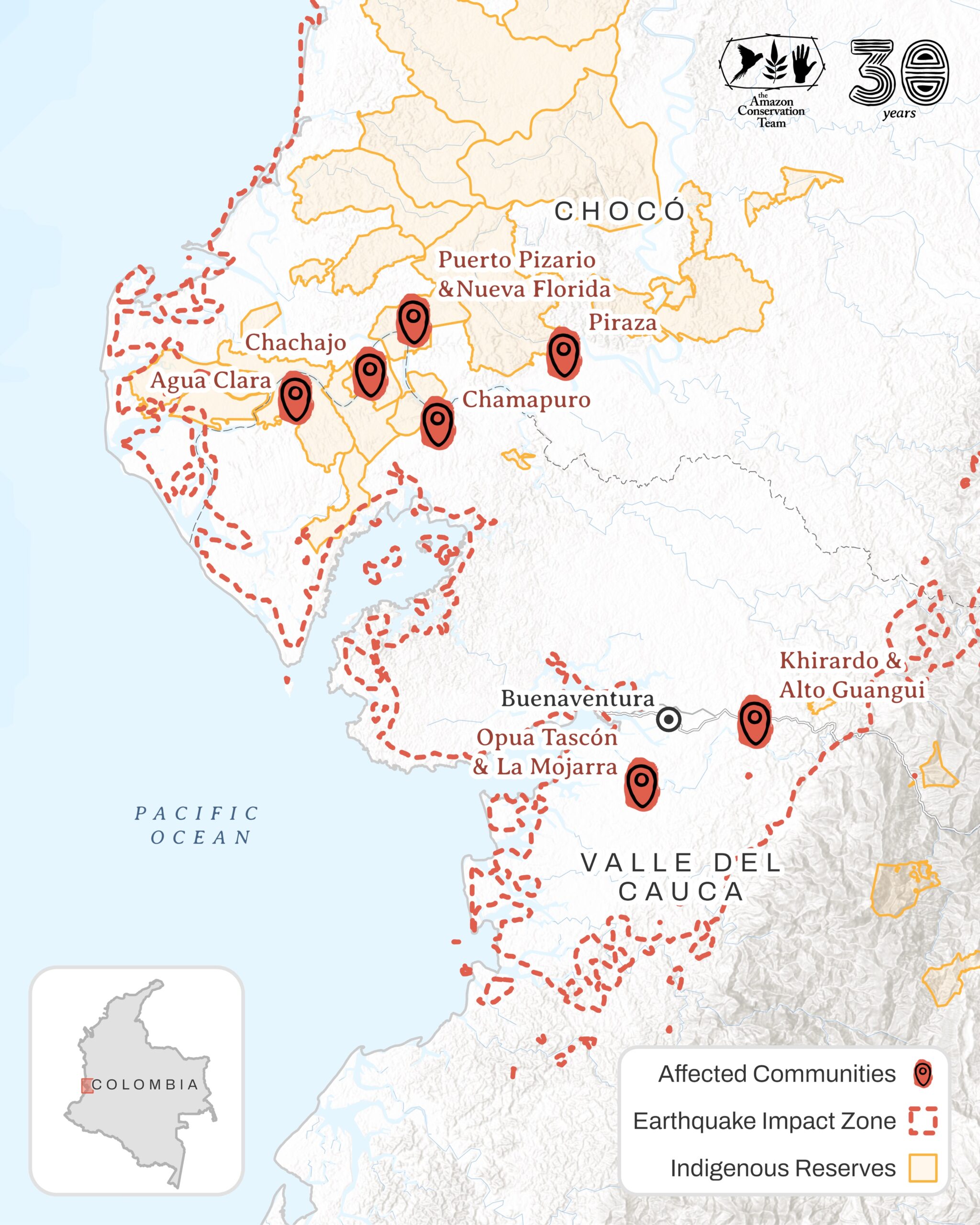
August 27, 2026 Following the 7.4 magnitude earthquake that struck Colombia on August 10, the Amazon Conservation Team (ACT) in Colombia has been working with Indigenous and Afro-descendant organizations and territorial authorities to identify needs and coordinate an initial humanitarian response. To date, 1,500 beneficiary families have been confirmed for support across Valle del Cauca,…
Read MoreSupporting Our Partner Communities Affected by the Earthquake in Colombia
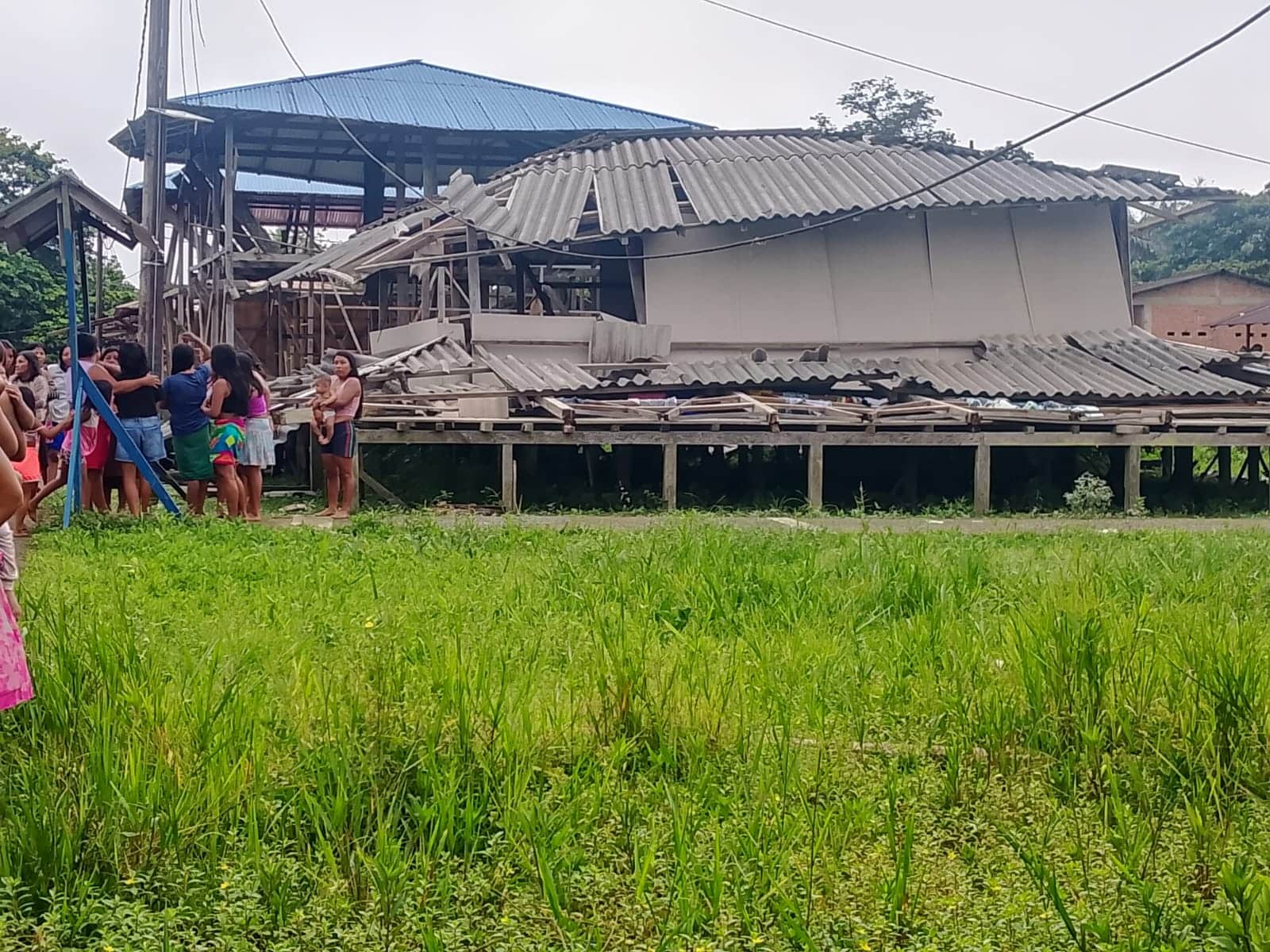
On August 10, a 7.4 magnitude earthquake struck western Colombia. It was the largest earthquake the country has seen in more than a decade, according to the Colombian Geological Survey. Some of the hardest hit areas from the quake overlap with Indigenous and local afro-descendant communities that the Amazon Conservation Team (ACT) has partnered with over many…
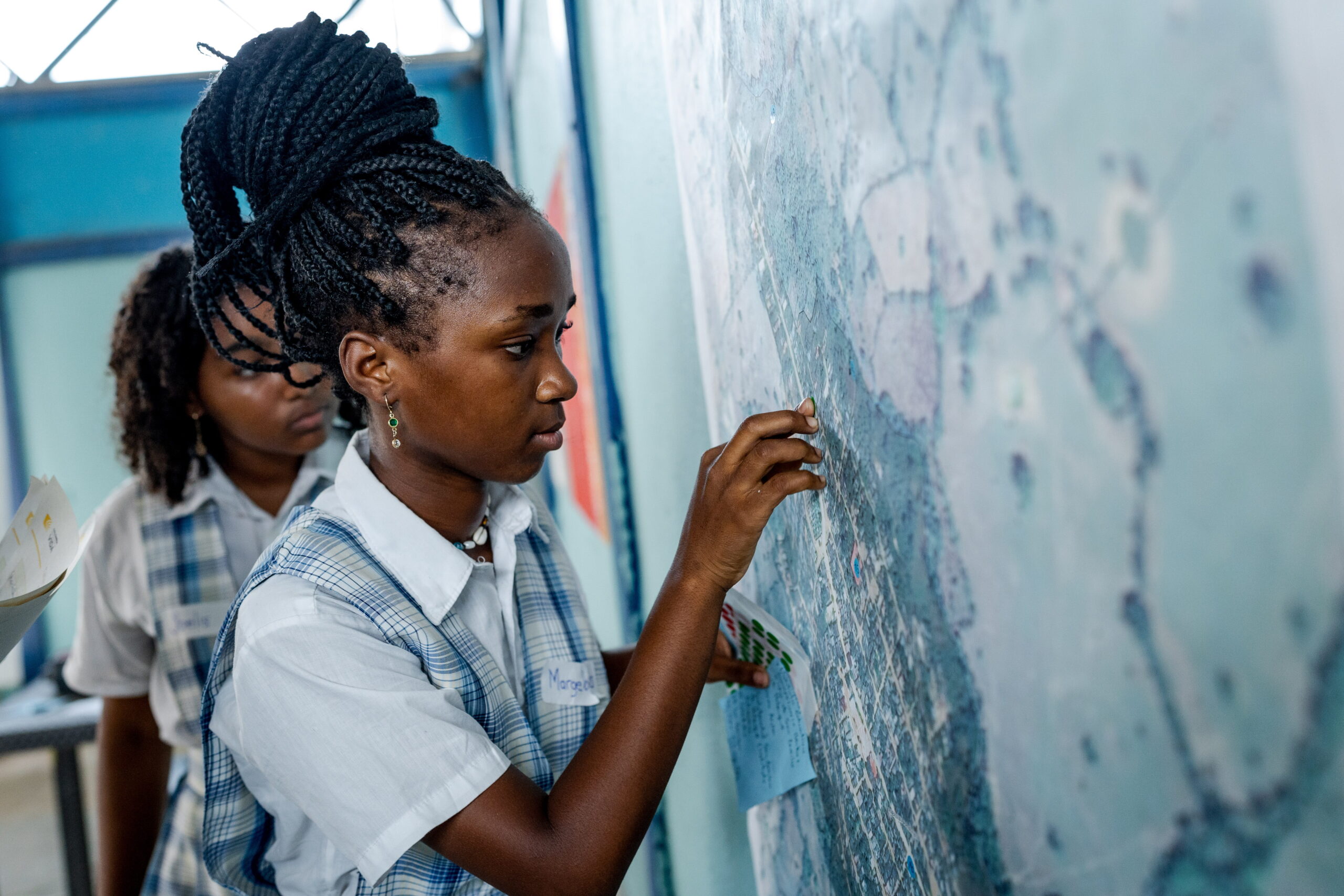
Read MoreMapping with Indigenous and local communities to help protect the Amazon
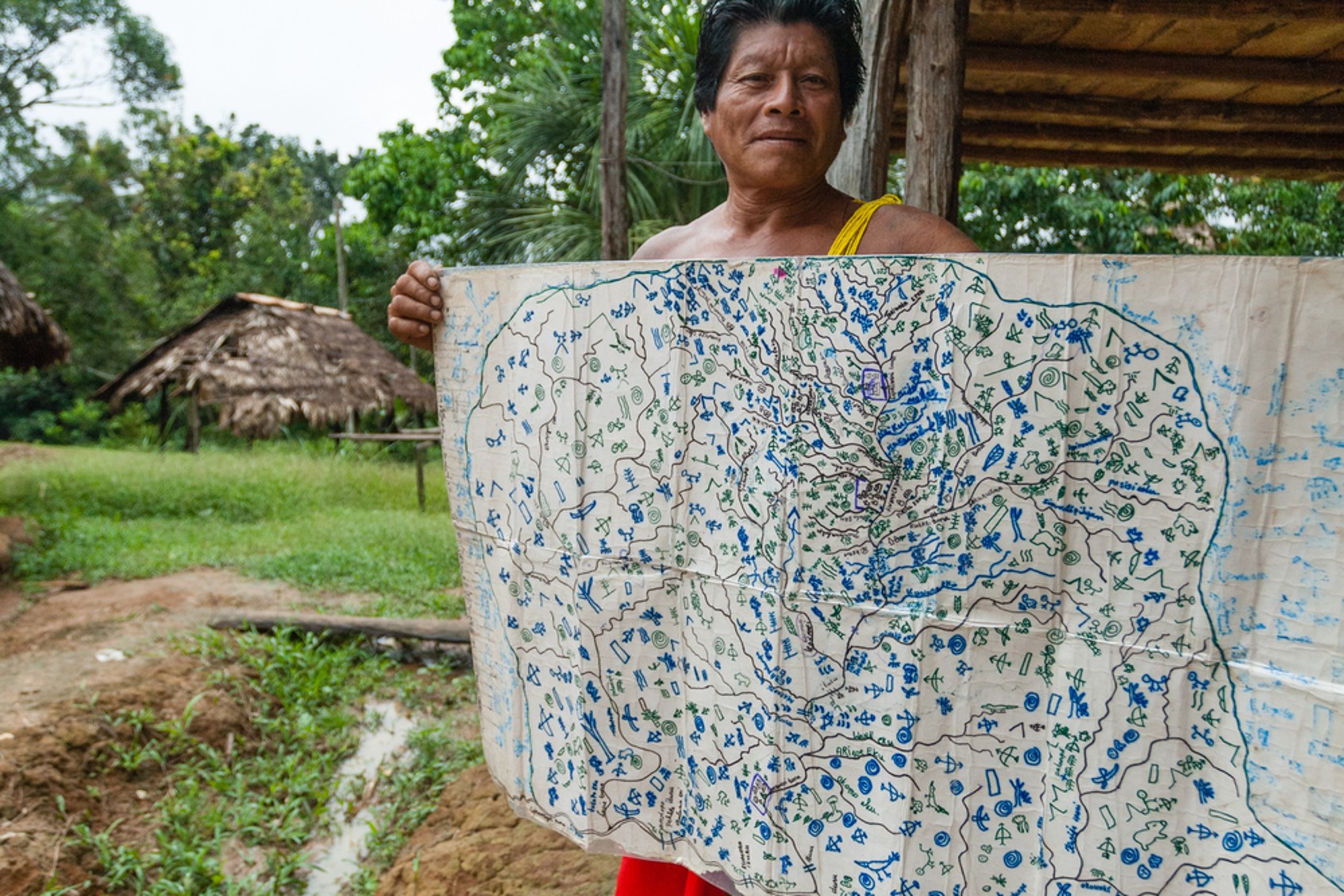
Brian Hettler, a geographer and cartographer with the Amazon Conservation Team (ACT), works with Indigenous communities in South America on participatory mapping initiatives that support indigenous land rights and rainforest conservation. Maps are more than collections of geographic coordinates or lines representing roads or country borders. They can be an expression of a community’s culture, territory, and…
Read MoreAn Amazonian Food Atlas Is Shared with the Communities That Nourished It
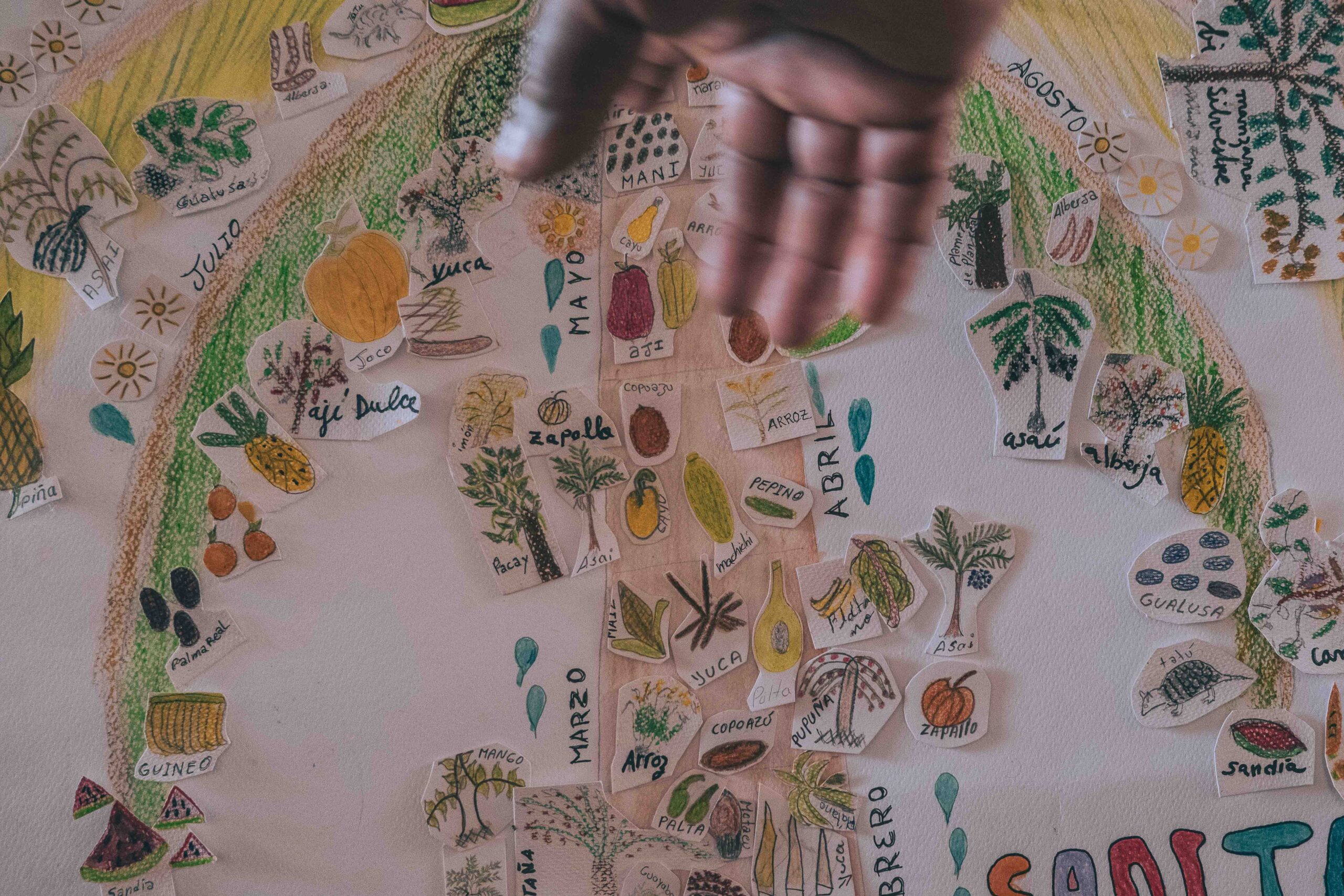
Over the last two years, fourteen communities across the Amazon have participated in a collaborative initiative to share the foods that have sustained life and cultures in their territories for generations. Their stories, knowledge, and traditional recipes were woven together into an atlas designed by the Amazon Conservation Team (ACT) as part of the World…
Read MoreCelebrating 30 Years: A Path That Began in the Amazon Continues to Expand
This year, the Amazon Conservation Team (ACT) is celebrating 30 years of biocultural conservation, an approach that recognizes the protection of local and Indigenous knowledge and culture go hand in hand with protecting the Earth’s most critical ecosystems. And the conservation solutions led by these communities are as diverse as the cultures and geographic regions…
Read MoreGrowing the Next Generation of Indigenous Leaders in Colombia
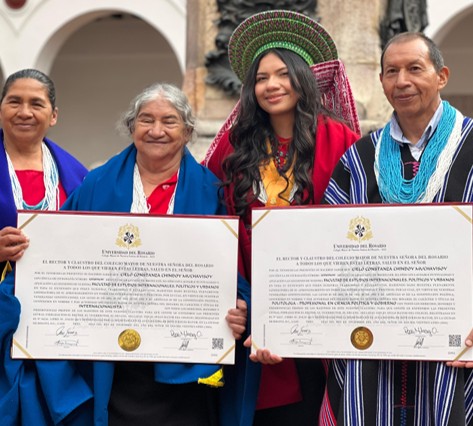
When Indigenous students leave their communities to pursue higher education, they often face a difficult question: How can they gain new knowledge and opportunities without losing connection to the territories, cultures, and communities that shaped them? For us, the answer lies in investing in Indigenous youth while strengthening their ties to home. Through ACT’s Fellowship Program, Indigenous students from…
Read MoreThe Indigenous women protecting the Colombian Amazon by boat
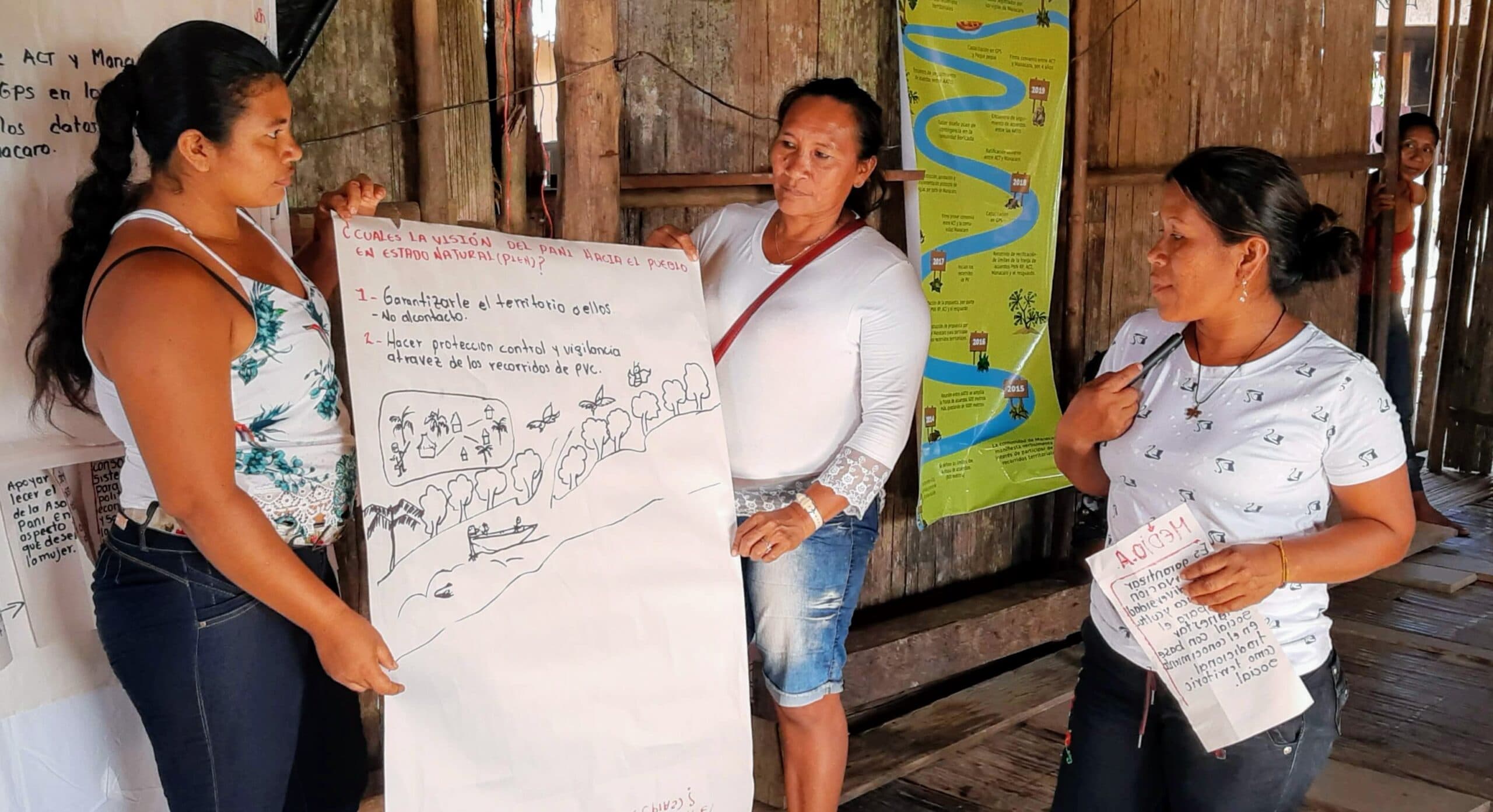
In the Indigenous community of Manacaro in the Colombian Amazon, women are helping to lead the work of territorial protection. Several times a week, Delia Gittoma, an Indigenous leader of the Carijóna people, sets out in a small, motorized boat to record animal species and human activity, and document threats to the forest. One person operates the motor, and the other collects data in…
Read MoreSierra Nevada de Santa Marta Receives a New Level of Protection
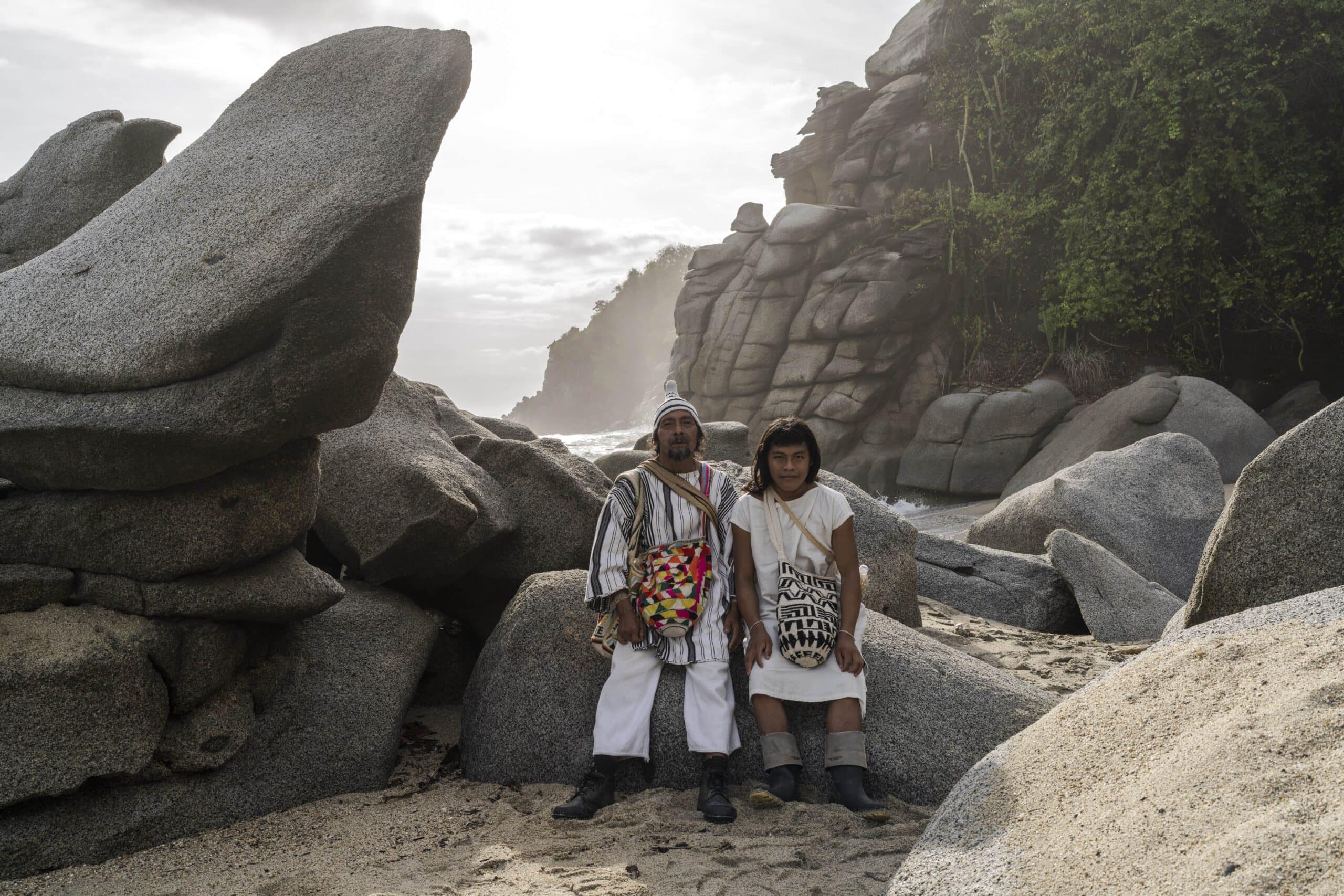
The Amazon Conservation Team (ACT) celebrates the Colombian government’s recent decision to permanently designate the Sierra Nevada de Santa Marta — known to its Indigenous peoples as the Heart of the World — as a Renewable Natural Resources Reserve. Formalized through Resolution 0663 of 2026, issued by Colombia’s Ministry of Environment and Sustainable Development, this sweeping protection covers more…
Read MoreThe Invisible Pollinators of the Amazon
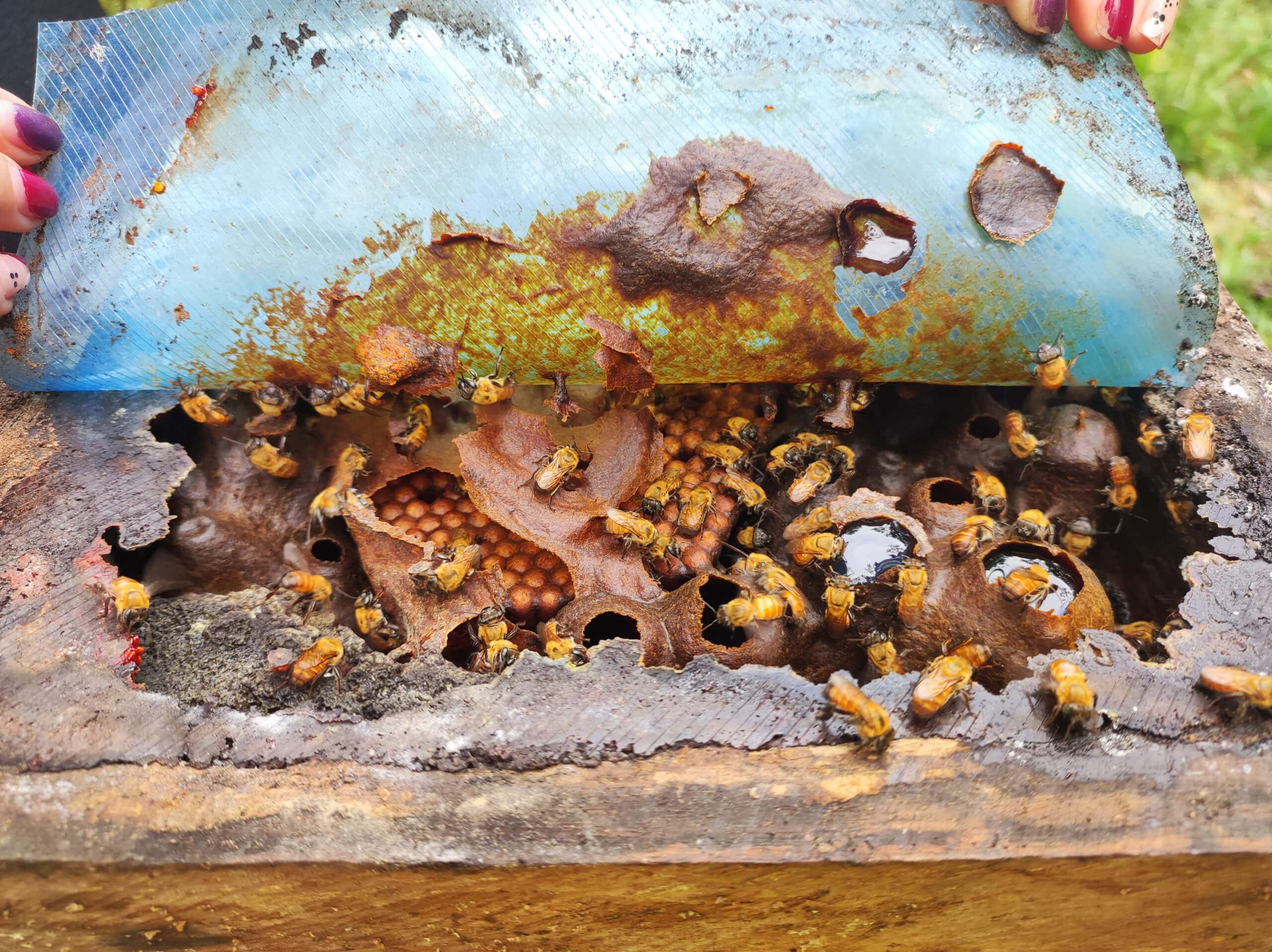
How stingless bees are helping communities protect forests, preserve knowledge, and build sustainable futures When people think of bees, they usually imagine the common honeybee. But across the Amazon, hundreds of native stingless bee species quietly sustain forests, food systems, and cultural traditions, often without being noticed at all. Hidden inside hollow trees and deep…
Read MoreA Bridge Between the Sierra and the World
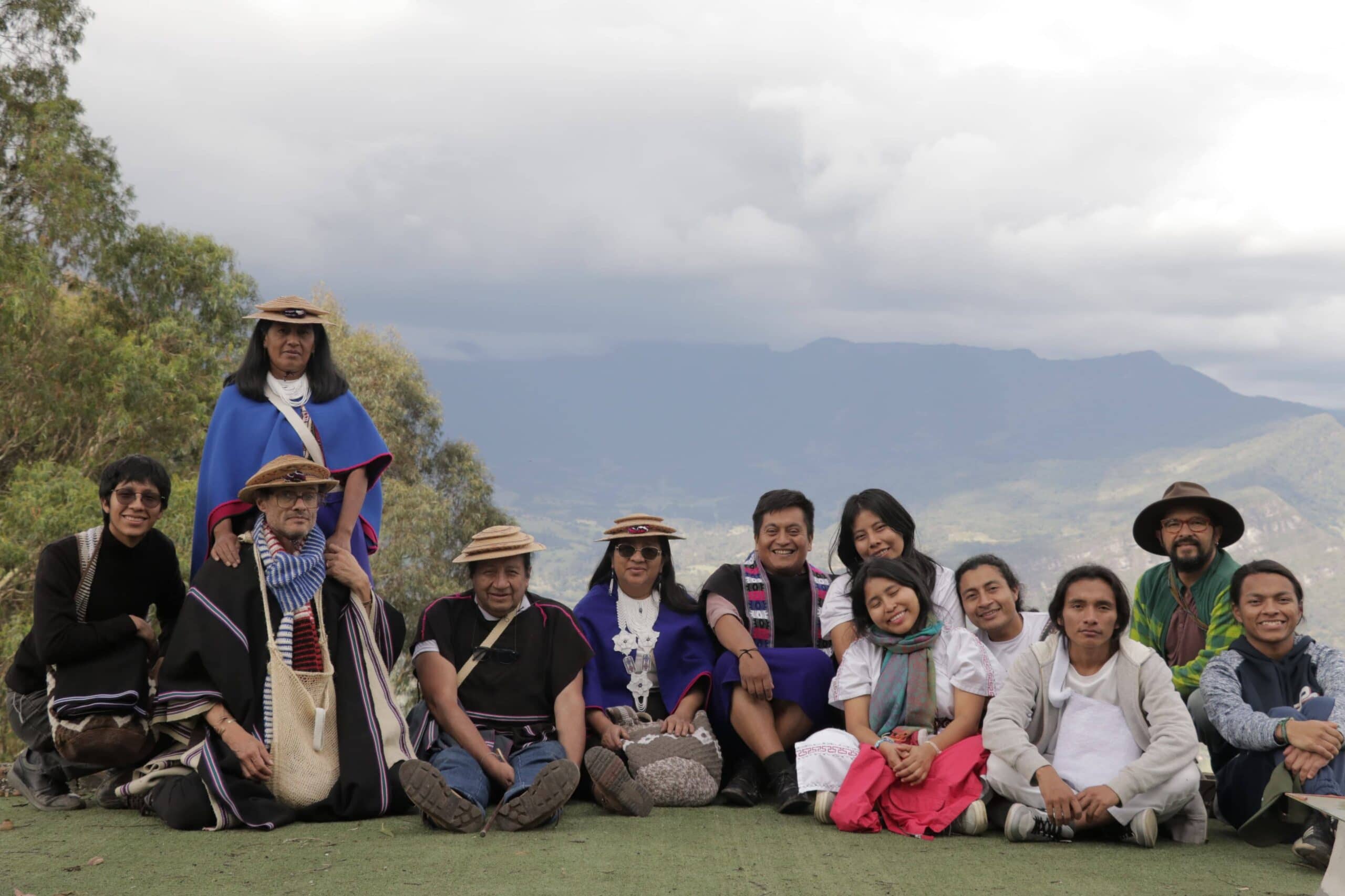
Ati Villafañe grew up on Colombia’s northern coast, going between the city of Santa Marta and her ancestral village of Kutunsama, which for the Arhuaco Indigenous people means “the root of knowledge.” Ati is one of seven Indigenous students from Colombia who are part of a scholarship program supported by the Amazon Conservation Team (ACT) and the Universidad Externado de Colombia in Bogota. For the scholarship students, the goal is not to leave their territory behind: instead, they are encouraged…
Read More