

Posts by Barbara Illana
From Maps to Action: How Participatory Mapping Can Strengthen Community Leadership
At Climate Week NYC, Amazon Conservation Team, Esri, Humanitarian OpenStreetMap Team, and Solutions Insights Lab explored how community-generated data can support conservation, territorial rights, disaster response, and local decision-making. Maps can show where a forest stands, where a river runs, or where a community’s territory begins. Participatory mapping can do even more: it can help…
Read MoreMapping for Protection: Safeguarding Indigenous Peoples Living in Voluntary Isolation
At Climate Week NYC, Indigenous leaders and conservation practitioners discussed how mapping and technology can help protect Indigenous Peoples Living in Voluntary Isolation while respecting their right to remain unseen. Indigenous Peoples Living in Voluntary Isolation have chosen to maintain distance from wider society, often as a way of protecting their lives, cultures, and territories…
Read MoreColombia Earthquake Response: Supporting 1,500 Families Across Five Departments
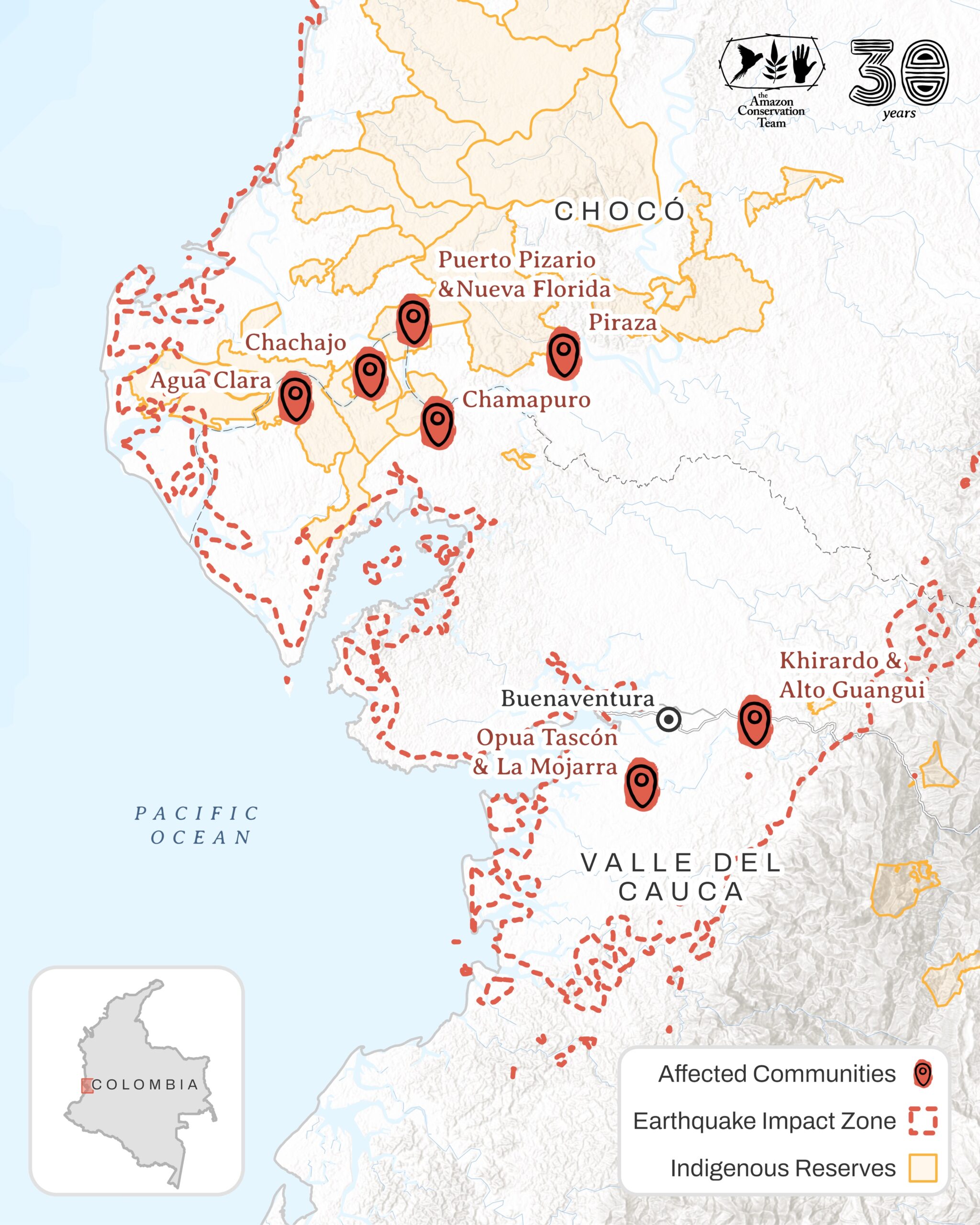
August 27, 2026 Following the 7.4 magnitude earthquake that struck Colombia on August 10, the Amazon Conservation Team (ACT) in Colombia has been working with Indigenous and Afro-descendant organizations and territorial authorities to identify needs and coordinate an initial humanitarian response. To date, 1,500 beneficiary families have been confirmed for support across Valle del Cauca,…
Read MoreEvery Restoration Begins with a Seed
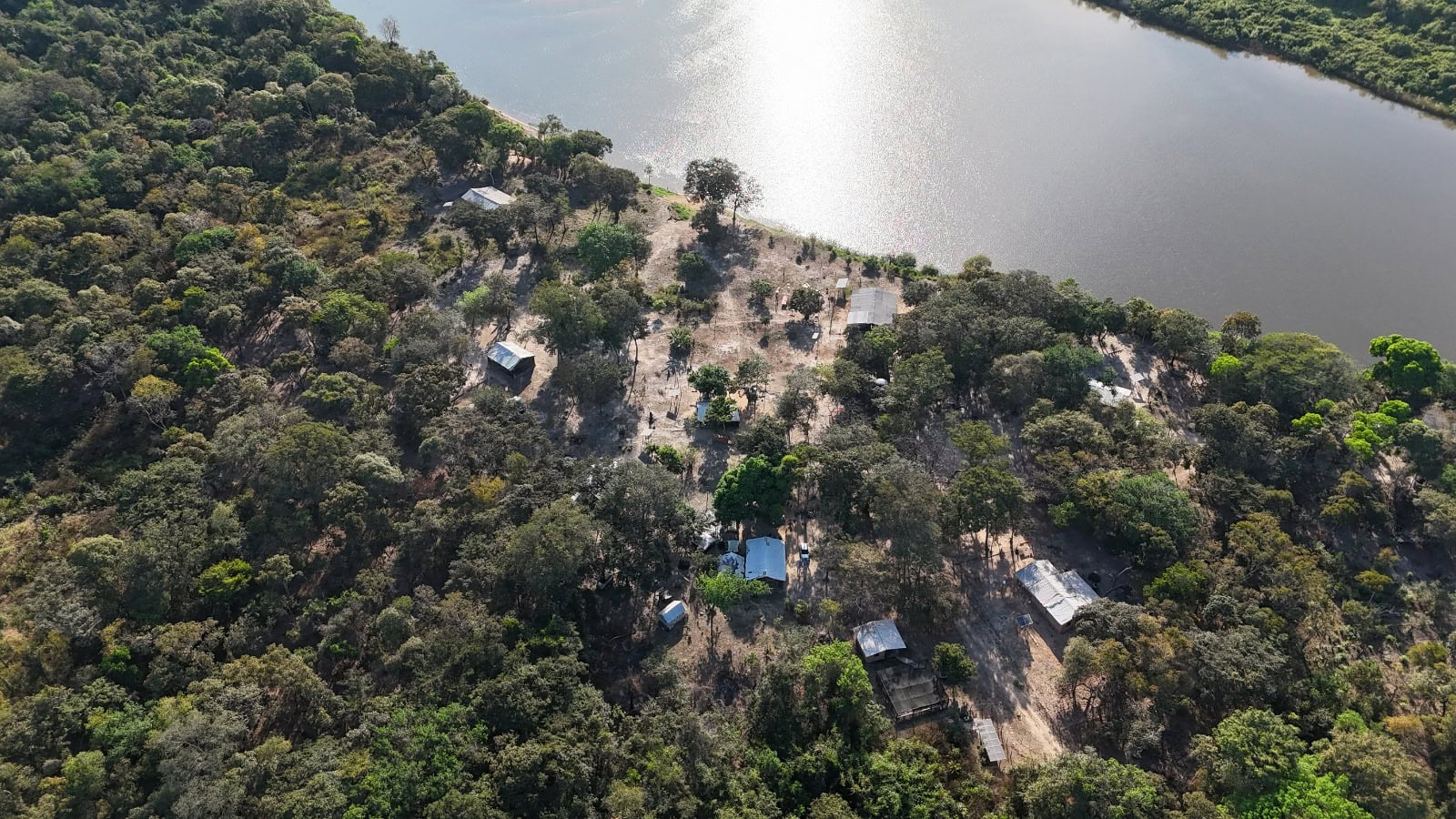
Discover the Agrobiodiversity in Tocantins project, an initiative that brings together productive landscape restoration, Indigenous knowledge, and territorial protection. Restoring a territory requires more than recovering degraded land. It means protecting water sources, helping biodiversity thrive, strengthening food production, and ensuring that future generations inherit territories rich in life, biodiversity, culture, and memory. For Indigenous…
Read MoreThe Nadëb and Kanamary Peoples Launch Territorial and Environmental Management Plans (PGTAs), Reinforcing a Collective Commitment to Protecting Their Territories and Upholding Their Rights
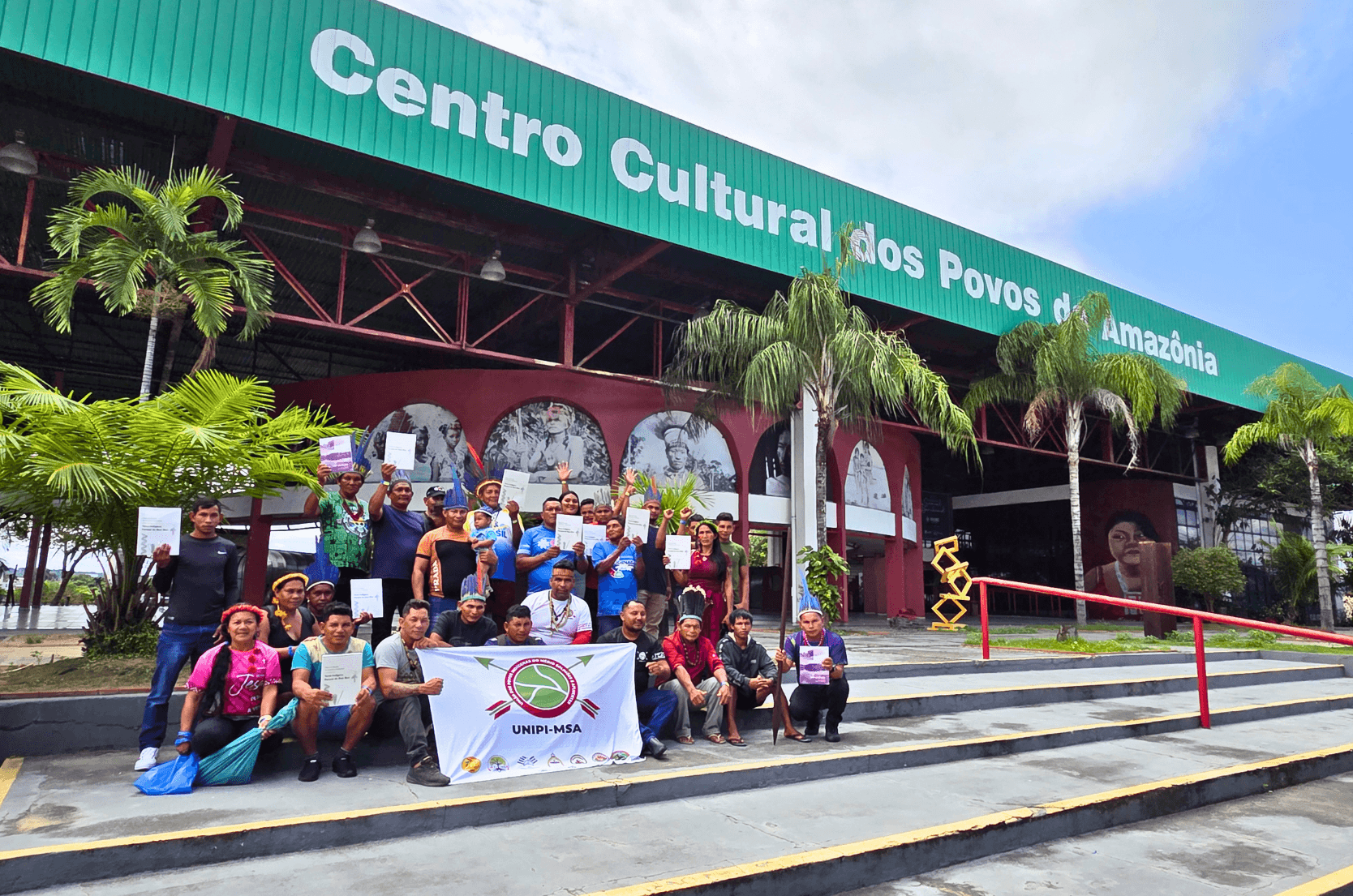
On July 7, 2026, Indigenous leaders, representatives of civil society organizations, public agencies, and partner institutions gathered in Manaus in the Brazilian state of Amazonas to celebrate the launch of the Territorial and Environmental Management Plans (PGTAs) for the Paraná do Boá-Boá and Uneiuxi Indigenous Territories. Developed by the Indigenous Peoples themselves over years of dialogue and collective planning, the documents represent more than management…
Read MoreHow Technology Is Empowering Indigenous-Led Coastal Conservation
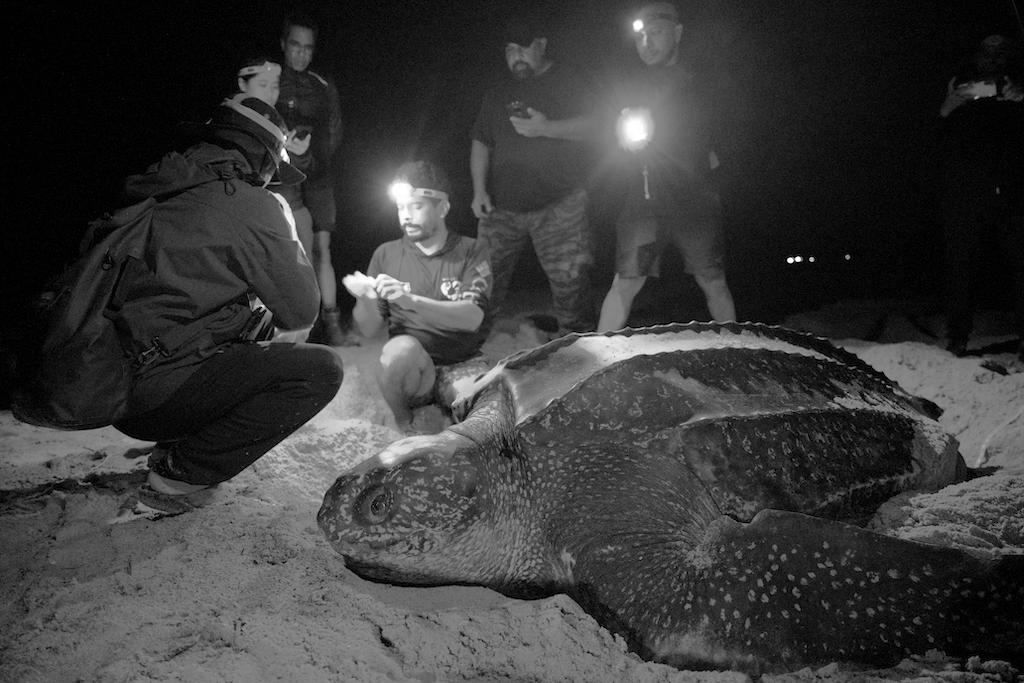
Insights from Juan Carlos Cruz, Manager, Science & Conservation, ACT’s Ancestral Tides Program When people think about conservation technology, they often picture satellite transmitters, GPS devices, drones, or digital mapping. But for the Amazon Conservation Team’s (ACT’s) Ancestral Tides program, technology is only part of the story. Across the coasts of Latin America, Indigenous Peoples and local communities are , with…
Read MoreHow Indigenous Communities Are Shaping the Future of Coastal Conservation
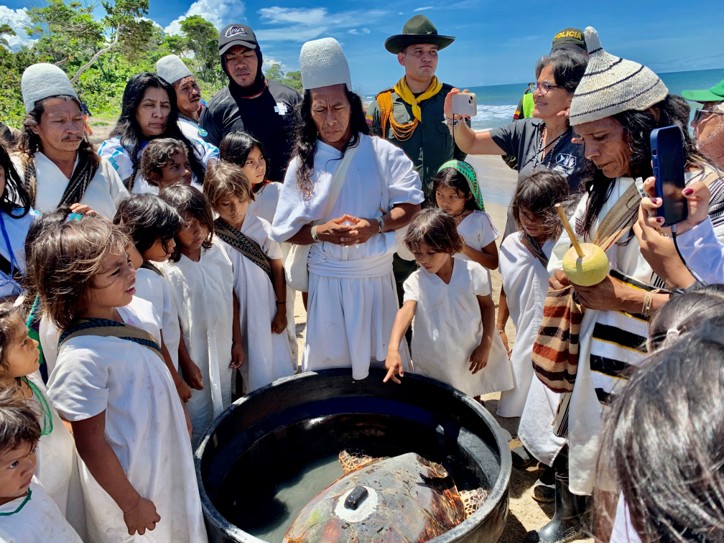
Insights from Juan Carlos Cruz, Manager, Science & Conservation, ACT Ancestral Tides Program For nearly 30 years, the Amazon Conservation Team (ACT) has partnered with Indigenous peoples to protect tropical forests and strengthen biocultural conservation across the Amazon. Today, that same collaborative approach extends beyond the rainforest and into some of Latin America’s most important coastal ecosystems. Through Ancestral Tides,…
Read MoreGrowing the Next Generation of Indigenous Leaders in Colombia
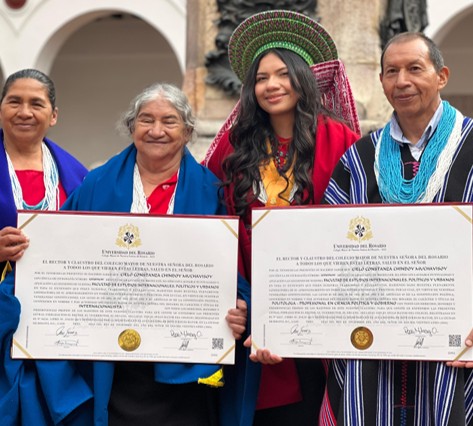
When Indigenous students leave their communities to pursue higher education, they often face a difficult question: How can they gain new knowledge and opportunities without losing connection to the territories, cultures, and communities that shaped them? For us, the answer lies in investing in Indigenous youth while strengthening their ties to home. Through ACT’s Fellowship Program, Indigenous students from…
Read MoreSea Turtle Week: 7 Species, One Ocean, One Shared Future
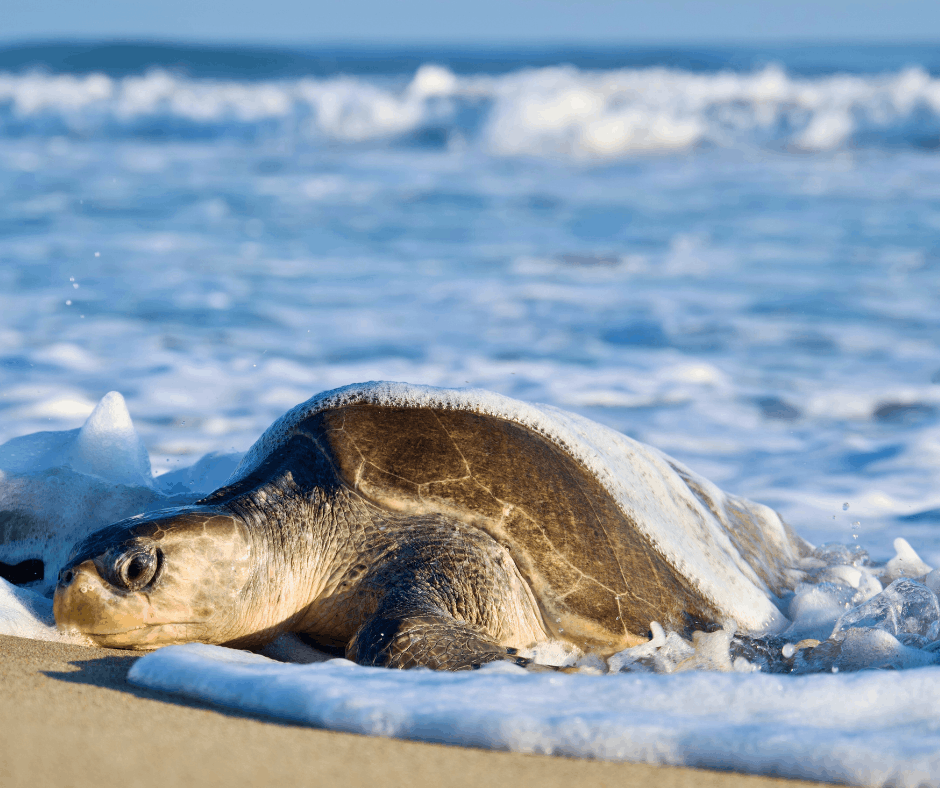
Sea turtles have traveled the world’s oceans for millions of years. They connect marine ecosystems across vast distances, helping maintain the health of coral reefs, seagrass meadows, coastal habitats, and open oceans. Today, all seven species of sea turtle face growing threats, including habitat loss, plastic pollution, fisheries bycatch, climate change, and coastal development. Yet each species…
Read MoreThe Invisible Pollinators of the Amazon
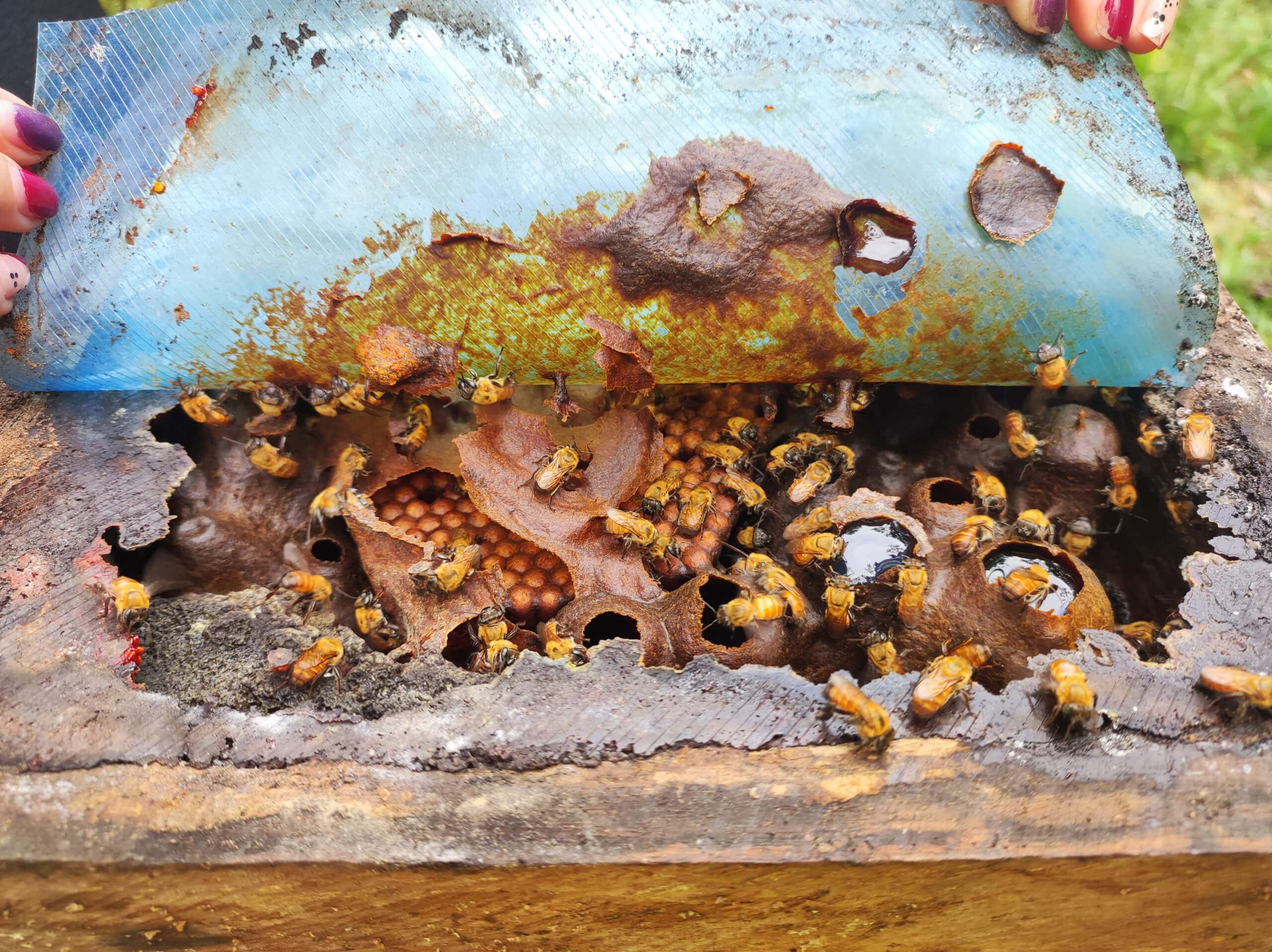
How stingless bees are helping communities protect forests, preserve knowledge, and build sustainable futures When people think of bees, they usually imagine the common honeybee. But across the Amazon, hundreds of native stingless bee species quietly sustain forests, food systems, and cultural traditions, often without being noticed at all. Hidden inside hollow trees and deep…
Read More