

Every Restoration Begins with a Seed
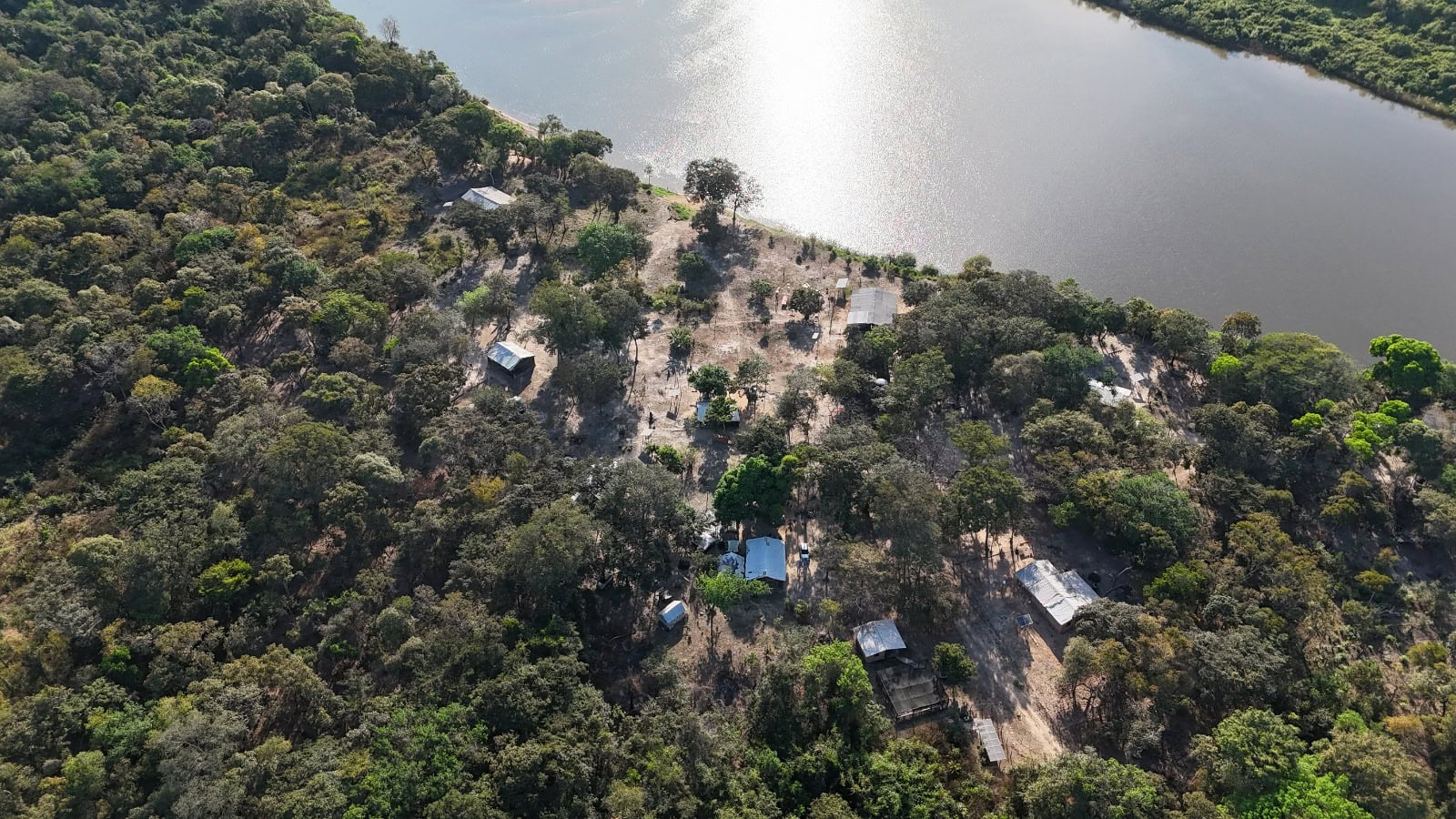
Discover the Agrobiodiversity in Tocantins project, an initiative that brings together productive landscape restoration, Indigenous knowledge, and territorial protection. Restoring a territory requires more than recovering degraded land. It means protecting water sources, helping biodiversity thrive, strengthening food production, and ensuring that future generations inherit territories rich in life, biodiversity, culture, and memory. For Indigenous…
Read MoreMapping with Indigenous and local communities to help protect the Amazon
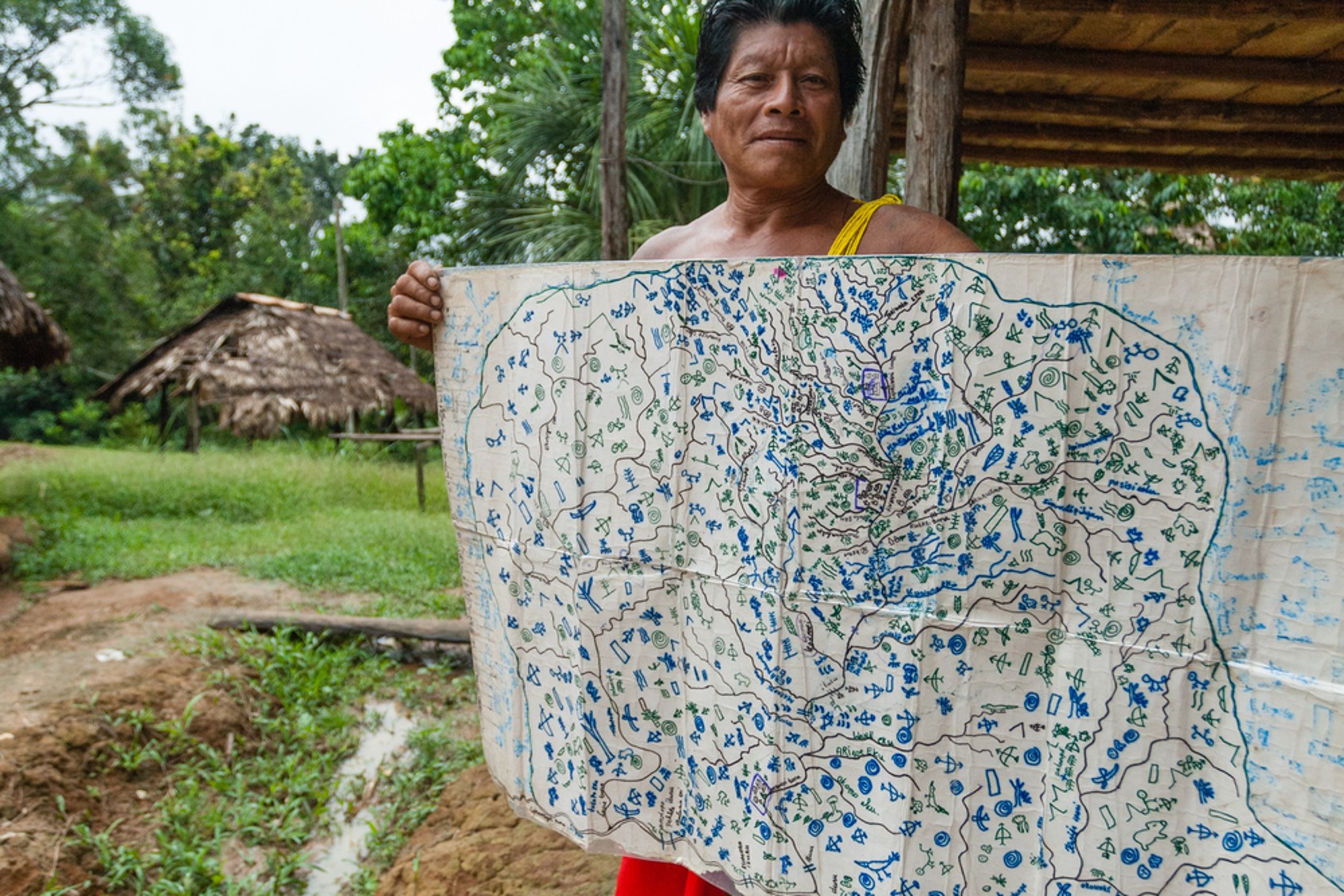
Brian Hettler, a geographer and cartographer with the Amazon Conservation Team (ACT), works with Indigenous communities in South America on participatory mapping initiatives that support indigenous land rights and rainforest conservation. Maps are more than collections of geographic coordinates or lines representing roads or country borders. They can be an expression of a community’s culture, territory, and…
Read MoreThe Nadëb and Kanamary Peoples Launch Territorial and Environmental Management Plans (PGTAs), Reinforcing a Collective Commitment to Protecting Their Territories and Upholding Their Rights
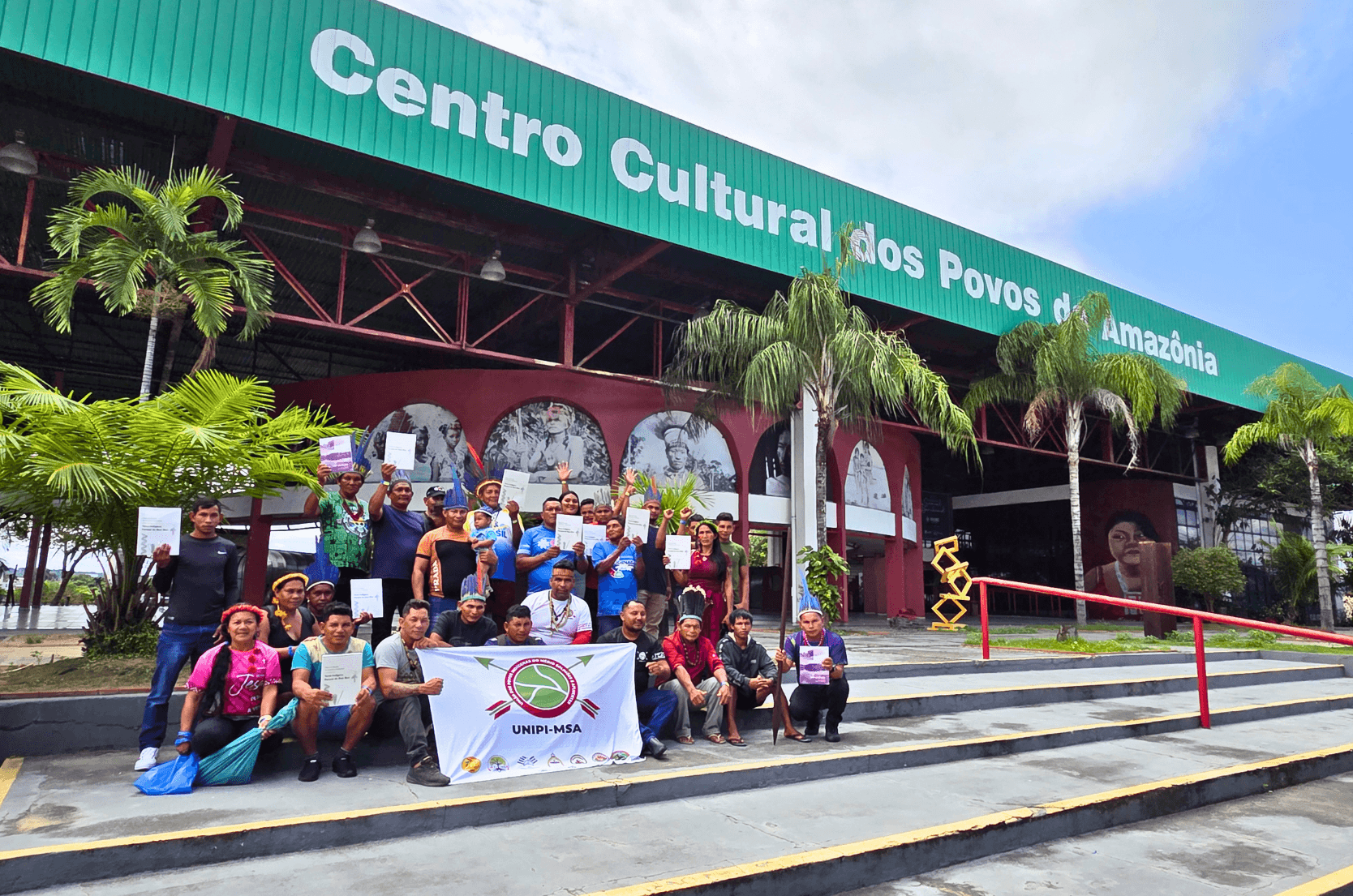
On July 7, 2026, Indigenous leaders, representatives of civil society organizations, public agencies, and partner institutions gathered in Manaus in the Brazilian state of Amazonas to celebrate the launch of the Territorial and Environmental Management Plans (PGTAs) for the Paraná do Boá-Boá and Uneiuxi Indigenous Territories. Developed by the Indigenous Peoples themselves over years of dialogue and collective planning, the documents represent more than management…
Read MoreAn Amazonian Food Atlas Is Shared with the Communities That Nourished It
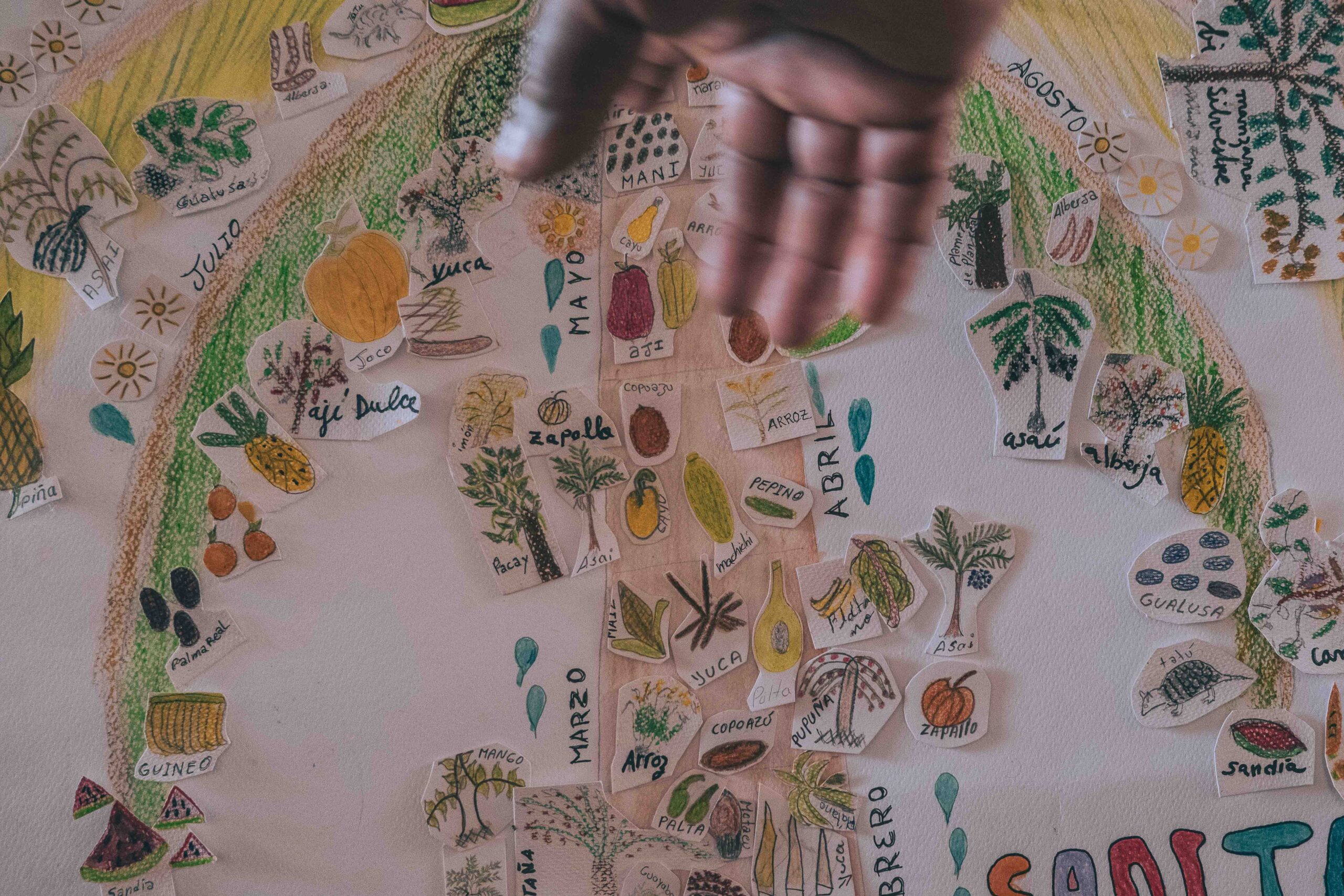
Over the last two years, fourteen communities across the Amazon have participated in a collaborative initiative to share the foods that have sustained life and cultures in their territories for generations. Their stories, knowledge, and traditional recipes were woven together into an atlas designed by the Amazon Conservation Team (ACT) as part of the World…
Read MoreCelebrating 30 Years: A Path That Began in the Amazon Continues to Expand
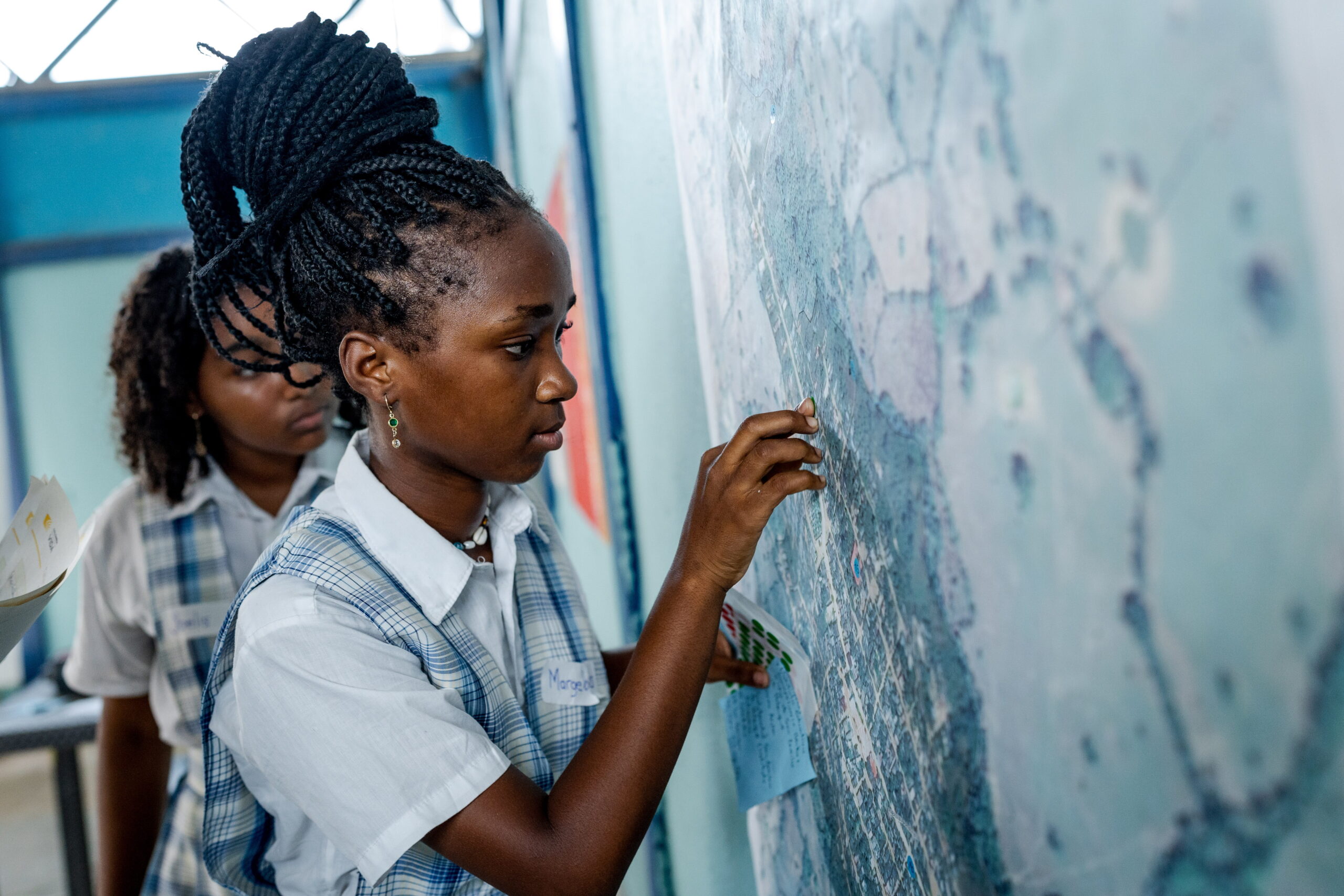
This year, the Amazon Conservation Team (ACT) is celebrating 30 years of biocultural conservation, an approach that recognizes the protection of local and Indigenous knowledge and culture go hand in hand with protecting the Earth’s most critical ecosystems. And the conservation solutions led by these communities are as diverse as the cultures and geographic regions…
Read MoreFrom Territory to Global Dialogue: “One Health” Connects Indigenous Knowledge and Public Policy
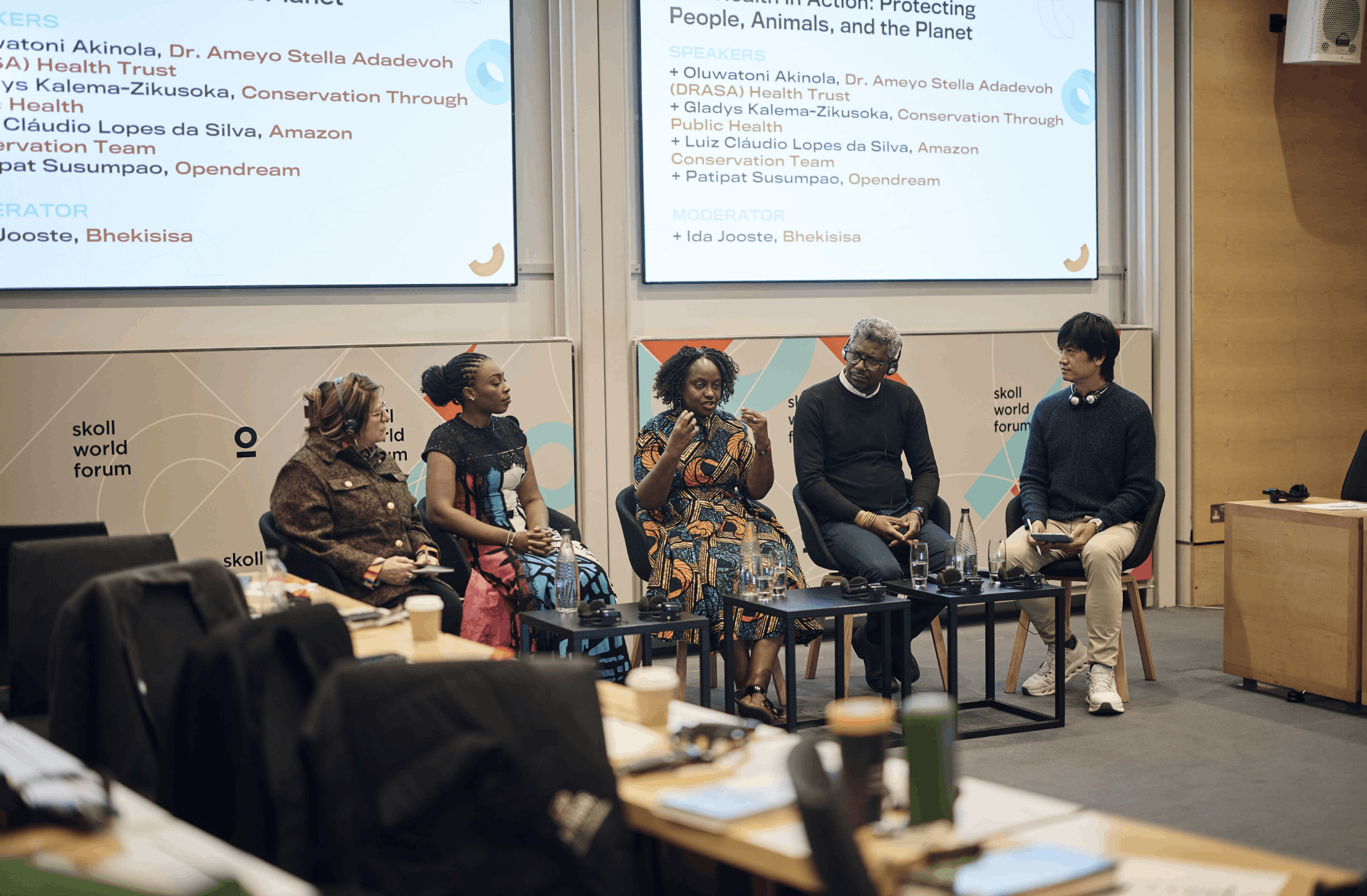
Global discussions on climate, health, and development have increasingly pointed to the need to recognize knowledge systems that already exist within territories and communities. International spaces such as the Skoll World Forum, held from April 21–24, 2026, in England, brought together leaders, organizations, and initiatives from around the world to share solutions to complex social and environmental challenges. Today, the…
Read MoreÃwa People Strengthen Environmental Restoration on Bananal Island
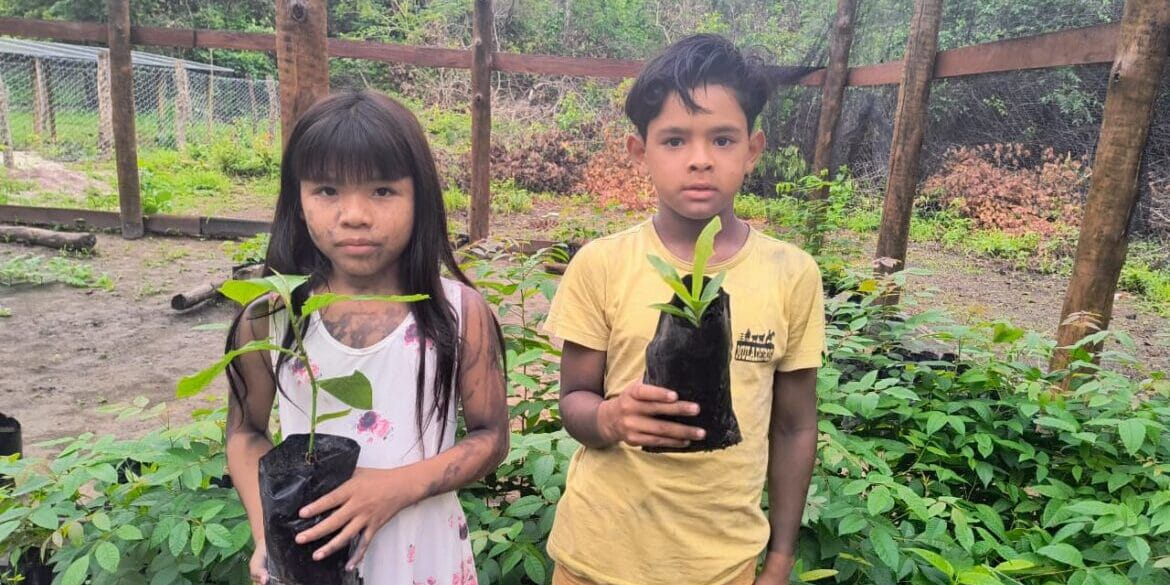
More than 800 seedlings are currently being planted across the territory through the collective work of the entire community. On Bananal Island (Tocantins, Brazil), the Ãwa people are taking new steps toward environmental restoration in their territory. Planting and forest management activities are gaining momentum through the Kawú Nursery, an initiative supported by ACT-Brasil and funded by the Overbrook Foundation and the Scheidel Foundation. Planting Advances in Flooded Areas, with Preparations for Forest…
Read MoreTikuna People Inaugurate Ancestral Museum in the Upper Solimões
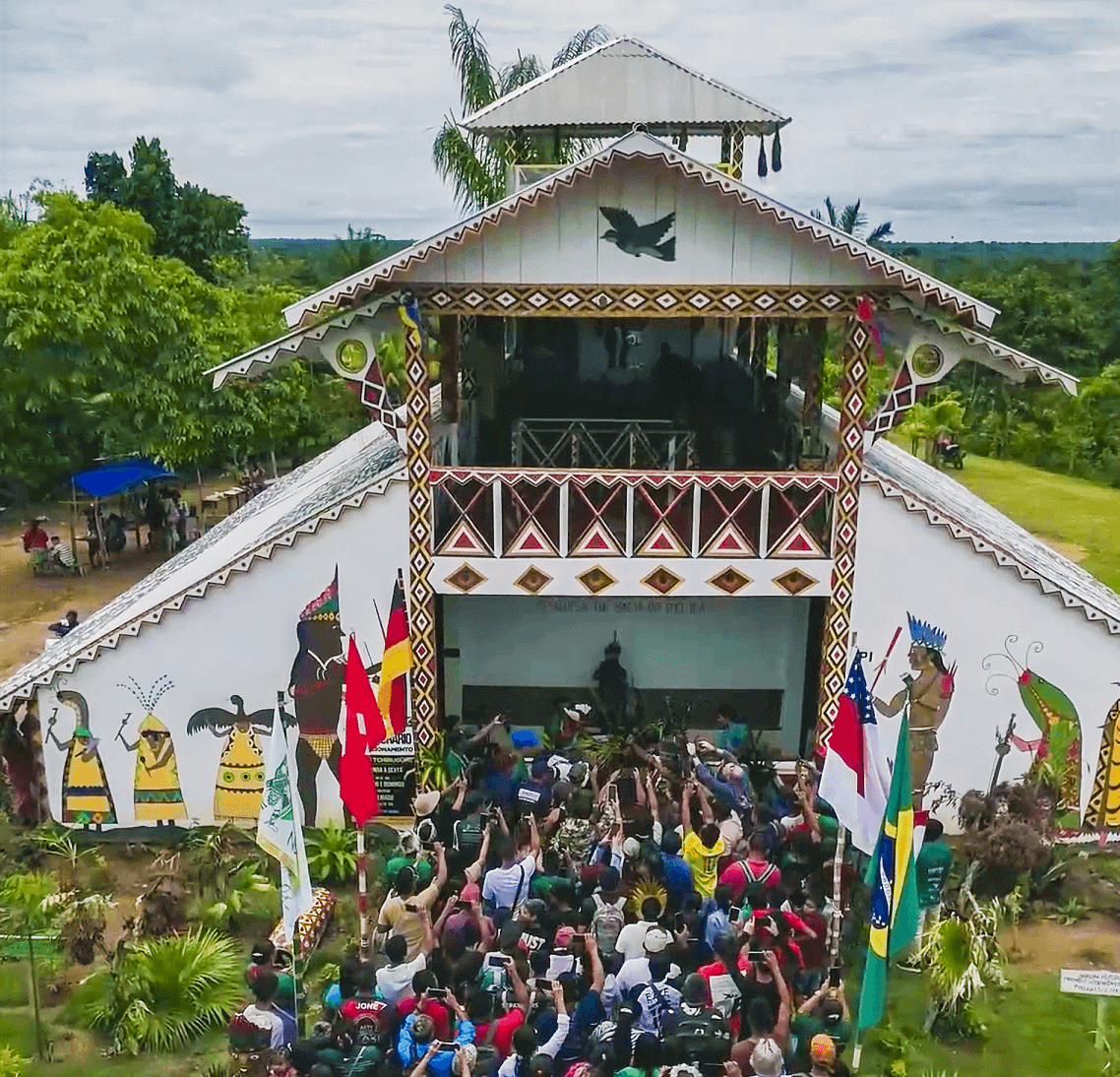
On January 24–25, the Tikuna people inaugurated the Tchirugüne Indigenous Museum in the Indigenous Community of Vila Betânia Mecürane, in the Upper Solimões region of Amazonas, Brazil.
Read MoreBetween Body and Territory: Indigenous Women Facing the Climate Crisis
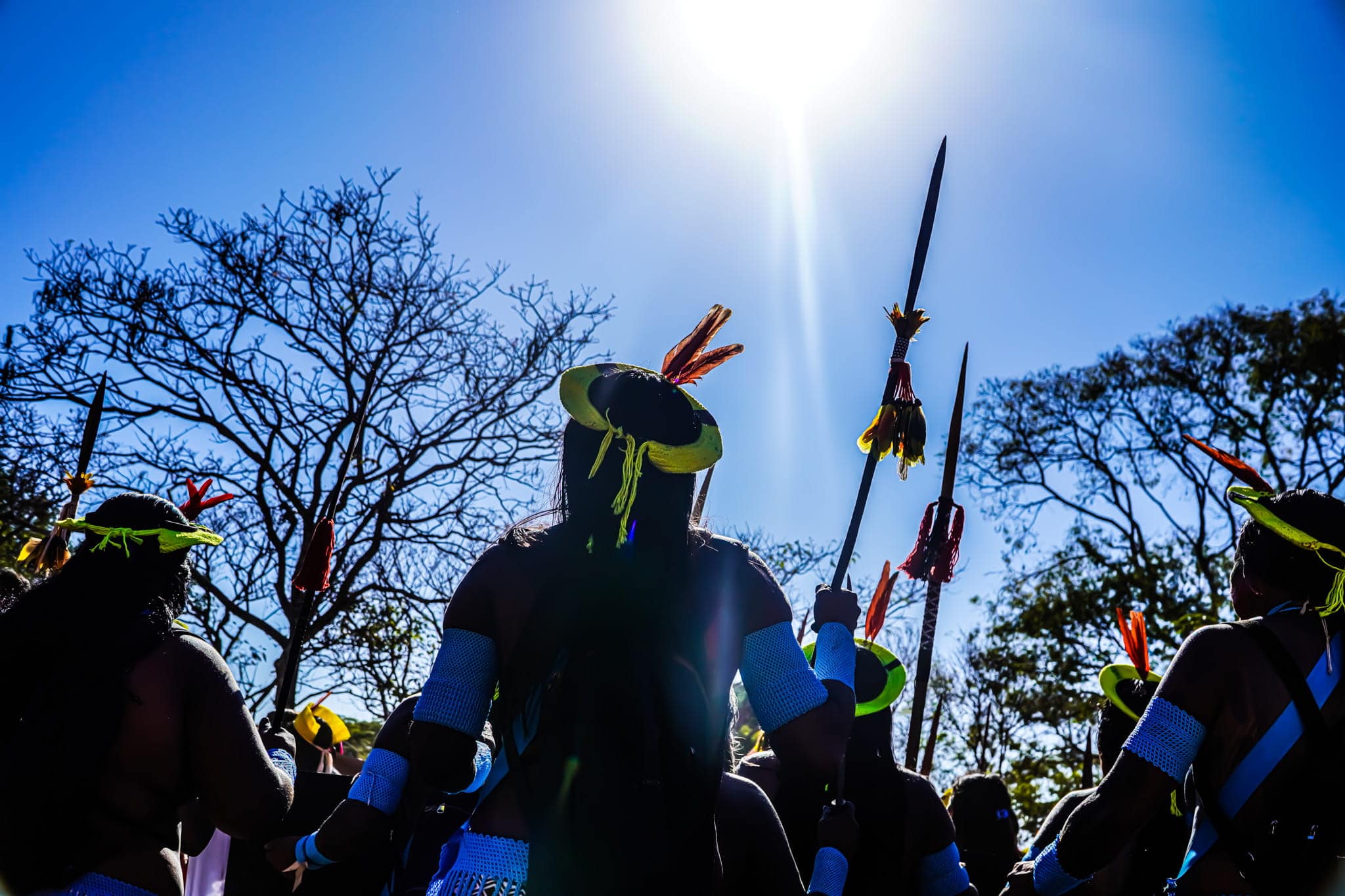
The impacts of the climate crisis on the health and ancestral knowledge of Indigenous women By Rudja Santos from Carta AmazôniaEdited by Méle Dornelas As COP30 brought the Amazon to the center of global discussions on the climate crisis at the end of 2025, the daily lives of Indigenous women reveal a dimension still largely absent from official…
Read MoreFive conservation stories to celebrate in 2025
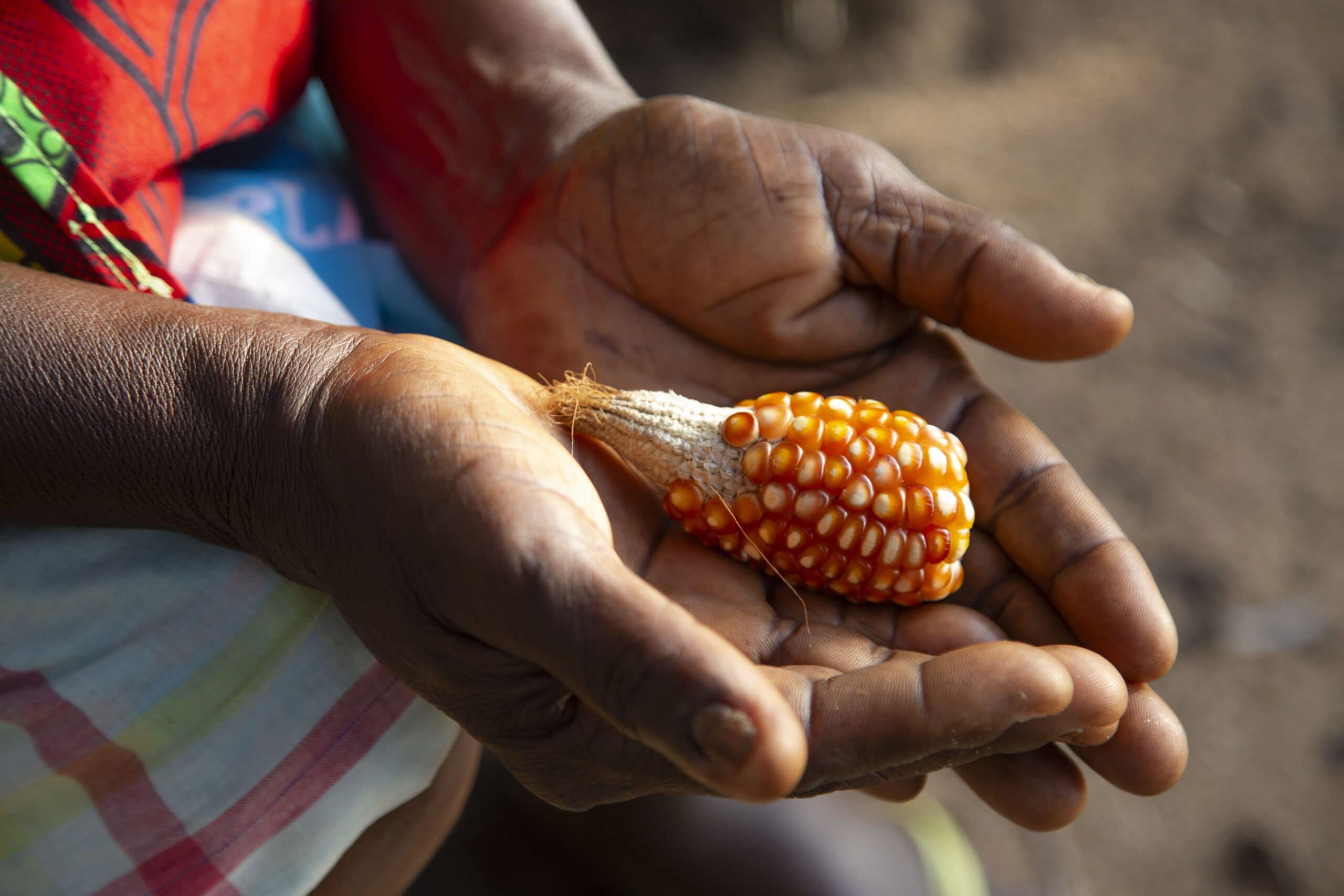
From rainforest headwaters to coastal mangroves, 2025 was a year of quiet victories and powerful partnerships. Together with Indigenous and local communities across Central and South America, we helped safeguard forests, rivers, coastlines, and wildlife—while also strengthening the food systems, livelihoods, and cultural knowledge that make those ecosystems thrive. Because in the Amazon and beyond,…
Read More