

Posts by Amazon Conservation Team
Conserving the Vast Biodiversity of the Colombian Amazon
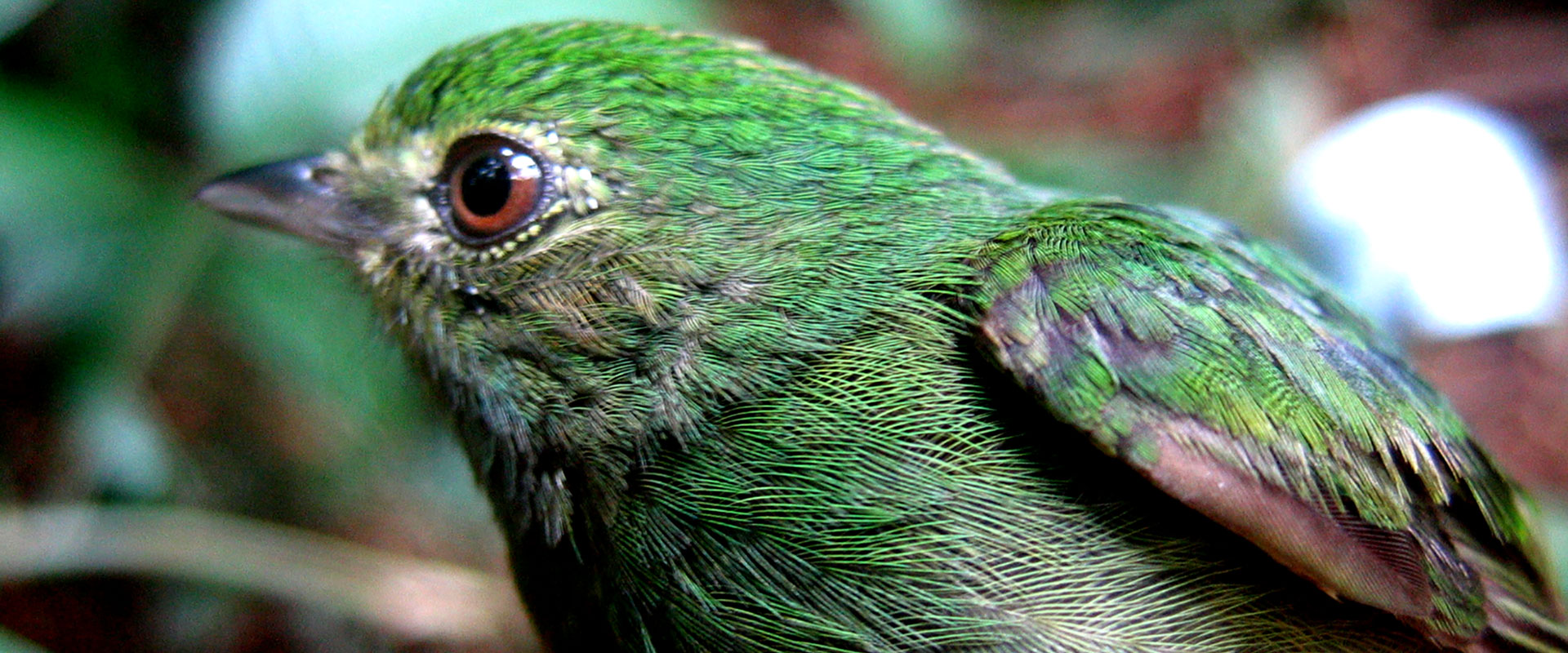
The great wealth of biodiversity present in the Amazon is at serious risk of disappearing due to several threats, which must be addressed through the joint work of the various stakeholders in the region. One of the first steps in addressing this problem is to identify which species of flora and fauna are present in…
Read MoreThe Sun through a Lamp: Solar Energy in the Colombian Amazon
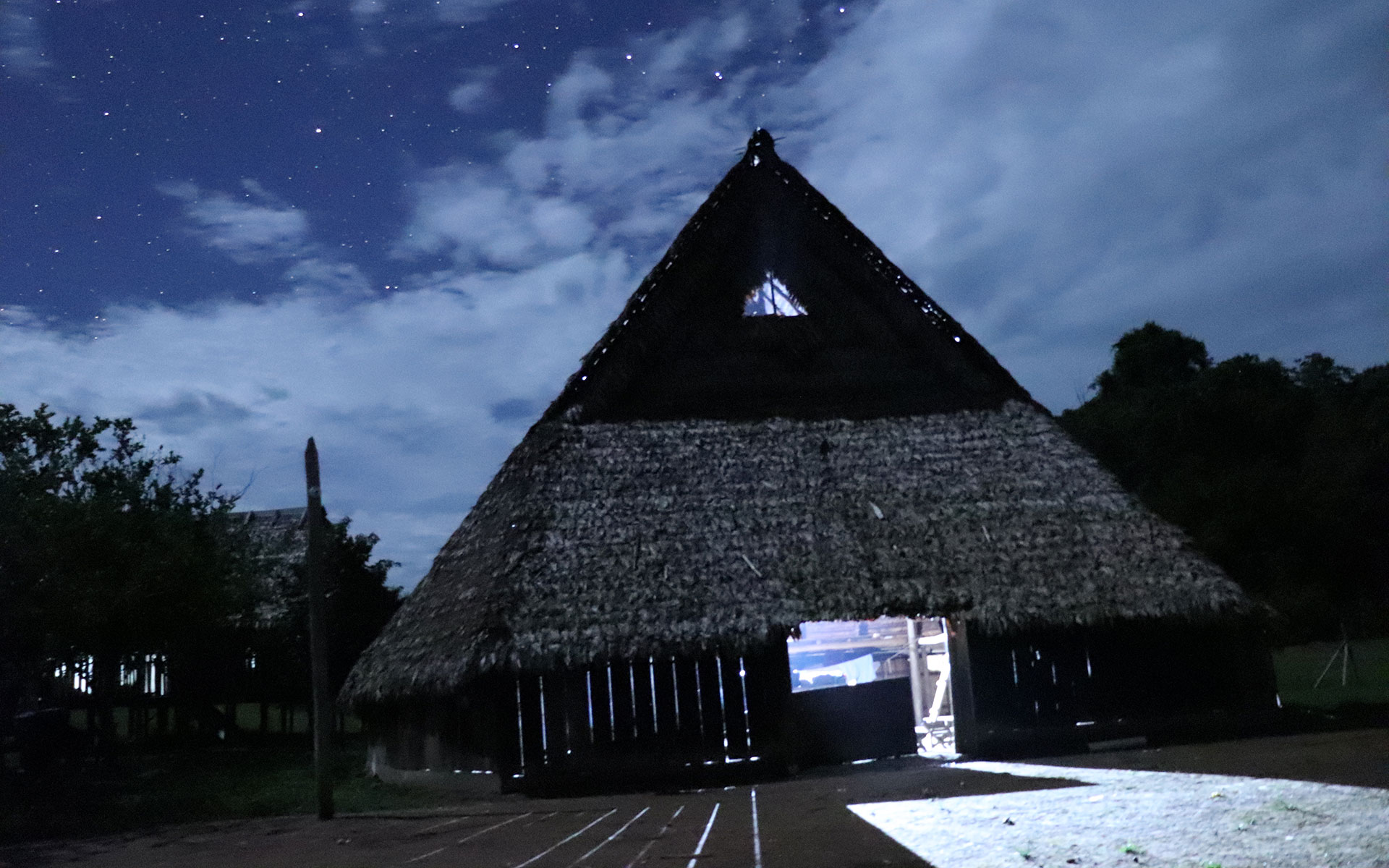
For more than seven years, we have worked with the communities of the middle and lower watersheds of Colombia’s Caquetá River, supporting them in the conservation of tropical forests and the strengthening of their local initiatives. Thanks to this common purpose, we have come to understand the needs of the indigenous and small farmer families,…
Read MoreSolar Solutions for Traditional Communities
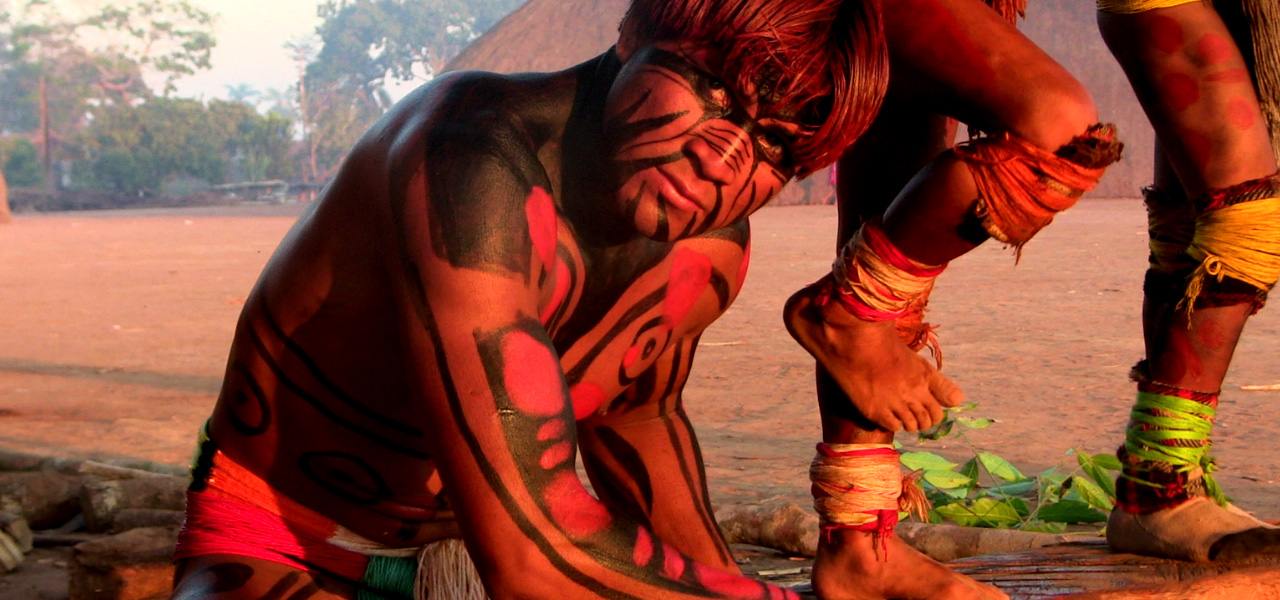
For remote forest communities, steady sources of renewable power can improve air quality, minimize tree harvesting, and provide domestic lighting for the evening work, especially important for children’s studies. In the Waura village of Ulupuene, which is situated along the banks of the Batovi River within the confines of the Xingu Indigenous Territory in Brazil,…
Read MoreA Green Dawn: Solar Energy and Community Empowerment in the Amazon Rainforest
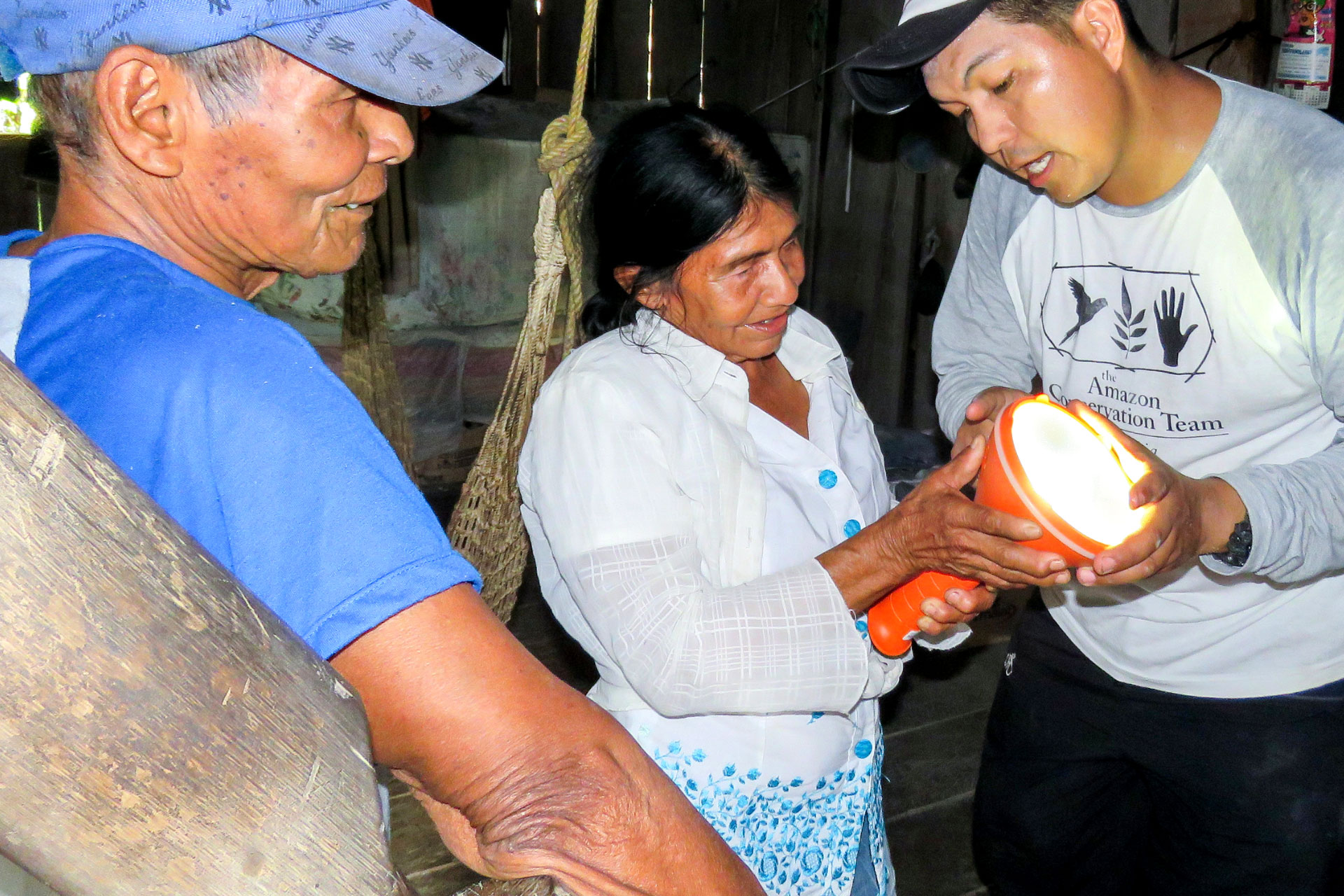
The Amazon rainforest is privileged with rich biological and cultural diversity, natural splendor, and the potential to benefit all humanity by helping to stabilize the climate. Roughly the size of the 48 contiguous United States, it covers some 40 percent of the South American continent and includes parts of nine countries. It is also one…
Read MoreThe River School: Indigenous Communities Learning & Working Together for the Protection of Key Ecosystems in Colombia
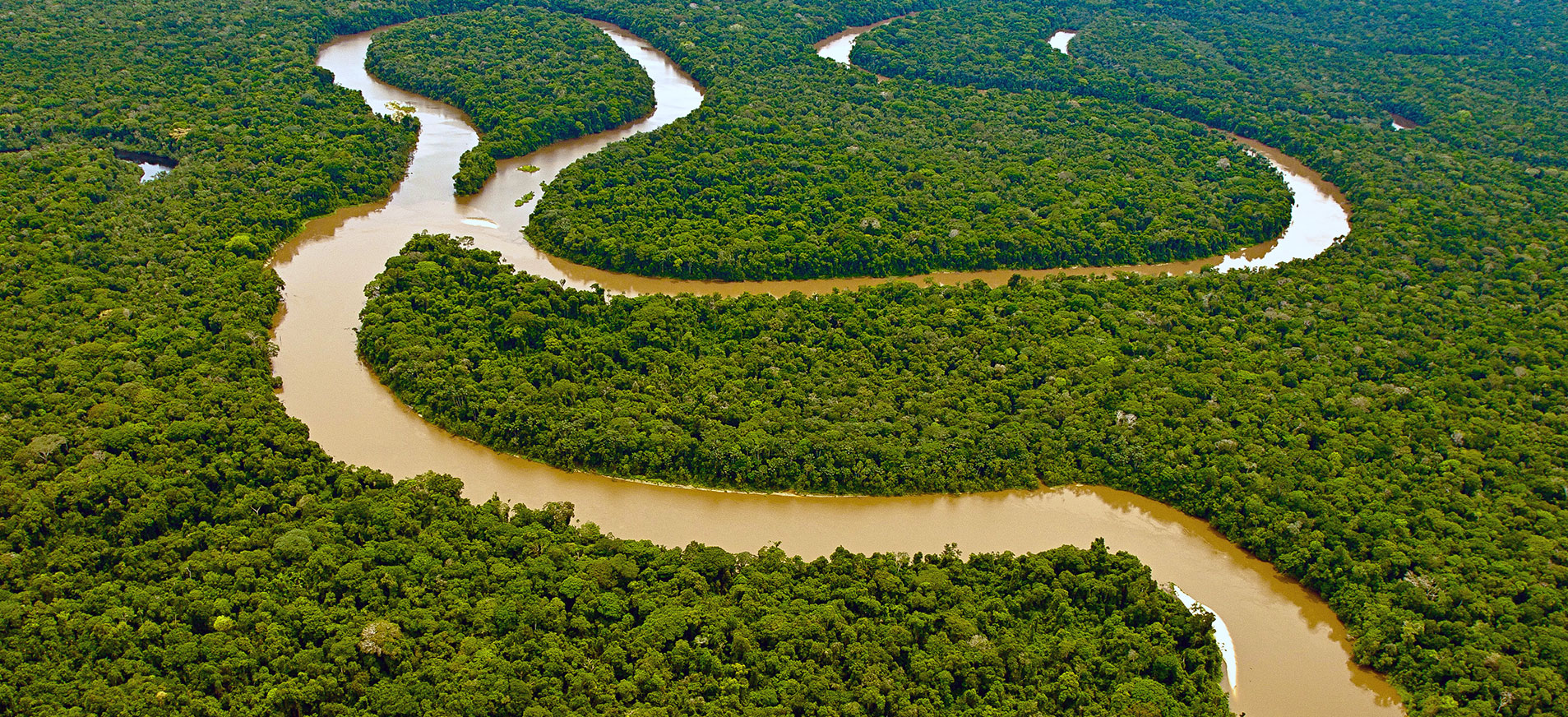
Throughout ACT’s more than 20 years of conservation and indigenous rights work in South America, one of the greatest challenges our partner communities voice is the gaining of effective control over their territories. Conspicuously, many countries have legal means through which local autonomy can be achieved, but the communities still need the basic skills necessary…
Read MoreLand and history among the Matawai of Suriname
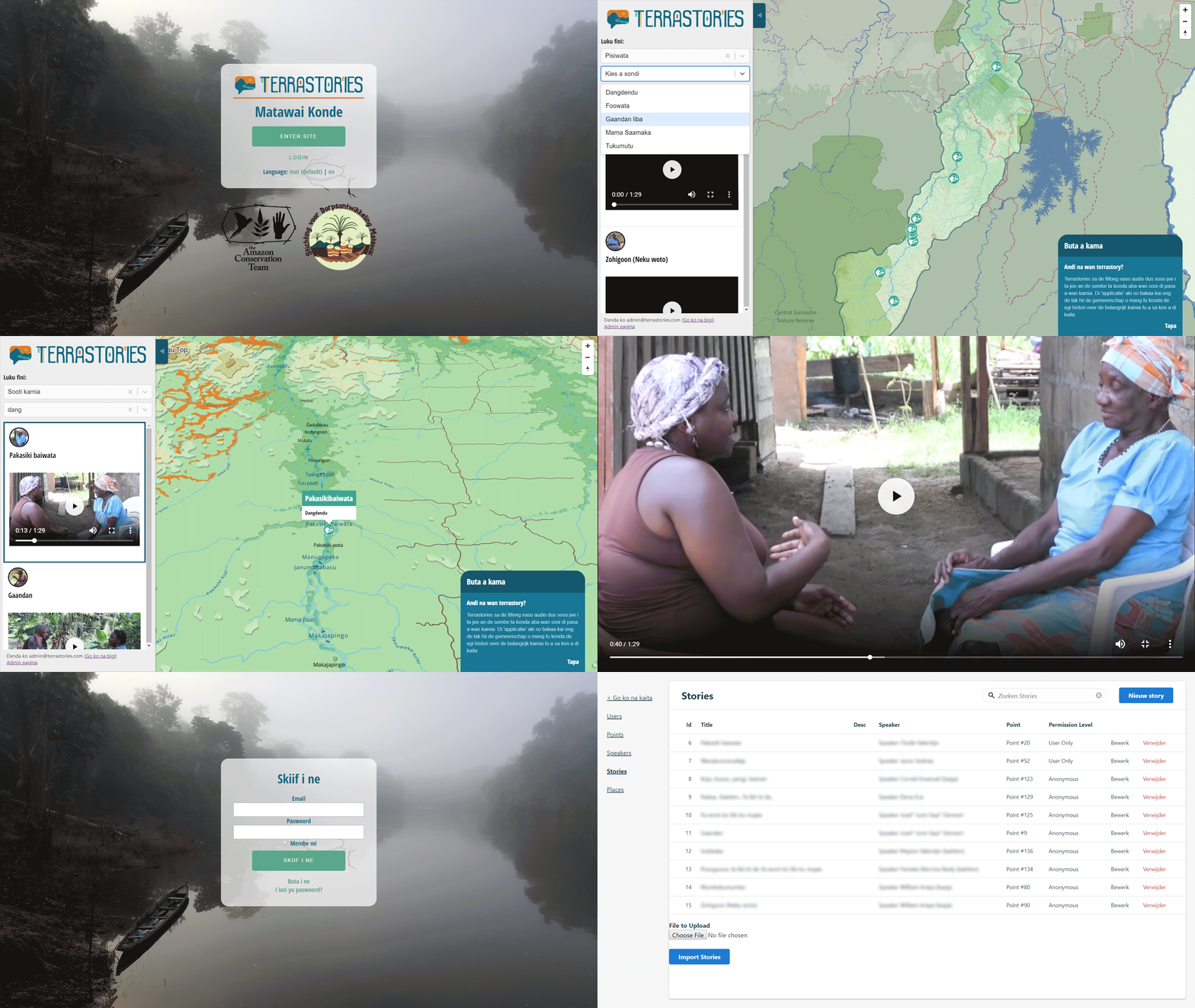
Along the Saramacca River in central Suriname live the Matawai people. They are descendants of Africans who escaped slavery in the 17th and 18th centuries by fleeing into the jungles and fighting for their freedom. In the rainforest, the survival of the Matawai has always depended on an intimate knowledge of their territories. Place-based stories…
Read MoreColombian Government Signs Decree Recognizing the Ancestral Territory of the Indigenous Communities of the Sierra Nevada de Santa Marta
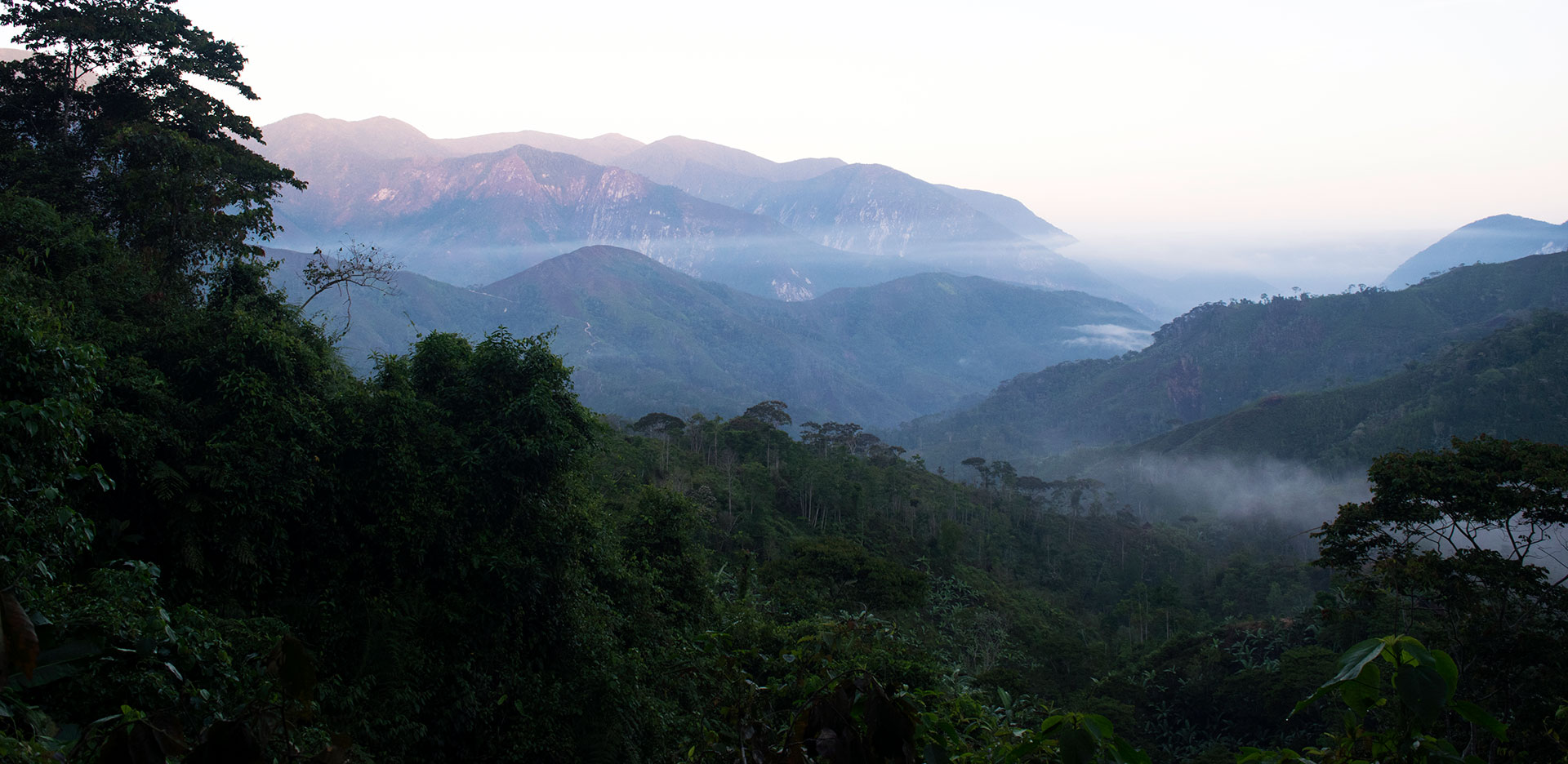
On August 6, Colombian President Juan Manuel Santos signed a decree that recognizes the ancestral territory of the indigenous communities of the Sierra Nevada de Santa Marta (SNSM), as defined by the sacred sites of the Linea Negra (Black Line), a ring of sacred sites around the base of the SNSM that forms the boundary…
Read MoreTo Take Care of Your Garden, First Get Your House in Order
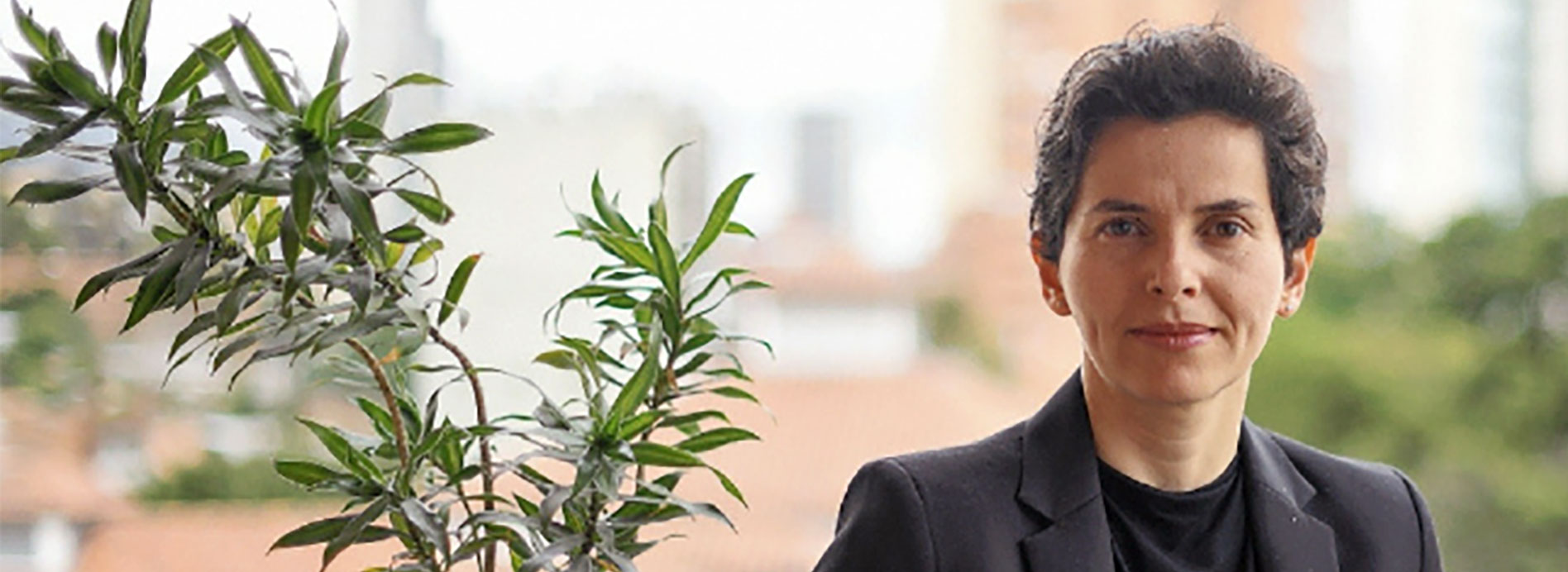
Carolina Gil is among the women who have dedicated themselves protecting the forests of the Amazon. The challenge that Colombia has ahead can only be met with many hands. She believes in collective work, for a rainforest without heroes. Before the Amazon became a hot topic in the media because of the 144,417 hectares razed in that region of Colombia, the mining threats and the science that began to explain the Amazon’s importance in the regulation of global climate.
Carolina Gil, program director of the NGO the Amazon Conservation Team, knew the other face of conservation, which few others were emphasizing: to try to conserve a territory without taking into account the people who live in it was a formula for failure.
“It is the communities that can ensure that a forest is healthy, with the means of living that they require.”
Colombian Government Approves Decree for the Protection of Isolated Indigenous Groups
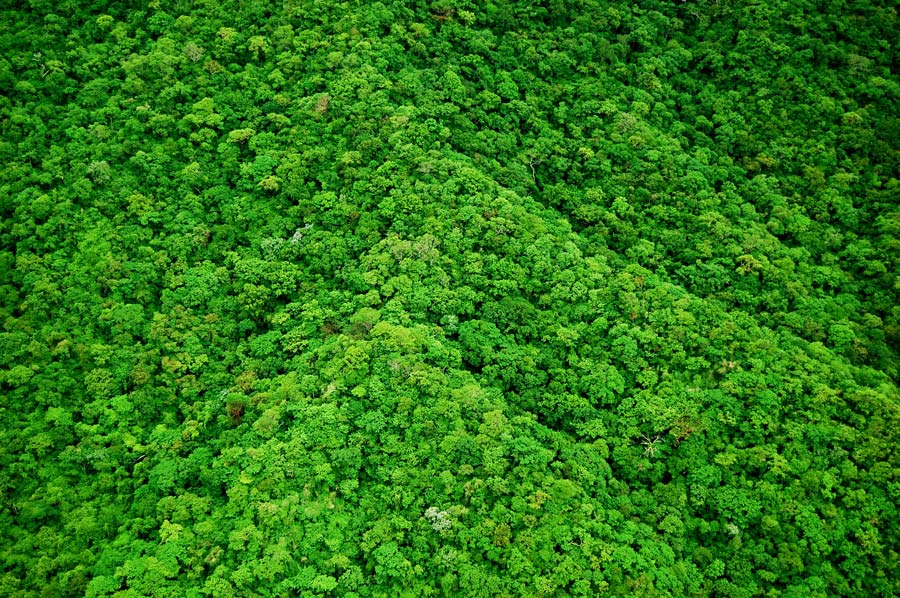
On July 17, 2018, the Colombian government approved a landmark national public policy for the protection of isolated indigenous groups. The policy was developed in a collaboration led by the Colombian Ministry of the Interior with the participation of governmental entities and local and regional indigenous organizations, supported by technical and legal assistance from the nonprofit Amazon Conservation Team (ACT). his groundbreaking national public policy was the first in the Amazon region directly led by the grassroots efforts of neighboring indigenous communities and indigenous organizations undergoing a process of free prior informed consent according to international regulations, thus resulting in an unprecedented integration of traditional spiritual worldviews in modern environmental protection strategies.
Read MoreAmazon Conservation Team Congratulates Colombia On Creation of Amazon’s Largest National Park
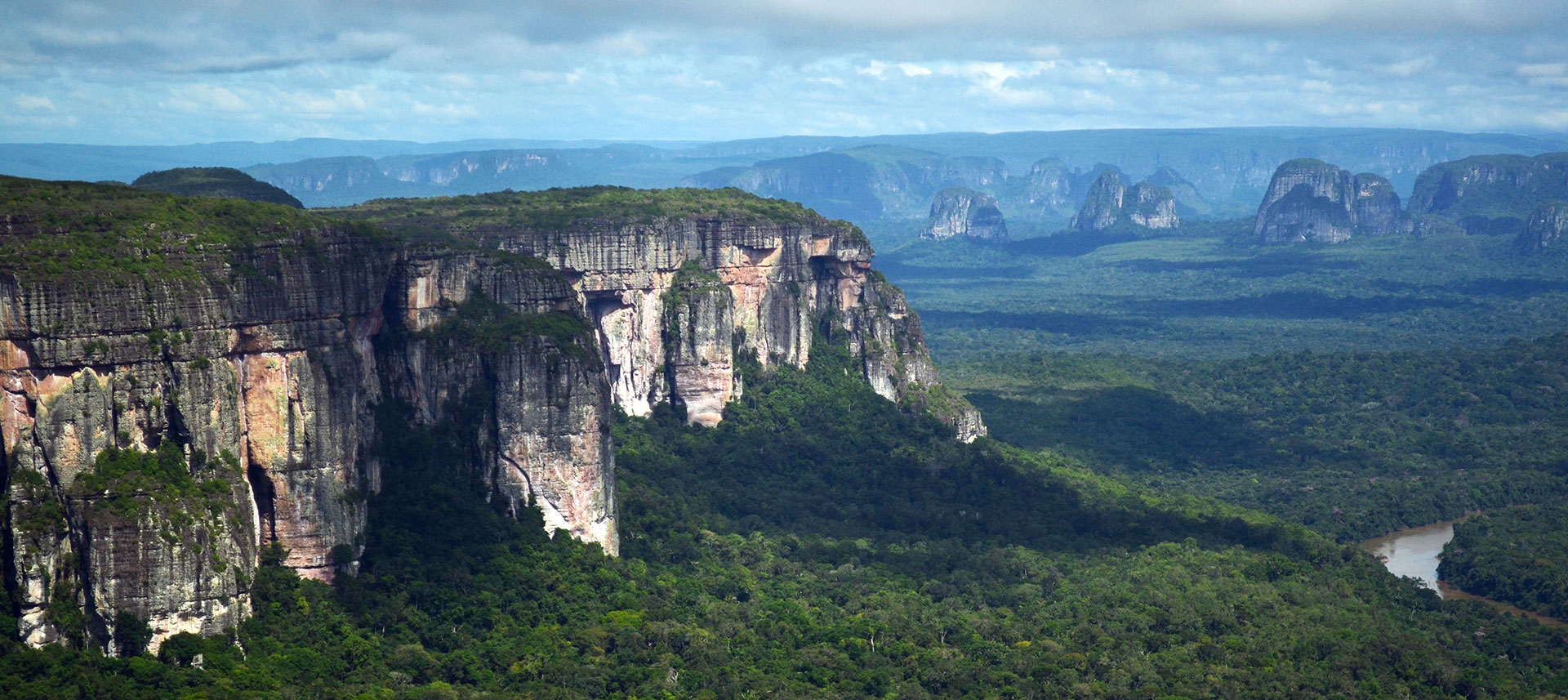
The Amazon Conservation Team (ACT) enthusiastically congratulates Colombia on the announcement of a 1.5-million-hectare expansion of Chiribiquete National Park, the country’s largest protected area. Increasing Chiribiquete’s area by over 50%, this protective measure will help stave off the extensive deforestation moving in from the northwest. Surrounding the park lie two of the most deforested…
Read More