

Posts by Amazon Conservation Team
ACT President & Co-Founder Receives Humanitarian Award from Harvard Extension School
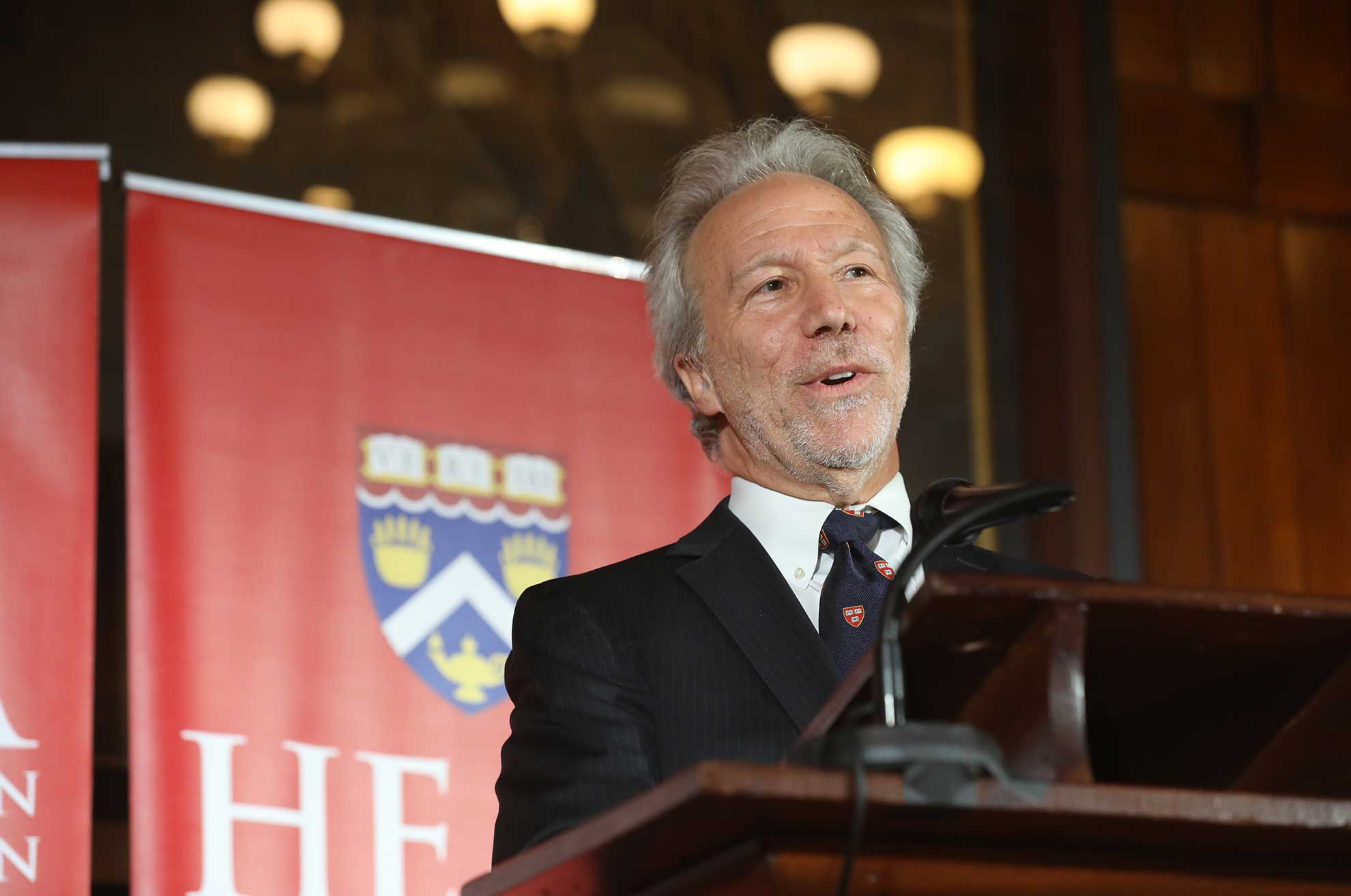
Harvard Extension School has presented the 2019 “Michael Shinagel Award for Service” to Dr. Mark Plotkin of The Amazon Conservation Team.
Read MoreWhy are they persecuting us?
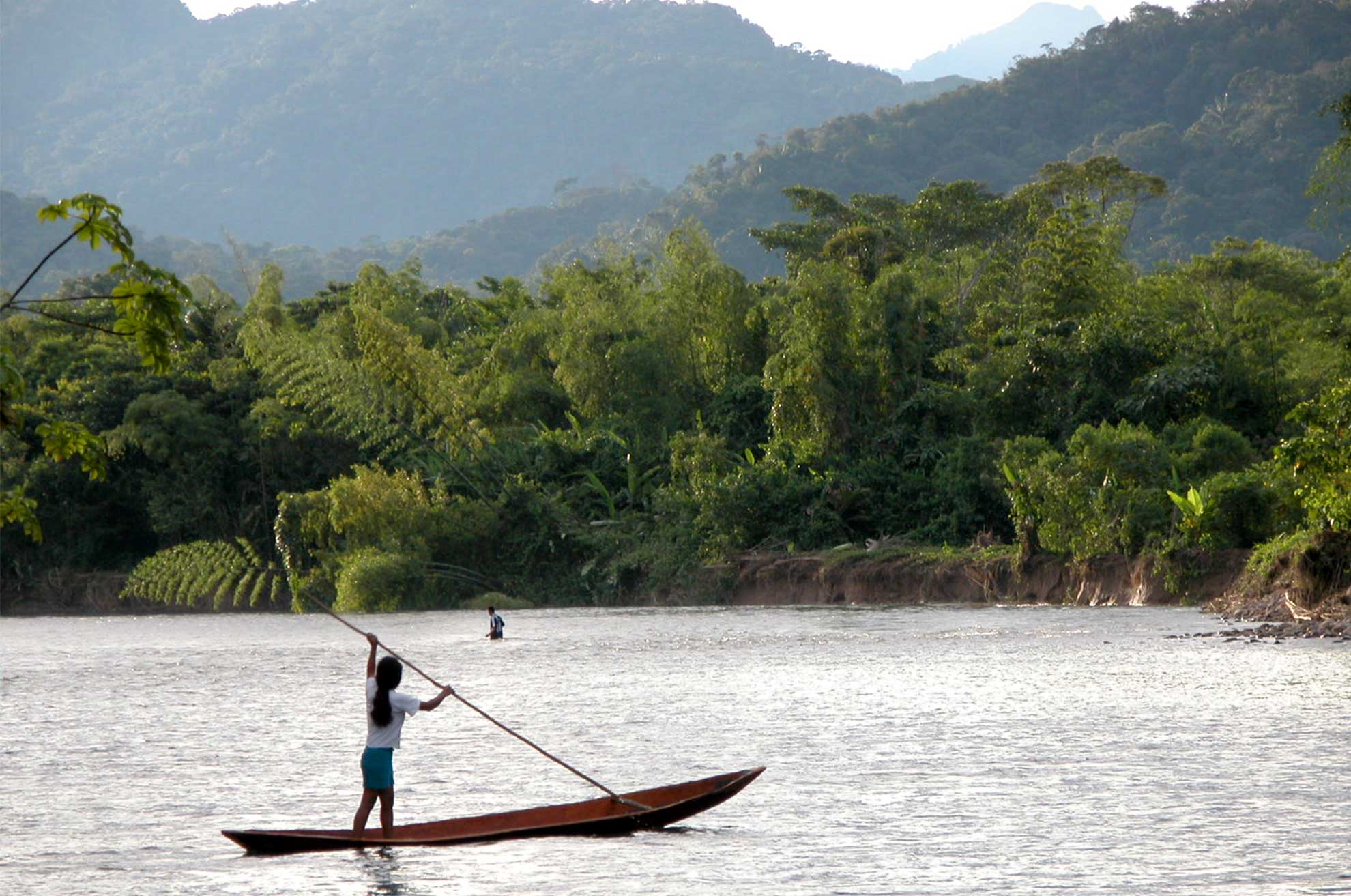
On this path of leadership, and as long as I can remember, I have experienced war. By: Waira Nina Jacanamijoy Mutumbajoy Original article appears in El Tiempo May 28, 2019 I have the honor of providing this space to Waira Nina Jacanamijoy Mutumbajoy, an artist and leader of the Inga people of the Yurayaco community…
Read MoreTraining Children and Youth as Bird Watchers of the Amazon-Andes Transition Region
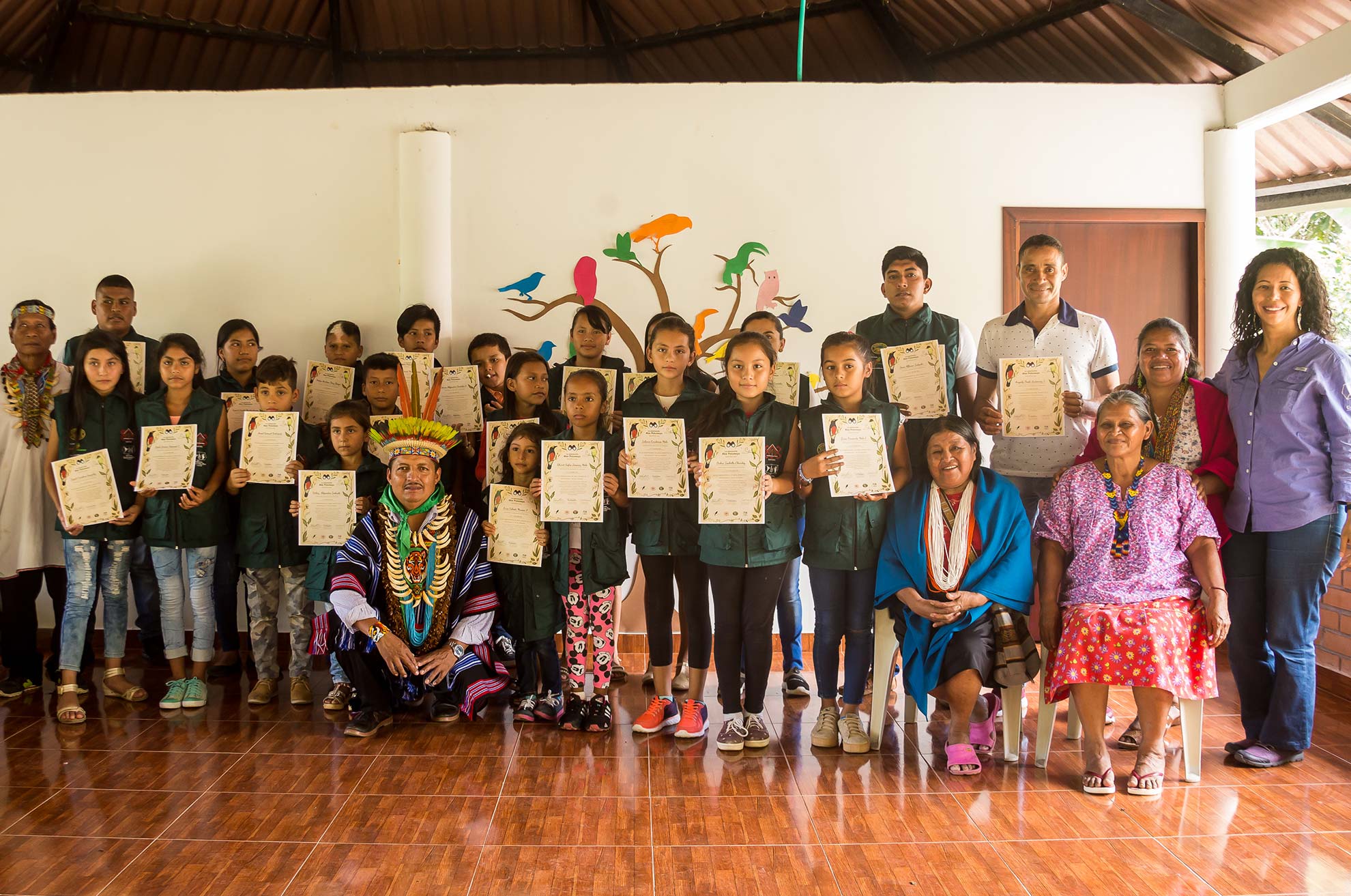
“Exploring our Territory Through Birds” is a program through which ACT and Alas de Putumayo motivate children to study the different habitats of the birds of Putumayo.
Read MoreACT Indigenous Fellowship Program
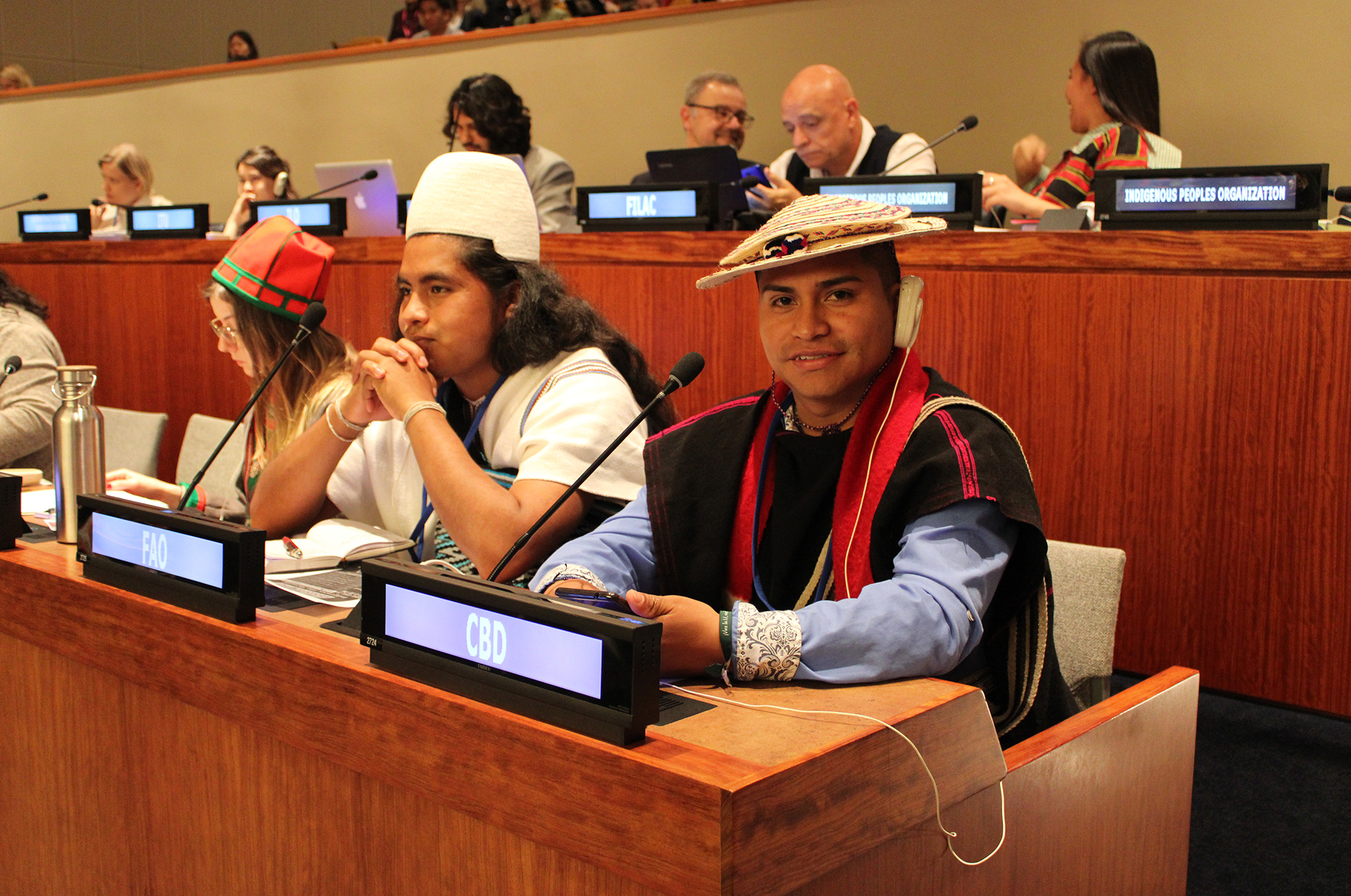
The Amazon Conservation Team (ACT) has established an Indigenous Fellowship Program in partnership with Colombia’s Universidad Externado to provide indigenous college students with the opportunity to better understand the functioning of international cooperation agencies, international conventions, and funding aimed at supporting the rights of indigenous communities.
Read More30 Species of Animals Have Been Found and Filmed in the Río Puré National Park Using Camera Traps
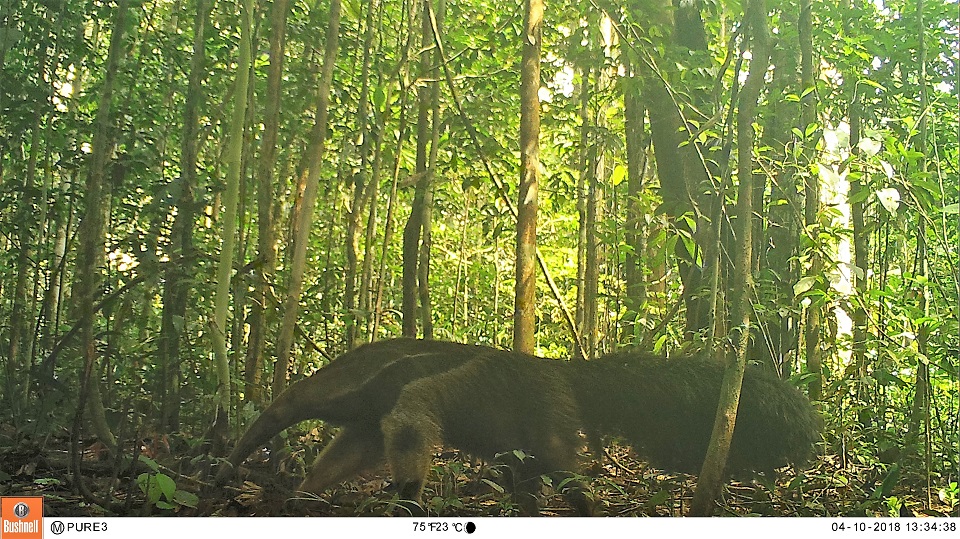
Original article appears in El Espectador. Written by Redacción Medio Ambiente. This is the first time that this type of monitoring is being carried out in this protected area. Oncillas, tapirs and anteaters were among the animals recorded. The camera traps are not being placed in the vicinity of areas where indigenous peoples exist in isolation.…
Read MoreAmazon Conservation Team Reestablished in Brazil
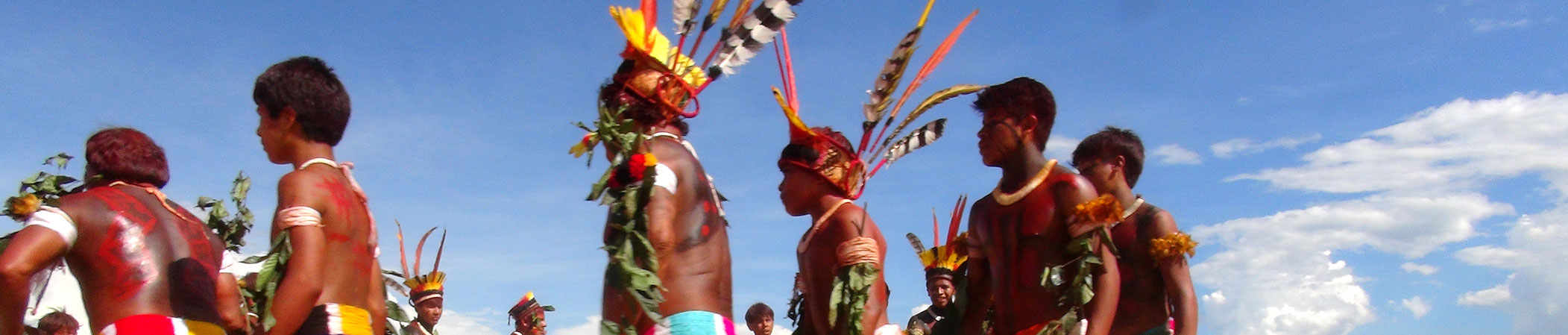
On January 25, 2019, responding to several requests for partnership from indigenous communities in Brazil, the Amazon Conservation Team® (ACT®) decided to reestablish itself in the country. ACT began its work in Brazil at the turn of the 21st century. Through 2011, ACT supported several indigenous groups in mapping their cultural realities and traditional natural…
Read MoreSecuring Land Rights for Indigenous Communities in Colombia: A Methodology
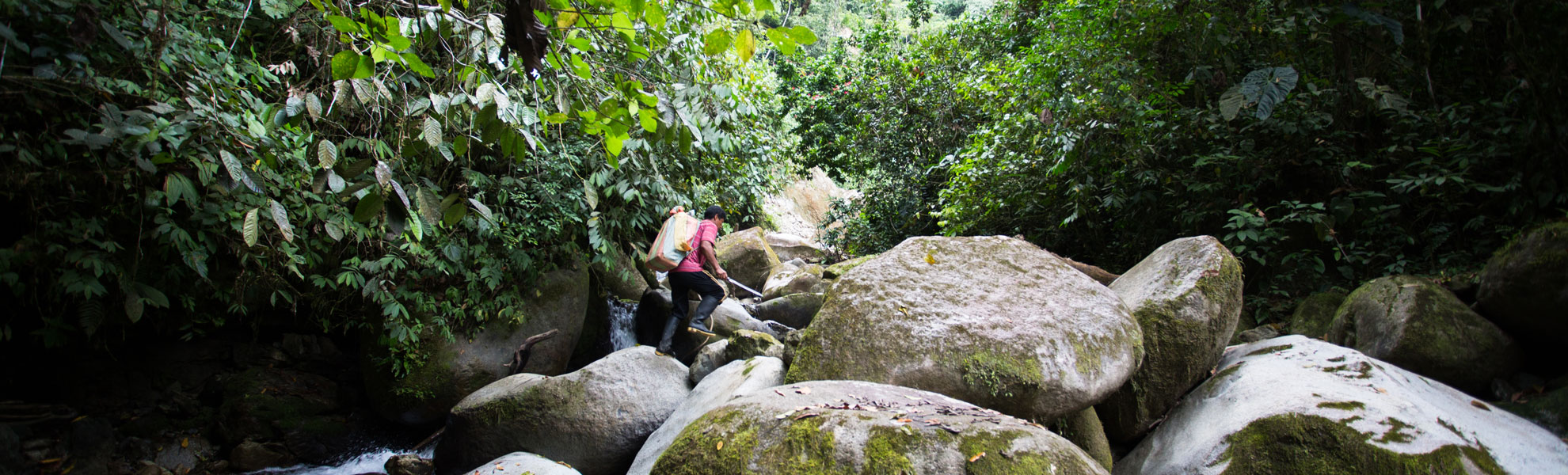
Ensuring the collective survival of indigenous peoples requires guaranteeing their rights and access to traditional lands. In Colombia, indigenous peoples’ struggle for ancestral land rights has been ongoing for more than four centuries, marked by collective mobilization and pressure before official entities. In Colombia, almost 500,000 indigenous people lack official recognition of their collective land…
Read MoreCollective Empowerment in the Yunguillo Reserve of Colombia’s Inga People
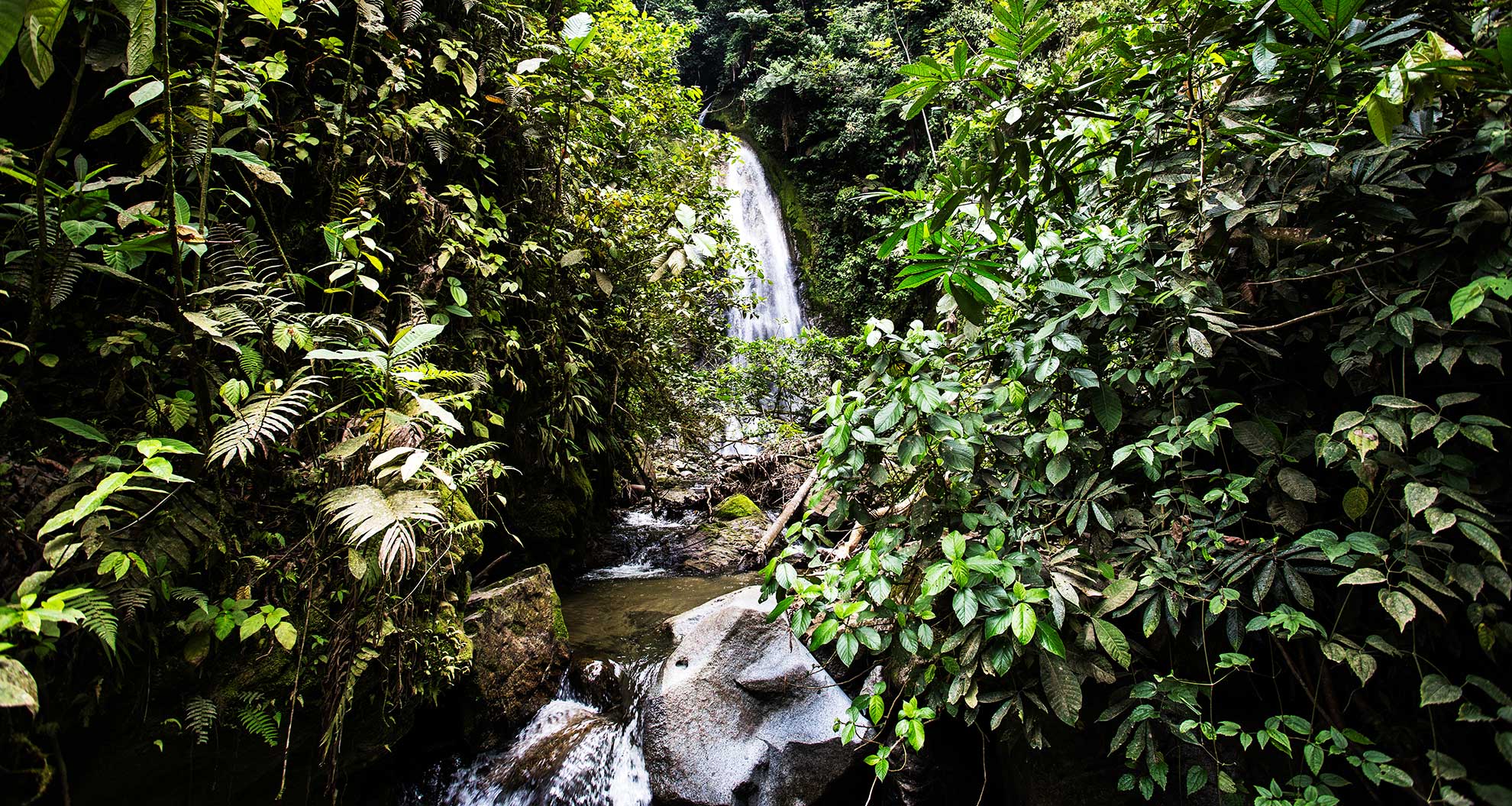
In memory of the three youth of the Yunguillo reserve murdered in September 2018. ACT works with the Inga indigenous people of theYunguillo Reserve, located at the confluence of the Andes mountain range and the Amazon river basin in Colombia, a territory of great importance due to the ecological and ecosystemic characteristics of its forests,…
Read MoreOral Histories: Helping the Kogui Manage their Territory
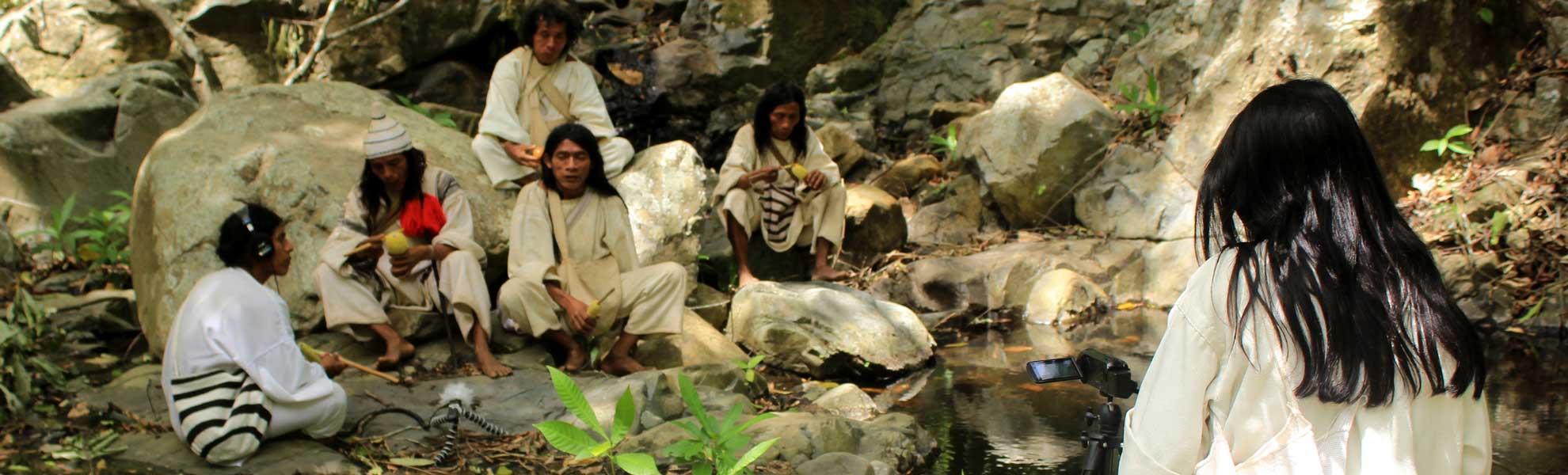
Two of ACT’s objectives in our work at Jaba Tañiwashkaka, a coastal sacred site of the indigenous peoples of Colombia’s Sierra Nevada de Santa Marta region, are to increase the territorial management capacity of indigenous leadership and to establish conservation agreements between the local indigenous and non-indigenous communities. In contexts like the Sierra Nevada de…
Read MoreWhat is the correlation between the protection of indigenous peoples in voluntary isolation and the protection of the Amazon?
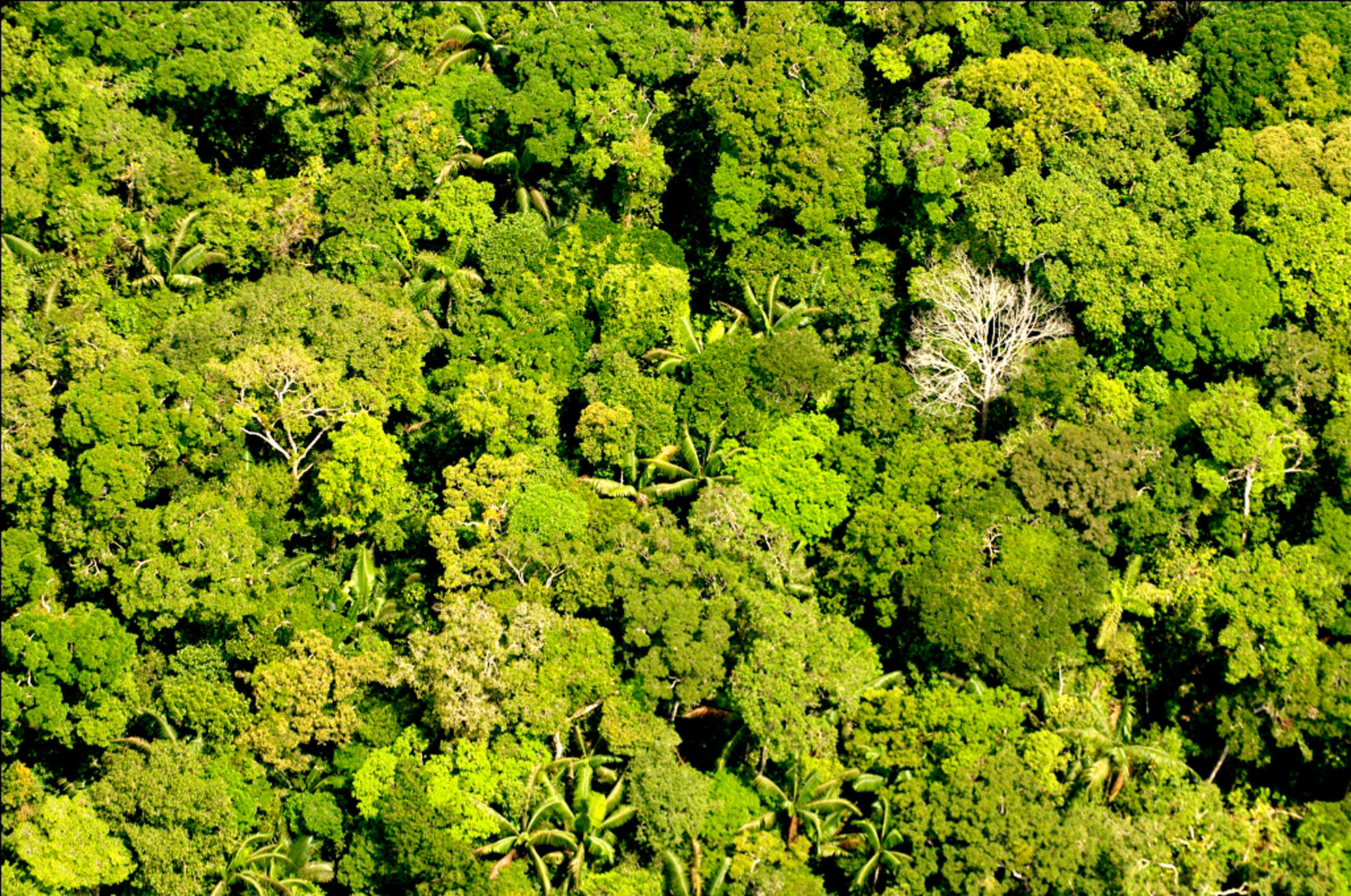
Let’s start with a question. If you lived in South America, and had to run away from society, where would you hide? The most remote areas of the Amazon, where thousands of small rivers are born and eventually become giant waterways—which along the way irrigate millions of trees, and in their final destination feed the…
Read More