

Text by Méle Dornelas · Available in Portuguese.
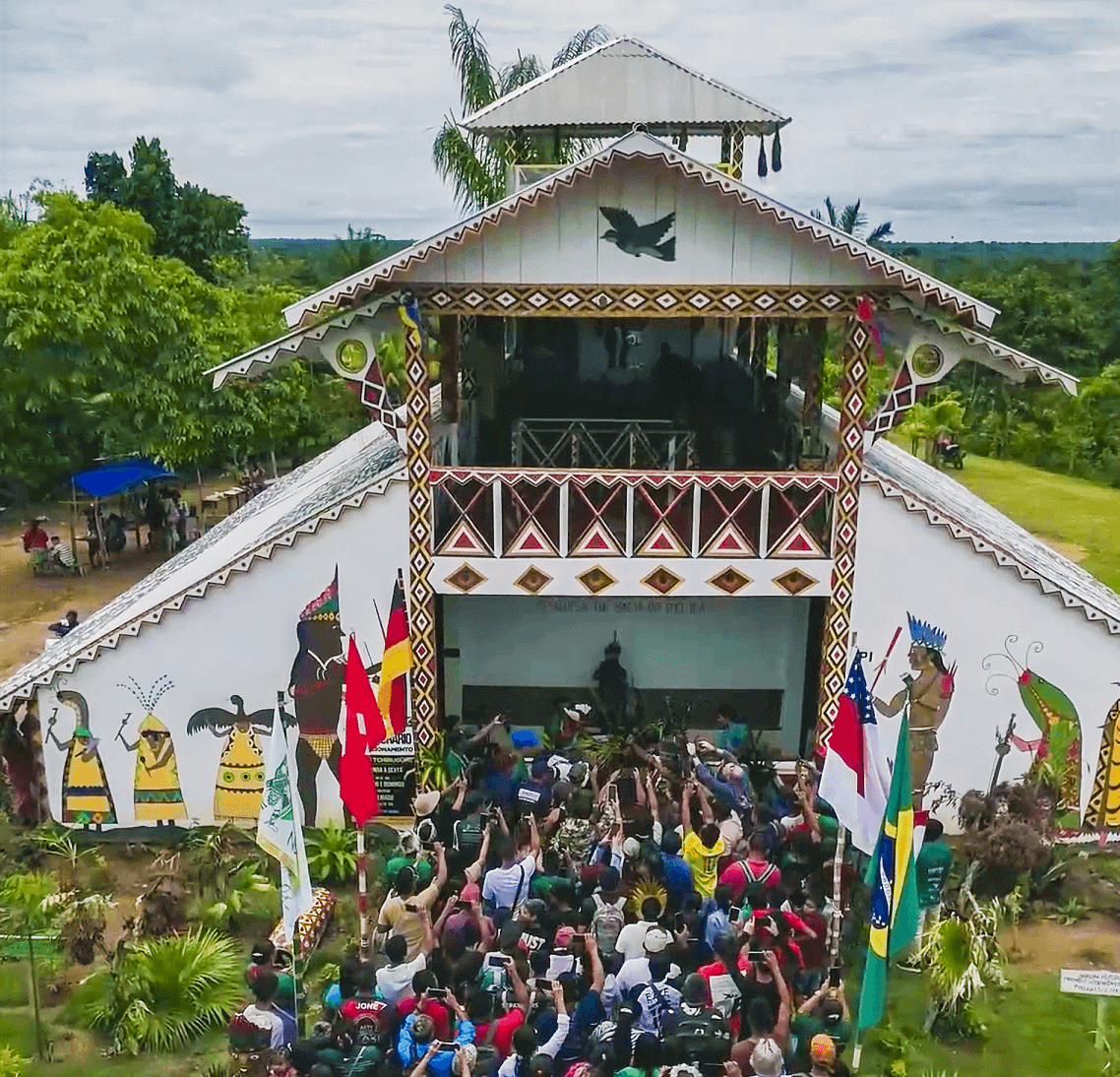
On January 24–25, the Tikuna people inaugurated the Tchirugüne Indigenous Museum in the Indigenous Community of Vila Betânia Mecürane, in the Upper Solimões region of Amazonas, Brazil.
Dedicated to preserving memory, culture, history, and the life paths of the Tikuna people, the largest Indigenous people in Brazil, according to the Brazilian Institute of Geography and Statistics (IBGE), the museum marks an important milestone for the territory and for Indigenous cultural continuity.
A Historic Inauguration Led by the Community
The official inauguration took place on January 24, 2026. Organized by the Ngutapa Institute, the ceremony brought together Indigenous leaders, government representatives, community members, and visitors.
The event reaffirmed the museum as a historic achievement for the Tikuna people and as a collective effort rooted in Indigenous leadership and cultural strength.
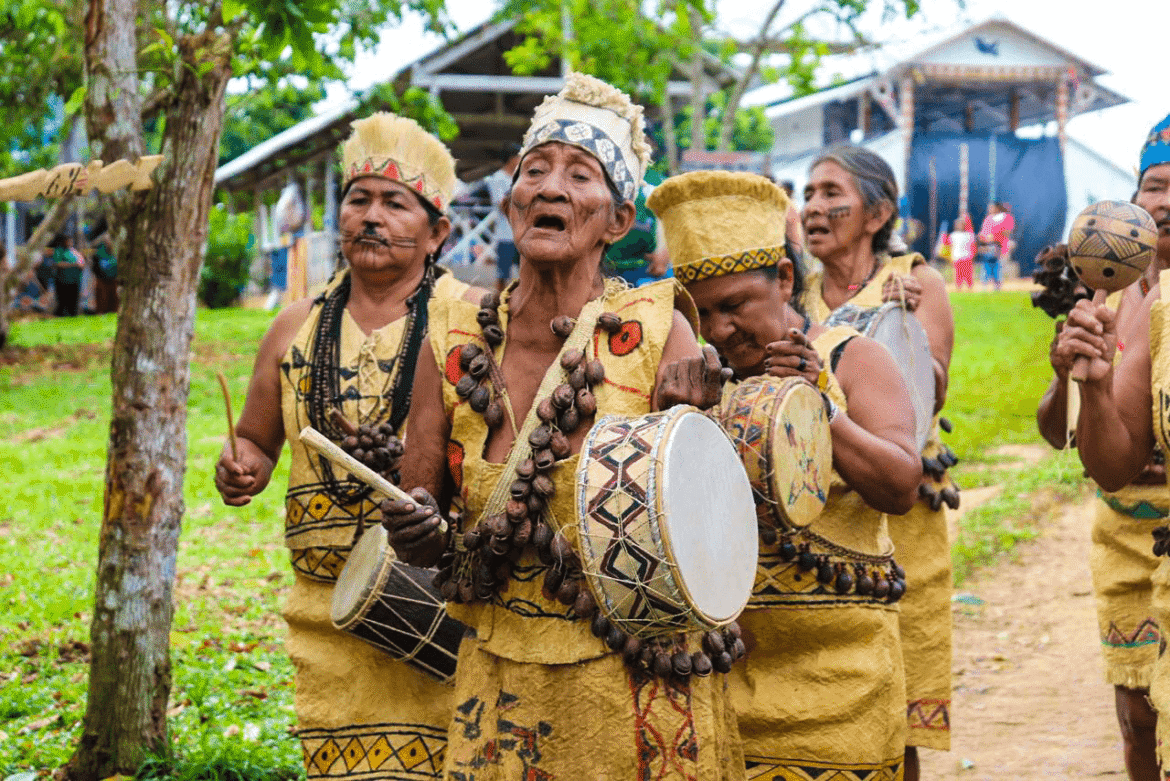
The inauguration featured traditional dances and songs, guided visits to the exhibitions, and the sharing of Paijuaru, a traditional cassava-based beverage symbolizing coexistence, sharing, and community bonds.
The Meaning of Tchirugüne
Tchirugüne means “swallow’s resting place” and comes from a Tikuna ancestral story. The name conveys a sense of arrival, permanence, and continuity, symbolizing the museum as a space where ancestral memory connects past, present, and future.
“The Tchirugüne Museum aims to be a center for documentation and research on the cultural resistance of Indigenous peoples of the Içá River basin…” — Cargeson Tikuna
A Museum Built by and for the Tikuna People
Constructed over two years, the Tchirugüne Indigenous Museum is a community-led initiative that strengthens cultural identity while supporting community-based tourism.
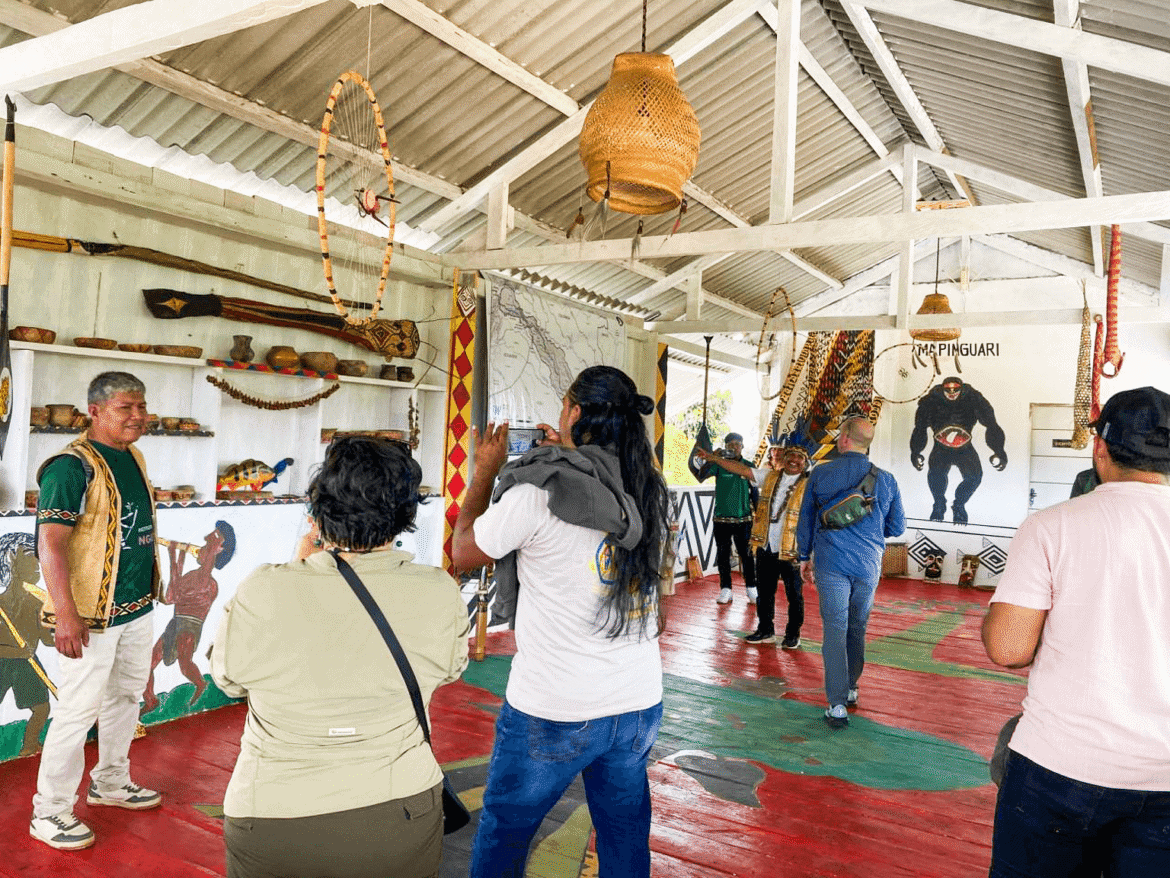
More than an exhibition space, the museum serves as a gateway to Tikuna culture, creating respectful exchanges between the community and visitors interested in Indigenous knowledge, history, and ways of life in the Upper Solimões.
The building features two floors and a lookout point, reinforcing the connection between culture, landscape, and territory.
All museum guides are Indigenous, affirming Tikuna leadership in cultural mediation and the transmission of ancestral knowledge.
Partnerships Supporting Indigenous Autonomy
The construction and consolidation of the Tchirugüne Indigenous Museum were supported by ACT-Brasil and the Floresta+ Project, a partnership between Brazil’s Ministry of the Environment and Climate Change (MMA) and the United Nations Development Programme (UNDP), with funding from the Green Climate Fund (GCF).
ACT-Brasil participated in the inauguration, supporting this milestone for Tikuna culture and the strengthening of Indigenous-led initiatives in the Amazon.
Memory That Endures
The Tchirugüne Indigenous Museum stands as a collective achievement in cultural preservation, identity, and the continuity of Tikuna ways of life.
“The museum is very important for the Tikuna people because it helps preserve, value, and pass on the culture and history of our Indigenous community.” — Keilany Tikuna
Visiting Information
The Tchirugüne Indigenous Museum is open to the public:
Monday–Friday: 8:00 a.m. – 7:00 p.m.
Sunday: 10:00 a.m. – 8:00 p.m.
Holidays: 1:00 p.m. – 4:00 p.m.
A living museum—built in the territory and by the community.
Don’t miss these powerful stories and updates. Sign up for our newsletter today!
Related Blog Posts

Share this post
Bring awareness to our projects and mission by sharing this post with your friends.