

Brazil
Every Restoration Begins with a Seed
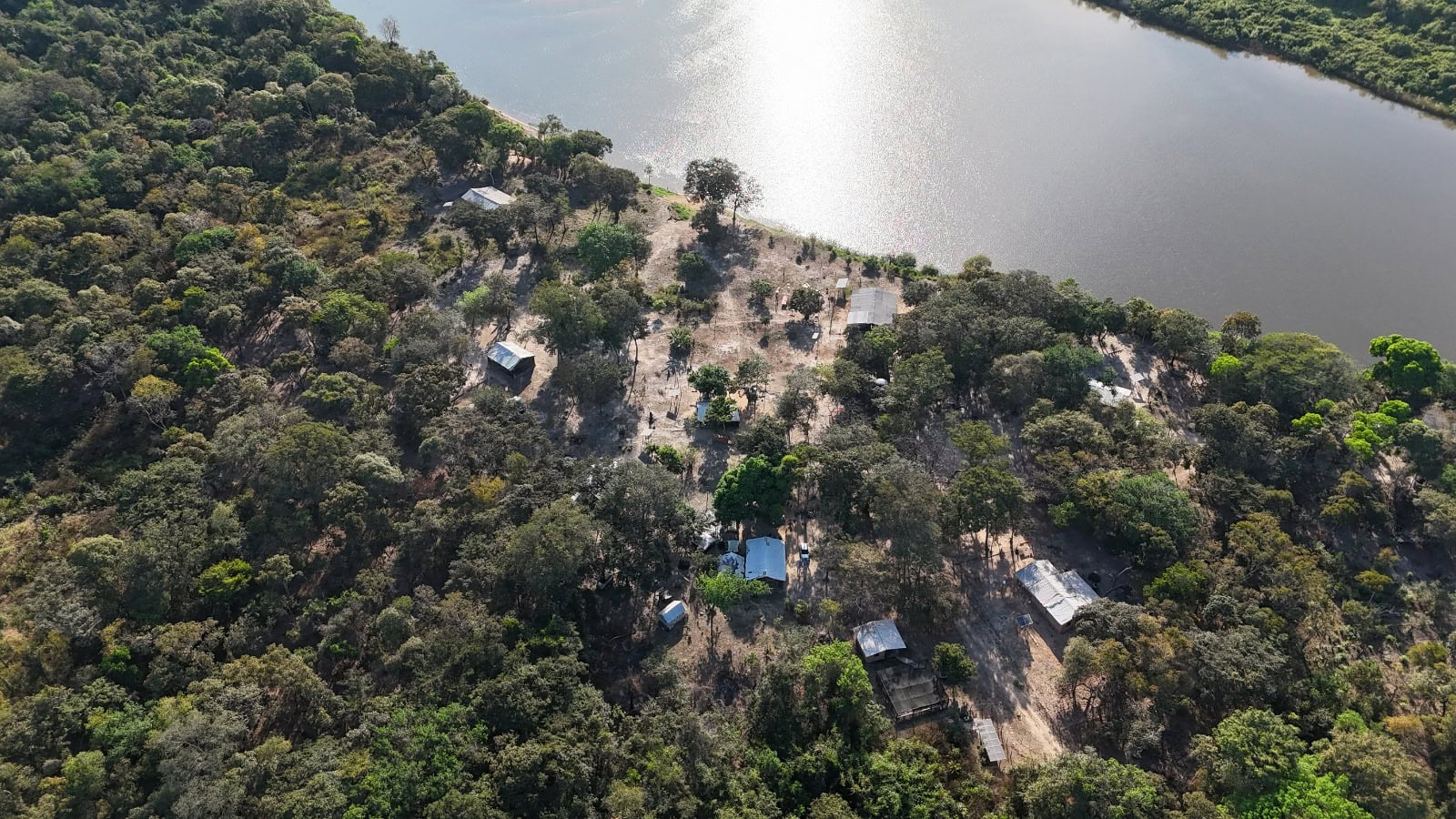
Discover the Agrobiodiversity in Tocantins project, an initiative that brings together productive landscape restoration, Indigenous knowledge, and territorial protection. Restoring a territory requires more than recovering degraded land. It means protecting water sources, helping biodiversity thrive, strengthening food production, and ensuring that future generations inherit territories rich in life, biodiversity, culture, and memory. For Indigenous…
Read MoreThe Nadëb and Kanamary Peoples Launch Territorial and Environmental Management Plans (PGTAs), Reinforcing a Collective Commitment to Protecting Their Territories and Upholding Their Rights
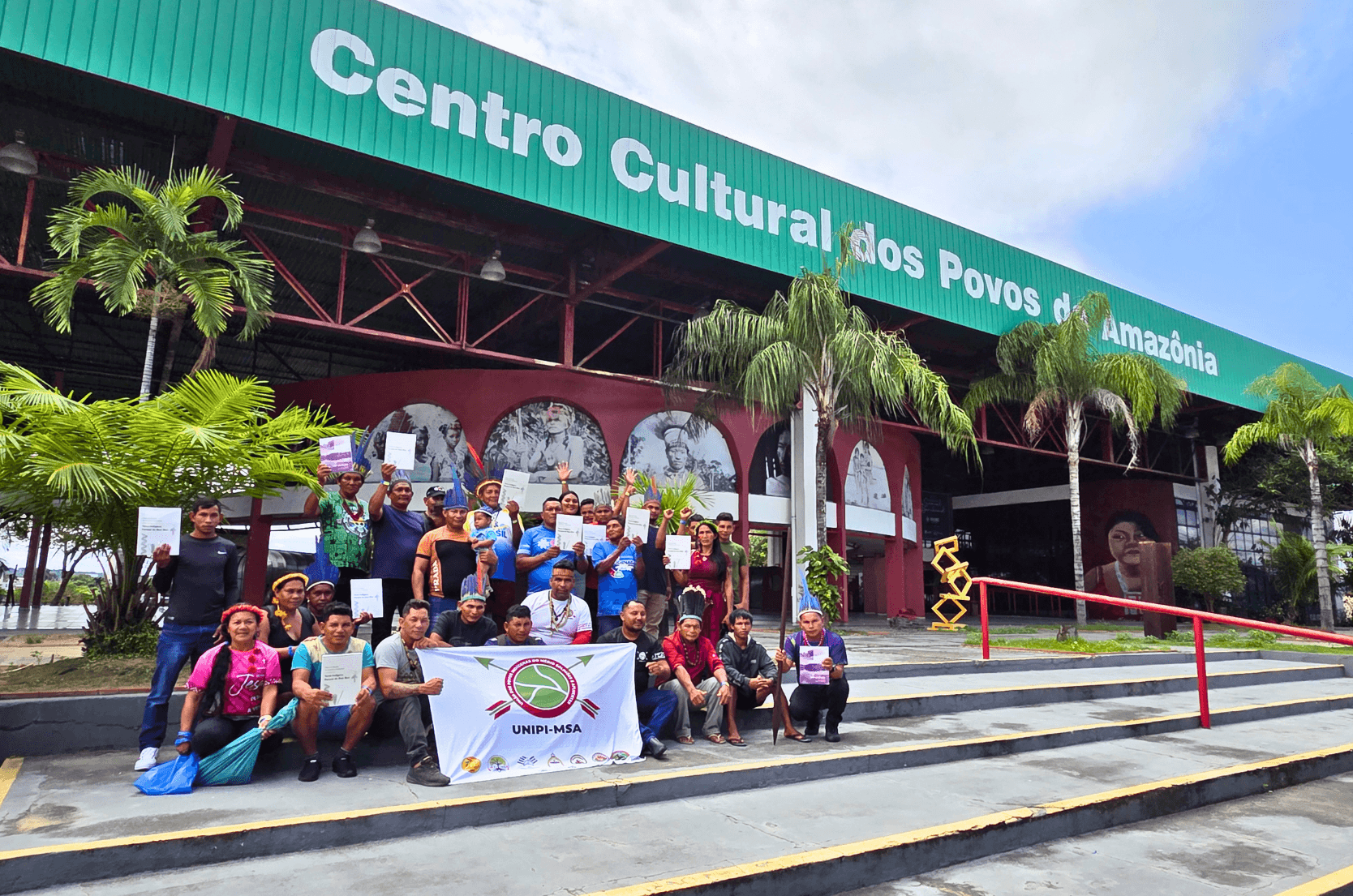
On July 7, 2026, Indigenous leaders, representatives of civil society organizations, public agencies, and partner institutions gathered in Manaus in the Brazilian state of Amazonas to celebrate the launch of the Territorial and Environmental Management Plans (PGTAs) for the Paraná do Boá-Boá and Uneiuxi Indigenous Territories. Developed by the Indigenous Peoples themselves over years of dialogue and collective planning, the documents represent more than management…
Read MoreFrom Territory to Global Dialogue: “One Health” Connects Indigenous Knowledge and Public Policy
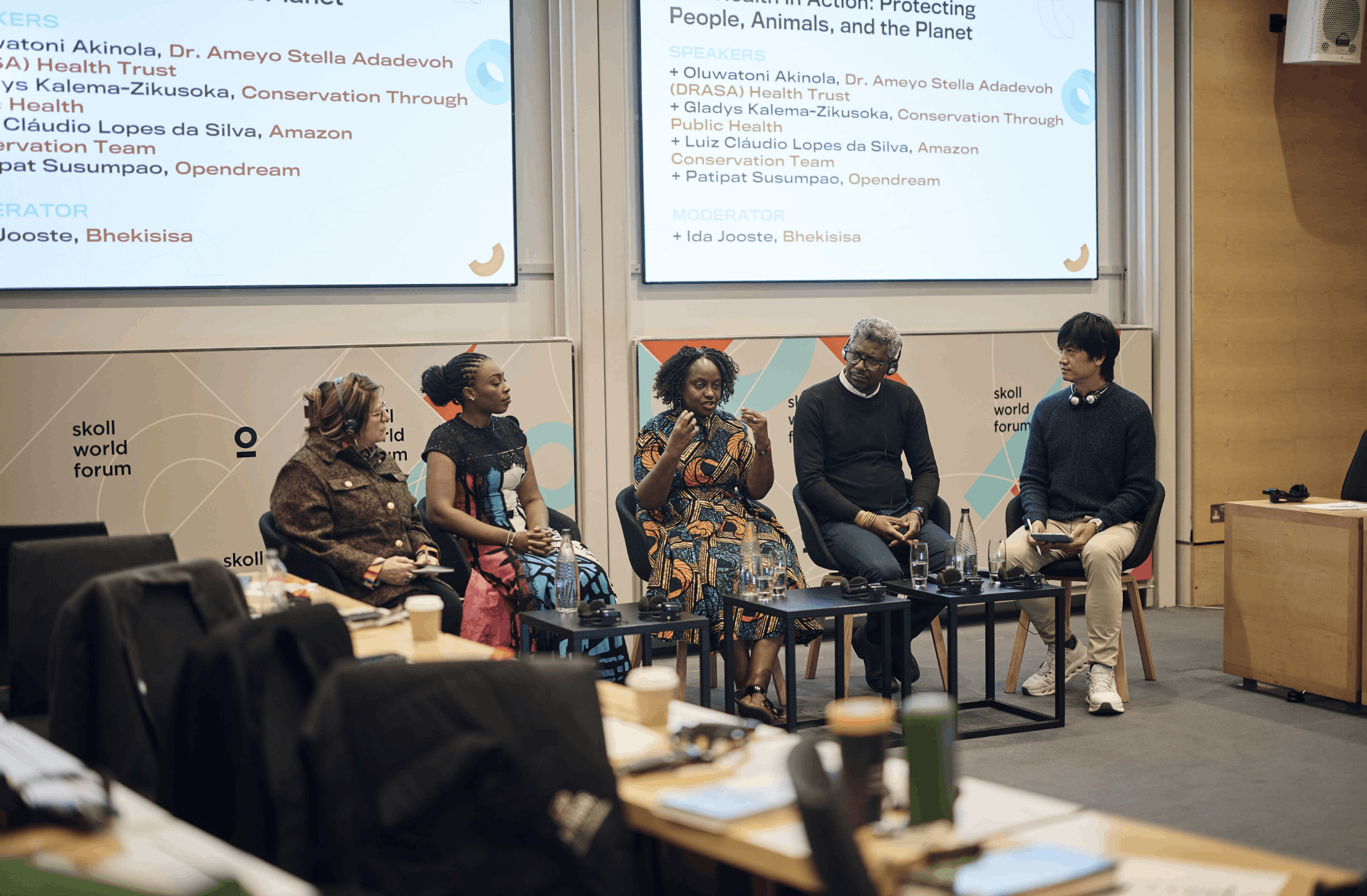
Global discussions on climate, health, and development have increasingly pointed to the need to recognize knowledge systems that already exist within territories and communities. International spaces such as the Skoll World Forum, held from April 21–24, 2026, in England, brought together leaders, organizations, and initiatives from around the world to share solutions to complex social and environmental challenges. Today, the…
Read MoreÃwa People Strengthen Environmental Restoration on Bananal Island
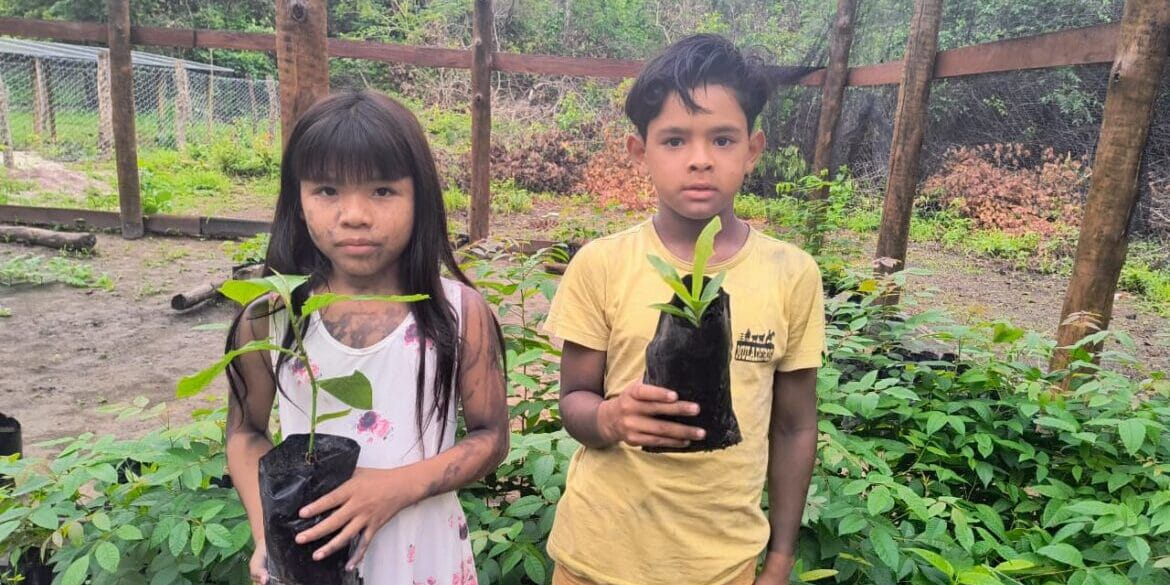
More than 800 seedlings are currently being planted across the territory through the collective work of the entire community. On Bananal Island (Tocantins, Brazil), the Ãwa people are taking new steps toward environmental restoration in their territory. Planting and forest management activities are gaining momentum through the Kawú Nursery, an initiative supported by ACT-Brasil and funded by the Overbrook Foundation and the Scheidel Foundation. Planting Advances in Flooded Areas, with Preparations for Forest…
Read MoreTikuna People Inaugurate Ancestral Museum in the Upper Solimões
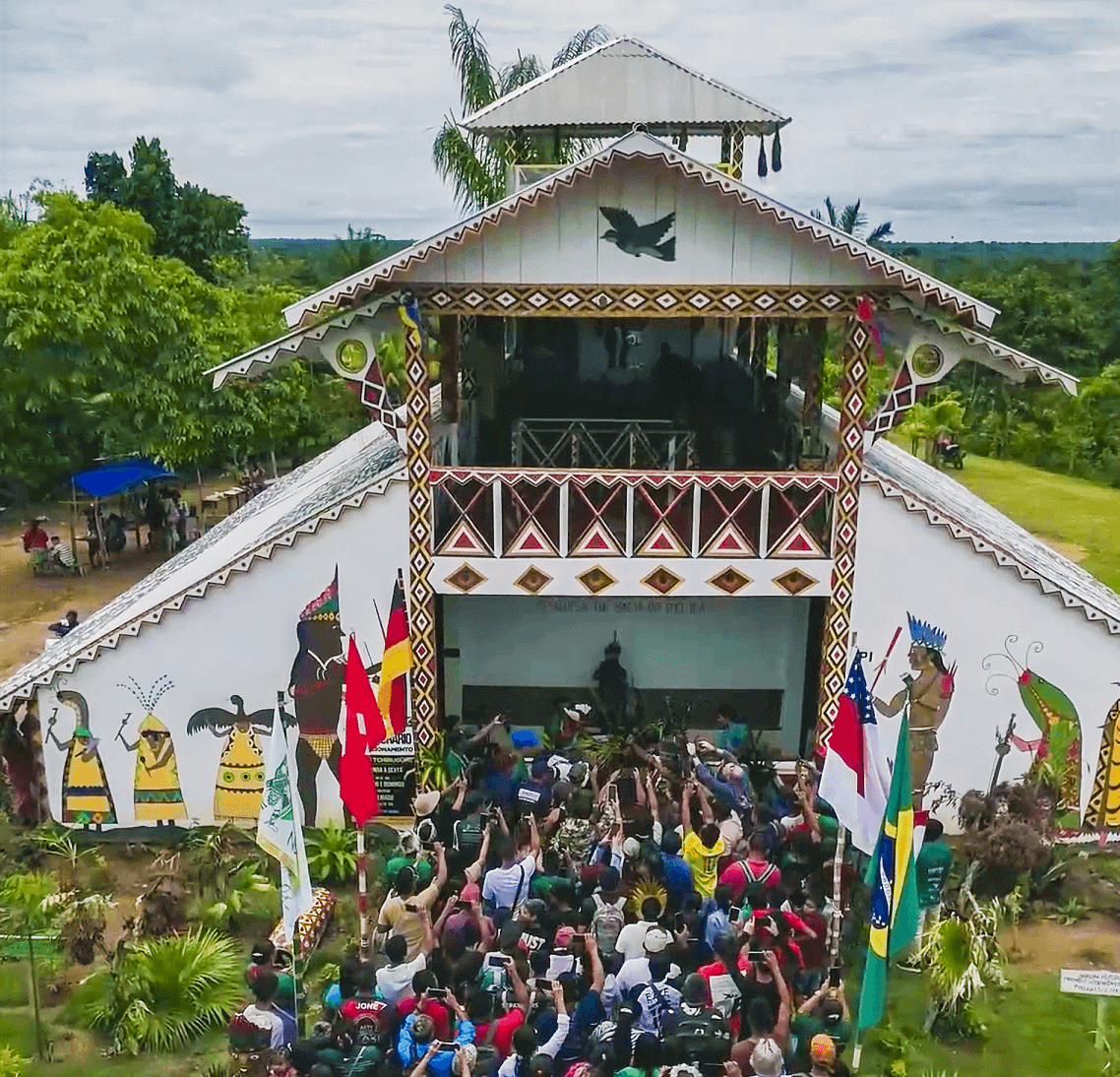
On January 24–25, the Tikuna people inaugurated the Tchirugüne Indigenous Museum in the Indigenous Community of Vila Betânia Mecürane, in the Upper Solimões region of Amazonas, Brazil.
Read MoreBetween Body and Territory: Indigenous Women Facing the Climate Crisis
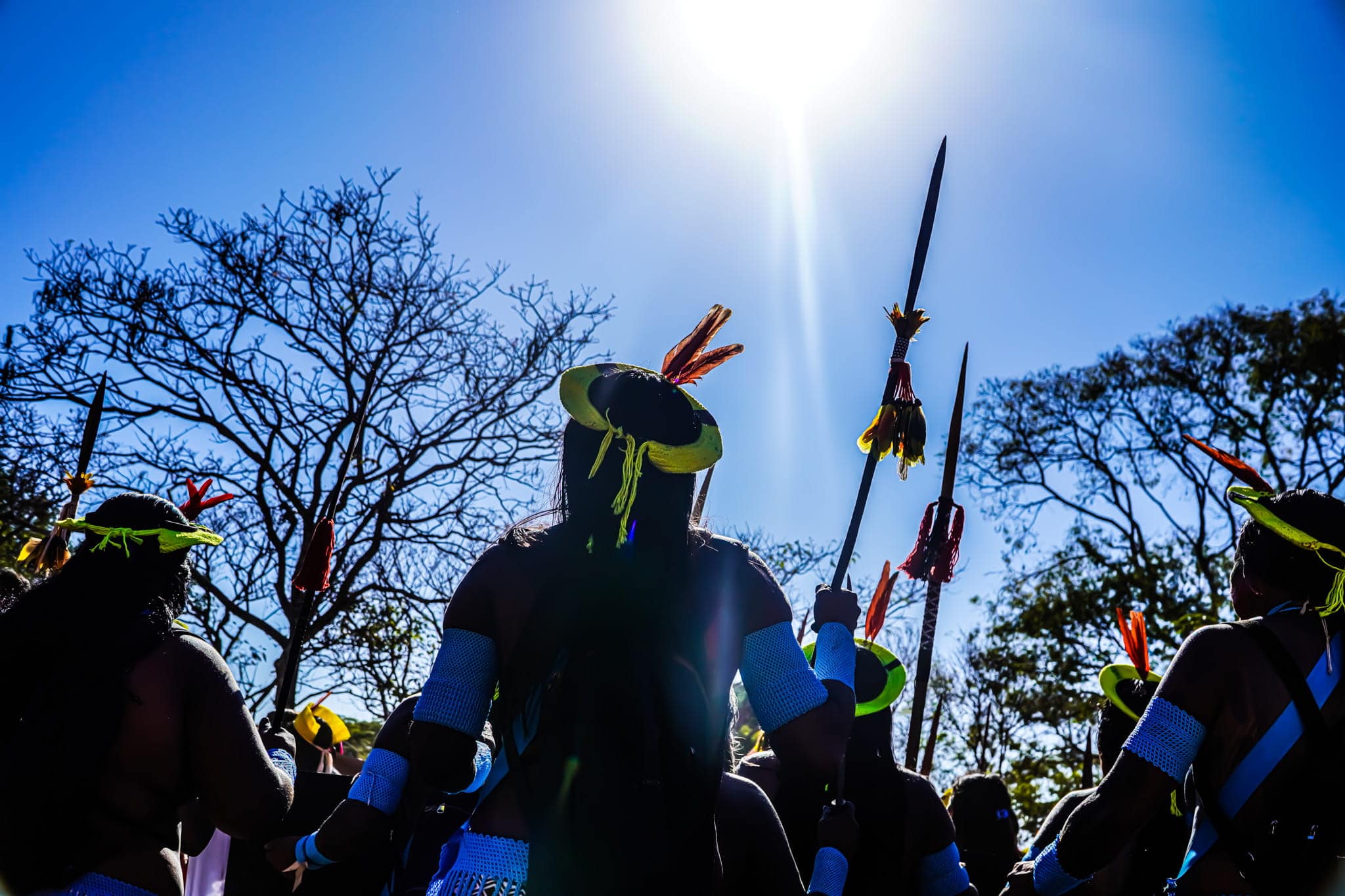
The impacts of the climate crisis on the health and ancestral knowledge of Indigenous women By Rudja Santos from Carta AmazôniaEdited by Méle Dornelas As COP30 brought the Amazon to the center of global discussions on the climate crisis at the end of 2025, the daily lives of Indigenous women reveal a dimension still largely absent from official…
Read MoreThe Echoes of the Peoples at COP30
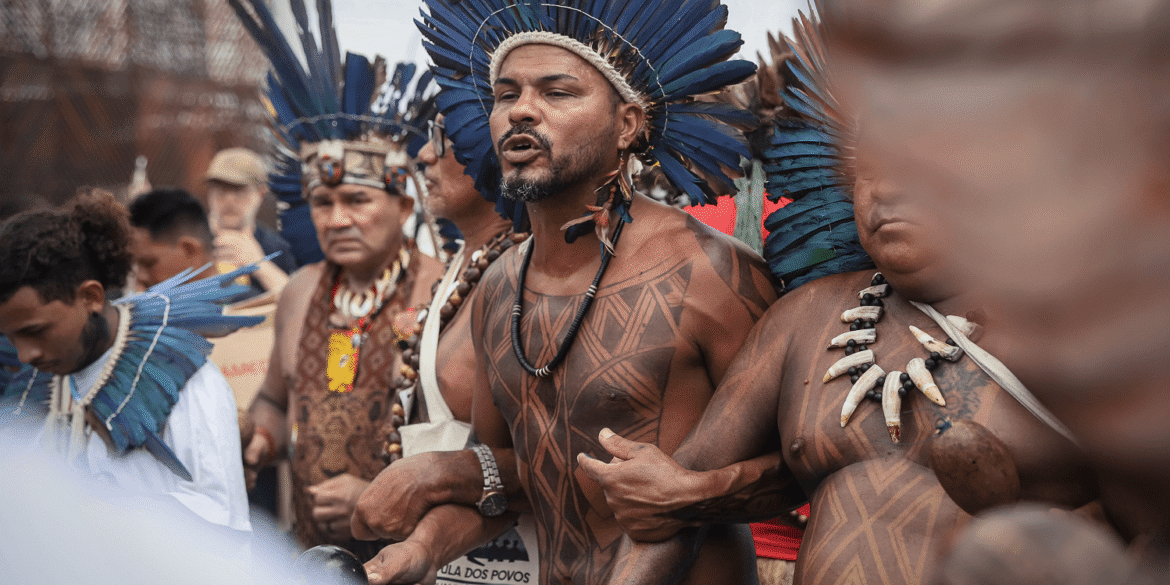
A historic mobilization marks advances in land demarcation and territorial protection. ACT stood alongside communities and helped elevate grassroots leadership in climate decision-making. The 30th United Nations Climate Change Conference (COP30), held in November in Belém (Pará), was defined by the strength and historic coordination of Brazil’s Indigenous peoples and traditional communities. Through marches, dialogues,…
Read MoreOliver-Ximon Mwiinga (Oli) Joins ACT as an Ambassador
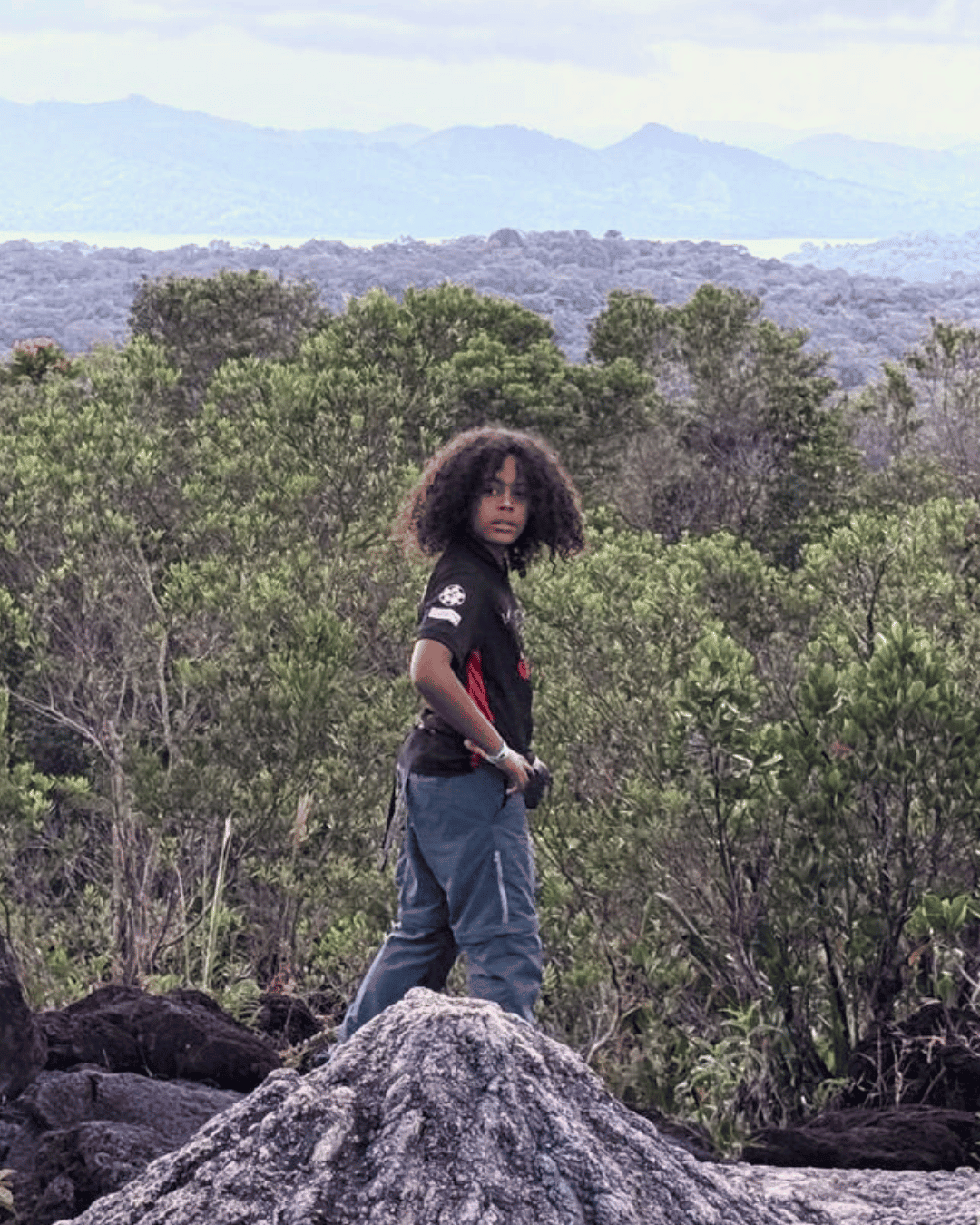
The Amazon Conservation Team (ACT) is delighted to welcome Oliver-Ximon Mwiinga, an 11-year-old nature lover and emerging storyteller from The Hague, the Netherlands, as our newest Ambassador. Despite his young age, Oli has a remarkable sense of curiosity and deep empathy for the natural world. He loves football, animals, reading, and exploring — but above…
Read More‘Our Territory Is Sacred’: Q+A with Ednalva Rondon
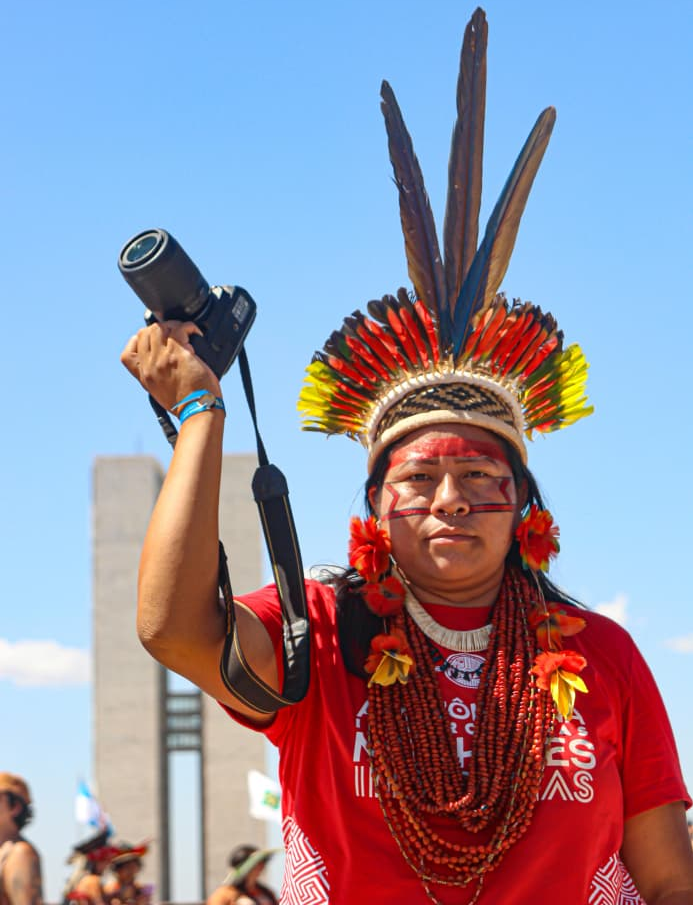
Ednalva Rondon grew up in Pakuera village, located within the Kurâ-Bakairi Indigenous Territory in the municipality of Paranatinga, Mato Grosso—one of Brazil’s most ecologically diverse regions, in the central-western part of the country. At 27, she is an active member of the Union of Indigenous Women of the Brazilian Amazon (UMIAB). This year, she is…
Read MoreCosta Rica Gathering 2025: Honoring 30 Years and Building ACT’s Future
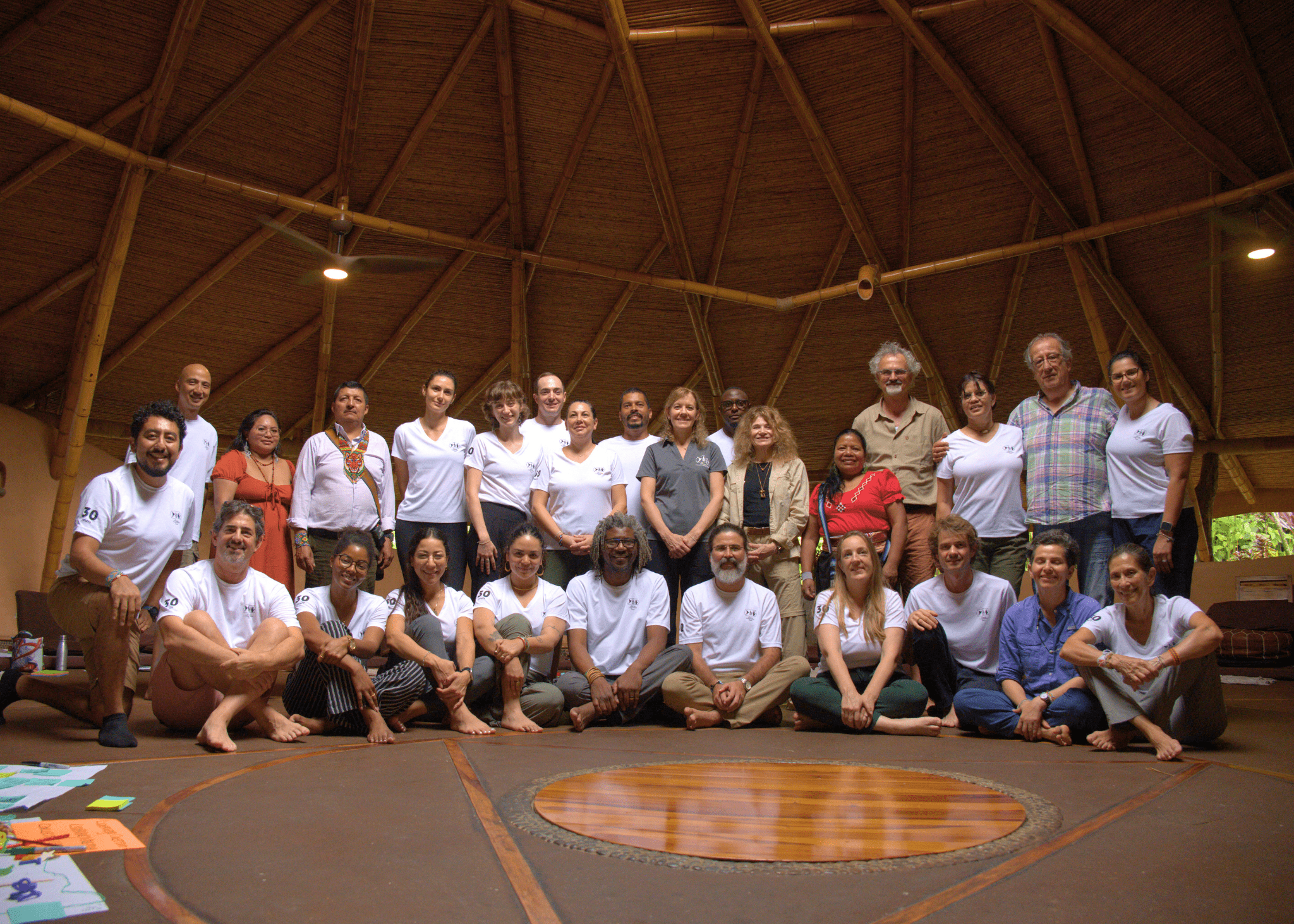
From October 20 to October 22, 2025, ACT members from the USA, Brazil, Colombia, Costa Rica, and the Guianas gathered in Costa Rica for a transformative event. Joined by board members, donors, guests, and Indigenous partners — María del Rosario “Charito” Chicunque, Pablo Chindoy, and Marinete Tukano — the gathering focused on strategic conversations to align ACT around its next chapter while…
Read More