

A historic moment for Suriname’s Indigenous and Maroon communities.
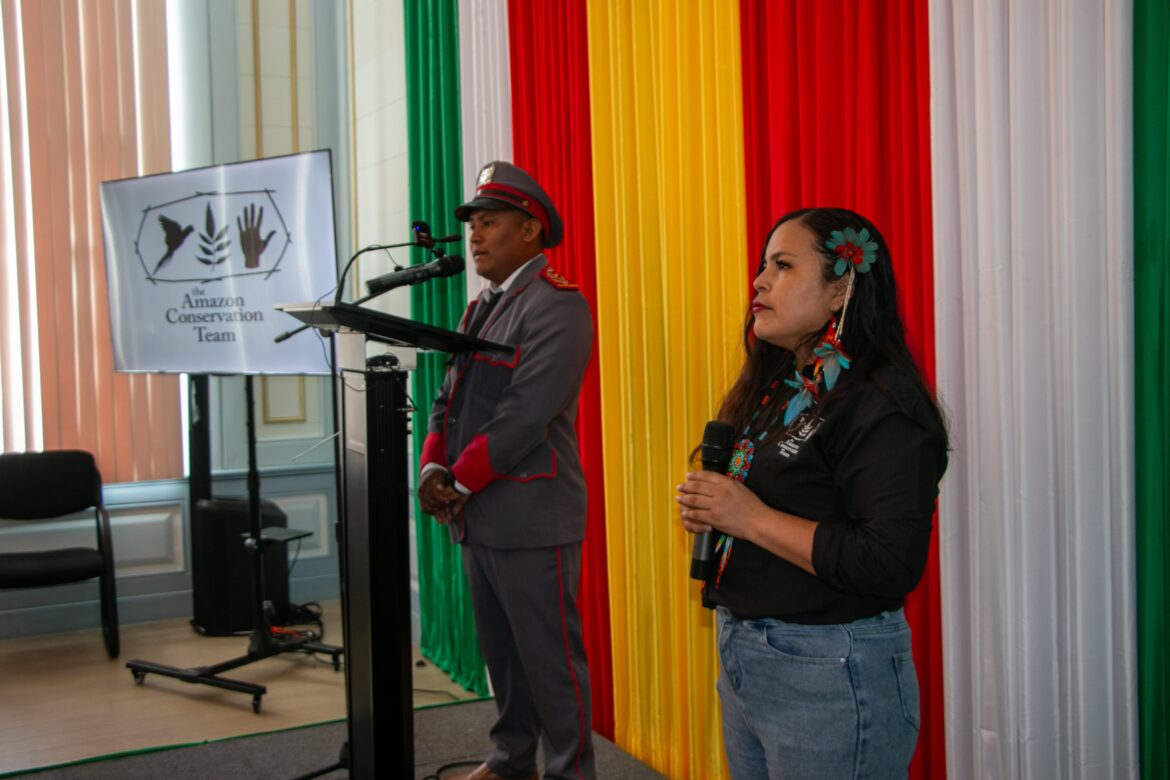
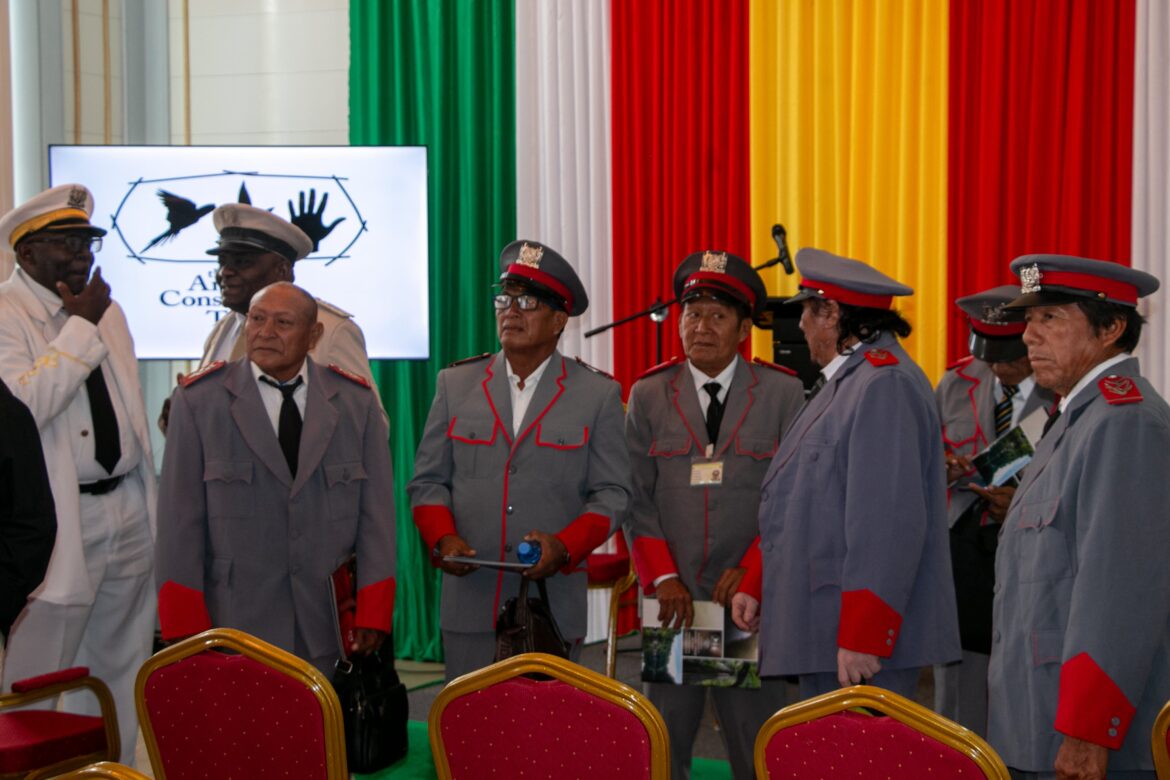
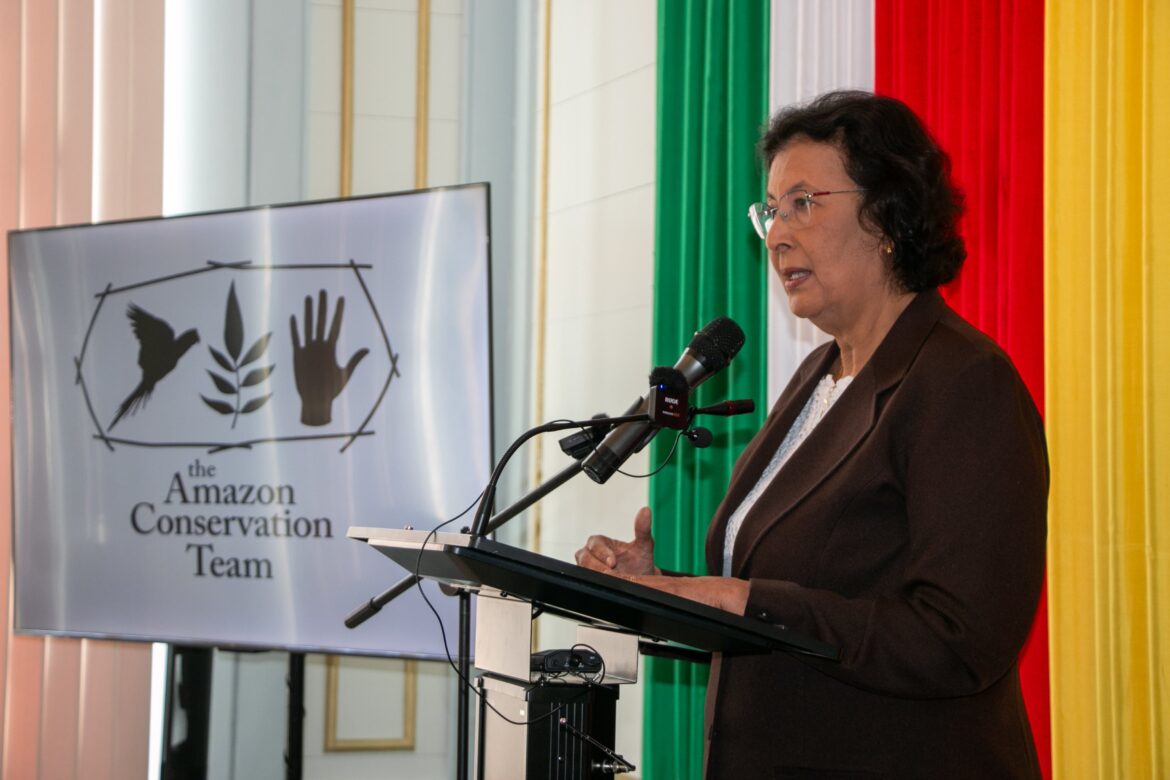
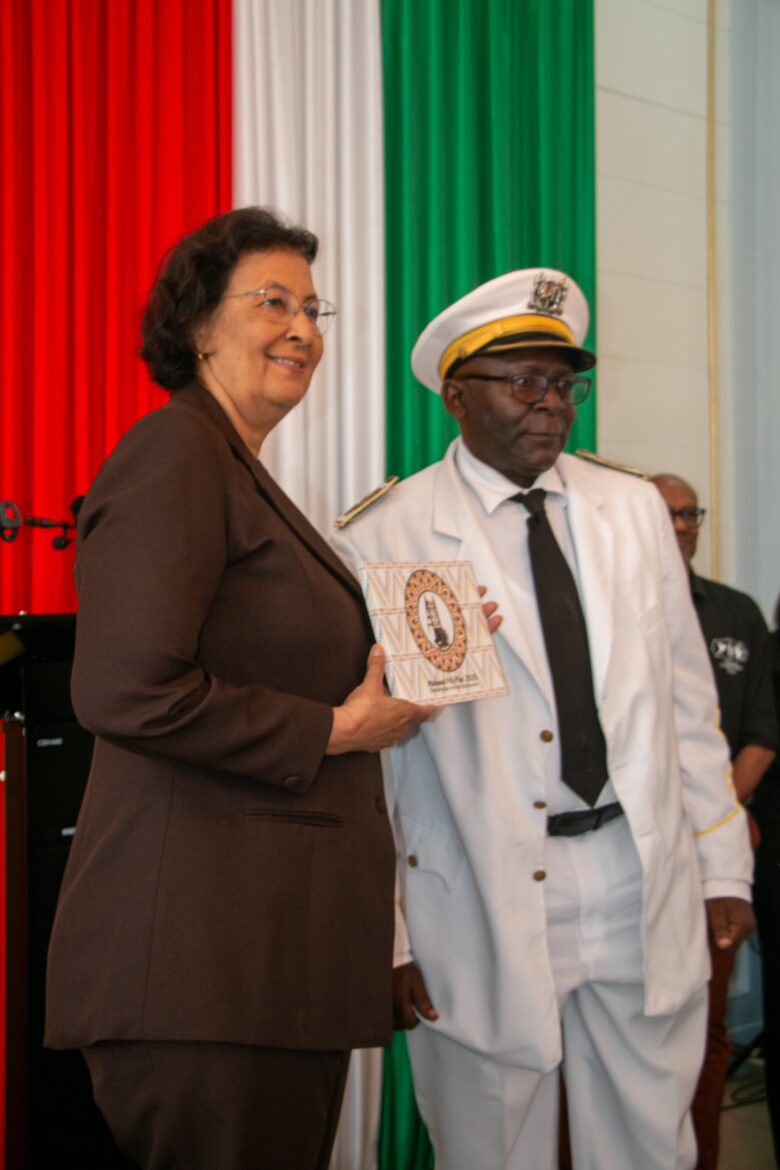
This December, traditional authorities from the Coeroenie and Matawai regions officially handed over their development plans—the Tareno Development Plans and the Matawai Fiti Plan—to the Government of Suriname. The ceremony was attended by President Jennifer Geerlings-Simons, government ministers, district commissioners, representative from the Inter-American Development Bank, and directors of NGOs working in Indigenous and tribal areas.
This event marks more than the completion of years of careful planning—it represents the recognition of the vision, knowledge, and voice of the Tareno and Matawai communities in guiding the future of their lands and cultures.
A Community-Led Approach to Development
Since 2021, the Tareno villages—and later, Matawai communities—have been working closely with the Amazon Conservation Team (ACT-Guianas) to define their own futures. Under the guidance of anthropologists and social scientists, the teams studied planning methodologies developed by an indigenous group in Amazonian Colombia and adapted them to the Surinamese context.
What sets these plans apart is their community-led nature. Villages determined their own development priorities through traditional meetings, known as krutu’s, ensuring that their values, knowledge, and aspirations are at the heart of each plan.
“What makes this new development so important is that it supports Indigenous communities in crafting their own life plans—creating a roadmap for the future of their culture and their territories. If you don’t know where you’re going, you won’t know where you are. And if you don’t have a map, you won’t get there. These plans are both cultural and environmental maps, empowering communities to decide for themselves how they want to move forward. Through partnership with our Indigenous and Maroon colleagues, we are making this future possible.” — Dr. Mark Plotkin, Ethnobotanist & ACT President
Progress Across the Region
- Matawai Territory: Plans have been completed for about ten Matawai villages on the upper Saramacca River, while lower Saramacca River village leaders will soon be visited to understand if they might be interested in entering a comparable trajectory.
- Southern Suriname: Eight of nine Indigenous villages have expressed interest, with five already possessing a completed plan.
Looking ahead, ACT-Guianas expects that coastal tribal and indigenous communities will also join this initiative, expanding the scope of community-led development across Suriname.

Why This Matters
These development plans are not just bureaucratic documents—they are cultural and environmental maps that allow communities to chart their future by grounding it in who they are. Through collective reflection on their history, current realities, and aspirations, communities defined what matters most and how they want to move forward.
With the official submission of these plans to the state, Tareno and Matawai communities hope that their priorities will be meaningfully integrated into national development policy, reinforcing sustainable, community-led development that respects culture, territory, and the environment.
Communitieshave demonstrated their initiatives to take more responsibility. The next step ahead is recognition of collective rights and implementing another layer of inclusiveness.
A Milestone in Conservation and Self-Determination
This milestone demonstrates that when Indigenous and Maroon communities are given the tools to plan for their own futures, culture, conservation, and development can thrive together.
Don’t miss these powerful stories and updates. Sign up for our newsletter today!
Related Blog Posts

Share this post
Bring awareness to our projects and mission by sharing this post with your friends.