

Posts Tagged ‘suriname’
Mongabay: Suriname will not be saved by soybeans (commentary)
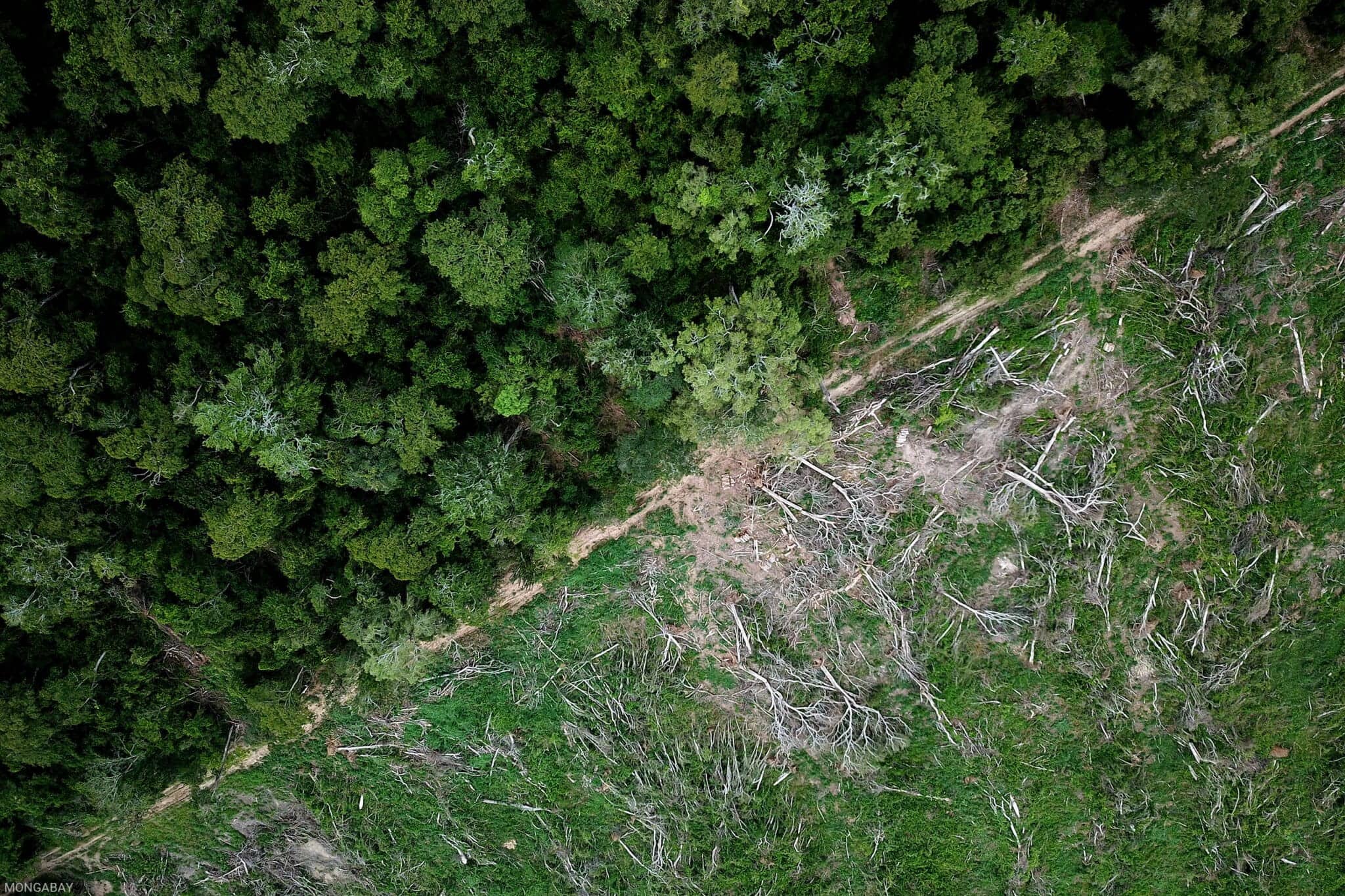
In a new commentary for Mongabay, Dr. Mark Plotkin, ethnobotanist and President of the Amazon Conservation Team, argues that large-scale foreign agribusiness — Brazilian, Mennonite, or otherwise — won’t modernize Suriname’s economy and bring shared prosperity, as promised. Instead, drawing on patterns seen throughout tropical America, he argues it will do the opposite: clearing forest,…
Read MoreThe Invisible Pollinators of the Amazon
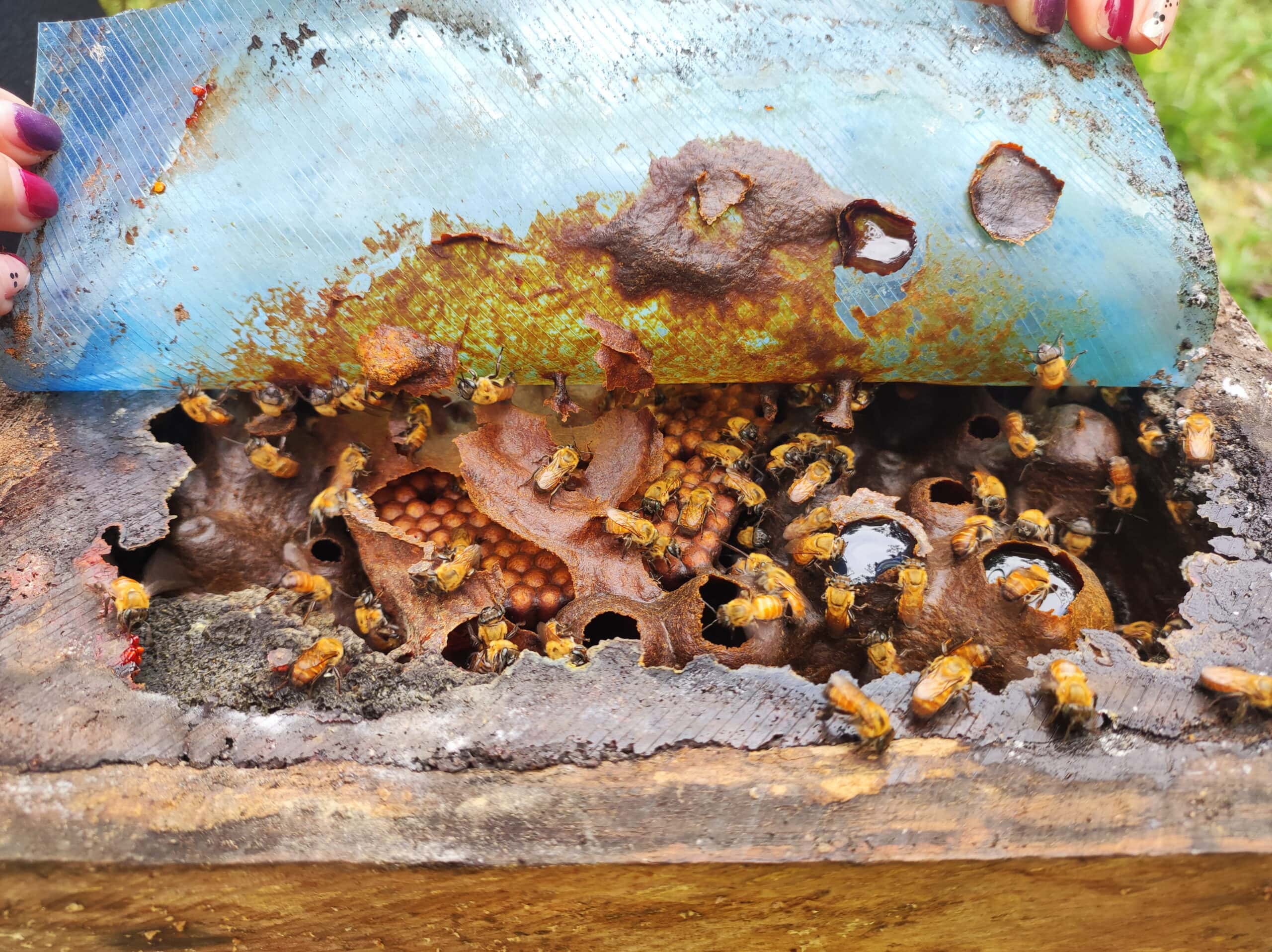
How stingless bees are helping communities protect forests, preserve knowledge, and build sustainable futures When people think of bees, they usually imagine the common honeybee. But across the Amazon, hundreds of native stingless bee species quietly sustain forests, food systems, and cultural traditions, often without being noticed at all. Hidden inside hollow trees and deep…
Read MoreHow Tareno and Matawai Communities Are Advancing Indigenous-Led Development Plans in Suriname
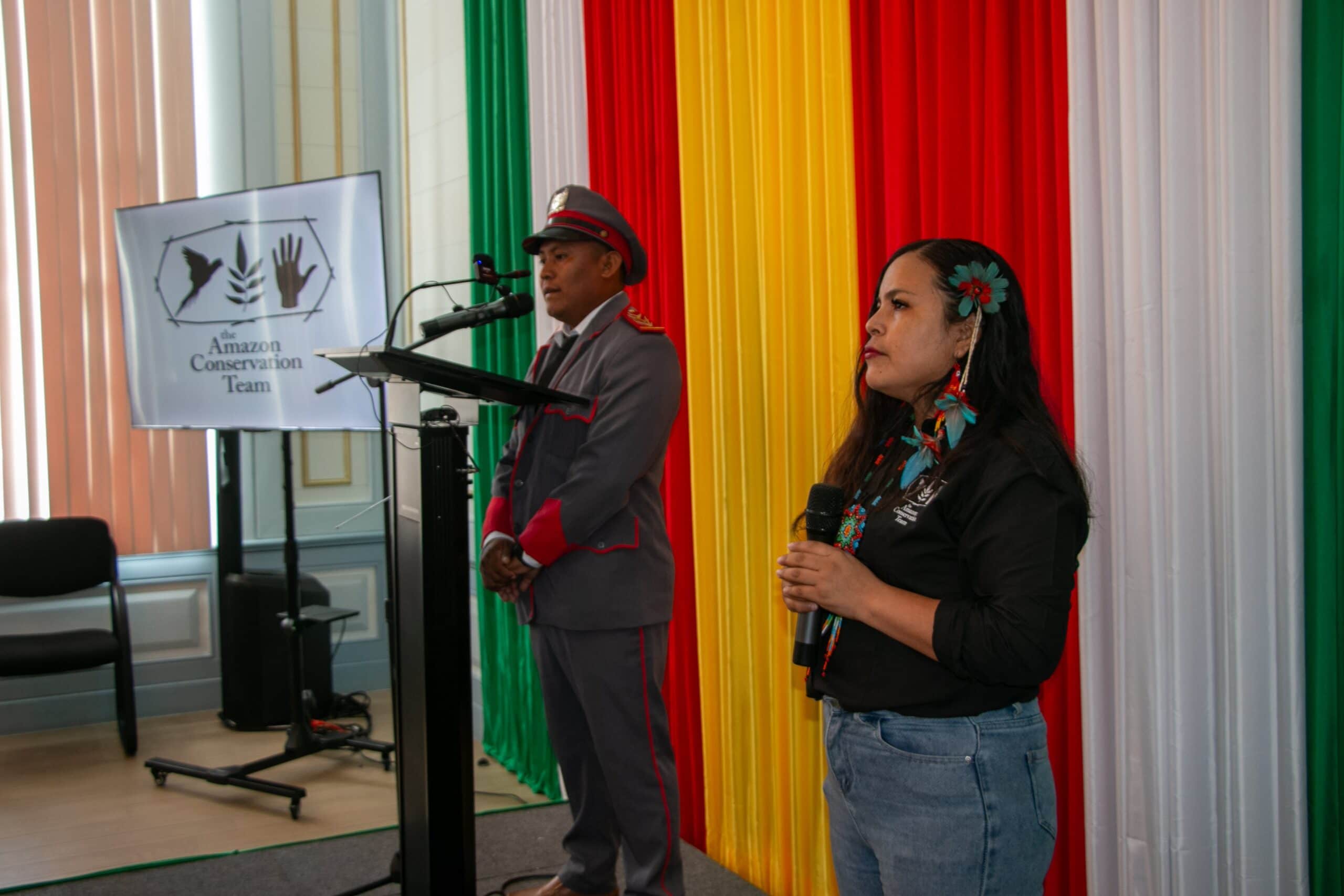
A historic moment for Suriname’s Indigenous and Maroon communities. This December, traditional authorities from the Coeroenie and Matawai regions officially handed over their development plans—the Tareno Development Plans and the Matawai Fiti Plan—to the Government of Suriname. The ceremony was attended by President Jennifer Geerlings-Simons, government ministers, district commissioners, representative from the Inter-American Development Bank, and directors of NGOs working in Indigenous and tribal areas. This event marks more…
Read MoreA People Who Resist Collectively: The Gathering of the Wai Wai
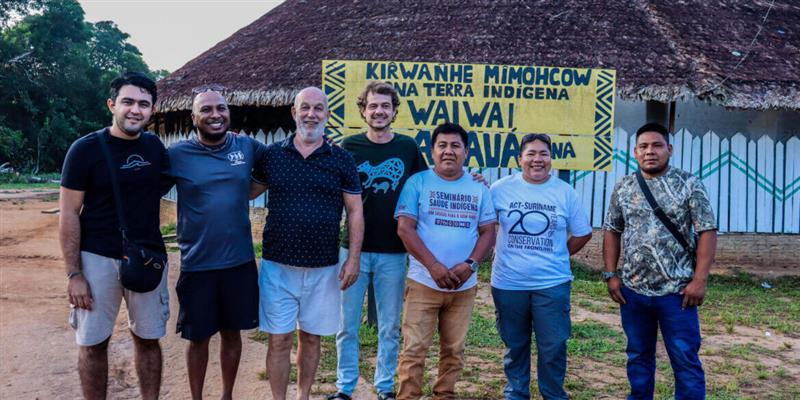
The Wai Wai are an Indigenous people who live across portions of the Guianas (Guyana and Suriname) and northern Brazil, especially in the south of Brazil’s Roraima state. Informal records link their name, which derives from the Karib language family, to the armadillo. The armadillo may be perceived as emblematic of the Wai Wai identity…
Read MoreTraining Community Rangers to Protect the World’s Greenest Country

At the airport in Suriname’s capital city, travelers are greeted by a sign beneath a vibrant photo of frogs, parrots, and other rainforest creatures. It reads: “Welcome to Suriname: The most forested country in the world.” Tucked on the northeastern edge of South America, the former Dutch colony is the continent’s smallest country by both…
Read MoreLands of Freedom: Preserving and Honoring the Heritage of the Matawai
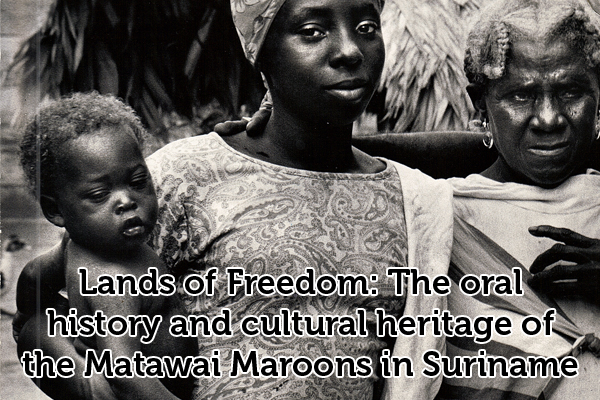
The Matawai Maroons of Suriname—descendants of enslaved Africans who fled into the rainforest over 300 ago, where they have remained ever since— in partnership with ACT, are launching a new interactive Storytelling Map showcasing their centuries-old oral histories about their ancestral lands and culture.
Read MorePerseverance and Adaptation in the Face of COVID-19

How the global pandemic is impacting our indigenous partner communities in Suriname – a conversation with ACT’s Rayan Madhar on traditional knowledge in Suriname during COVID-19.
Read MoreFrench humanitarian operation for indigenous Surinamese

July 11, 2020 – Publication: StarNieuws France has donated 280 aid packages totaling some 4,000 kg of food and basic goods to indigenous Surinamese villages severely affected by Covid-19, flooding and isolation. The first packages were brought to Kwamalasamutu by plane on July 10. The French used the budget allocated to the July 14 celebration…
Read MoreIsh Jamanthy and ACT-Suriname hold relief action for flooded villages of southern Suriname
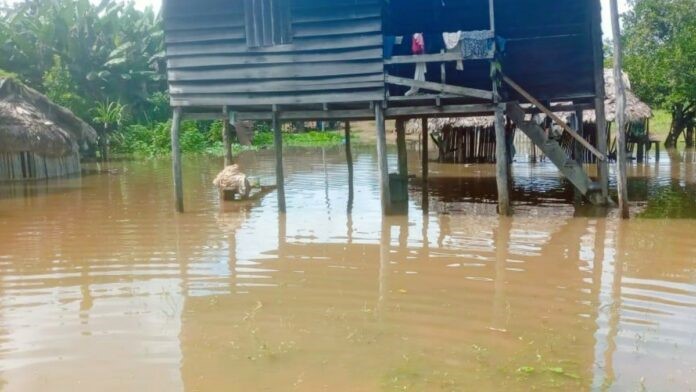
June 26, 2020 – Publication: Waterkant The water installation company Ish Jamanthy Suriname, in collaboration with the Amazon Conservation Team Suriname, has launched an aid campaign for the residents of affected villages in South Suriname (Sipaliwini district). The indigenous and Maroon villages in this region of Suriname were hit by an extreme thunderstorm last week,…
Read MoreIndigenous concerns increased due to the spread of Covid-19
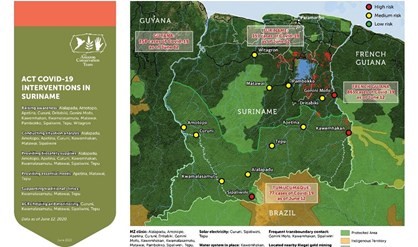
June 15, 2020 – Publication: De Ware Tijd (DWT Online) PARAMARIBO – Theodoris Jubitana, president of the Association of Indigenous Village Heads in Suriname (VIDS), is deeply concerned that eleven people from the indigenous village of Sipaliwini are infected with the new coronavirus. Referring to President Desi Bouterse’s prediction that if people in the interior…
Read More