

Posts Tagged ‘indigenous rights’
Going at Nature’s Pace: The Story of ASOMI
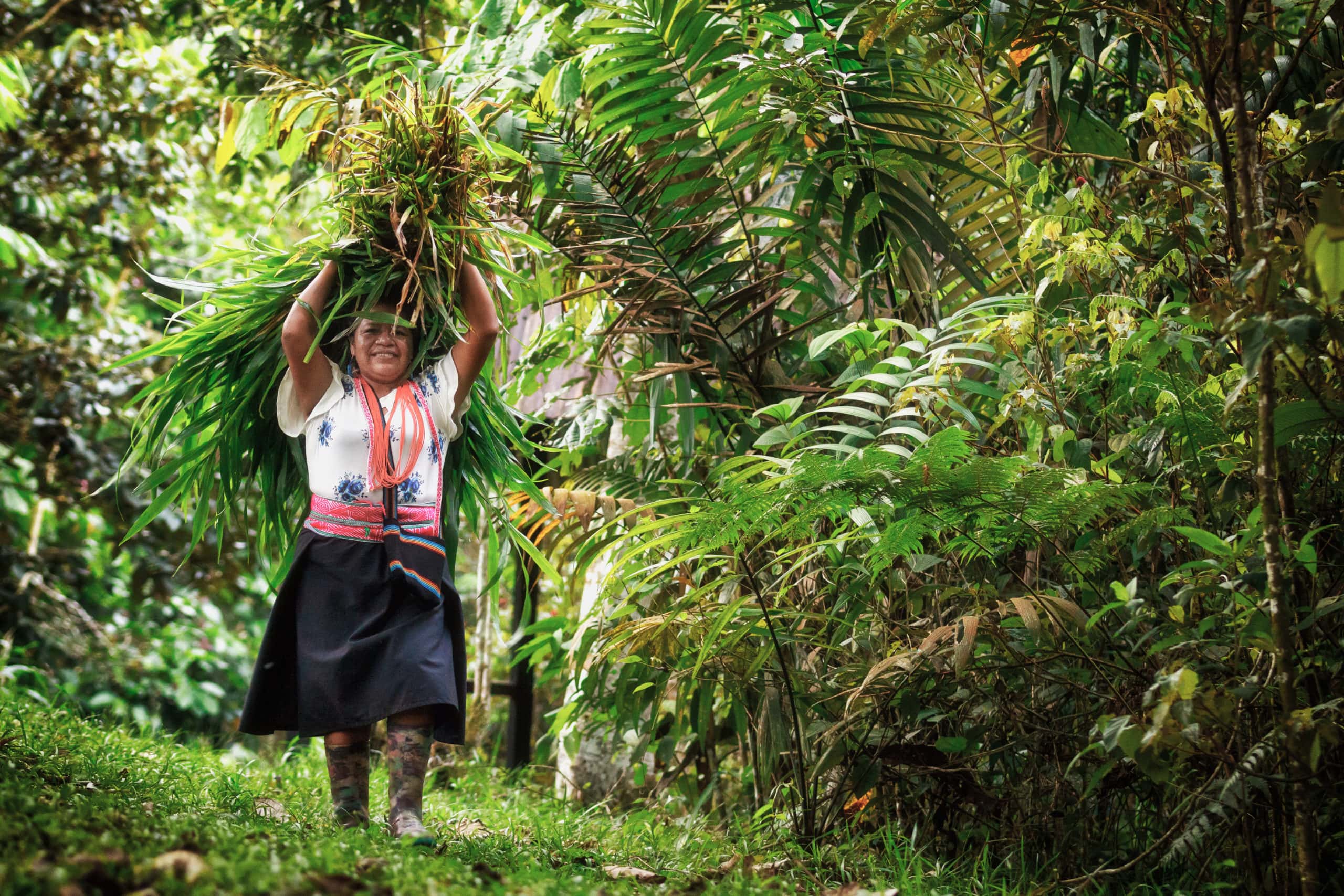
With the occasion of ACT’s 25th anniversary, Maria del Rosario Chicunque—Charito, the formidable leader that some of you have met—and I want to share the wonderful, glorious, painful, and ultimately extraordinary path that led to the creation of ASOMI, the Association of Indigenous Women, and their private reserve in Colombia. ASOMI’s headquarters is aptly called La Chagra de la Vida, or the Garden of Life. As with all gardens, it nourishes us with blessings of food, beauty, and joy, but it needs proactive tending and weeding in return—never-ending tasks that can give us scrapes, blisters, and scars.
Read MorePueblos Indígenas en Aislamiento o Estado Natural en Colombia: Una historia reciente de los retos para su protección
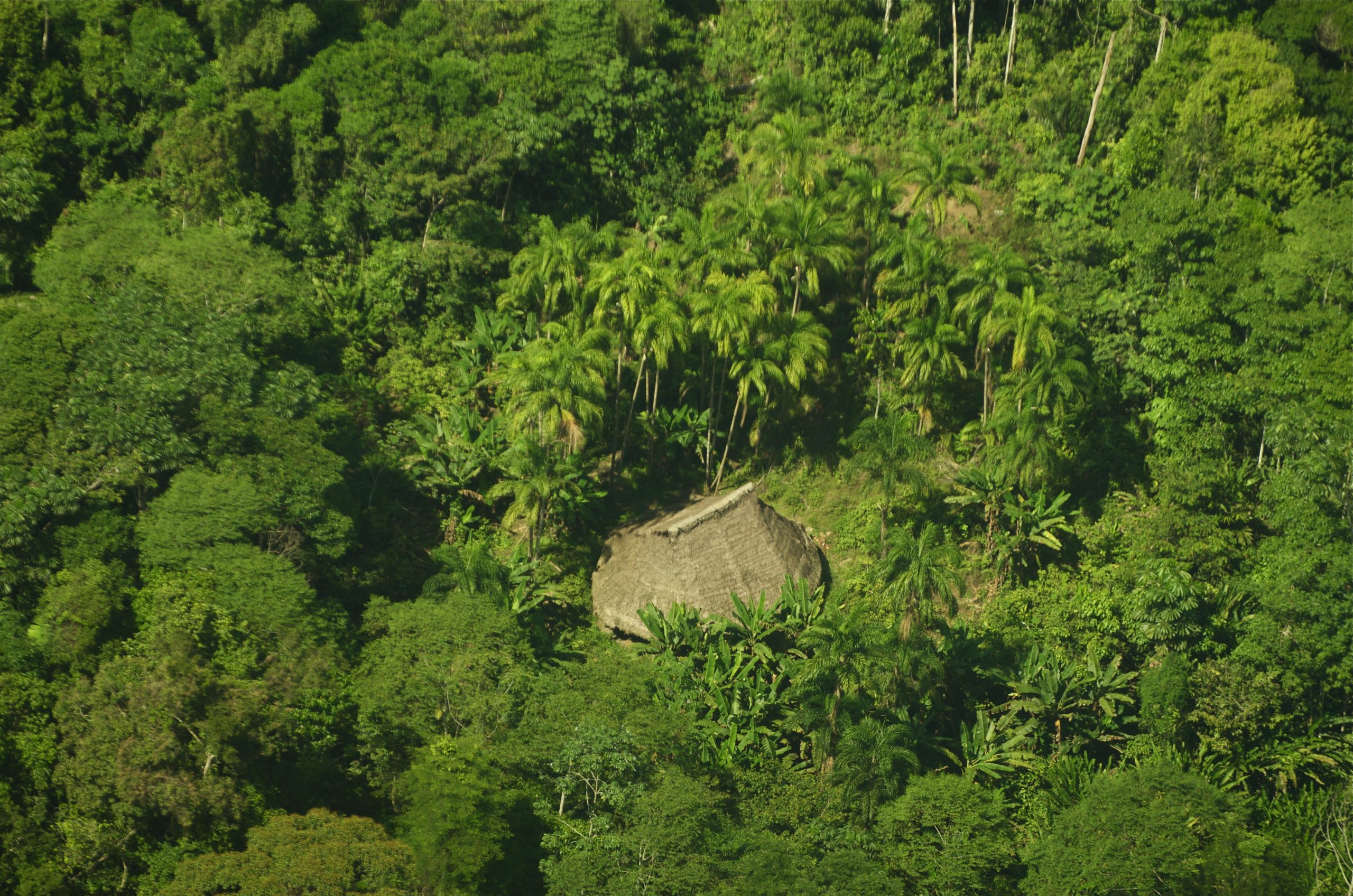
Since the end of the 19th and beginning of the 20th century, there were rumors from rubber and animal skin traders about the presence of peoples who took shelter deep in the adjoining forests. These are peoples who avoid all forms of contact with the surrounding society.
Read MoreIndigenous Peoples in Isolation in Colombia: A recent history of the challenges involved in their protection
Since the end of the 19th and beginning of the 20th century, there were rumors from rubber and animal skin traders about the presence of peoples who took shelter deep in the adjoining forests. These are peoples who avoid all forms of contact with the surrounding society.
Read MoreThe Healing Bees of the Amazon Forest
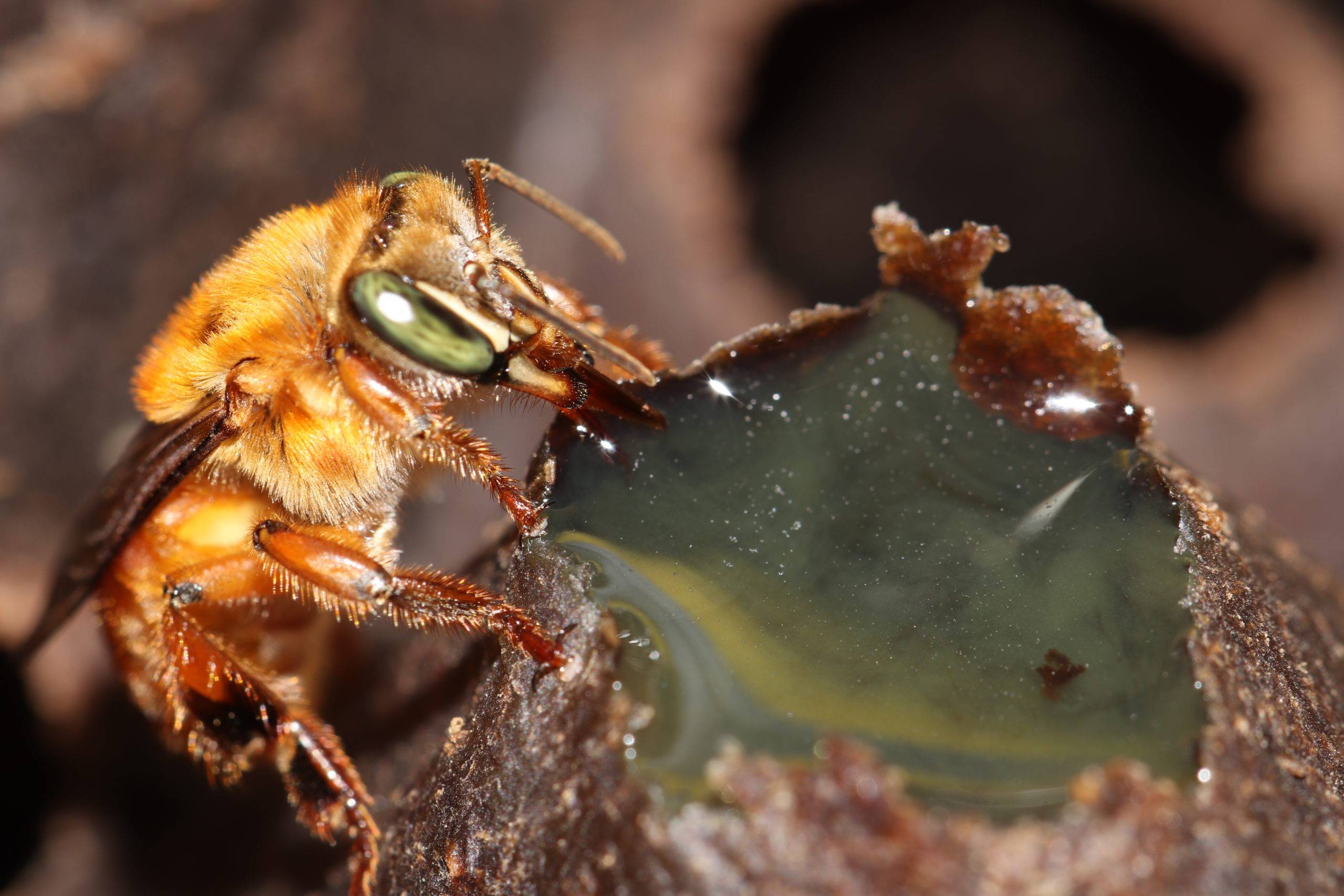
Ancient human societies were not the first to discover the power of plants for healing: for millions of years, bees have used botanical resin exudates—known as propolis—to control the proliferation of microorganisms in their nests. These Amazonian bees possess innate knowledge of medicinal plants. By collecting resin from different trees and plants, they produce one of the first medicine cocktail of animals’ societies, known as propolis. ACT has been strengthening the communities living in the Amazon forest in order to sustainably harvest this product.
Read MoreFor the first time, Colombian Constitutional Court rulings are being translated into indigenous languages
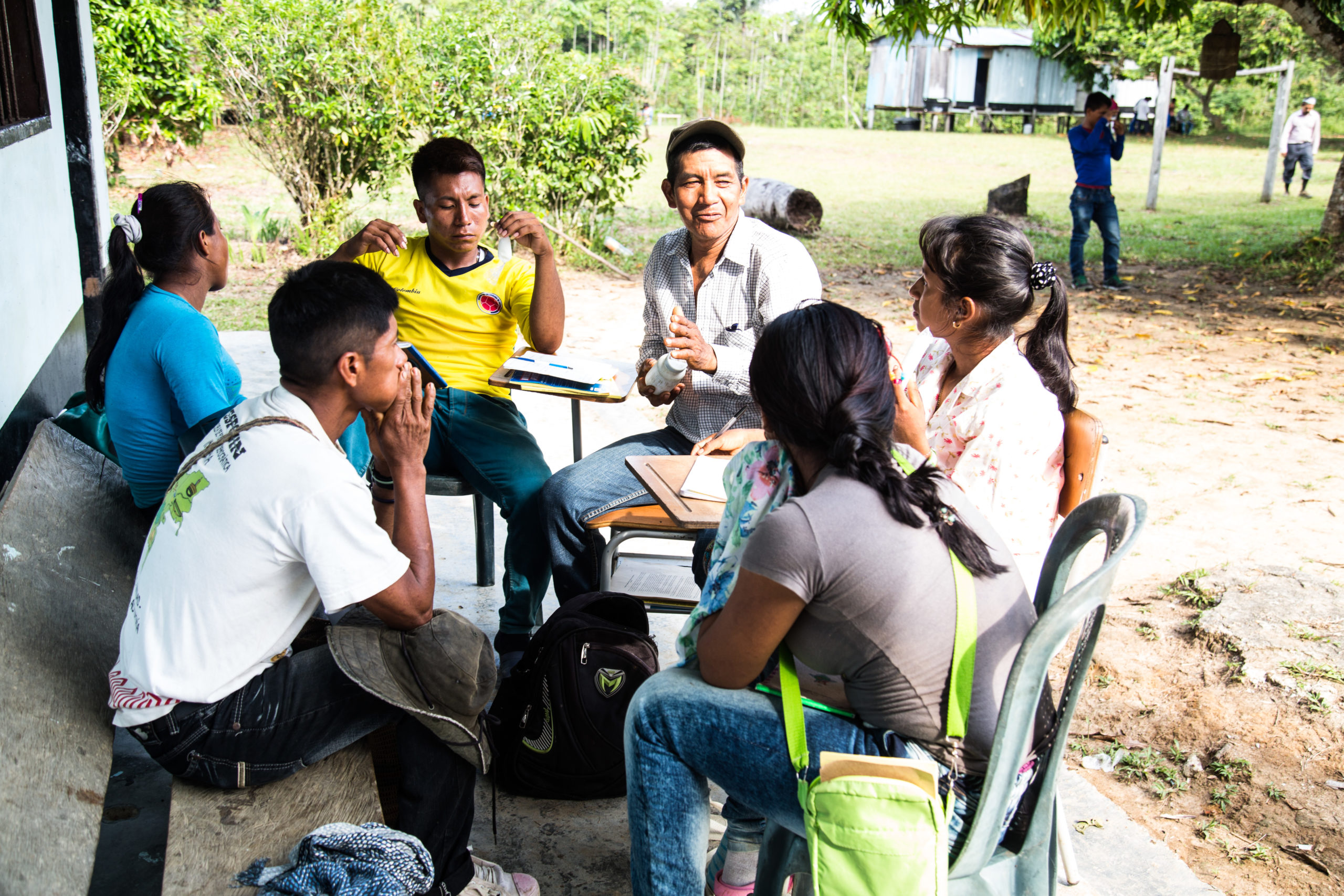
The Amazon Conservation Team and the Colombian Constitutional Court have joined forces to culturally and idiomatically interpret the most significant rulings of the Colombian Constitutional Court with respect to the protection of the nation’s ethnic communities. In a first project phase, the partners and indigenous community members adapted these rulings to 26 of the nation’s 65 languages.
Read MoreStrengthening Indigenous Land Rights in Colombia
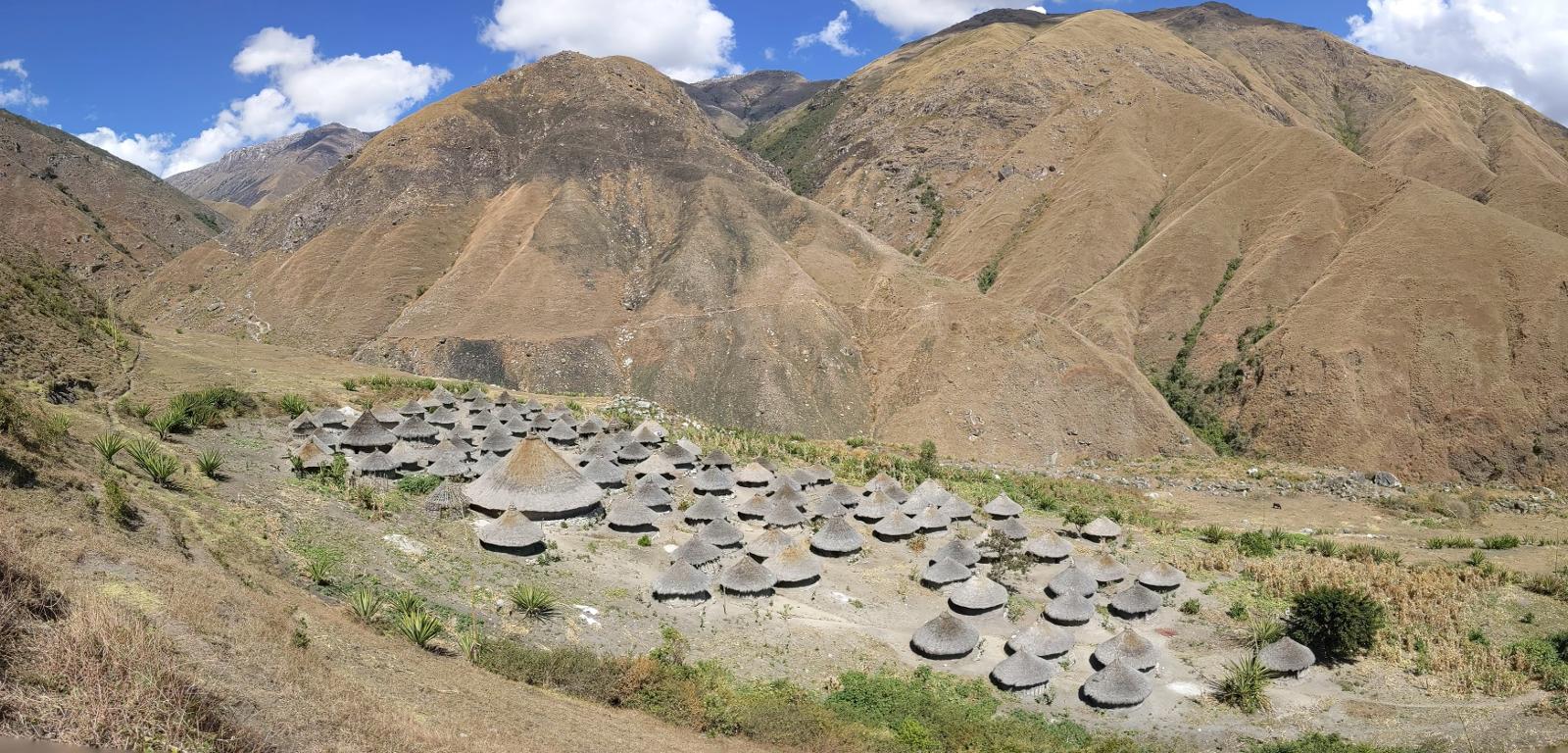
In Santa Marta, Colombia, earlier this year, preparations began for a series of expeditions into the Sierra Nevada de Santa Marta. More than a dozen teams—each composed of indigenous peoples and western professionals—prepared their gear for weeks-long trips into the remote mountains.
Read MoreACT Indigenous Fellowship Program
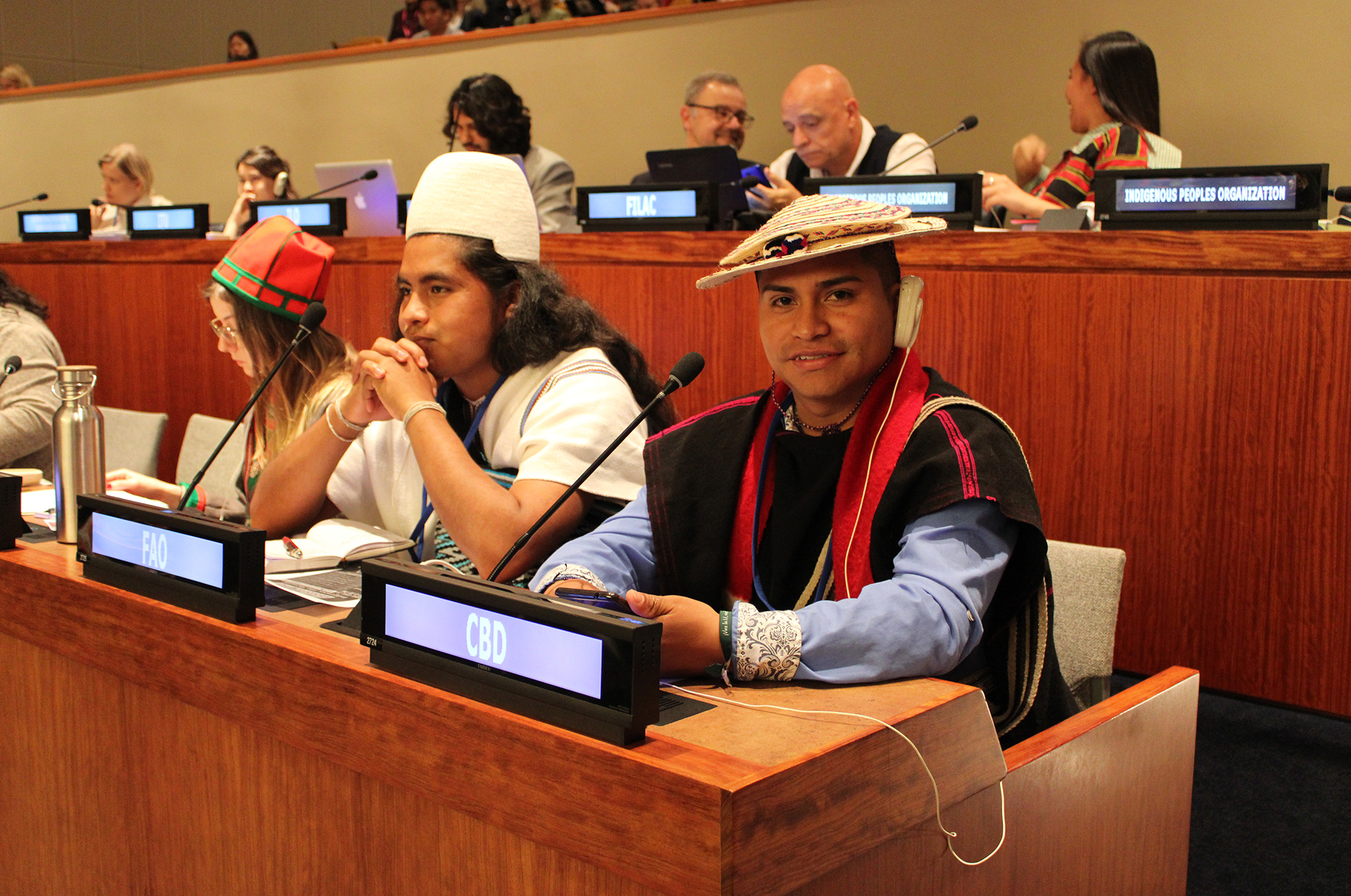
The Amazon Conservation Team (ACT) has established an Indigenous Fellowship Program in partnership with Colombia’s Universidad Externado to provide indigenous college students with the opportunity to better understand the functioning of international cooperation agencies, international conventions, and funding aimed at supporting the rights of indigenous communities.
Read MoreOral Histories: Helping the Kogui Manage their Territory
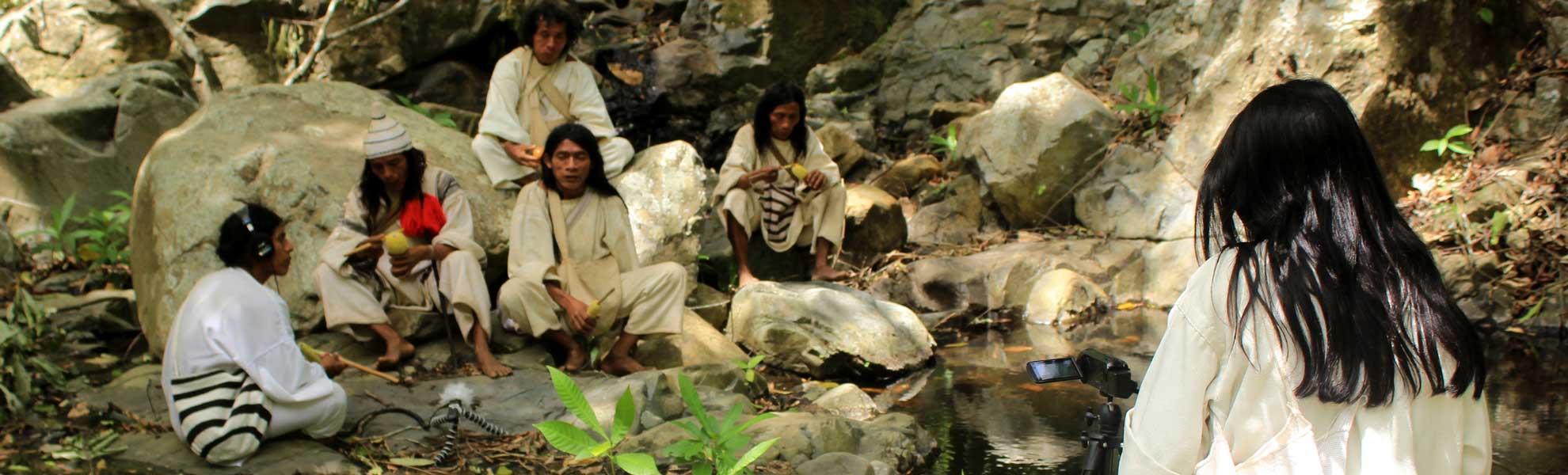
Two of ACT’s objectives in our work at Jaba Tañiwashkaka, a coastal sacred site of the indigenous peoples of Colombia’s Sierra Nevada de Santa Marta region, are to increase the territorial management capacity of indigenous leadership and to establish conservation agreements between the local indigenous and non-indigenous communities. In contexts like the Sierra Nevada de…
Read MoreWhat is the correlation between the protection of indigenous peoples in voluntary isolation and the protection of the Amazon?
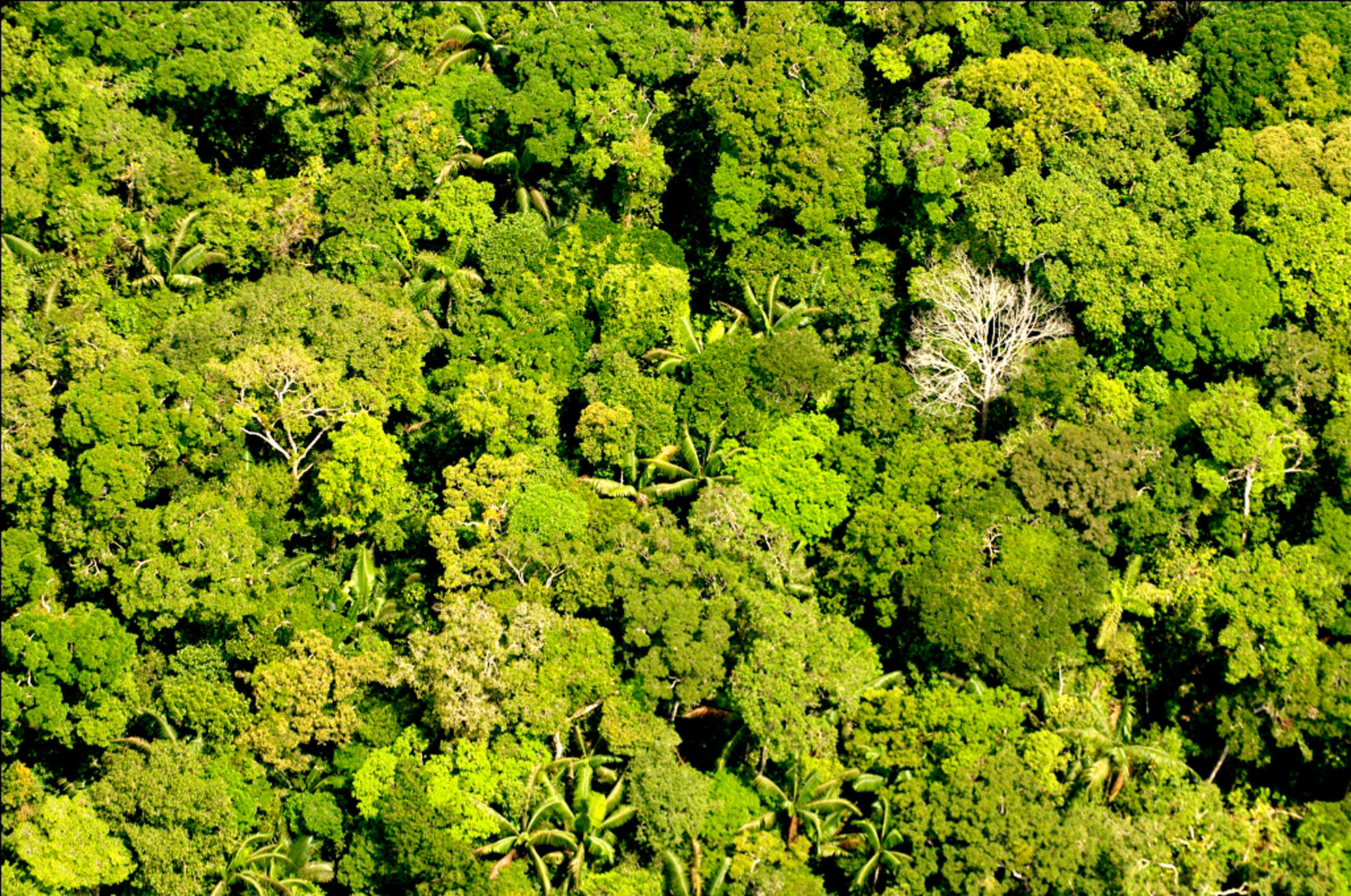
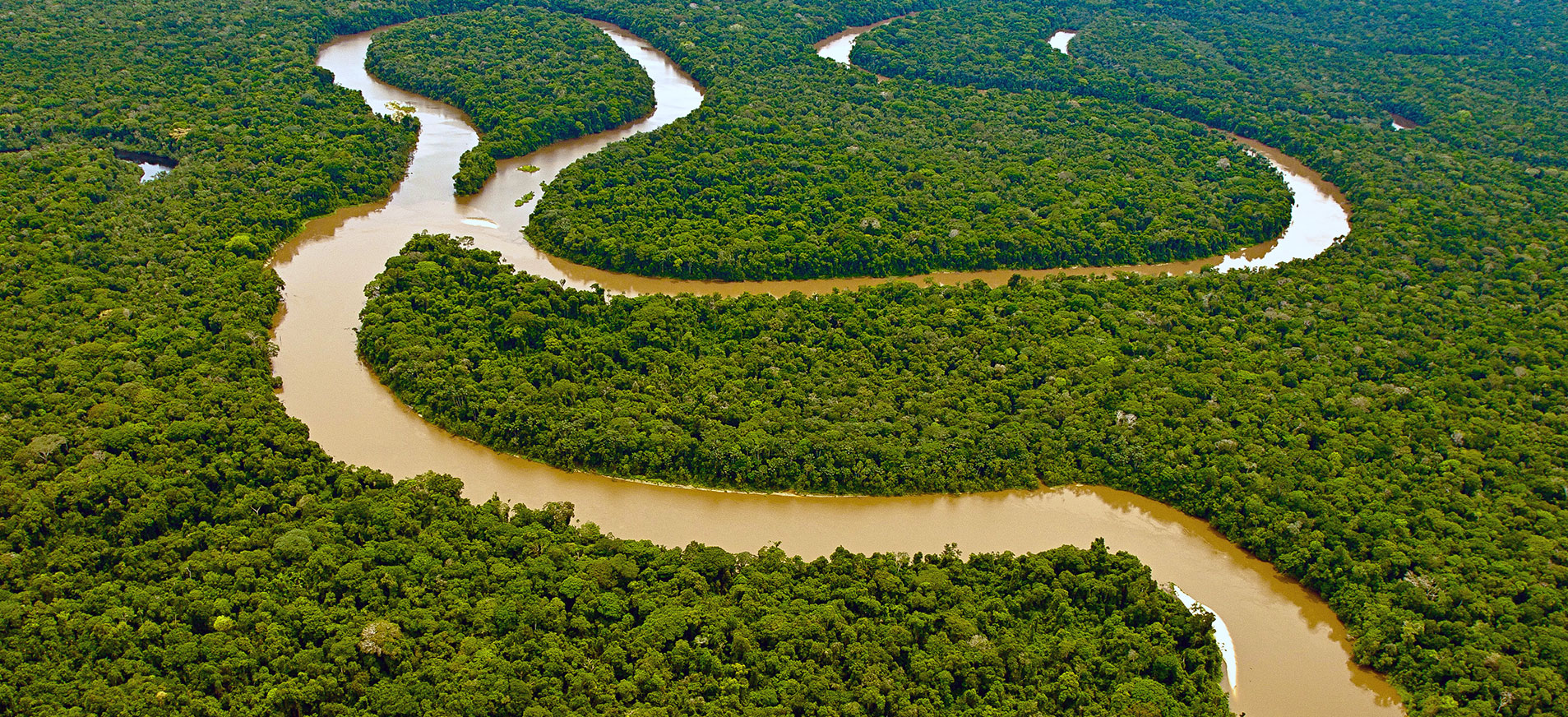
Let’s start with a question. If you lived in South America, and had to run away from society, where would you hide? The most remote areas of the Amazon, where thousands of small rivers are born and eventually become giant waterways—which along the way irrigate millions of trees, and in their final destination feed the…
Read MoreThe River School: Indigenous Communities Learning & Working Together for the Protection of Key Ecosystems in Colombia
Throughout ACT’s more than 20 years of conservation and indigenous rights work in South America, one of the greatest challenges our partner communities voice is the gaining of effective control over their territories. Conspicuously, many countries have legal means through which local autonomy can be achieved, but the communities still need the basic skills necessary…
Read More