

Posts Tagged ‘brazil’
Every Restoration Begins with a Seed
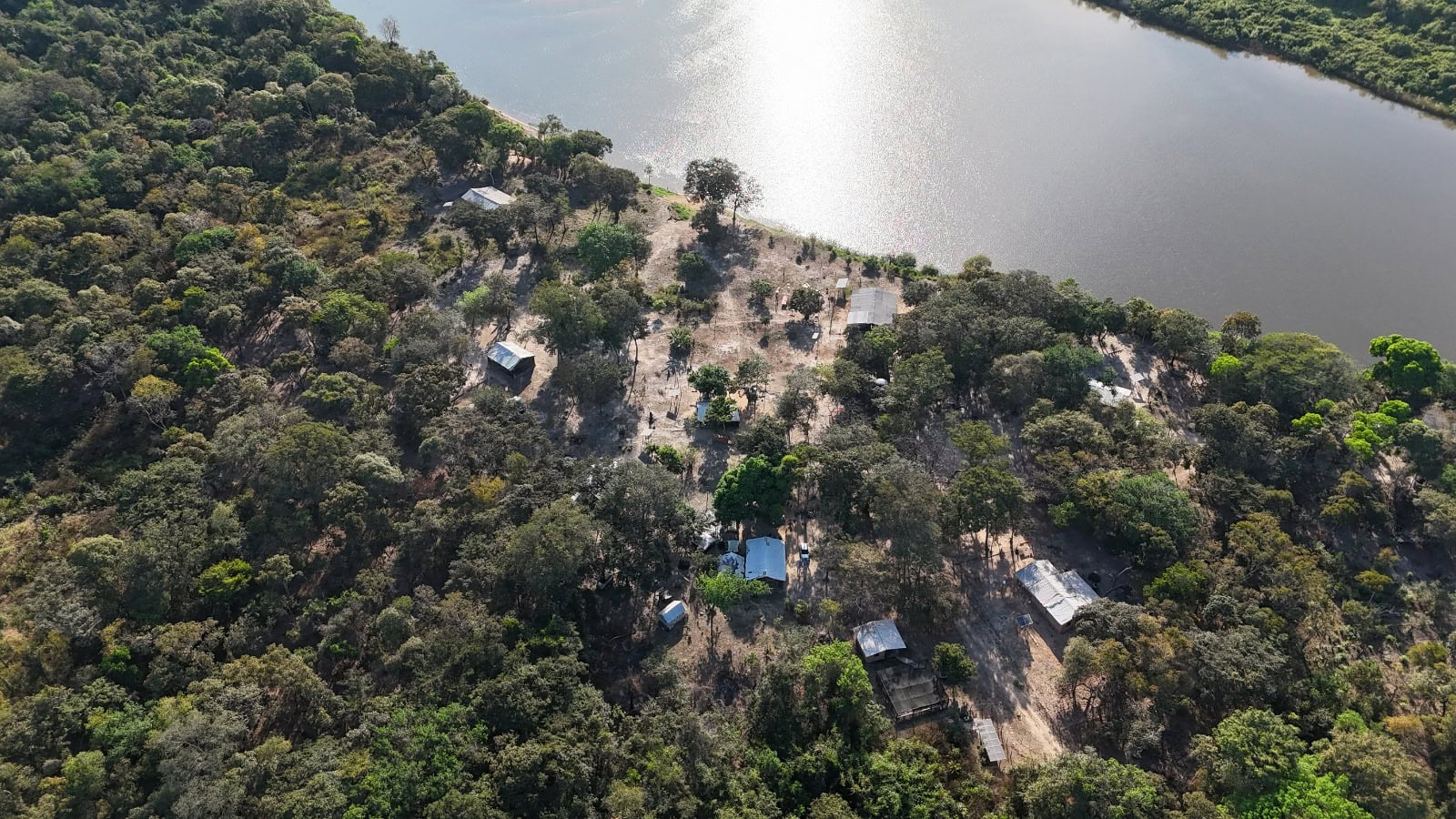
Discover the Agrobiodiversity in Tocantins project, an initiative that brings together productive landscape restoration, Indigenous knowledge, and territorial protection. Restoring a territory requires more than recovering degraded land. It means protecting water sources, helping biodiversity thrive, strengthening food production, and ensuring that future generations inherit territories rich in life, biodiversity, culture, and memory. For Indigenous…
Read MoreThe Nadëb and Kanamary Peoples Launch Territorial and Environmental Management Plans (PGTAs), Reinforcing a Collective Commitment to Protecting Their Territories and Upholding Their Rights
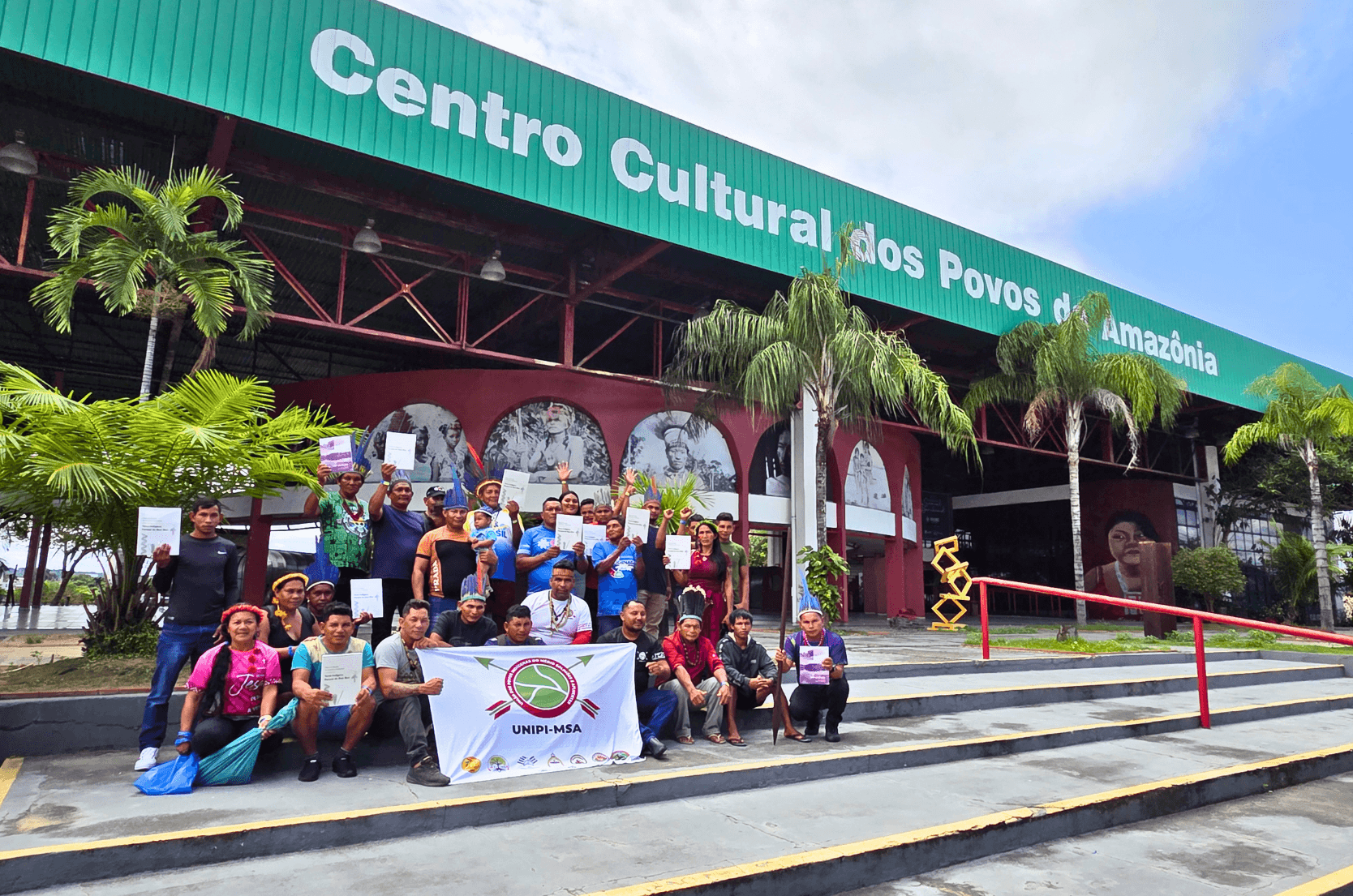
On July 7, 2026, Indigenous leaders, representatives of civil society organizations, public agencies, and partner institutions gathered in Manaus in the Brazilian state of Amazonas to celebrate the launch of the Territorial and Environmental Management Plans (PGTAs) for the Paraná do Boá-Boá and Uneiuxi Indigenous Territories. Developed by the Indigenous Peoples themselves over years of dialogue and collective planning, the documents represent more than management…
Read MoreÃwa People Strengthen Environmental Restoration on Bananal Island
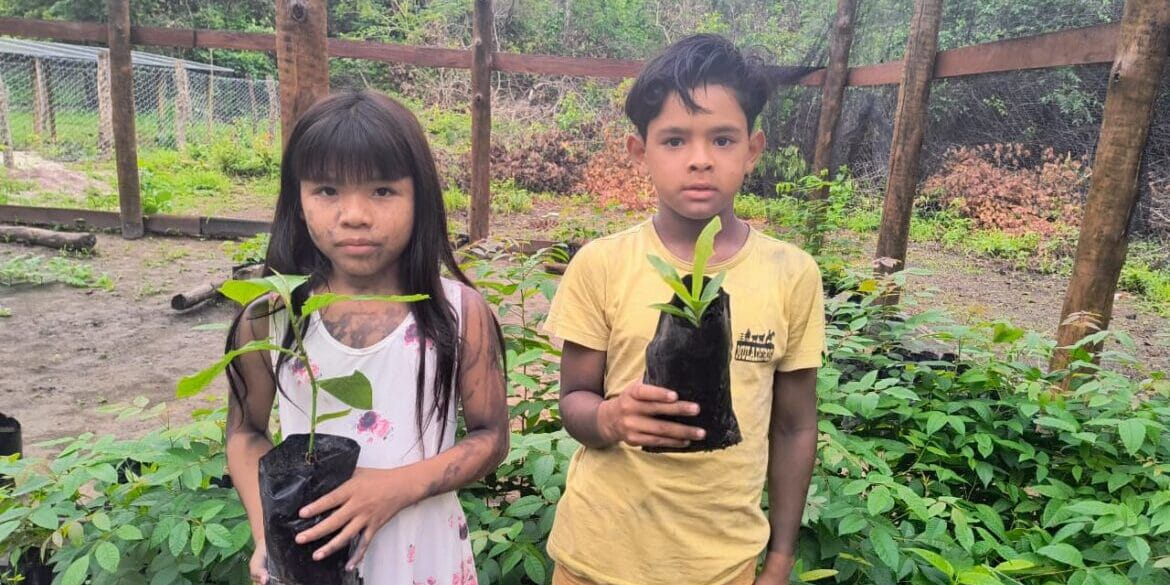
More than 800 seedlings are currently being planted across the territory through the collective work of the entire community. On Bananal Island (Tocantins, Brazil), the Ãwa people are taking new steps toward environmental restoration in their territory. Planting and forest management activities are gaining momentum through the Kawú Nursery, an initiative supported by ACT-Brasil and funded by the Overbrook Foundation and the Scheidel Foundation. Planting Advances in Flooded Areas, with Preparations for Forest…
Read MoreTikuna People Inaugurate Ancestral Museum in the Upper Solimões
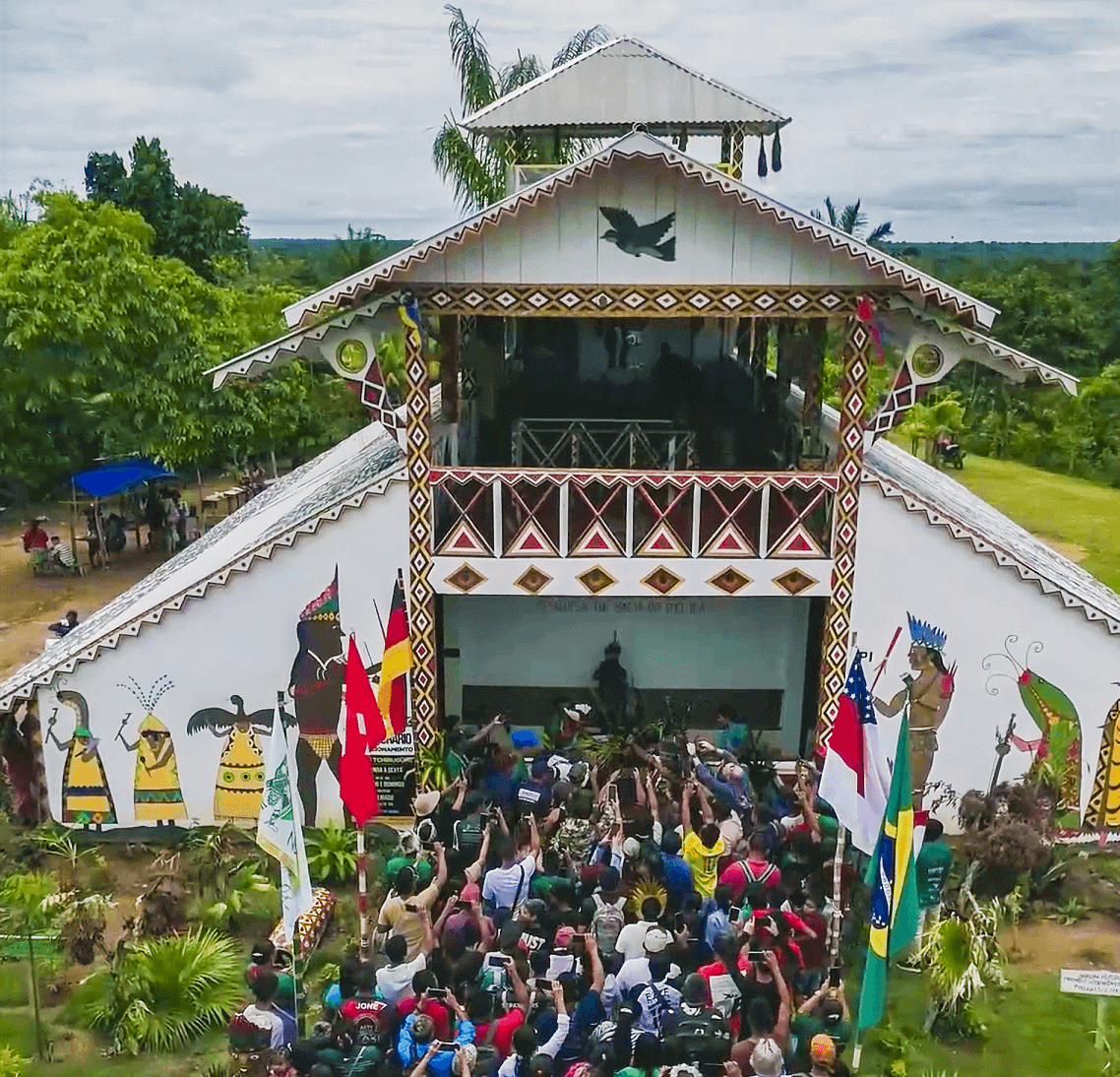
On January 24–25, the Tikuna people inaugurated the Tchirugüne Indigenous Museum in the Indigenous Community of Vila Betânia Mecürane, in the Upper Solimões region of Amazonas, Brazil.
Read MoreA People Who Resist Collectively: The Gathering of the Wai Wai
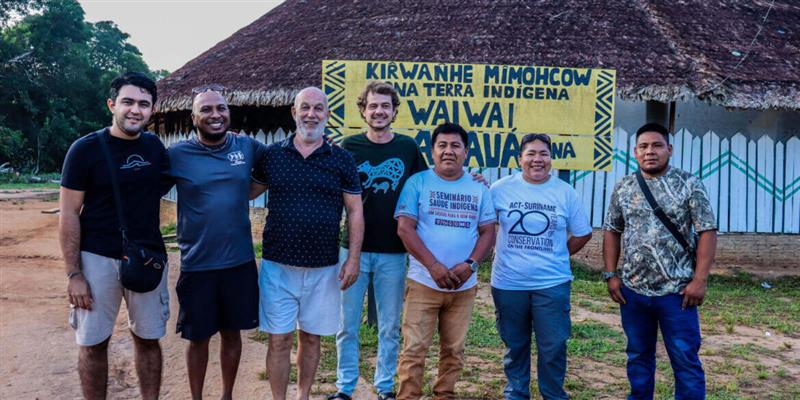
The Wai Wai are an Indigenous people who live across portions of the Guianas (Guyana and Suriname) and northern Brazil, especially in the south of Brazil’s Roraima state. Informal records link their name, which derives from the Karib language family, to the armadillo. The armadillo may be perceived as emblematic of the Wai Wai identity…
Read MoreIndigenous Women March for Territories and Life
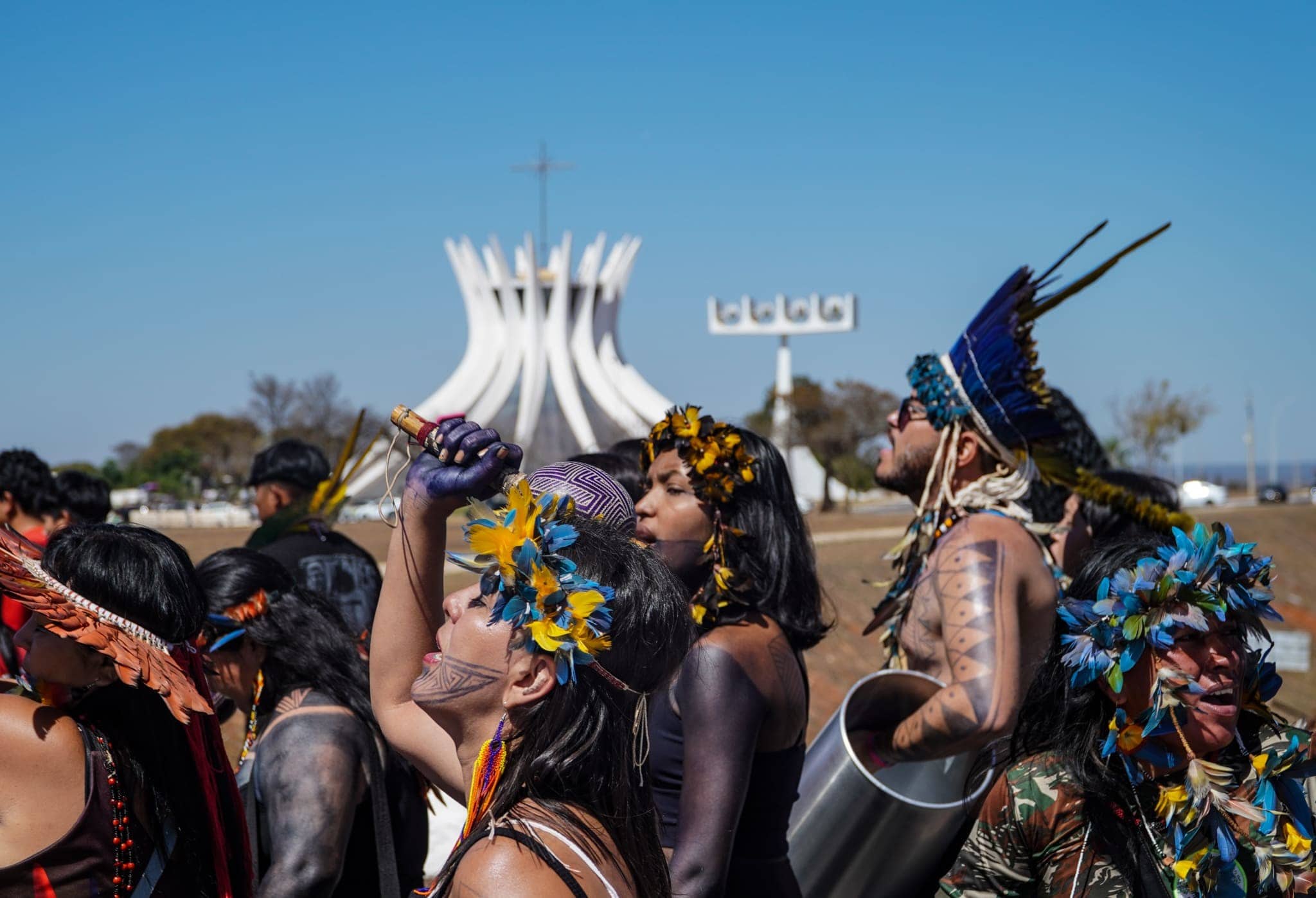
In August 2025, more than five thousand Indigenous women occupied Brasília, Brazil’s capital city, to advocate for their rights at the 4th Indigenous Women’s March. The mobilization culminated in the development of proposals for a National Policy Plan for Indigenous Women. From August 3 to 7, 2025, the event assembled thousands of women from Brazil’s…
Read MoreFilhas da ancestralidade: mulheres indígenas se reúnem por territórios e pela vida
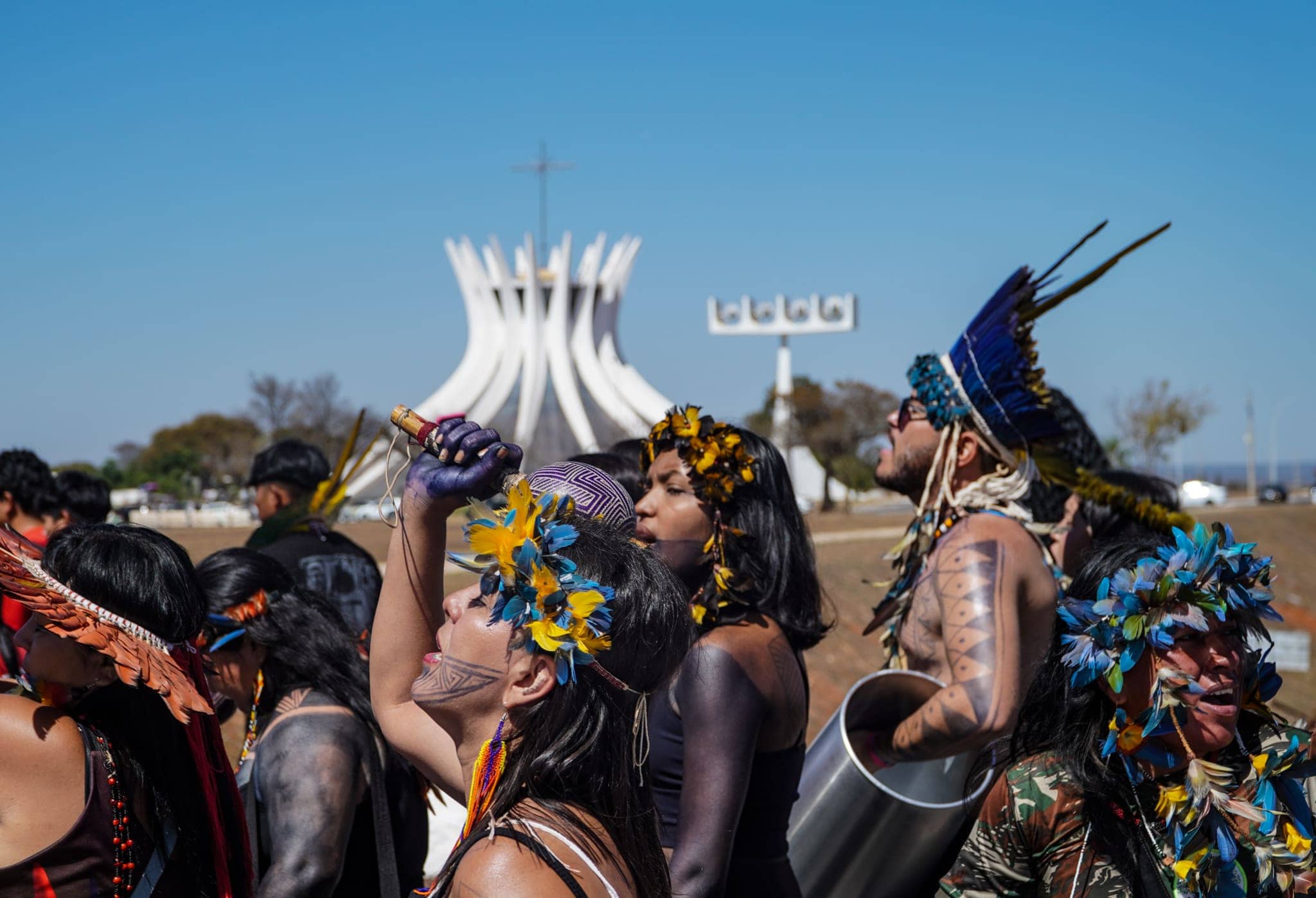
Mais de cinco mil mulheres indígenas ocuparam Brasília para incidir por direitos. A mobilização culminou na construção de propostas para o Plano Nacional de Políticas para as Mulheres Indígenas. Entre os dias 3 e 7 de agosto, a IV Marcha das Mulheres Indígenas trouxe milhares de mulheres dos seis biomas brasileiros para ocupar a capital…
Read MoreWithout Territory, There Is No Climate Justice for the Kokama People
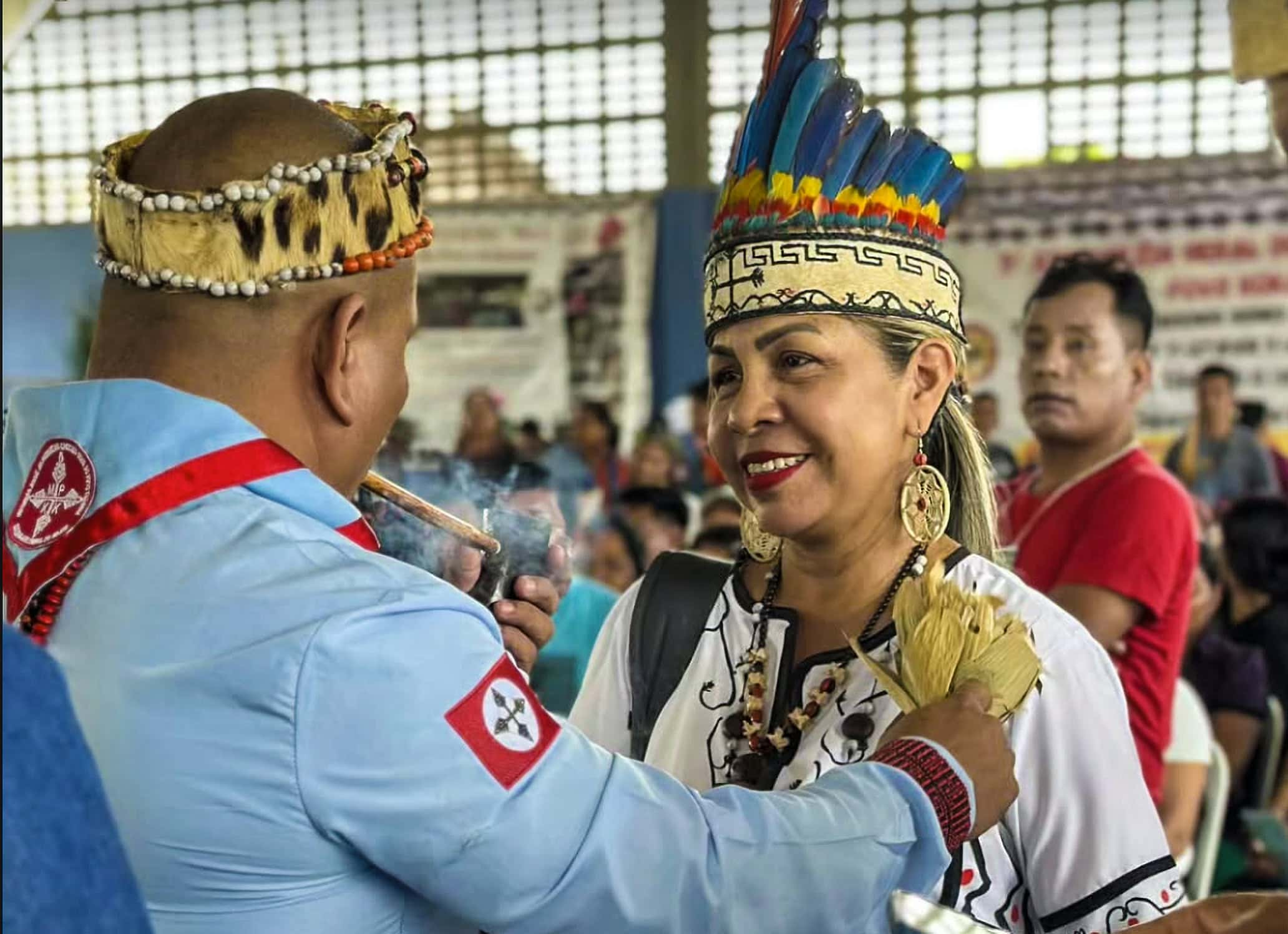
The 7th Assembly of the Kokama People focused on land rights, education, health, and the preservation of language and traditional knowledge within the broader context of the climate crisis. Held in Amaturá, in the state of Amazonas, from July 8–11, the 7th General Assembly of the Kokama People’s Movements marked an important milestone in the…
Read MoreSem território, não há justiça climática para o povo Kokama
A 7ª Assembleia do povo Kokama debateu demarcação, educação, saúde e valorização da língua e dos saberes tradicionais dentro do contexto da crise climática. Realizada em Amaturá, no estado do Amazonas, entre os dias 8 e 11 de julho, a 7ª Assembleia Geral dos Movimentos do Povo Kokama foi um importante marco na luta indígena…
Read MoreWhy Indigenous Land Rights Matter: A Powerful Message from the Amazon
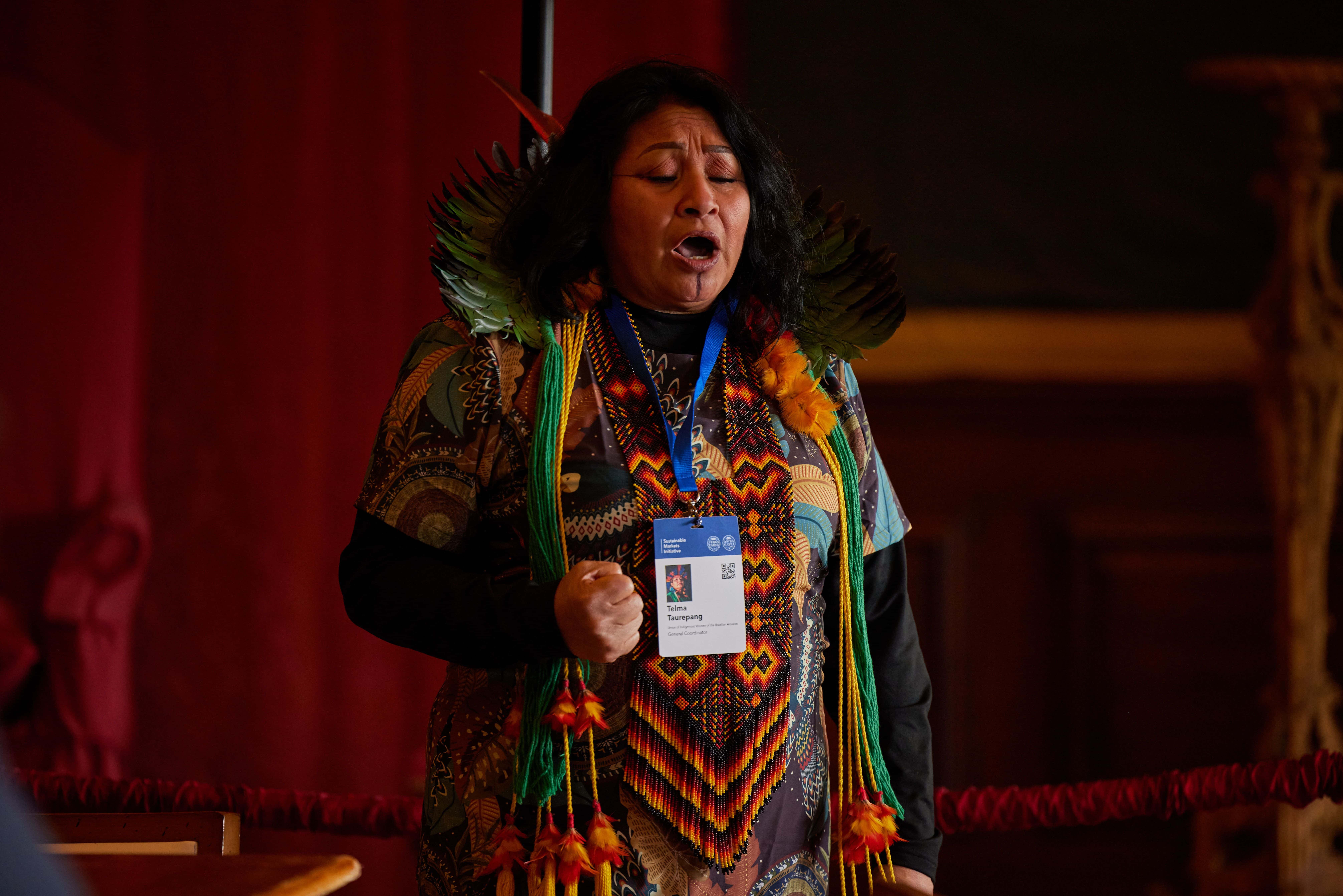
An Indigenous Voice at a Global Event Imagine standing in front of some of the world’s most powerful business leaders and telling them they need to do better. That’s exactly what Telma Taurepang, an Indigenous leader from the Amazon and an Amazon Conservation Team – Brasil assembly member, did in London at the Terra Carta…
Read More