
Healthy Communities
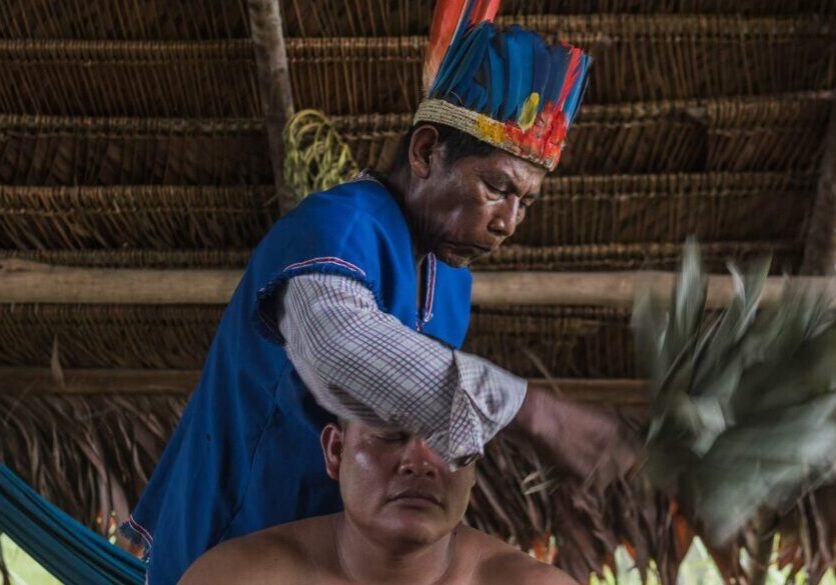
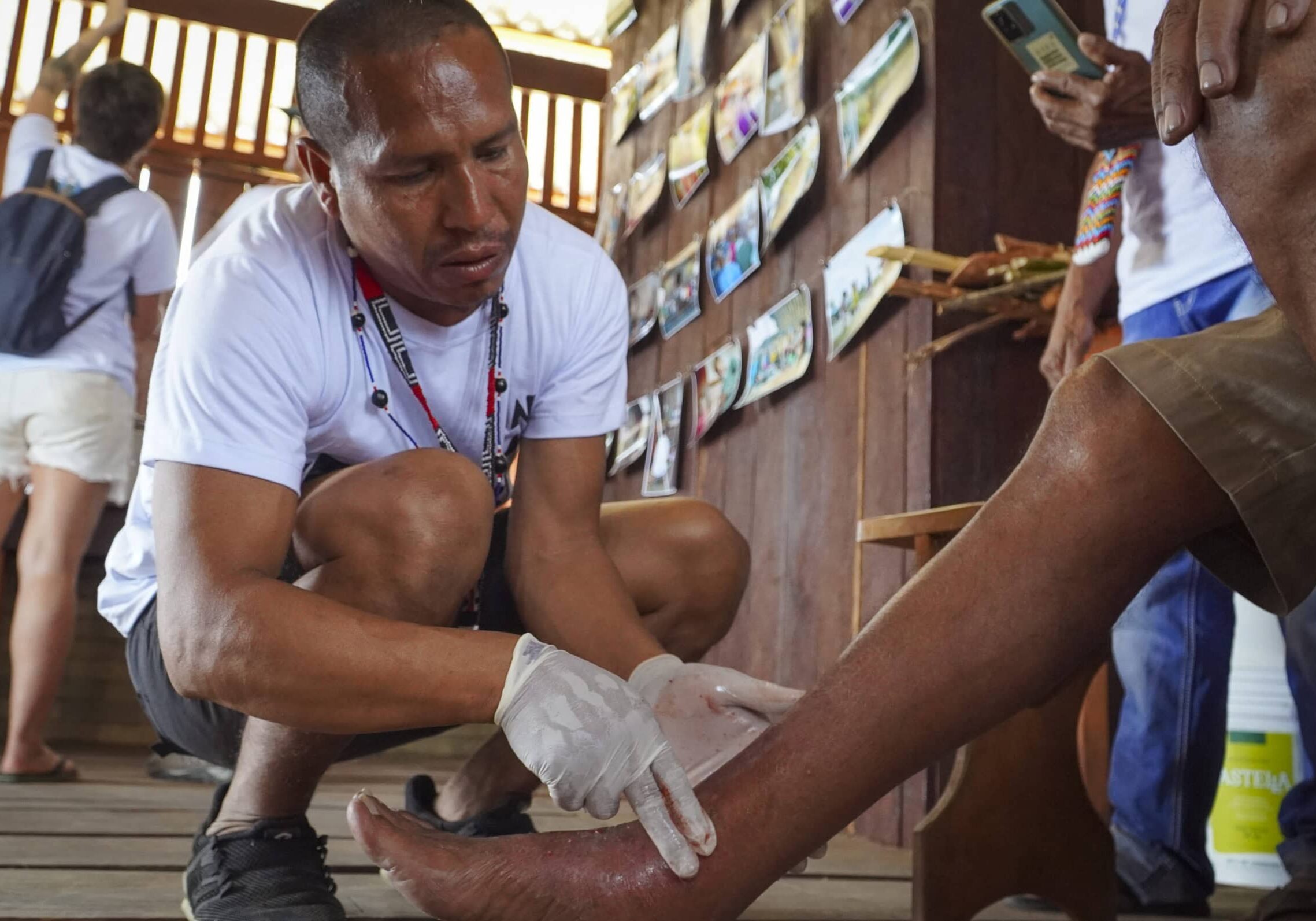
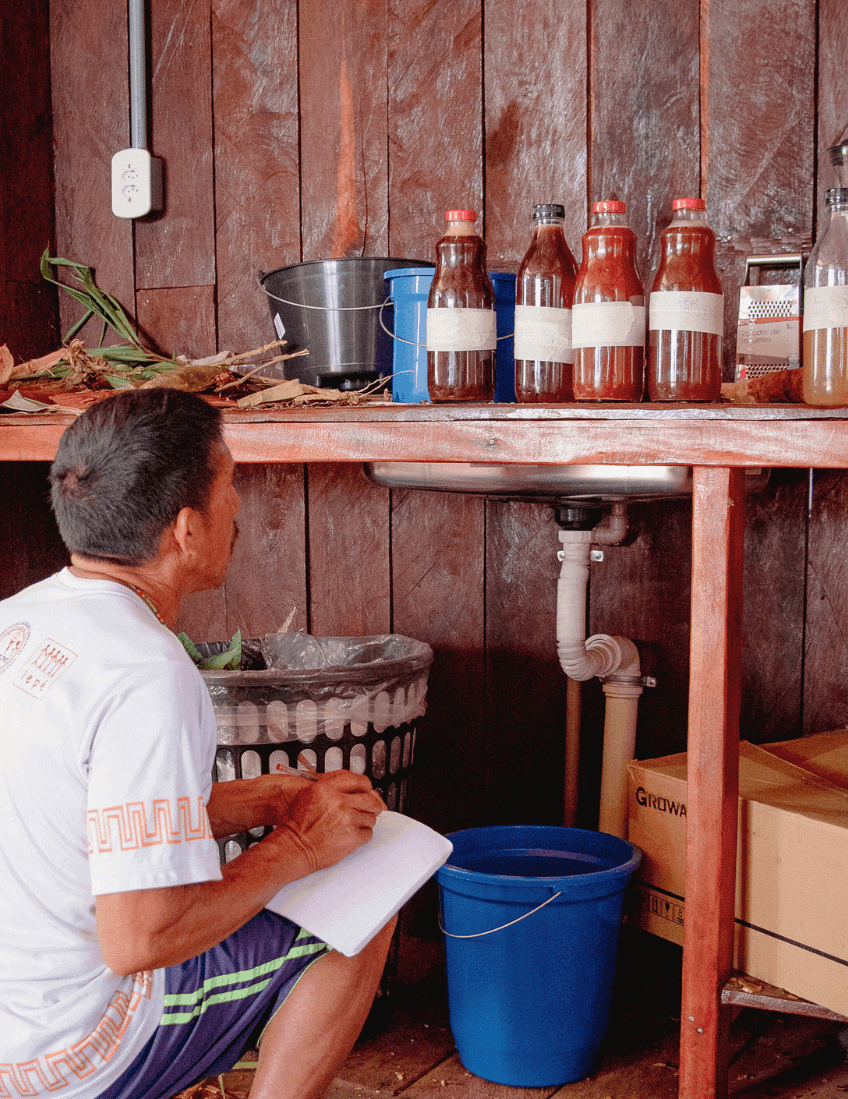
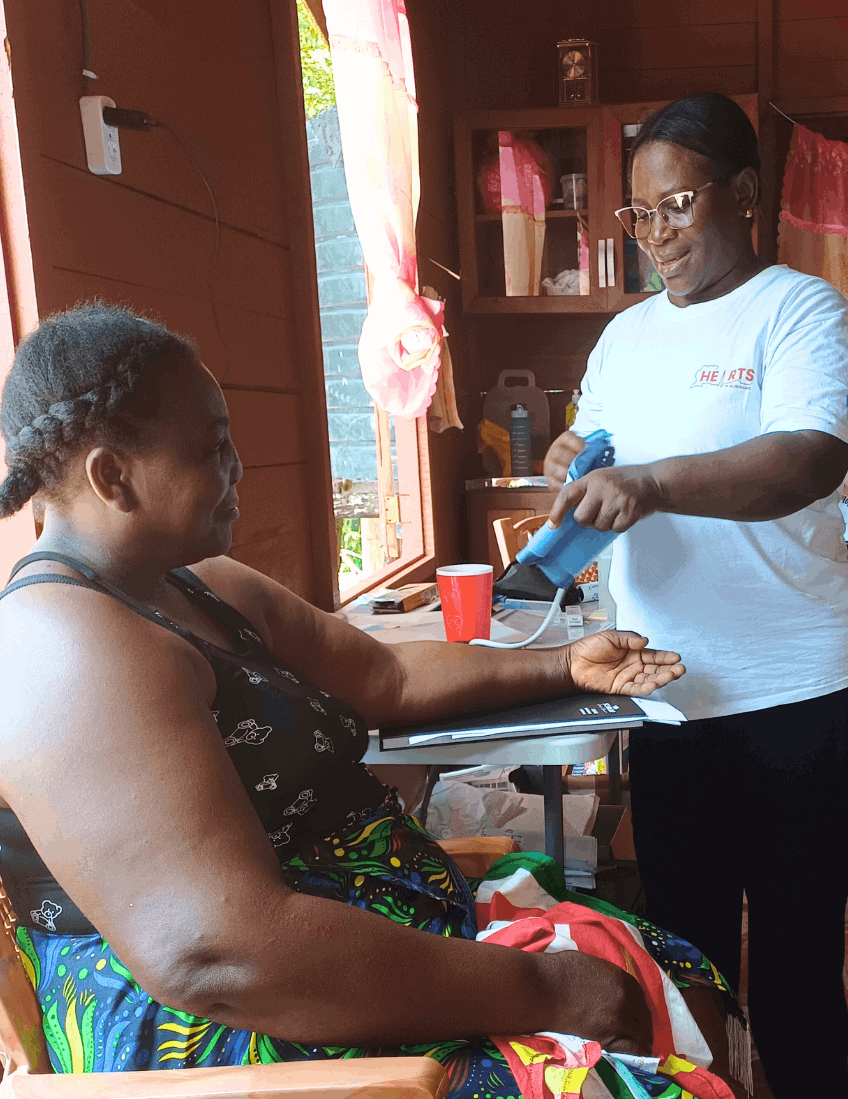
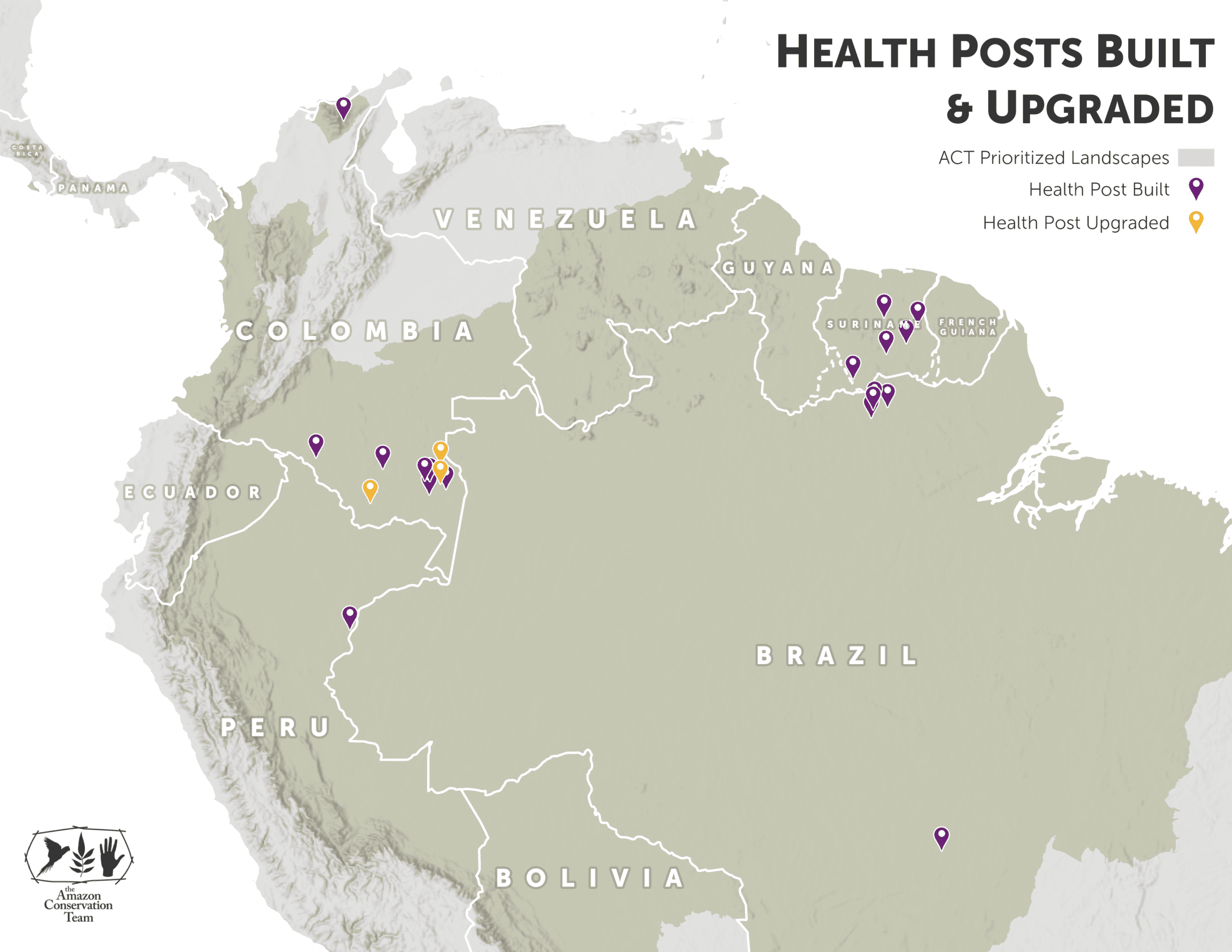
Intercultural healthcare systems: We support Indigenous-led health posts that combine ancestral medicine and modern care, ensuring culturally appropriate healthcare reaches remote communities.
Healthy Forests
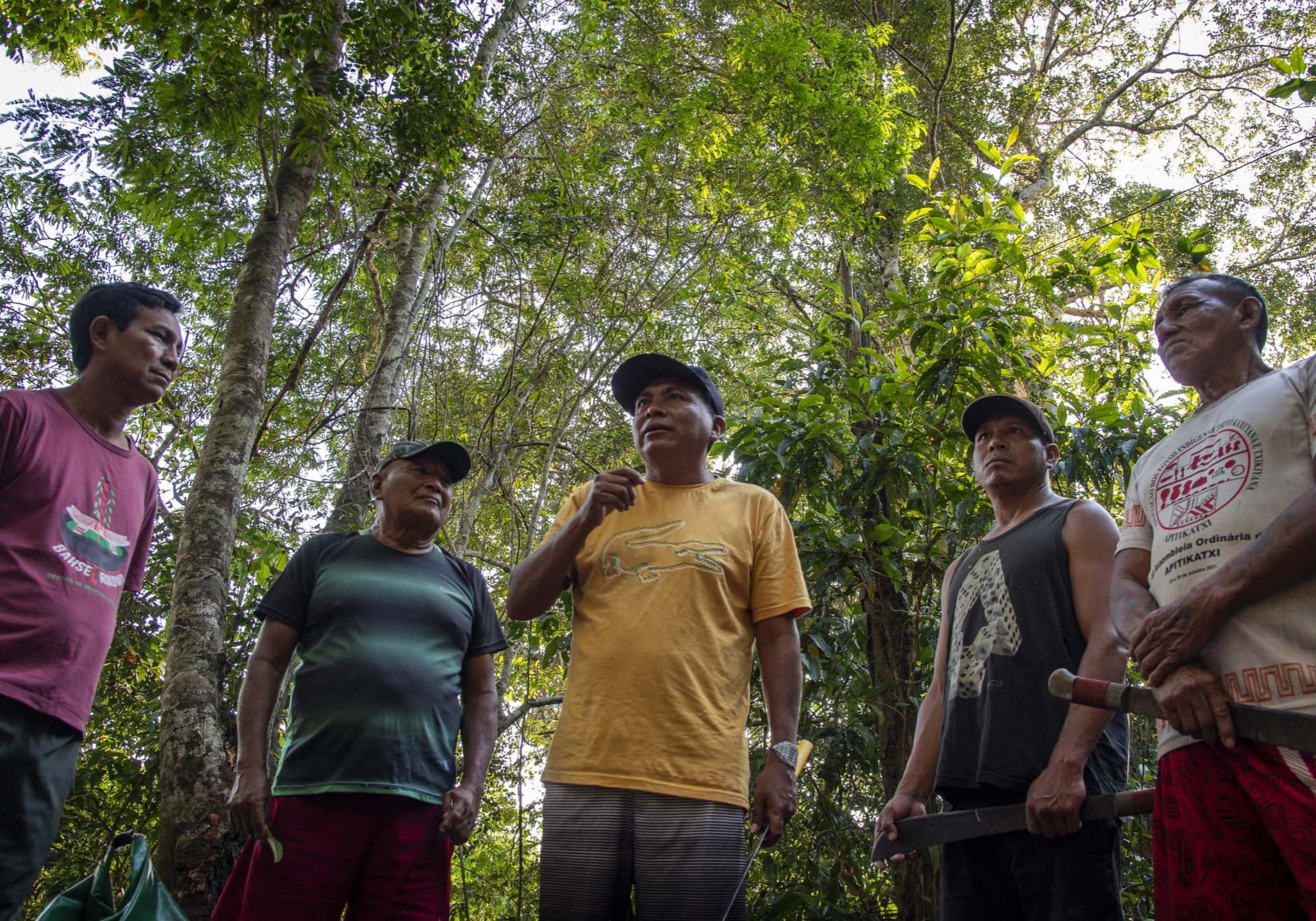
Conservation prevents disease: Protecting forests helps prevent diseases linked to ecosystem destruction, deforestation, and climate disruption.
Ancestral Knowledge
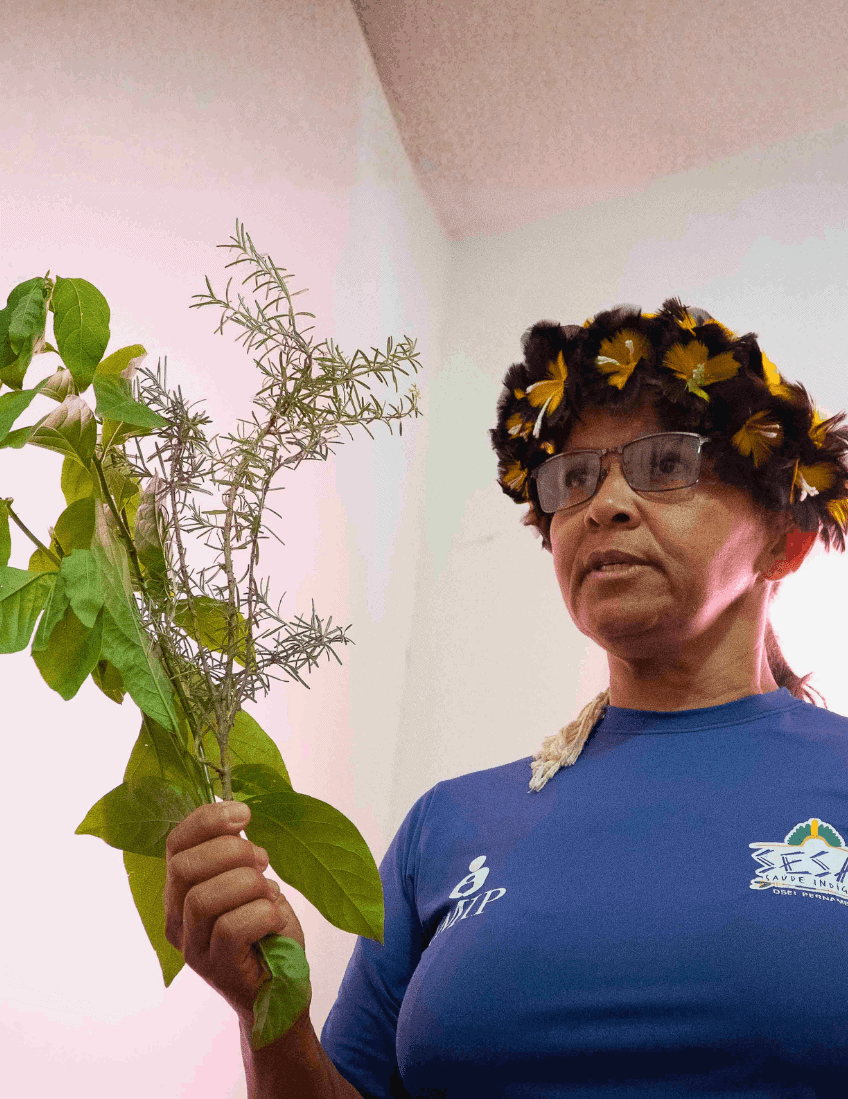
Traditional knowledge sustains life: Indigenous knowledge systems maintain biodiversity, protect ecosystems, and strengthen climate resilience.
What Is the One Health Approach?
The One Health approach recognizes that human health, animal health, and ecosystem health are inseparable.
Global health institutions now acknowledge that environmental destruction increases the risk of disease emergence. Changes in ecosystems, wildlife trade, deforestation, climate change, and habitat fragmentation create conditions for new diseases to spread.
Yet this understanding is not new.
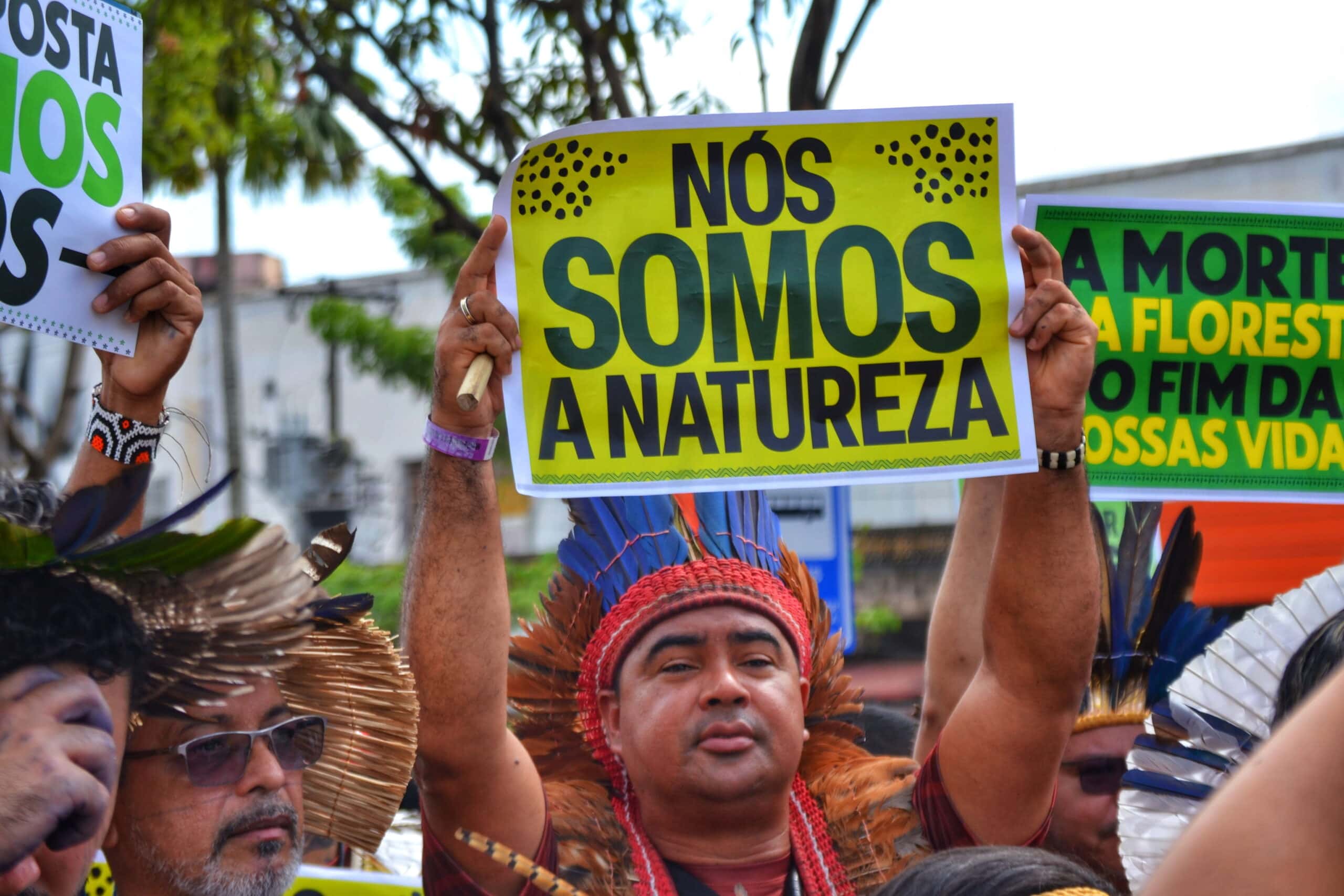
For many Indigenous peoples, health has always depended on the balance between visible and invisible beings, territory, and community life. Caring for forests, water, and biodiversity is part of collective well-being.
ACT’s work builds on this understanding by strengthening Indigenous health systems while protecting the ecosystems that sustain life.


Our Strategies
Territory & Biodiversity
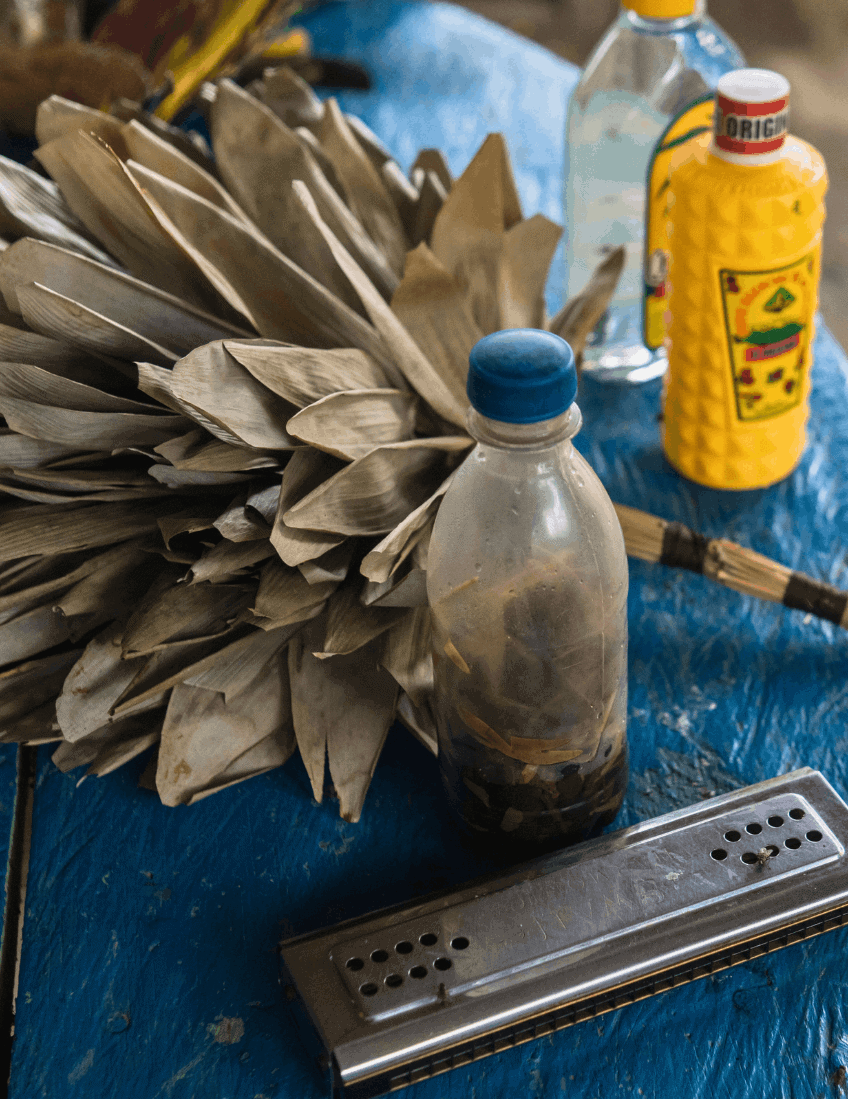
We support Indigenous peoples in securing territorial rights, protecting sacred sites, and restoring ecological connectivity. These landscapes are essential for both spiritual and physical health.
Livelihoods & Community Well-Being
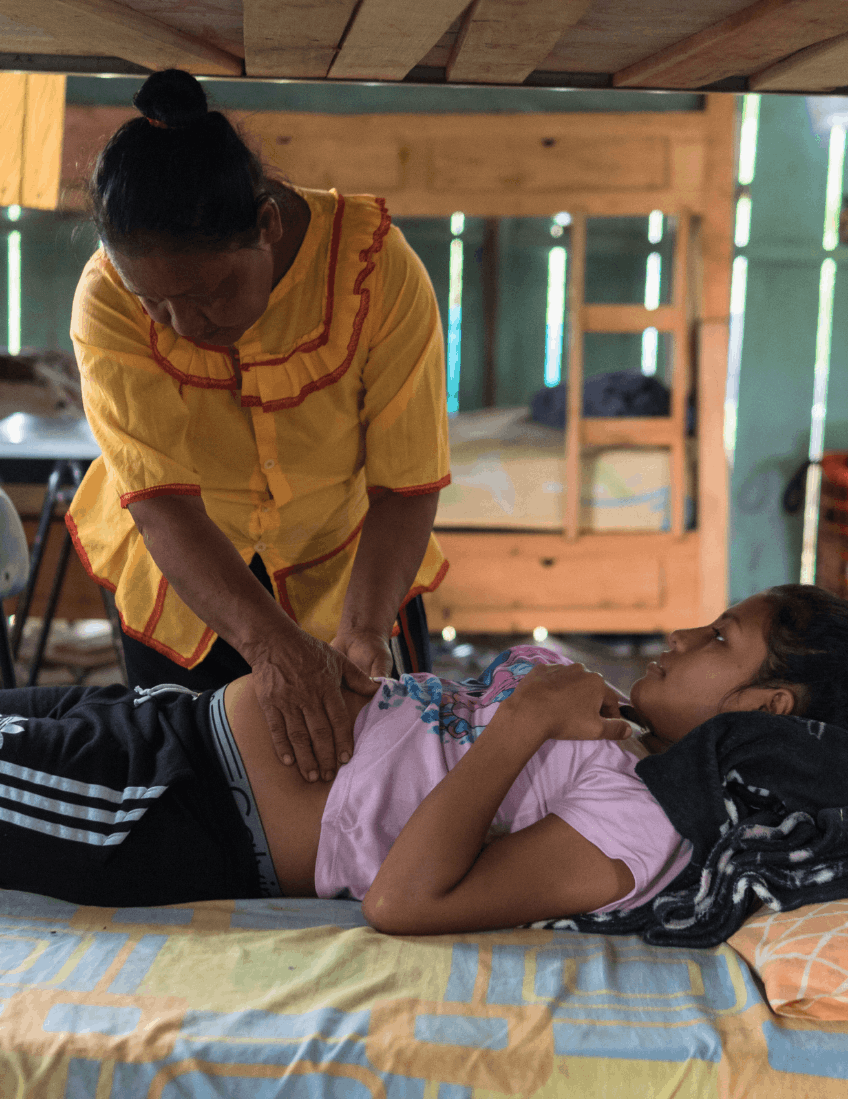
ACT supports 21 intercultural health posts and trains Indigenous community health agents who provide culturally appropriate care and address neglected tropical diseases. We aim to expand and strengthen this network to reach more communities.
Governance & Culture
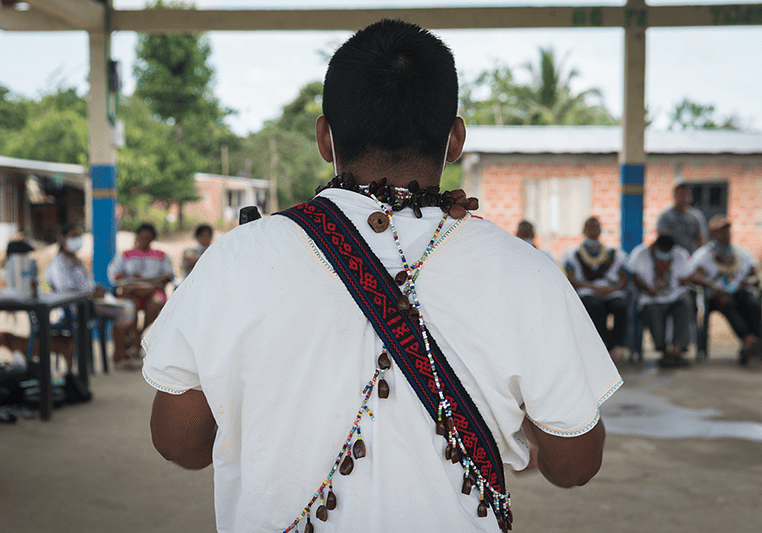
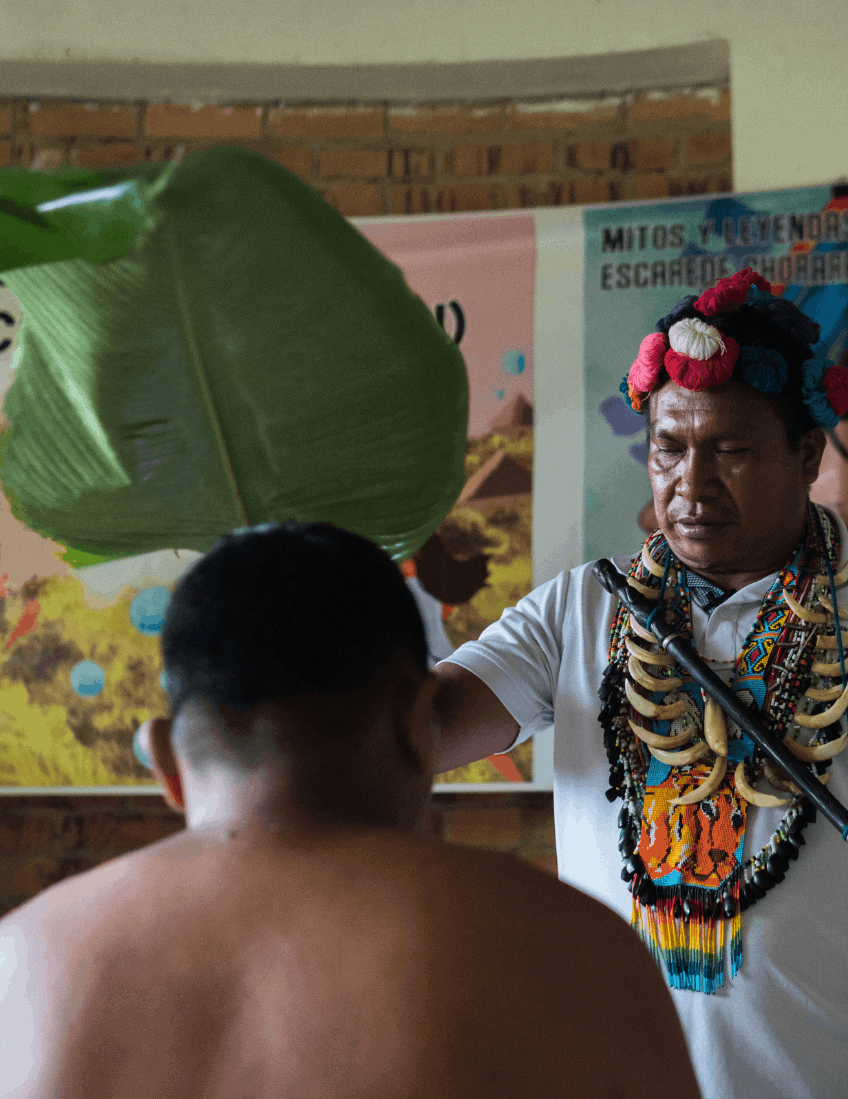
ACT works with Indigenous organizations and government health systems to strengthen Indigenous-led healthcare models and integrate culturally appropriate approaches into public health and climate policy.
Impact Across Indigenous Communities
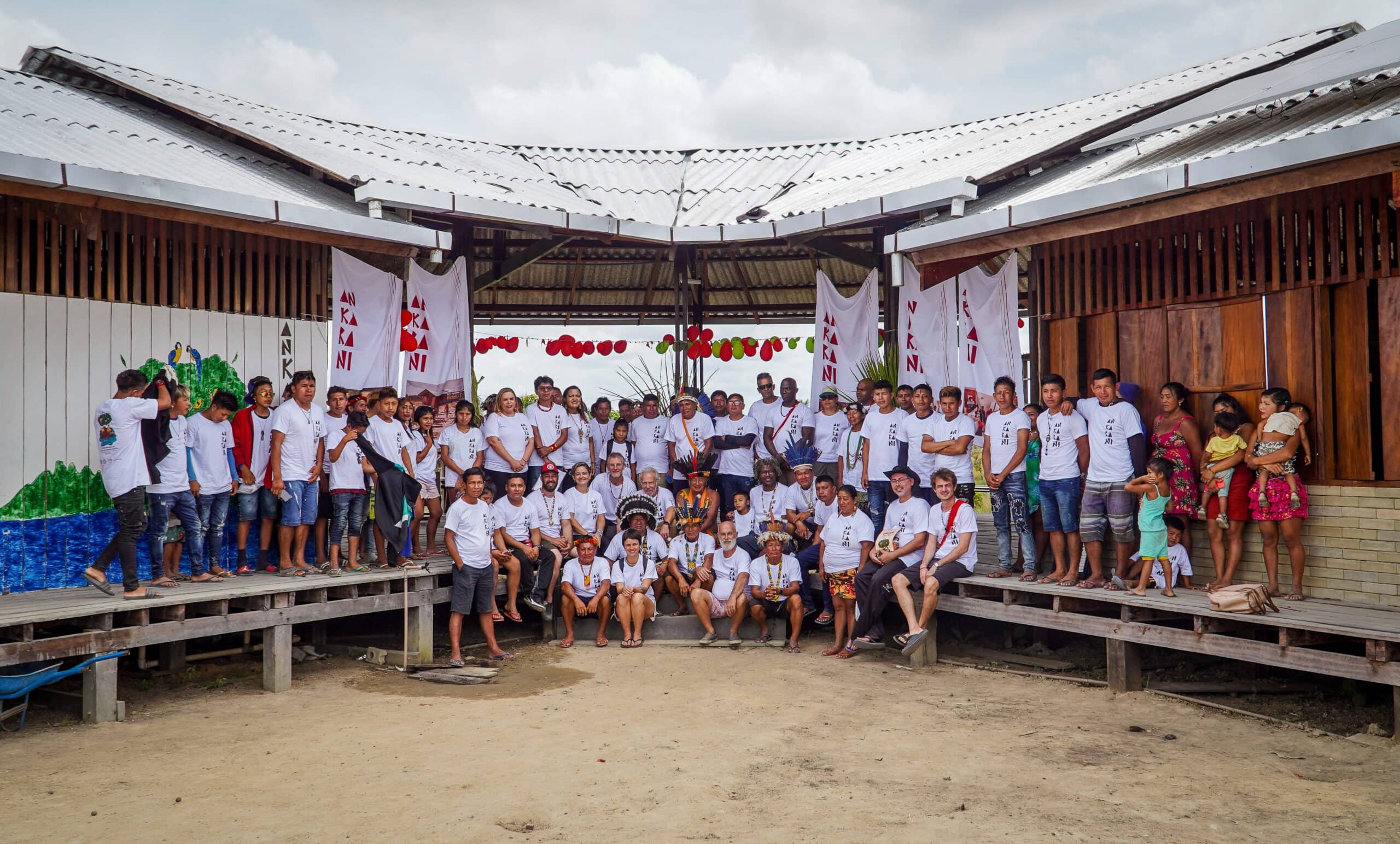
Working alongside Indigenous partners, ACT supports community-led solutions that connect health, culture, and forest protection across the Amazon. Recent actions include:
Health Posts Strengthened
Midwifery Actions Supported
Traditional Medicine Actions
Medicinal Plant Initiatives
Plant Processing Actions
Chagras Strengthened
Healthcare Skill Development
Intercultural Health Models Developed
Testimonial
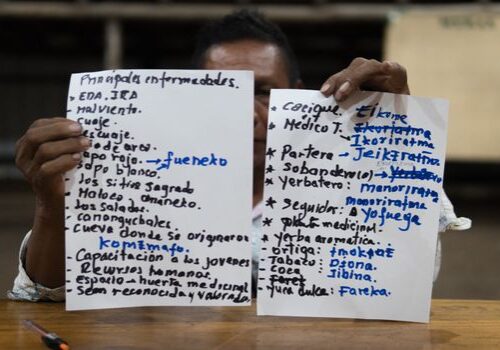
"I would like to thank ACT-Brasil for supporting the strengthening of our medicines and medicinal plants in the Tumucumaque Park, in the Paru River region. Before, many of us no longer used traditional medicine and depended only on Western medicine. Today that has changed: we use both together.
Through the project, we trained specialists who now care for communities in several villages, including Urunay, Cuxaré, Aiki, Ayahuá, Maritapu, and Castanhão. This is very important, because we do not want to lose the knowledge of medicinal plants that our ancestors have always used.
Today we also face new illnesses, such as diabetes and other health problems. For this reason, it is important that doctors, shamans, and traditional specialists work together. We hope that the support from ACT-Brasil will continue to strengthen this work in our communities."- Demetrio Tiriyó.
Stories from the Field
Across the Amazon, communities are developing solutions that connect health, culture, and conservation.
Explore stories and updates on Indigenous health, climate resilience, and forest protection.