

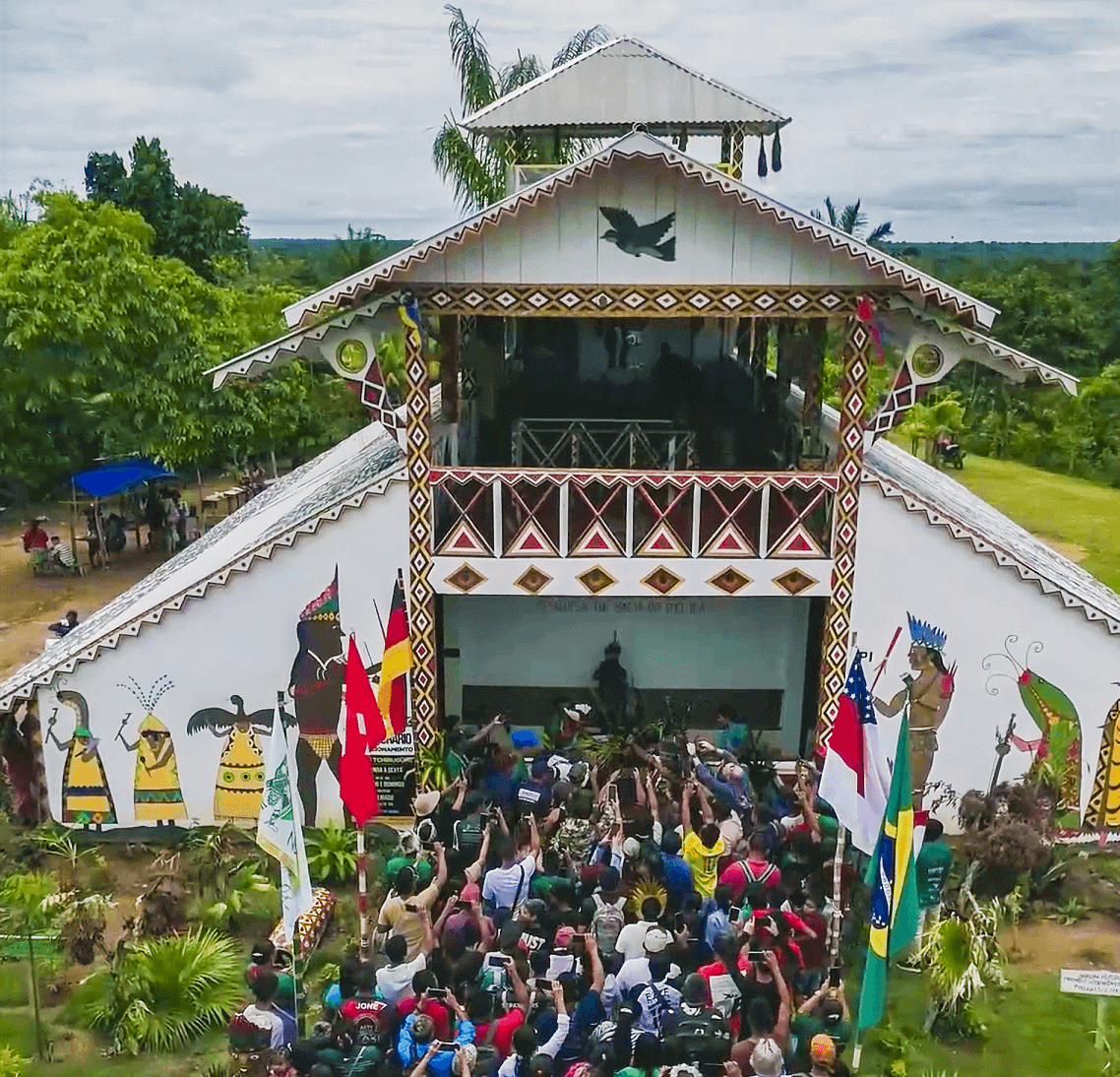
Tikuna People Inaugurate Ancestral Museum in the Upper Solimões
On January 24–25, the Tikuna people inaugurated the Tchirugüne Indigenous Museum in the Indigenous Community of Vila Betânia Mecürane, in the Upper Solimões region of Amazonas, Brazil.
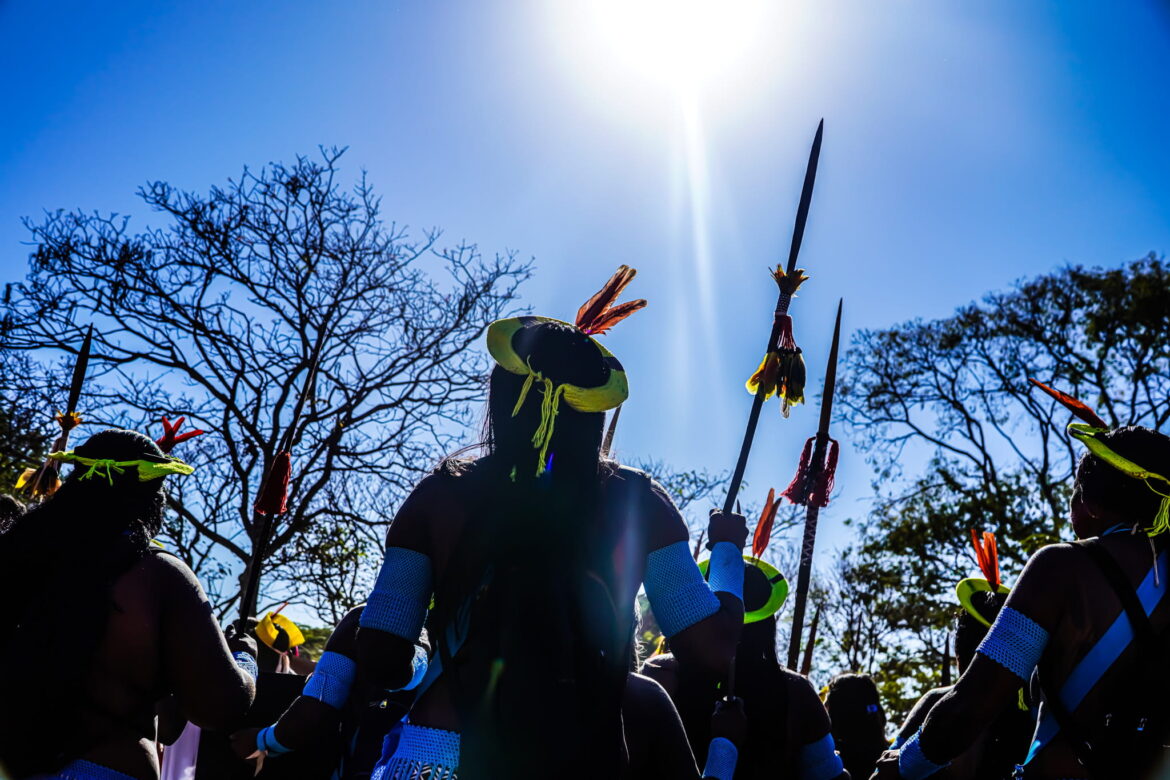
Between Body and Territory: Indigenous Women Facing the Climate Crisis
The impacts of the climate crisis on the health and ancestral knowledge of Indigenous women By Rudja Santos from Carta AmazôniaEdited by Méle Dornelas As COP30 brought the Amazon to the center of global discussions on the climate crisis at the end of 2025, the daily lives of Indigenous women reveal a dimension still largely absent from official…
Curare: The Amazonian Arrow Poison and Its Role in History and Medicine
Curare is a plant-based arrow poison perfected over centuries by Indigenous peoples of the Amazonia. Applied to the tips of both blowgun darts and arrows, it induces profound muscle relaxation, ultimately stopping breathing by paralyzing the diaphragm. This remarkable botanical technology was central to subsistence hunting in tropical rainforests, where dense canopy and elusive prey…
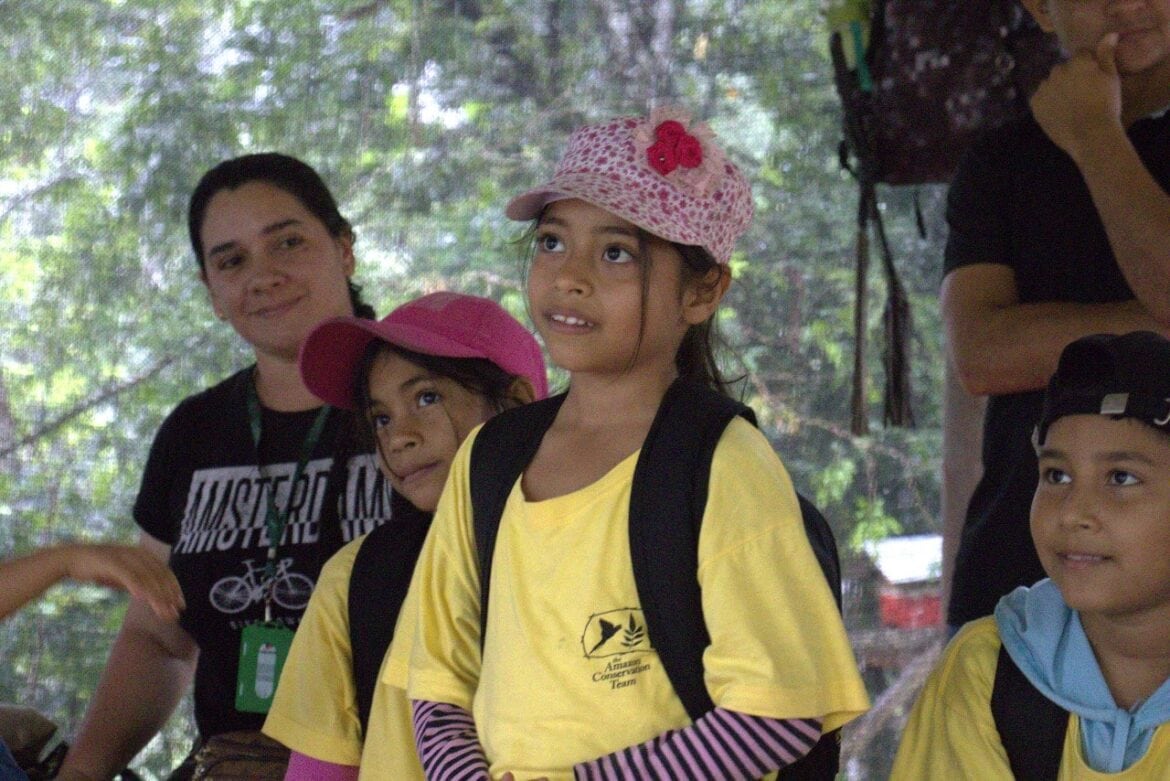
Easy Conservation Tips for Kids: How Young Protectors Can Help Nature
Welcome, Young Rainforest Protectors! Caring for nature doesn’t have to be hard. Kids everywhere can help protect forests, animals, rivers, and even the Amazon rainforest by making small choices every day. Here are easy, fun conservation tips that show how young protectors can make a big difference. Protect Nature Every Day Nature gives us clean air, water, and places to…
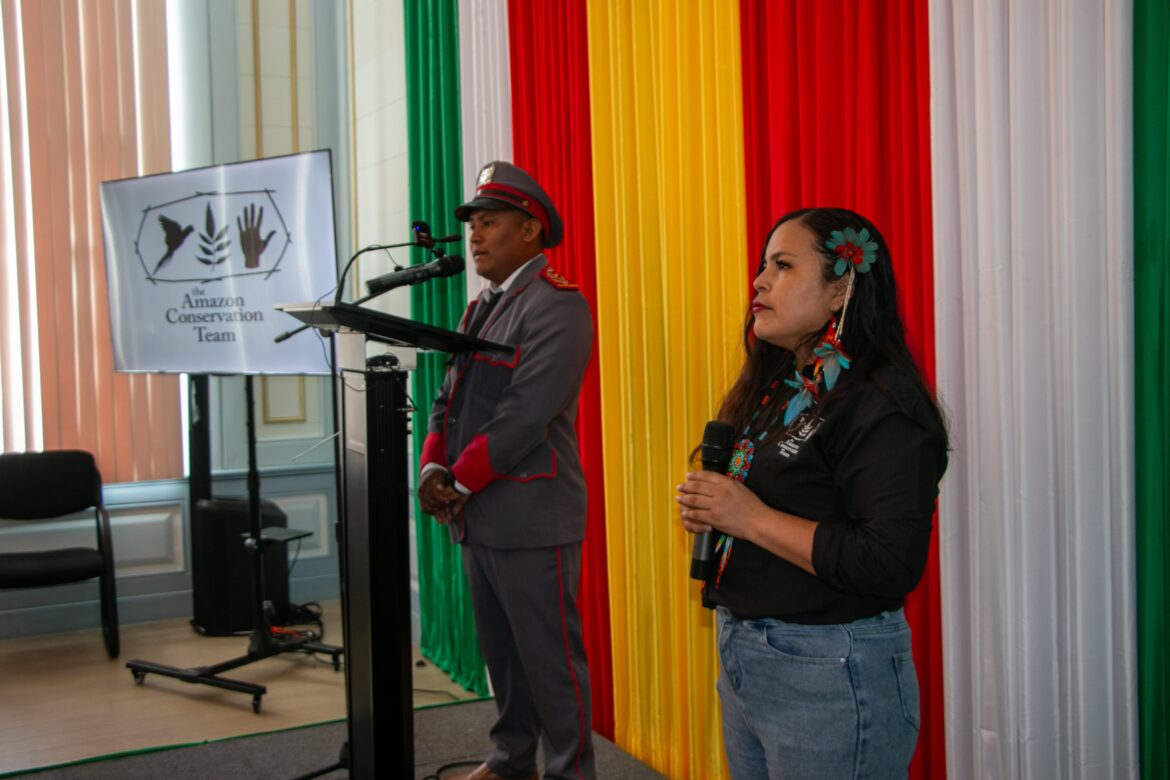
How Tareno and Matawai Communities Are Advancing Indigenous-Led Development Plans in Suriname
A historic moment for Suriname’s Indigenous and Maroon communities. This December, traditional authorities from the Coeroenie and Matawai regions officially handed over their development plans—the Tareno Development Plans and the Matawai Fiti Plan—to the Government of Suriname. The ceremony was attended by President Jennifer Geerlings-Simons, government ministers, district commissioners, representative from the Inter-American Development Bank, and directors of NGOs working in Indigenous and tribal areas. This event marks more…
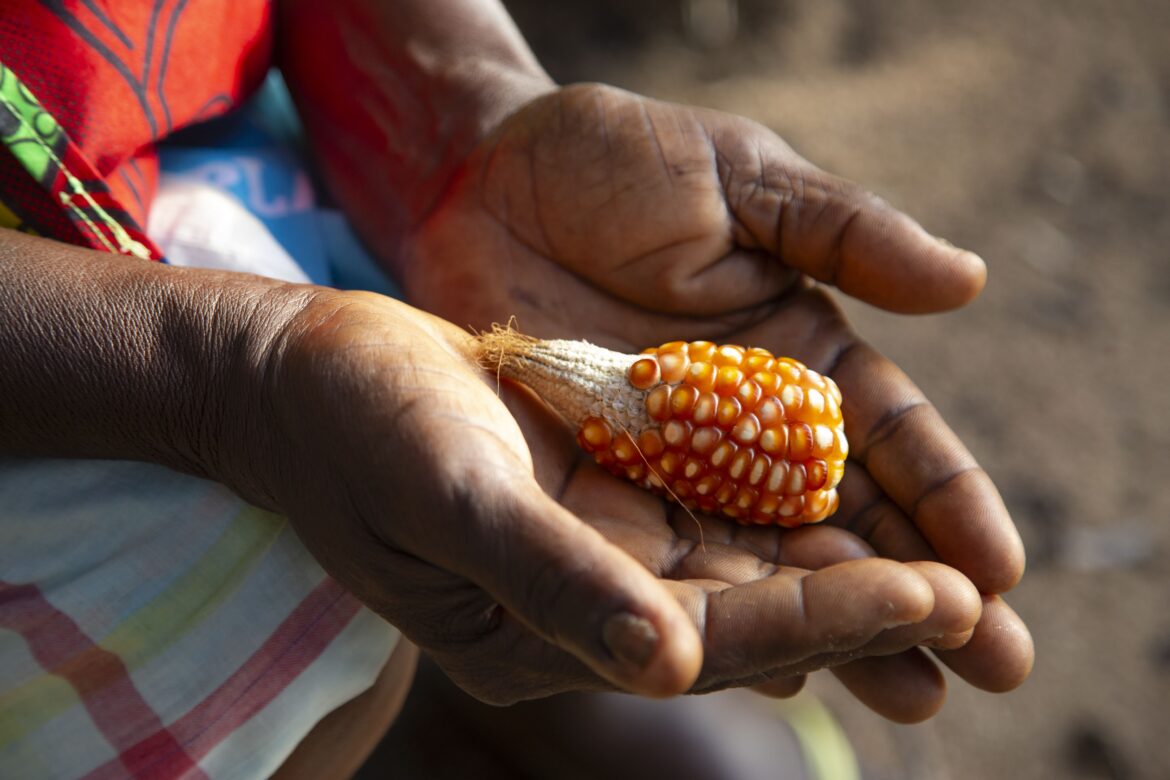
Five conservation stories to celebrate in 2025
From rainforest headwaters to coastal mangroves, 2025 was a year of quiet victories and powerful partnerships. Together with Indigenous and local communities across Central and South America, we helped safeguard forests, rivers, coastlines, and wildlife—while also strengthening the food systems, livelihoods, and cultural knowledge that make those ecosystems thrive. Because in the Amazon and beyond,…
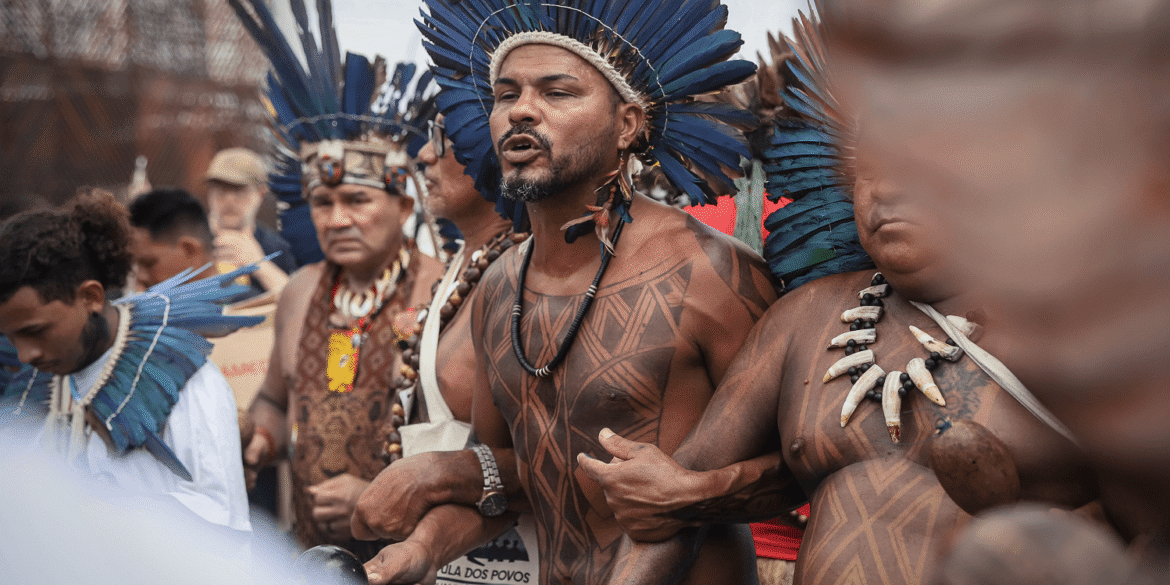
The Echoes of the Peoples at COP30
A historic mobilization marks advances in land demarcation and territorial protection. ACT stood alongside communities and helped elevate grassroots leadership in climate decision-making. The 30th United Nations Climate Change Conference (COP30), held in November in Belém (Pará), was defined by the strength and historic coordination of Brazil’s Indigenous peoples and traditional communities. Through marches, dialogues,…
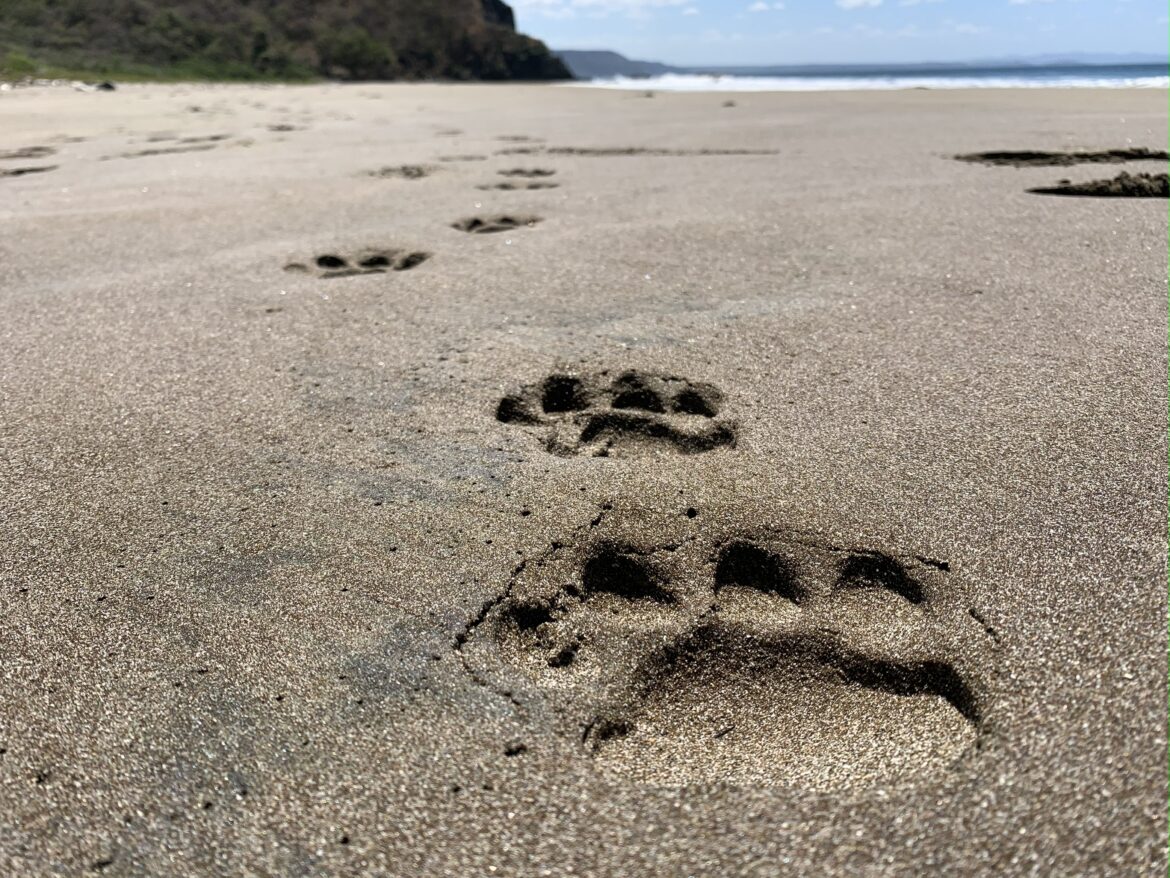
How jaguars lost their connection to the coast, and why it’s critical to bring that back
Thousands of years ago, when jaguar populations were at their peak, they could be found hunting along the coasts across the Americas. After colonization, these apex predators lost access to the sea in much the same way many Indigenous communities did. Today, the Amazon Conservation Team (ACT) is working to research and restore this natural…
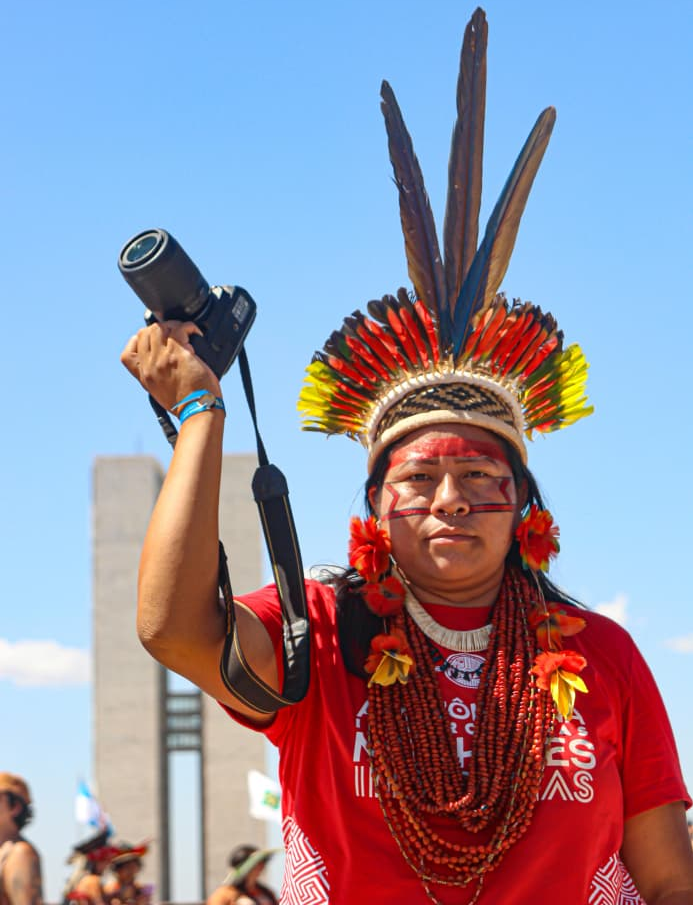
‘Our Territory Is Sacred’: Q+A with Ednalva Rondon
Ednalva Rondon grew up in Pakuera village, located within the Kurâ-Bakairi Indigenous Territory in the municipality of Paranatinga, Mato Grosso—one of Brazil’s most ecologically diverse regions, in the central-western part of the country. At 27, she is an active member of the Union of Indigenous Women of the Brazilian Amazon (UMIAB). This year, she is…
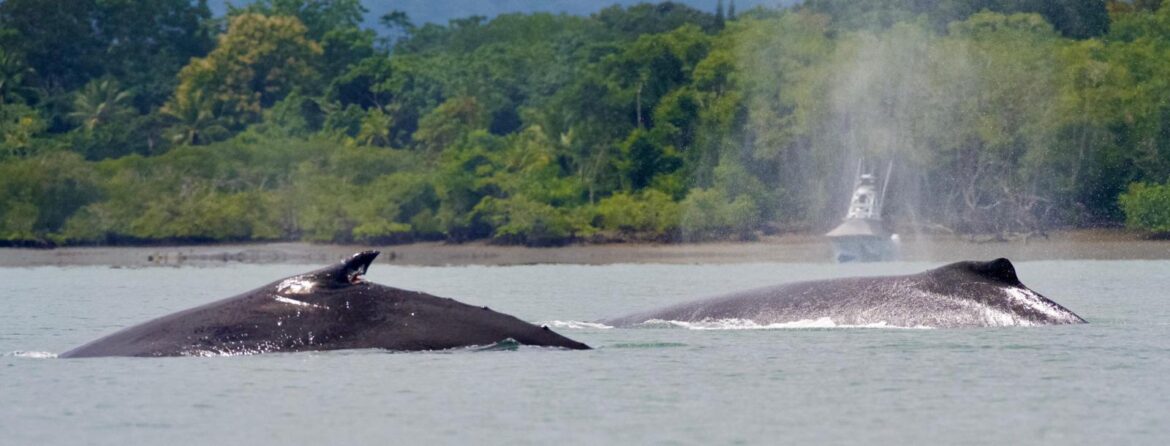
Where the forest meets the sea: connecting Osa to the Amazon
Manuel Sanchez, a field coordinator with the Amazon Conservation Team, remembers the first time he saw a sea turtle growing up on Costa Rica’s Osa Peninsula. He had been fishing one night with his father, and they were walking back along Playa Piro (Piro Beach) on the Pacific Coast. “It was around eight at night…