

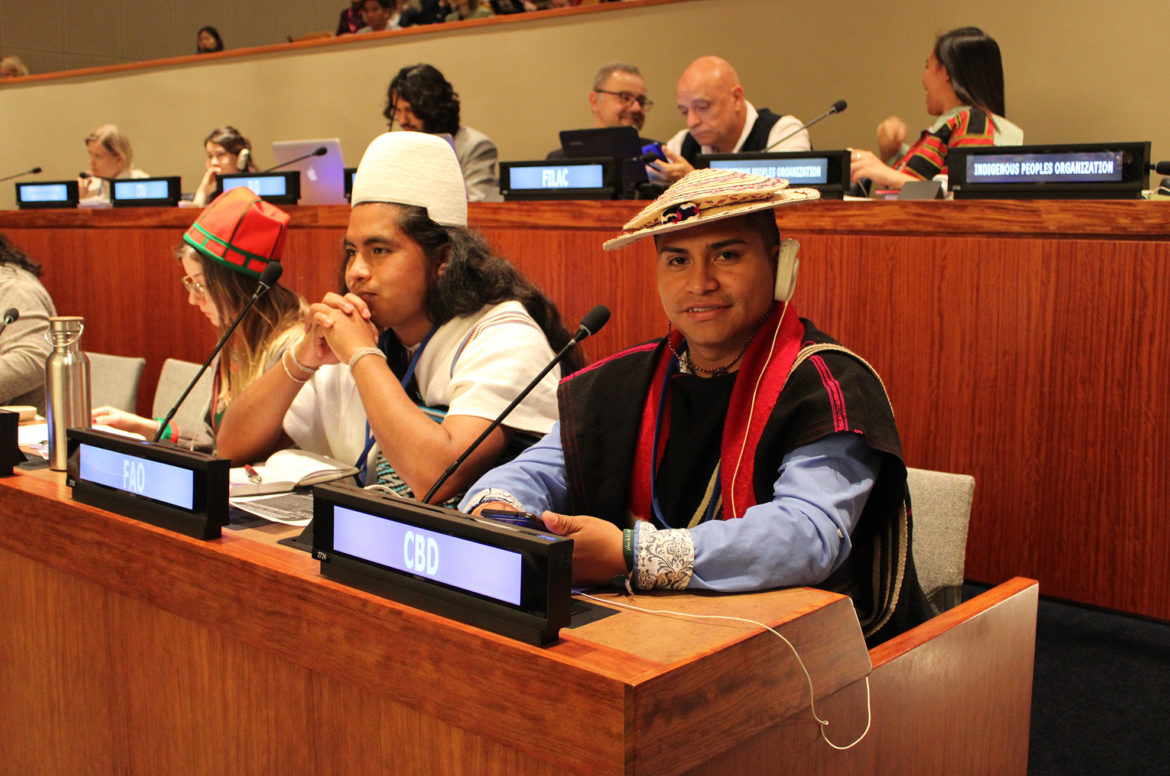
ACT Indigenous Fellowship Program
The Amazon Conservation Team (ACT) has established an Indigenous Fellowship Program in partnership with Colombia’s Universidad Externado to provide indigenous college students with the opportunity to better understand the functioning of international cooperation agencies, international conventions, and funding aimed at supporting the rights of indigenous communities.
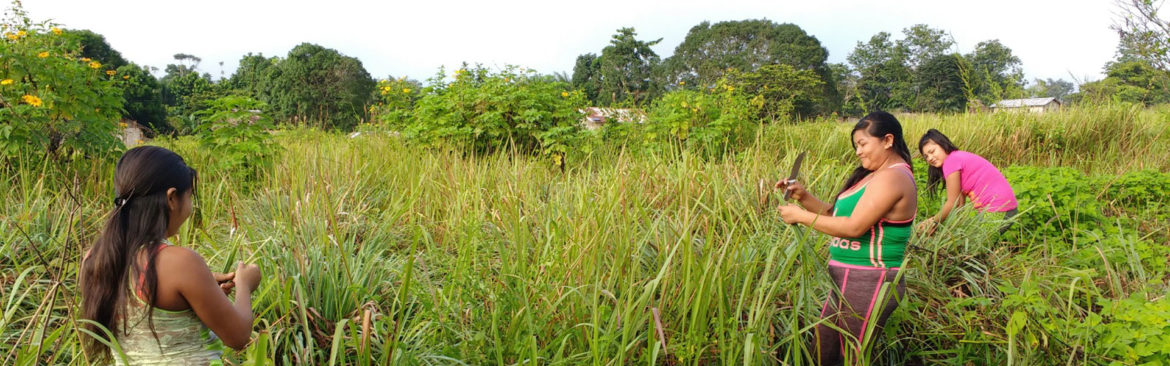
Sustainable Income-Generating Projects in the Forests of Suriname
For indigenous and tribal cultures, increasing involvement in global culture and new technologies, such as mobile phone networks, has led to increasing dependence upon cash income. In Suriname, villages are emptying out as residents increasingly leave their communities for extended periods to seek wages in extractive industries such as logging and mining. Such activities are…
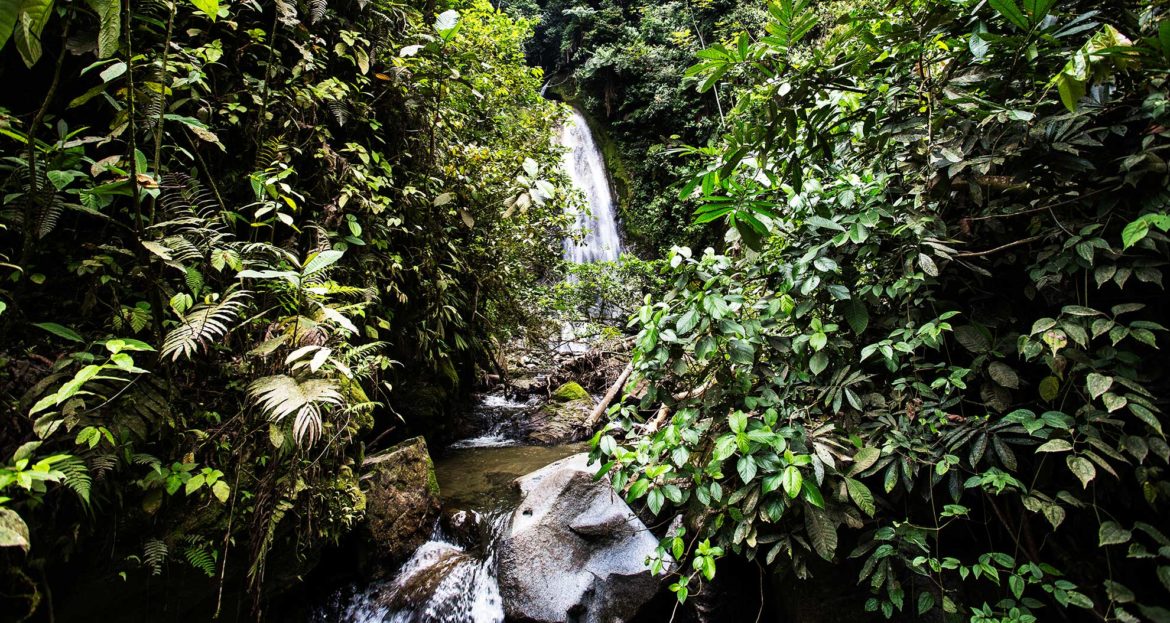
Collective Empowerment in the Yunguillo Reserve of Colombia’s Inga People
In memory of the three youth of the Yunguillo reserve murdered in September 2018. ACT works with the Inga indigenous people of theYunguillo Reserve, located at the confluence of the Andes mountain range and the Amazon river basin in Colombia, a territory of great importance due to the ecological and ecosystemic characteristics of its forests,…
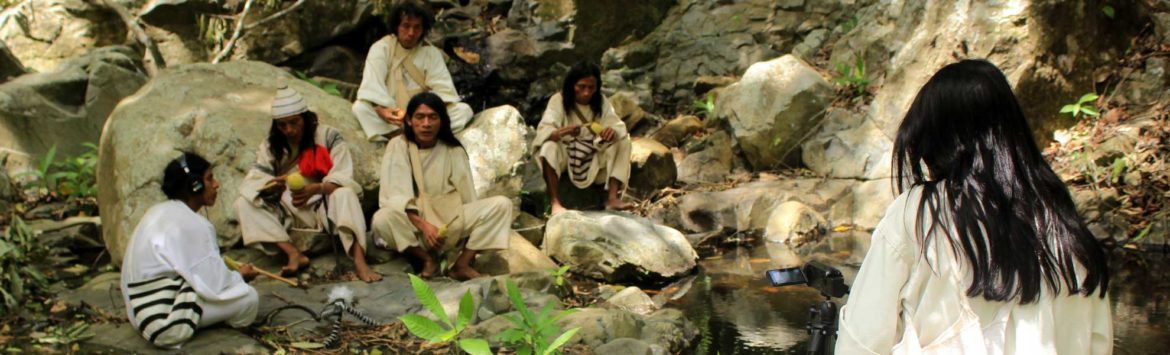
Oral Histories: Helping the Kogui Manage their Territory
Two of ACT’s objectives in our work at Jaba Tañiwashkaka, a coastal sacred site of the indigenous peoples of Colombia’s Sierra Nevada de Santa Marta region, are to increase the territorial management capacity of indigenous leadership and to establish conservation agreements between the local indigenous and non-indigenous communities. In contexts like the Sierra Nevada de…
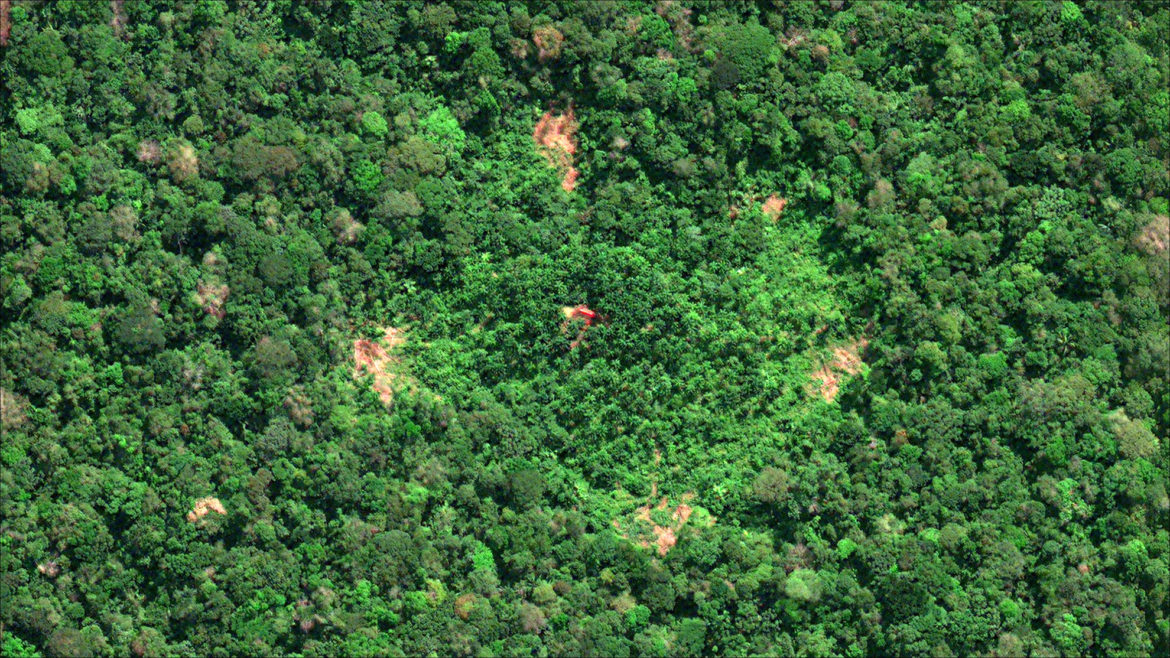
Using Satellite Technology to Protect Isolated Tribes in the Amazon Rainforest
A field team from ACT traveled to the Curare – Los Ingleses Indigenous Reserve in the Colombian Amazon in July to assist local communities in the creation of a detailed management plan for their rainforest territories that integrates western and traditional perspectives to achieve sound conservation practices. Amazingly, this remote reserve has spearheaded national efforts…
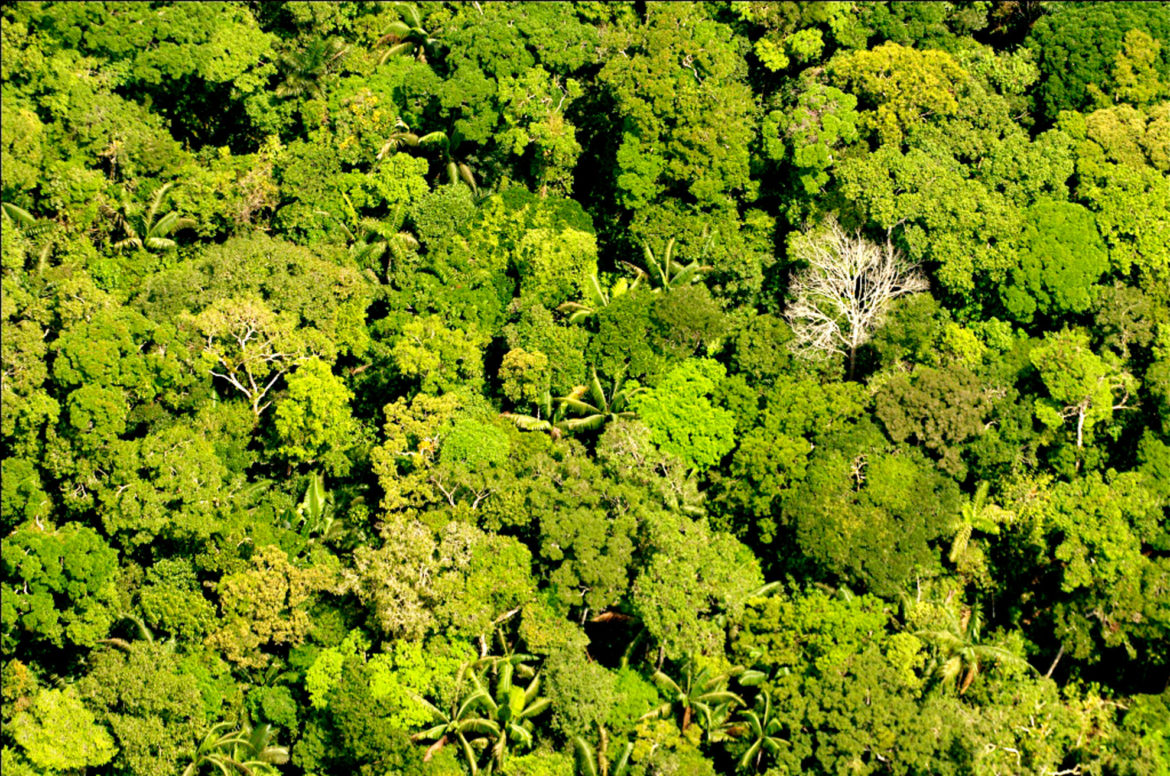
What is the correlation between the protection of indigenous peoples in voluntary isolation and the protection of the Amazon?
Let’s start with a question. If you lived in South America, and had to run away from society, where would you hide? The most remote areas of the Amazon, where thousands of small rivers are born and eventually become giant waterways—which along the way irrigate millions of trees, and in their final destination feed the…
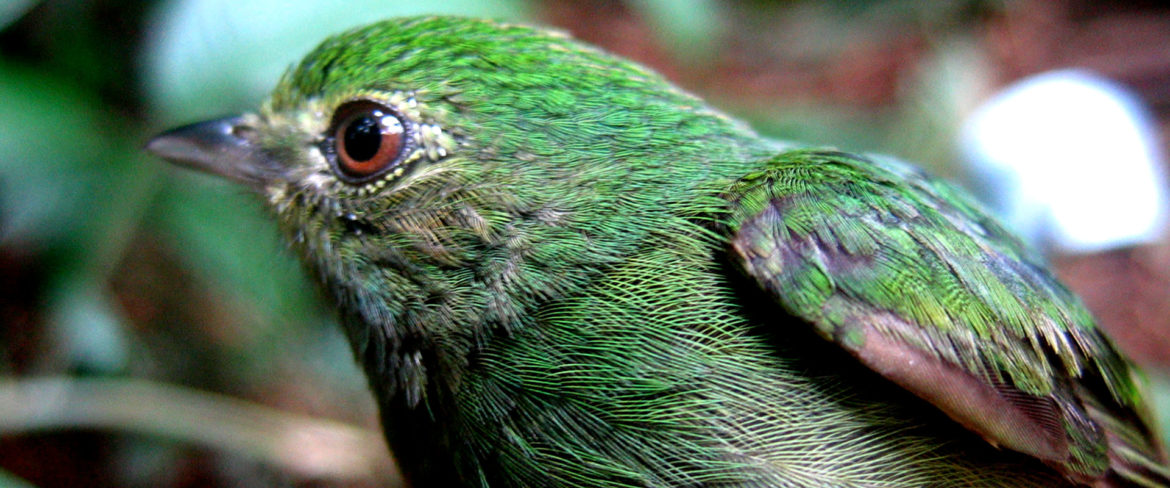
Conserving the Vast Biodiversity of the Colombian Amazon
The great wealth of biodiversity present in the Amazon is at serious risk of disappearing due to several threats, which must be addressed through the joint work of the various stakeholders in the region. One of the first steps in addressing this problem is to identify which species of flora and fauna are present in…
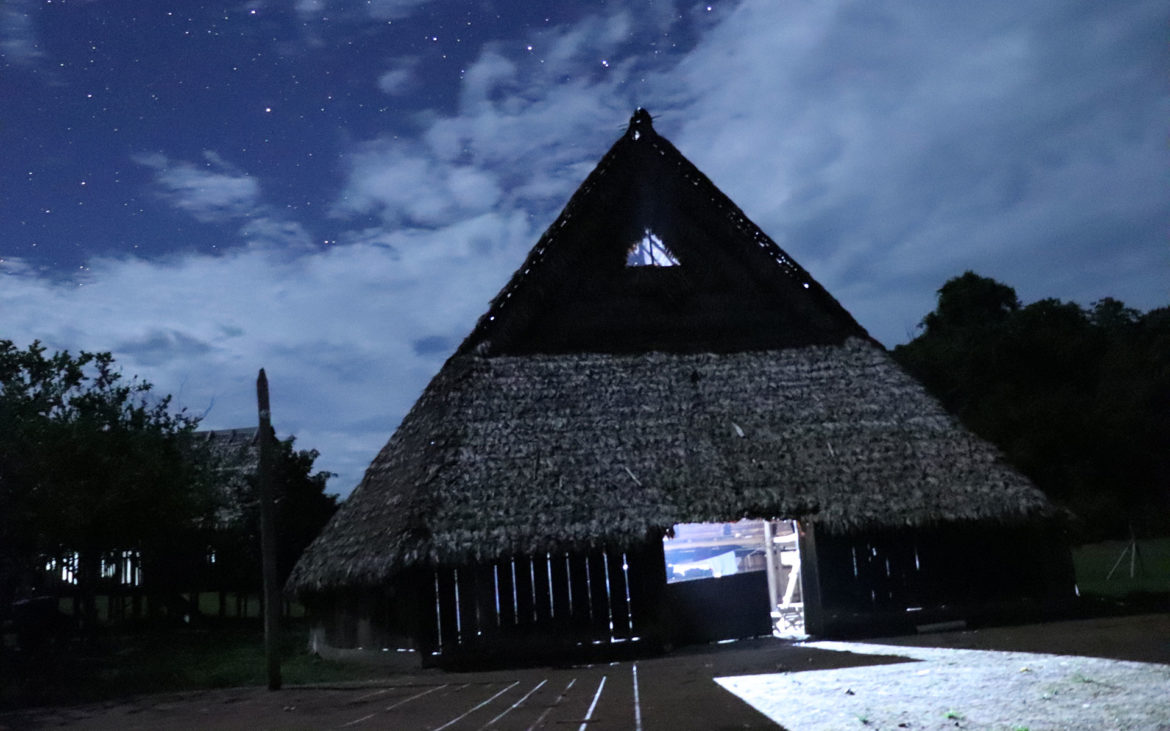
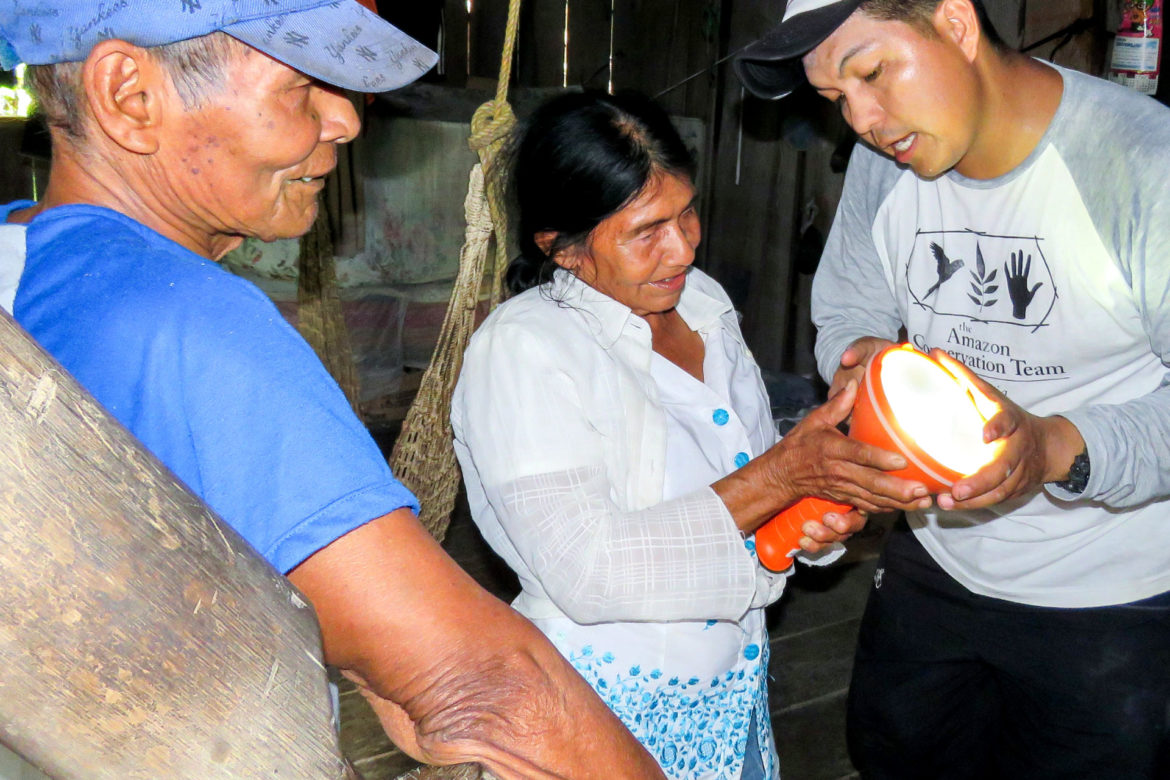
The Sun through a Lamp: Solar Energy in the Colombian Amazon
For more than seven years, we have worked with the communities of the middle and lower watersheds of Colombia’s Caquetá River, supporting them in the conservation of tropical forests and the strengthening of their local initiatives. Thanks to this common purpose, we have come to understand the needs of the indigenous and small farmer families,…
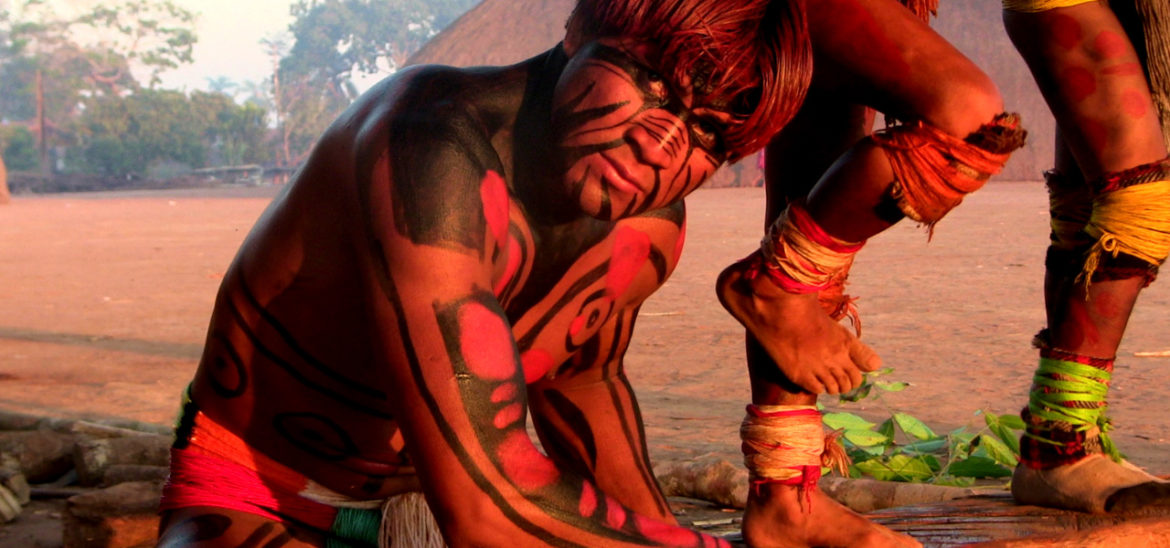
Solar Solutions for Traditional Communities
For remote forest communities, steady sources of renewable power can improve air quality, minimize tree harvesting, and provide domestic lighting for the evening work, especially important for children’s studies. In the Waura village of Ulupuene, which is situated along the banks of the Batovi River within the confines of the Xingu Indigenous Territory in Brazil,…
A Green Dawn: Solar Energy and Community Empowerment in the Amazon Rainforest
The Amazon rainforest is privileged with rich biological and cultural diversity, natural splendor, and the potential to benefit all humanity by helping to stabilize the climate. Roughly the size of the 48 contiguous United States, it covers some 40 percent of the South American continent and includes parts of nine countries. It is also one…