

From Maps to Action: How Participatory Mapping Can Strengthen Community Leadership
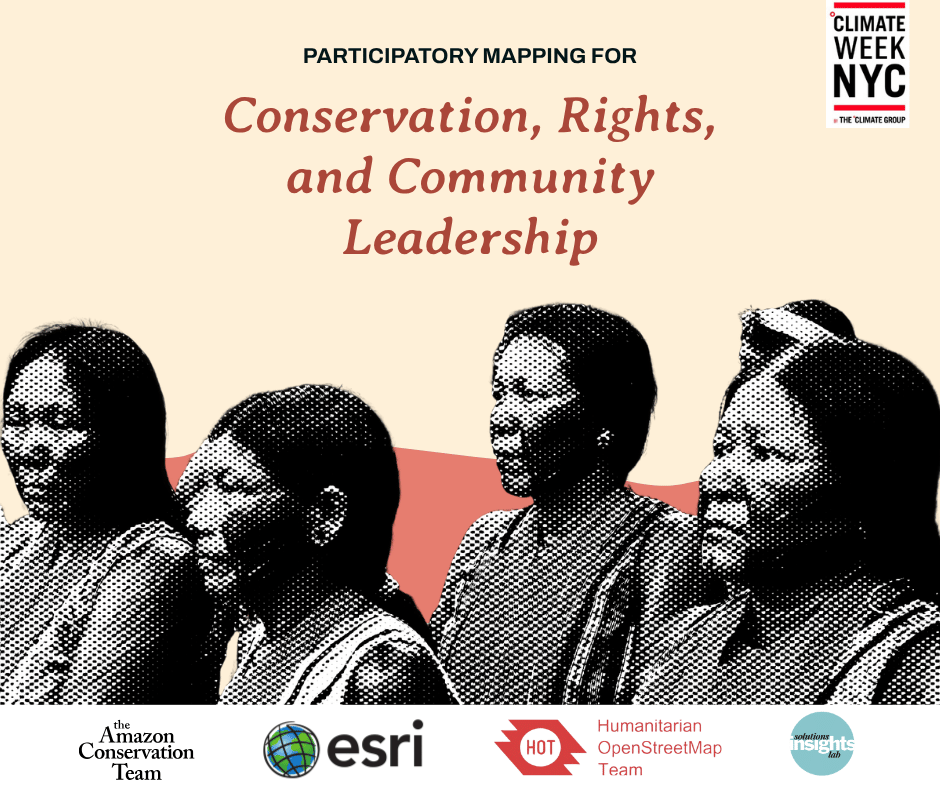
At Climate Week NYC, Amazon Conservation Team, Esri, Humanitarian OpenStreetMap Team, and Solutions Insights Lab explored how community-generated data can support conservation, territorial rights, disaster response, and local decision-making. Maps can show where a forest stands, where a river runs, or where a community’s territory begins. Participatory mapping can do even more: it can help…
Read MoreMapping for Protection: Safeguarding Indigenous Peoples Living in Voluntary Isolation
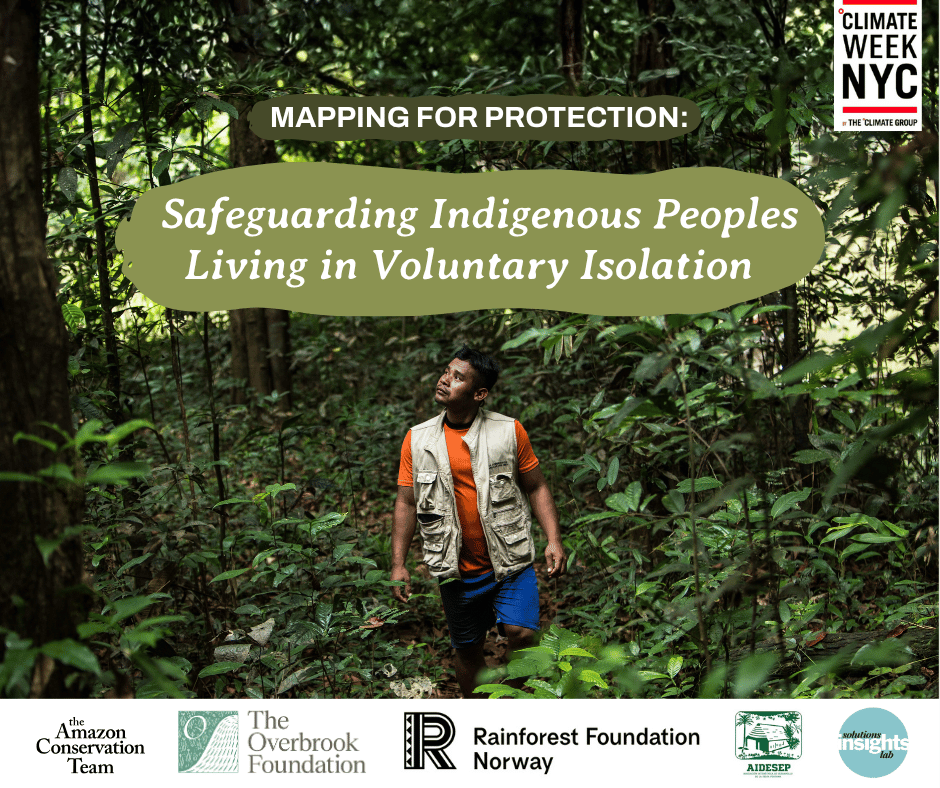
At Climate Week NYC, Indigenous leaders and conservation practitioners discussed how mapping and technology can help protect Indigenous Peoples Living in Voluntary Isolation while respecting their right to remain unseen. Indigenous Peoples Living in Voluntary Isolation have chosen to maintain distance from wider society, often as a way of protecting their lives, cultures, and territories…
Read MoreFind us at Climate Week in NYC
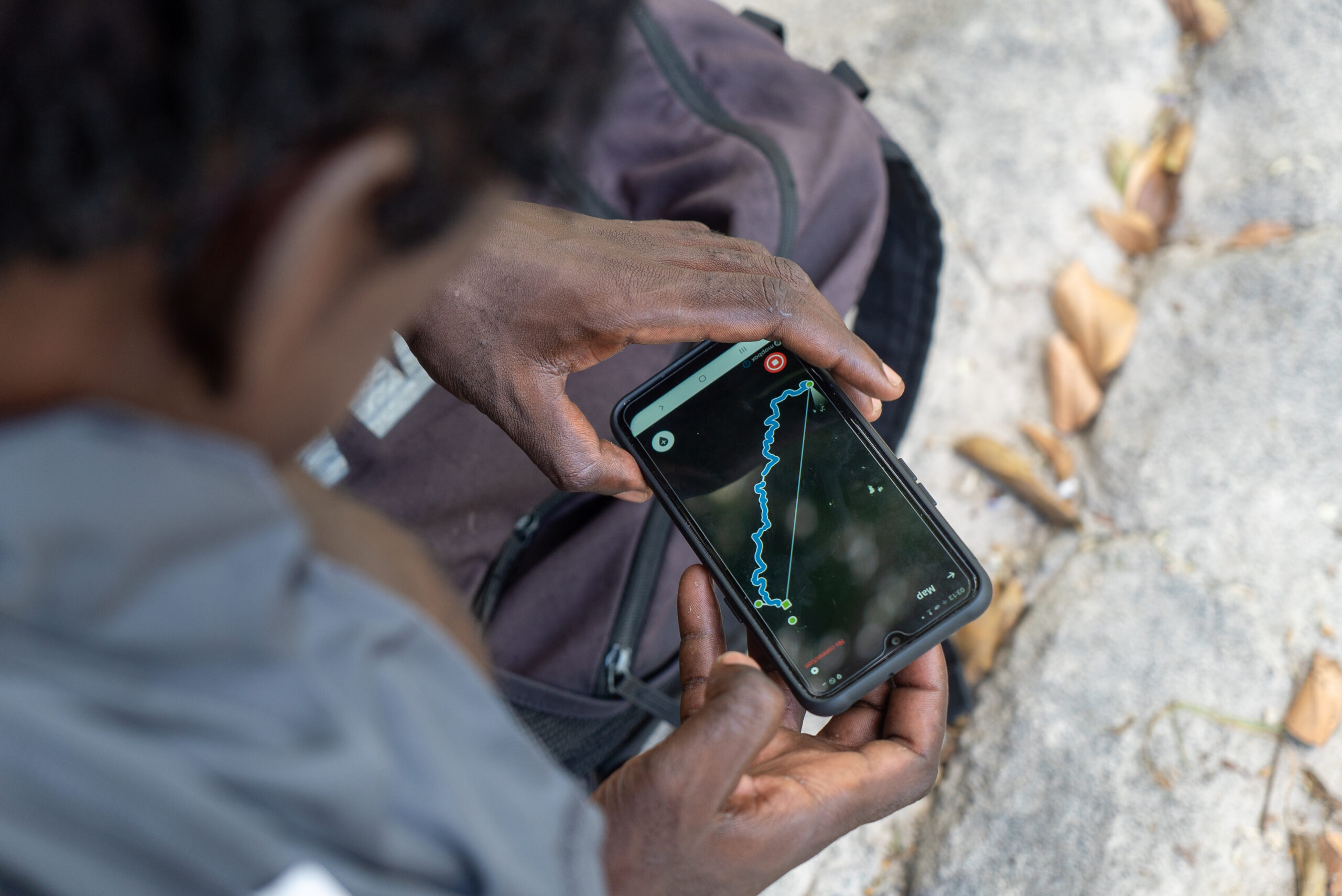
The Amazon Conservation Team will be at Climate Week in New York discussing community-led solutions to rainforest conservation. We’ll be hosting two insightful panels, both related to mapping alongside Indigenous communities to protect cultures and ecosystems. Whether you plan to attend the event in New York or just want to learn more about our work related…
Read MoreEvery Restoration Begins with a Seed
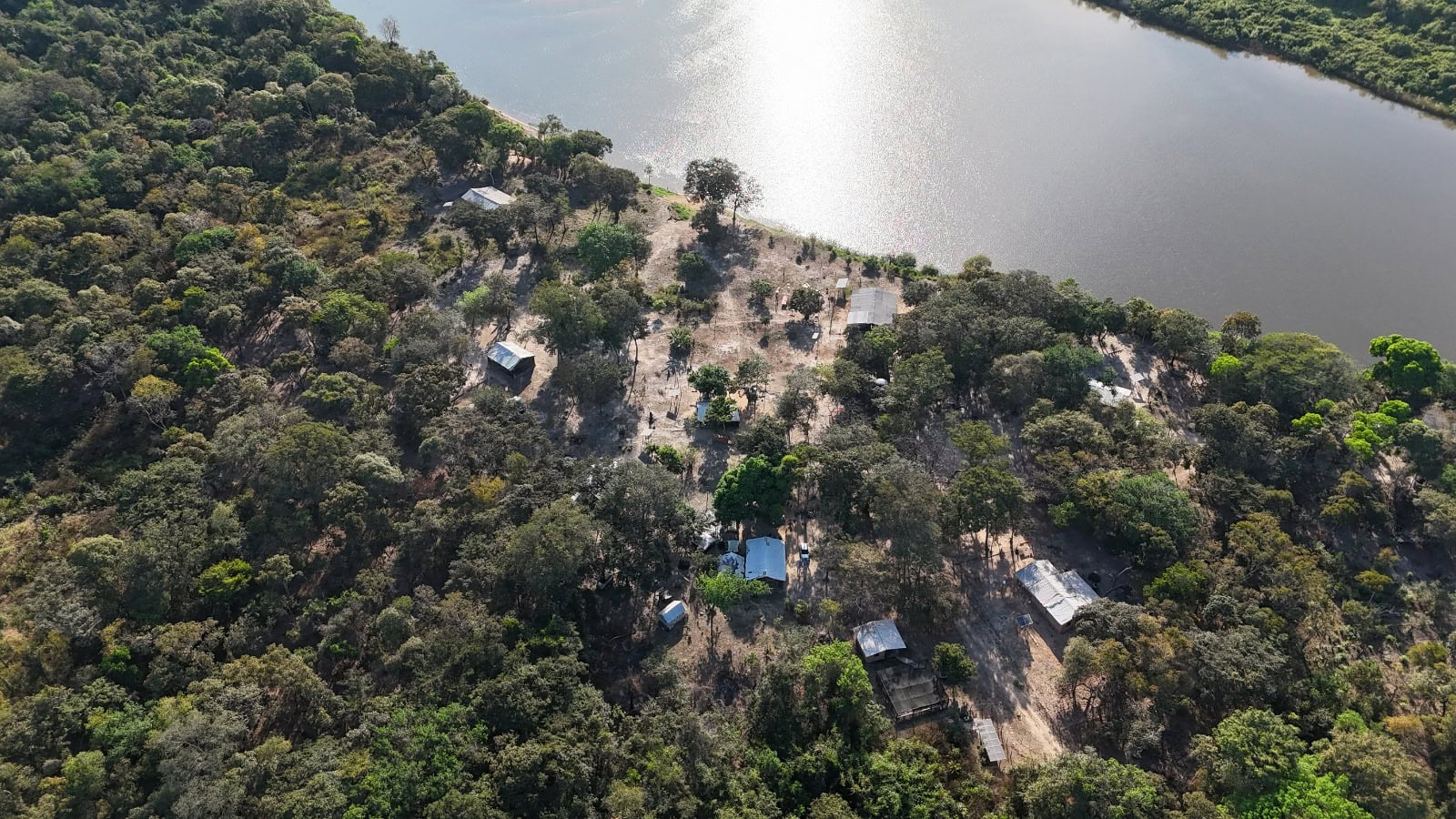
Discover the Agrobiodiversity in Tocantins project, an initiative that brings together productive landscape restoration, Indigenous knowledge, and territorial protection. Restoring a territory requires more than recovering degraded land. It means protecting water sources, helping biodiversity thrive, strengthening food production, and ensuring that future generations inherit territories rich in life, biodiversity, culture, and memory. For Indigenous…
Read MoreMapping with Indigenous and local communities to help protect the Amazon
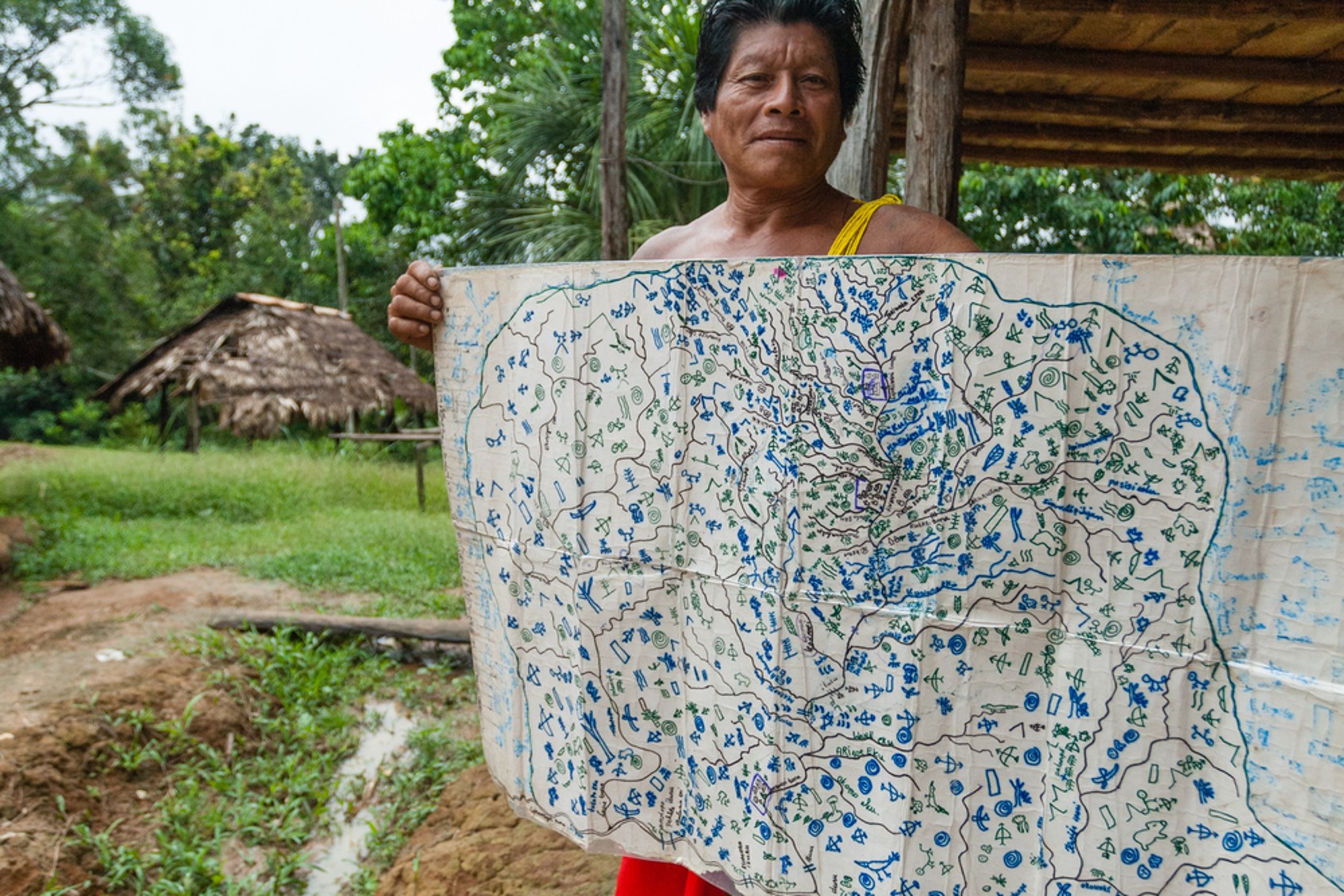
Brian Hettler, a geographer and cartographer with the Amazon Conservation Team (ACT), works with Indigenous communities in South America on participatory mapping initiatives that support indigenous land rights and rainforest conservation. Maps are more than collections of geographic coordinates or lines representing roads or country borders. They can be an expression of a community’s culture, territory, and…
Read MoreThe Nadëb and Kanamary Peoples Launch Territorial and Environmental Management Plans (PGTAs), Reinforcing a Collective Commitment to Protecting Their Territories and Upholding Their Rights
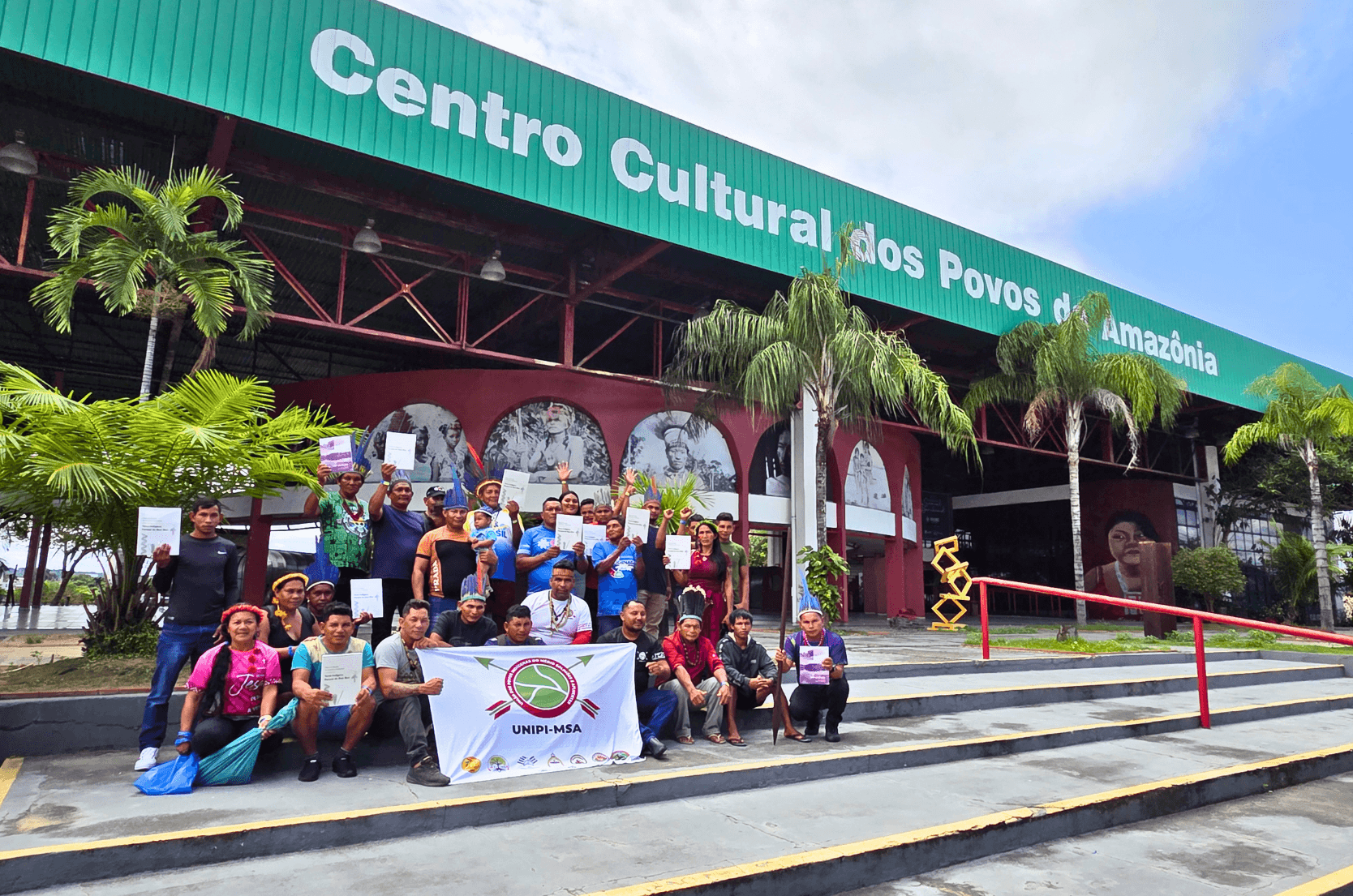
On July 7, 2026, Indigenous leaders, representatives of civil society organizations, public agencies, and partner institutions gathered in Manaus in the Brazilian state of Amazonas to celebrate the launch of the Territorial and Environmental Management Plans (PGTAs) for the Paraná do Boá-Boá and Uneiuxi Indigenous Territories. Developed by the Indigenous Peoples themselves over years of dialogue and collective planning, the documents represent more than management…
Read MoreAn Amazonian Food Atlas Is Shared with the Communities That Nourished It
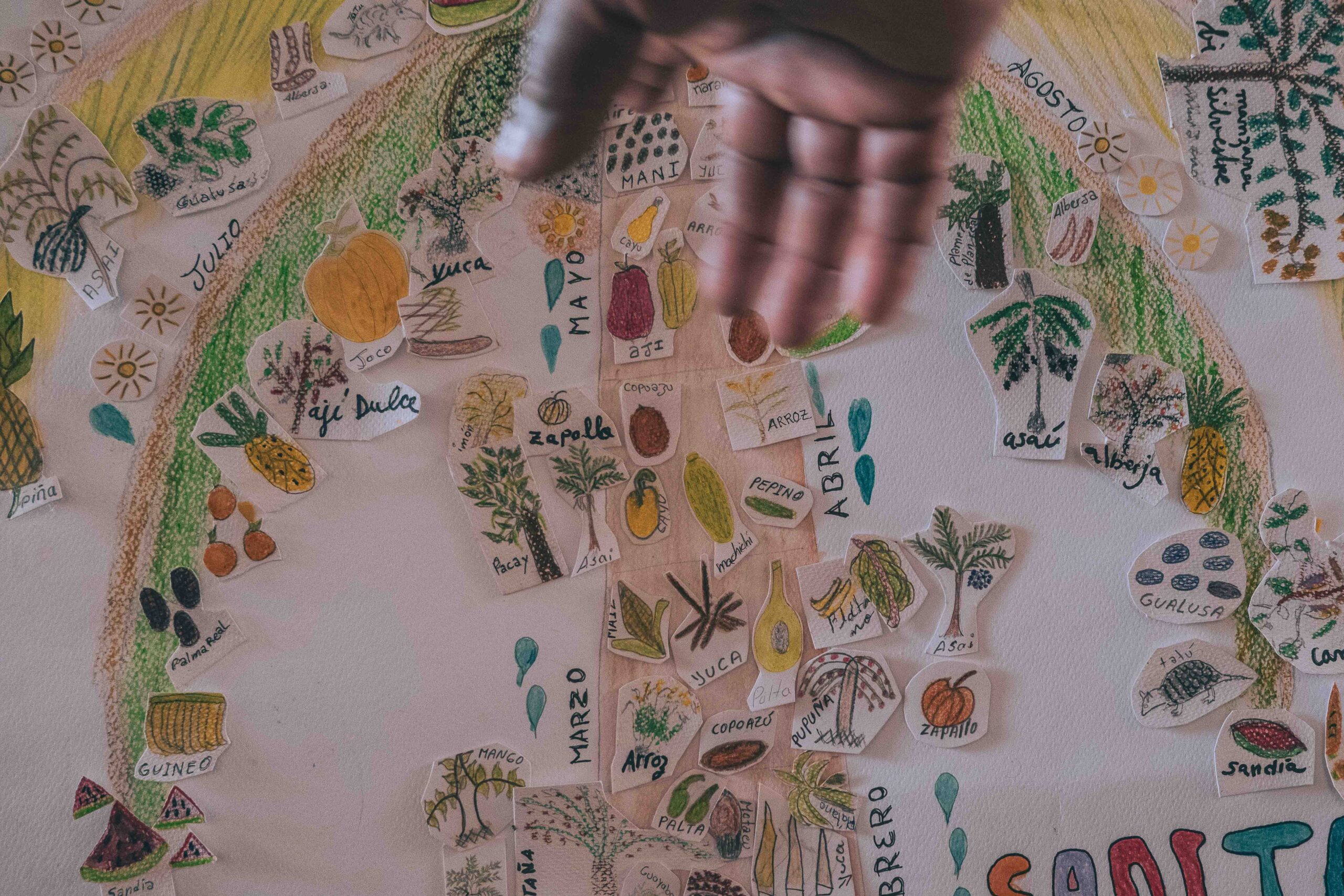
Over the last two years, fourteen communities across the Amazon have participated in a collaborative initiative to share the foods that have sustained life and cultures in their territories for generations. Their stories, knowledge, and traditional recipes were woven together into an atlas designed by the Amazon Conservation Team (ACT) as part of the World…
Read MoreHow Technology Is Empowering Indigenous-Led Coastal Conservation
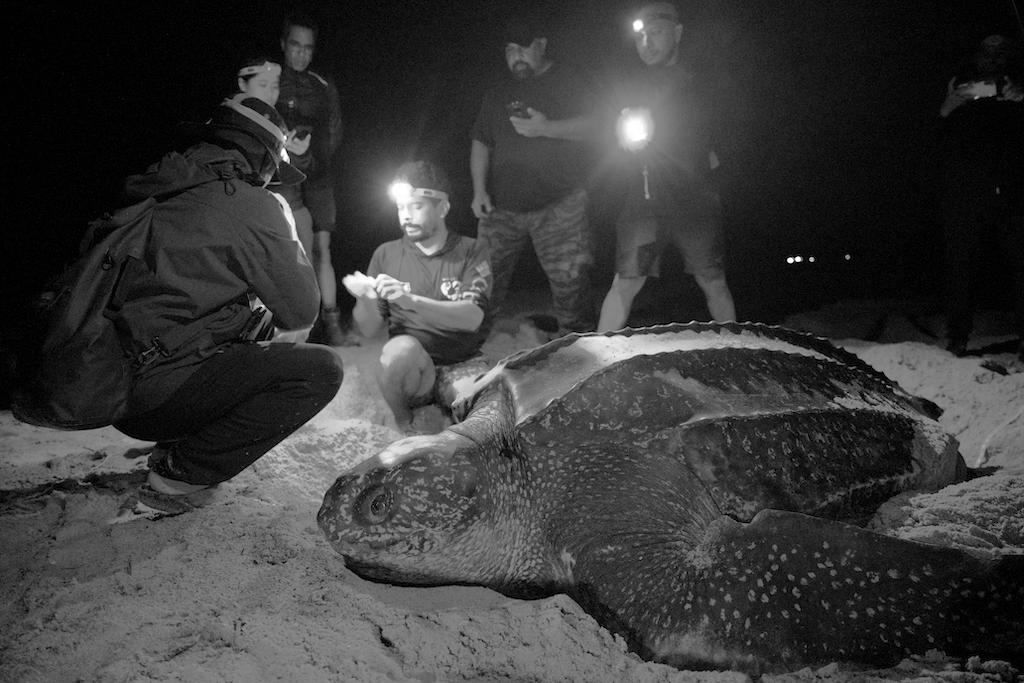
Insights from Juan Carlos Cruz, Manager, Science & Conservation, ACT’s Ancestral Tides Program When people think about conservation technology, they often picture satellite transmitters, GPS devices, drones, or digital mapping. But for the Amazon Conservation Team’s (ACT’s) Ancestral Tides program, technology is only part of the story. Across the coasts of Latin America, Indigenous Peoples and local communities are , with…
Read MoreCelebrating 30 Years: A Path That Began in the Amazon Continues to Expand
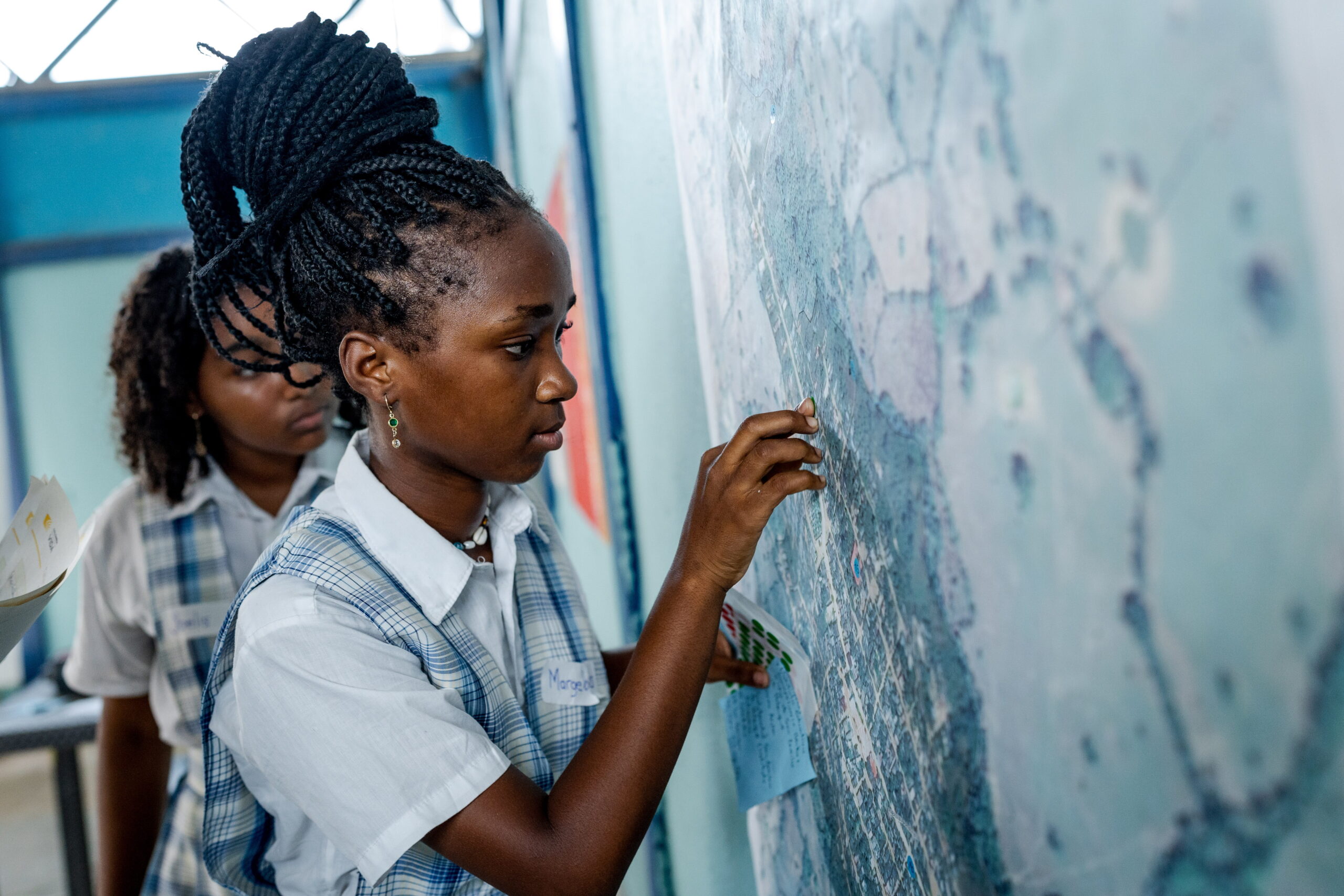
This year, the Amazon Conservation Team (ACT) is celebrating 30 years of biocultural conservation, an approach that recognizes the protection of local and Indigenous knowledge and culture go hand in hand with protecting the Earth’s most critical ecosystems. And the conservation solutions led by these communities are as diverse as the cultures and geographic regions…
Read MoreHow Indigenous Communities Are Shaping the Future of Coastal Conservation
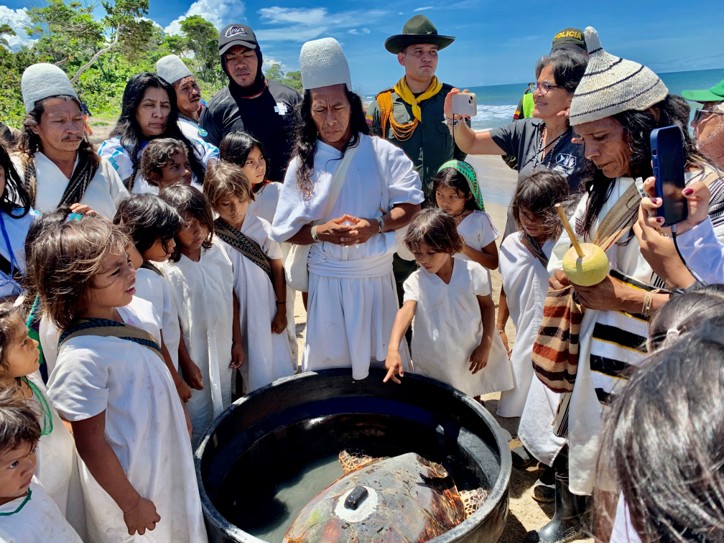
Insights from Juan Carlos Cruz, Manager, Science & Conservation, ACT Ancestral Tides Program For nearly 30 years, the Amazon Conservation Team (ACT) has partnered with Indigenous peoples to protect tropical forests and strengthen biocultural conservation across the Amazon. Today, that same collaborative approach extends beyond the rainforest and into some of Latin America’s most important coastal ecosystems. Through Ancestral Tides,…
Read More