

Mapping with Indigenous and local communities to help protect the Amazon
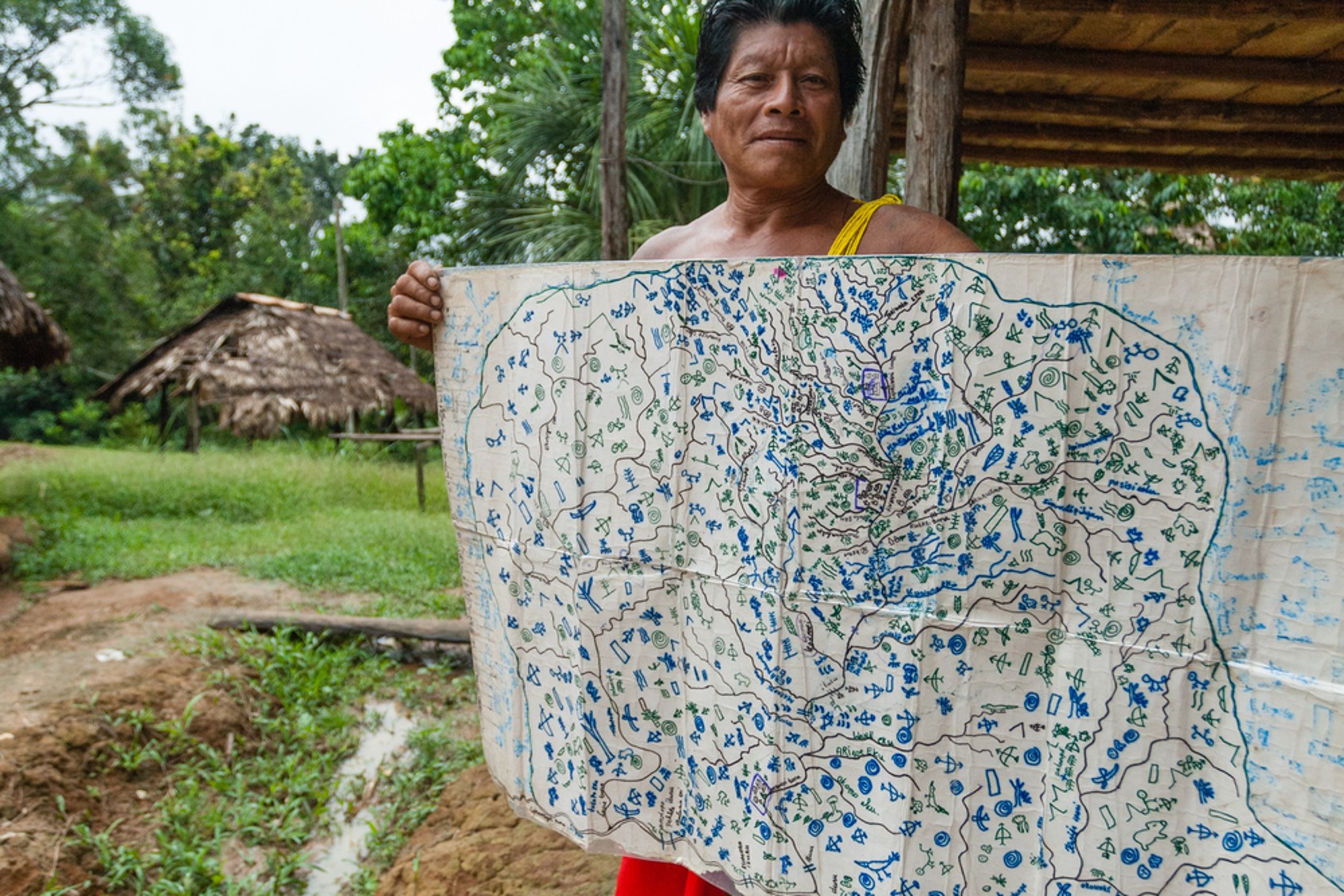
Brian Hettler, a geographer and cartographer with the Amazon Conservation Team (ACT), works with Indigenous communities in South America on participatory mapping initiatives that support indigenous land rights and rainforest conservation. Maps are more than collections of geographic coordinates or lines representing roads or country borders. They can be an expression of a community’s culture, territory, and…
Read MoreAn Amazonian Food Atlas Is Shared with the Communities That Nourished It
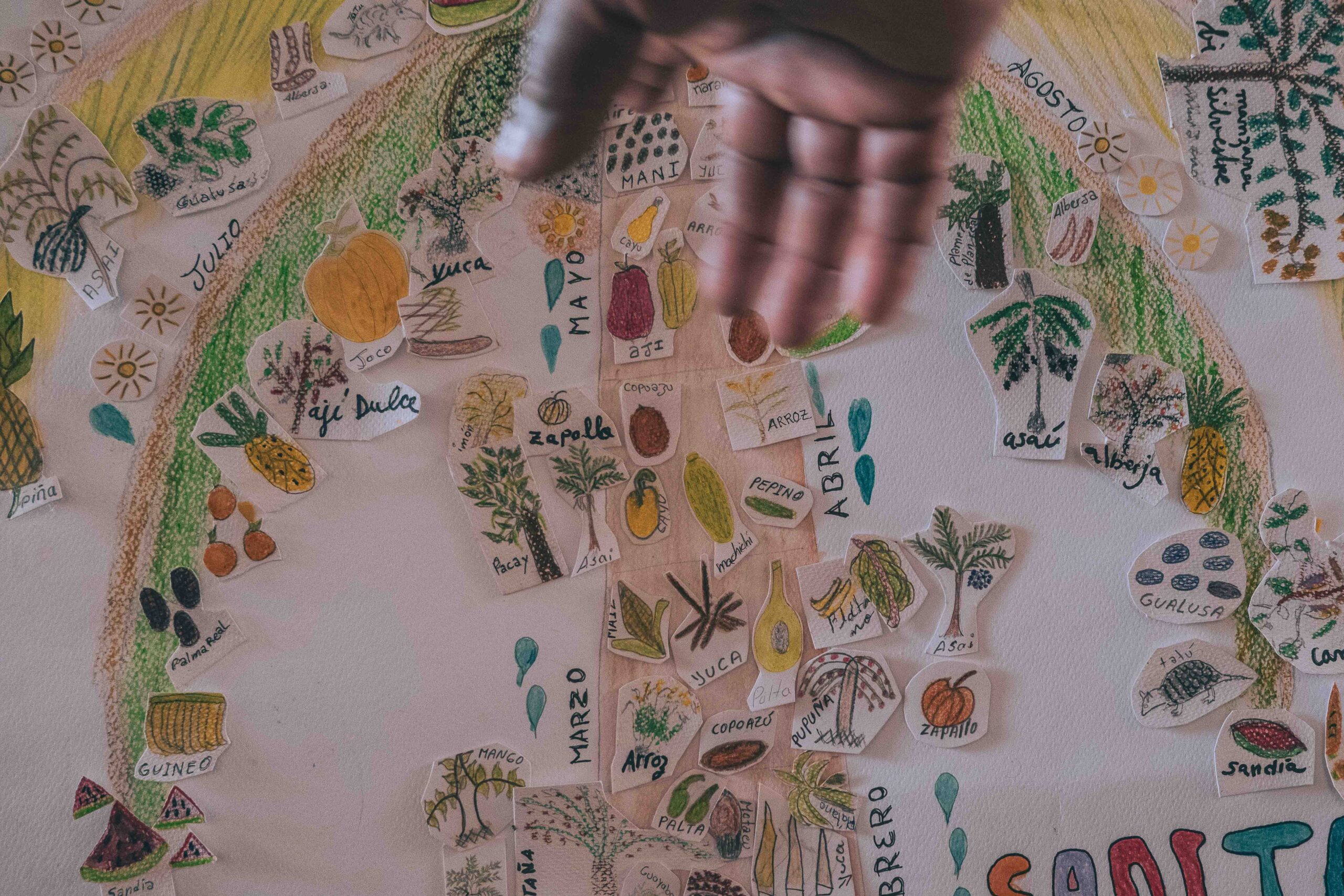
Over the last two years, fourteen communities across the Amazon have participated in a collaborative initiative to share the foods that have sustained life and cultures in their territories for generations. Their stories, knowledge, and traditional recipes were woven together into an atlas designed by the Amazon Conservation Team (ACT) as part of the World…
Read MoreCelebrating 30 Years: A Path That Began in the Amazon Continues to Expand
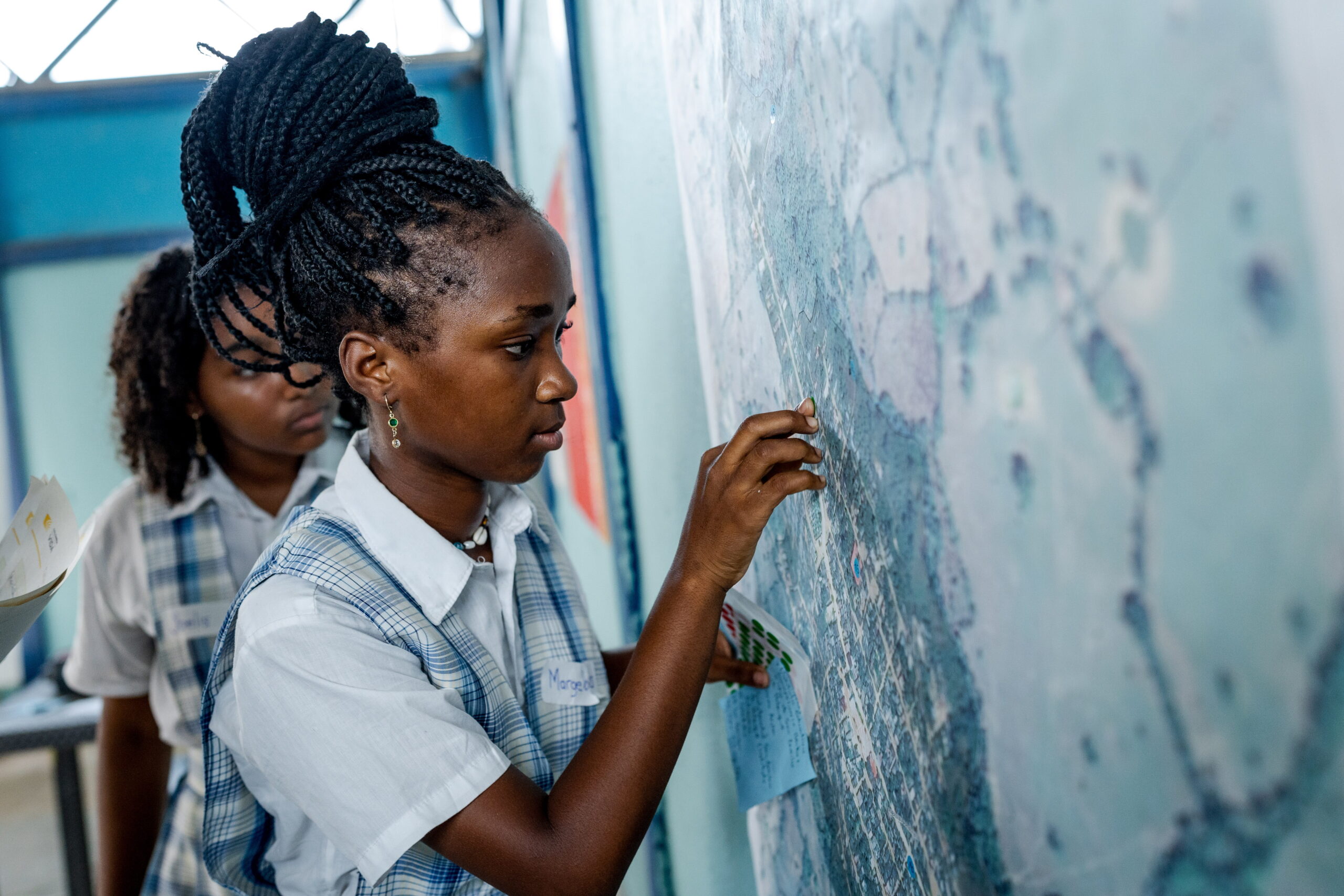
This year, the Amazon Conservation Team (ACT) is celebrating 30 years of biocultural conservation, an approach that recognizes the protection of local and Indigenous knowledge and culture go hand in hand with protecting the Earth’s most critical ecosystems. And the conservation solutions led by these communities are as diverse as the cultures and geographic regions…
Read MoreMongabay: Suriname will not be saved by soybeans (commentary)
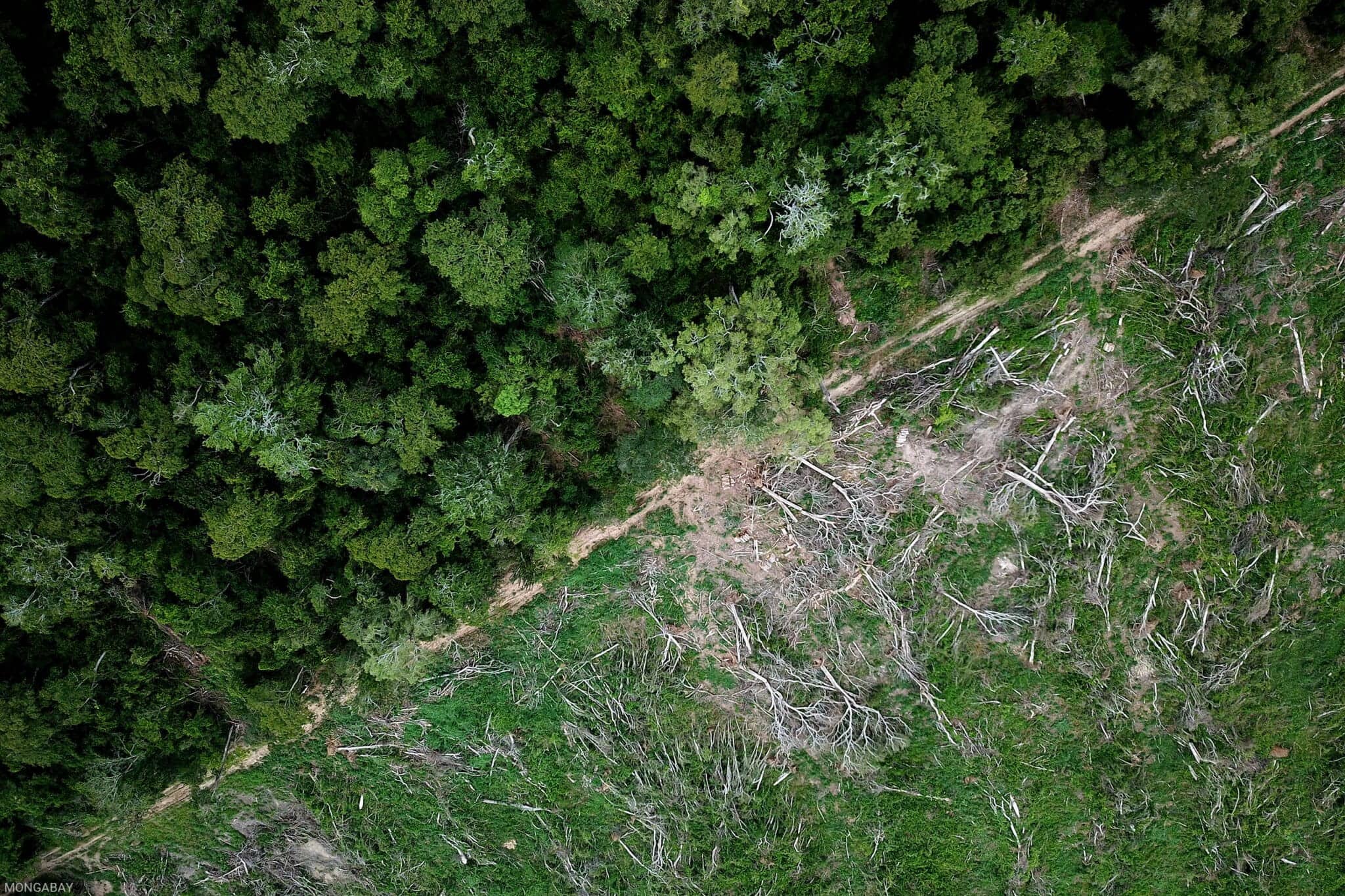
In a new commentary for Mongabay, Dr. Mark Plotkin, ethnobotanist and President of the Amazon Conservation Team, argues that large-scale foreign agribusiness — Brazilian, Mennonite, or otherwise — won’t modernize Suriname’s economy and bring shared prosperity, as promised. Instead, drawing on patterns seen throughout tropical America, he argues it will do the opposite: clearing forest,…
Read MoreThe Invisible Pollinators of the Amazon
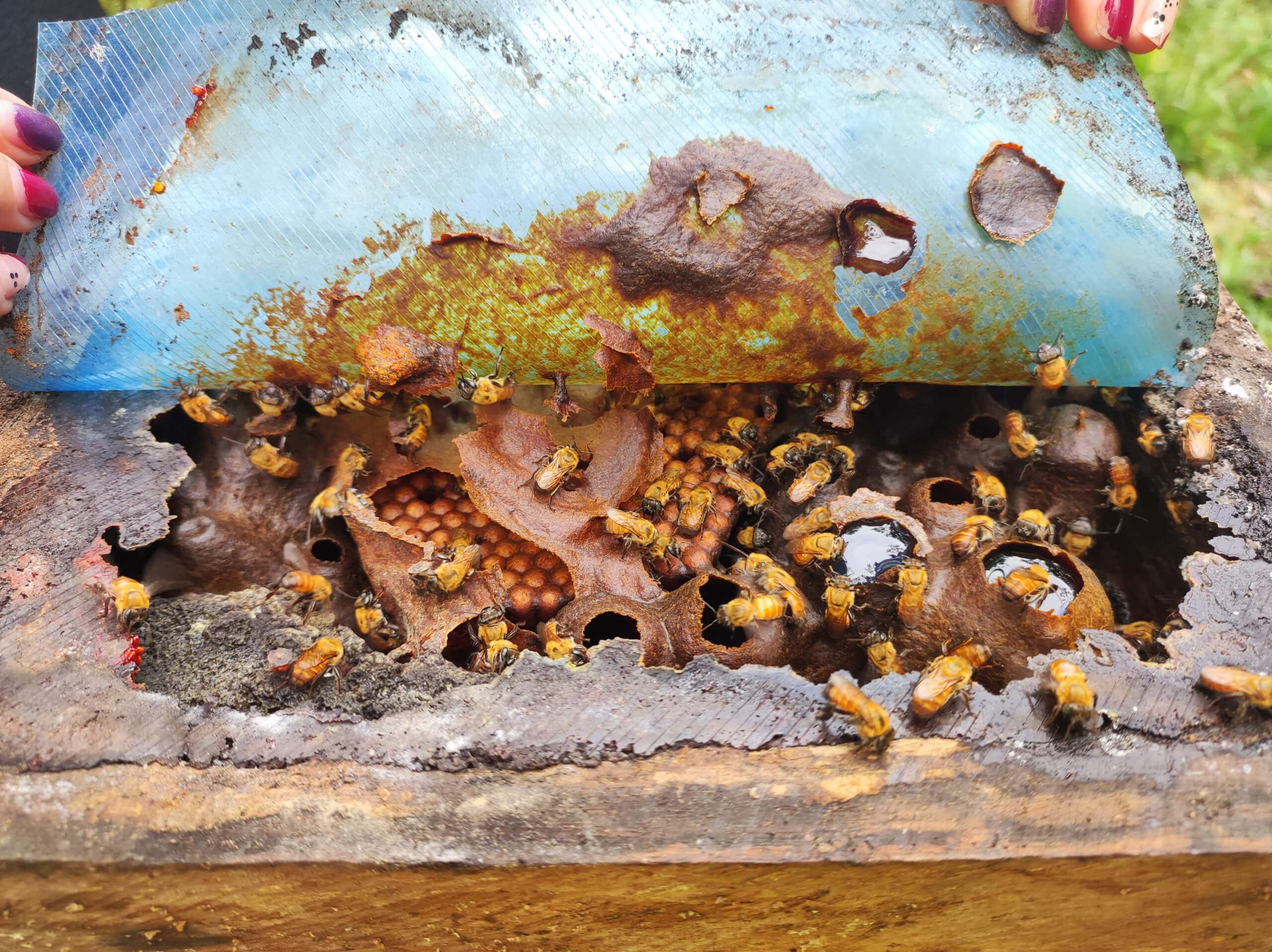
How stingless bees are helping communities protect forests, preserve knowledge, and build sustainable futures When people think of bees, they usually imagine the common honeybee. But across the Amazon, hundreds of native stingless bee species quietly sustain forests, food systems, and cultural traditions, often without being noticed at all. Hidden inside hollow trees and deep…
Read MoreHow Tareno and Matawai Communities Are Advancing Indigenous-Led Development Plans in Suriname
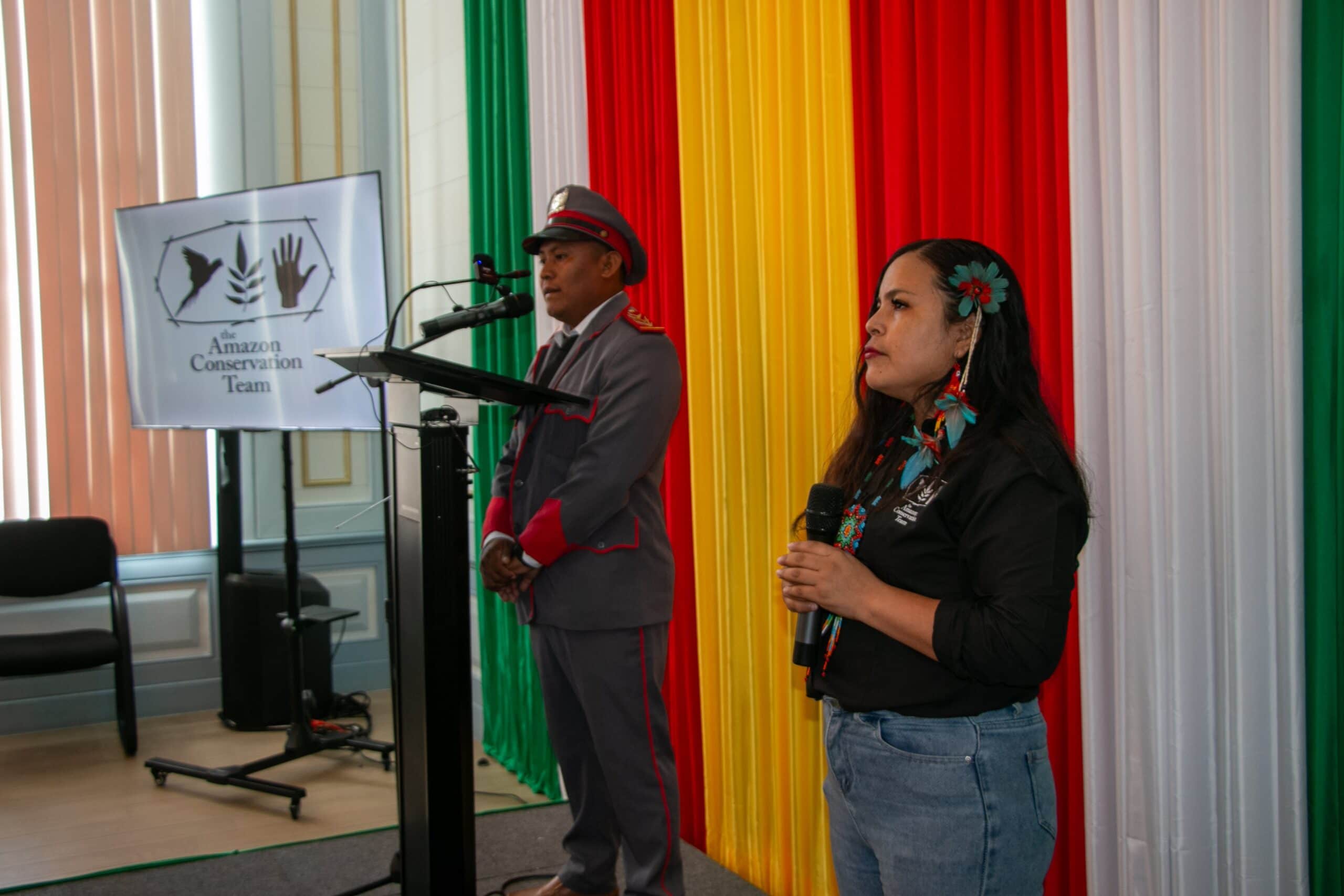
A historic moment for Suriname’s Indigenous and Maroon communities. This December, traditional authorities from the Coeroenie and Matawai regions officially handed over their development plans—the Tareno Development Plans and the Matawai Fiti Plan—to the Government of Suriname. The ceremony was attended by President Jennifer Geerlings-Simons, government ministers, district commissioners, representative from the Inter-American Development Bank, and directors of NGOs working in Indigenous and tribal areas. This event marks more…
Read MoreFive conservation stories to celebrate in 2025
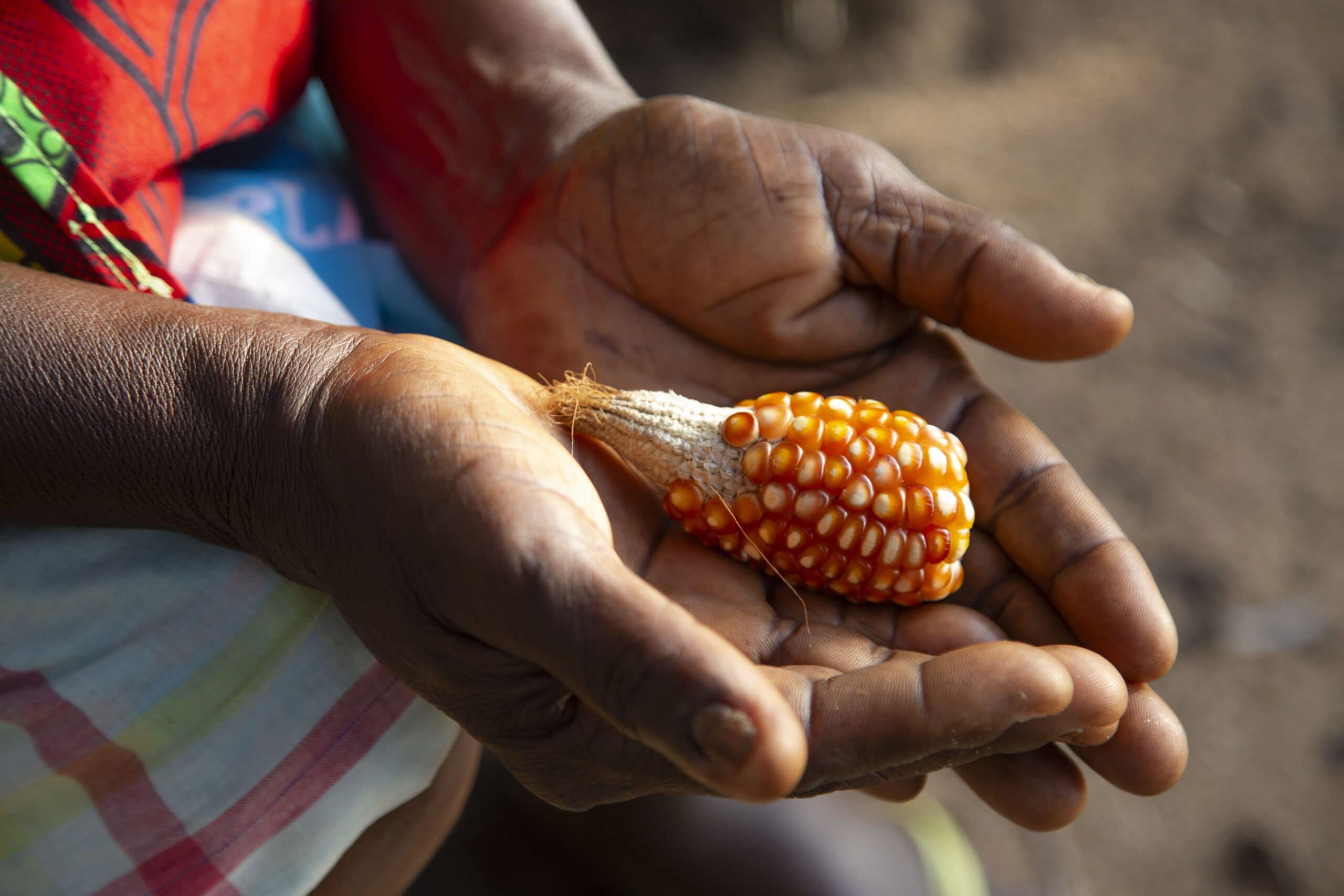
From rainforest headwaters to coastal mangroves, 2025 was a year of quiet victories and powerful partnerships. Together with Indigenous and local communities across Central and South America, we helped safeguard forests, rivers, coastlines, and wildlife—while also strengthening the food systems, livelihoods, and cultural knowledge that make those ecosystems thrive. Because in the Amazon and beyond,…
Read MoreProtecting a Global Food Staple: Statement on Cassava Disease
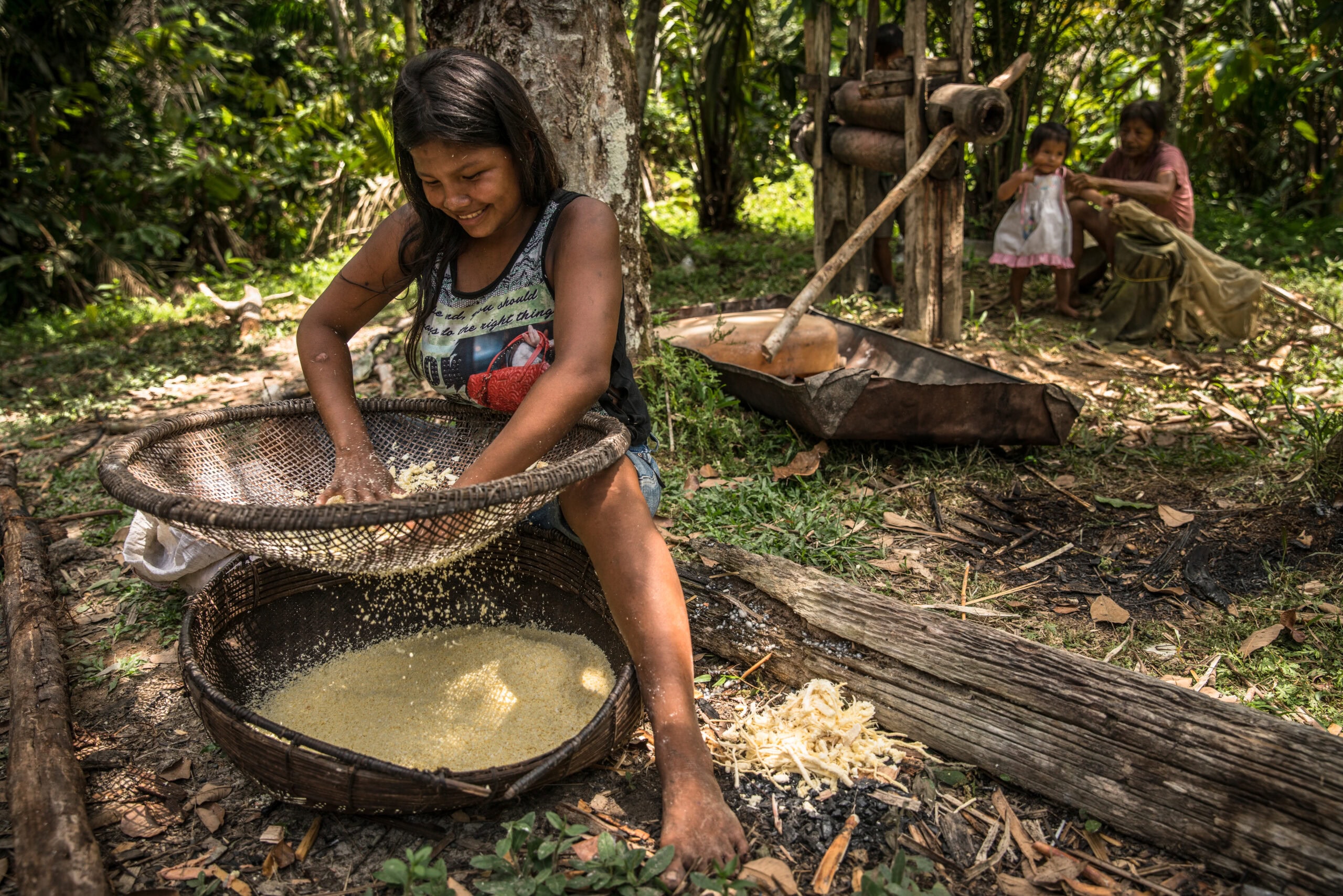
The Amazon Conservation Team (ACT) is monitoring the potential spread of Witches’ Broom disease in cassava crops across the Guianas. The fungal pathogen Ceratobasidium causes broom-like shoots and can sharply reduce yields of one of the world’s most important staple foods. “Cassava is the major food crop in these regions imagine what crop failure would mean,” Dr. Mark Plotkin, ethnobotanist and ACT president, said. “For millions of families,…
Read MoreThe Echoes of the Peoples at COP30
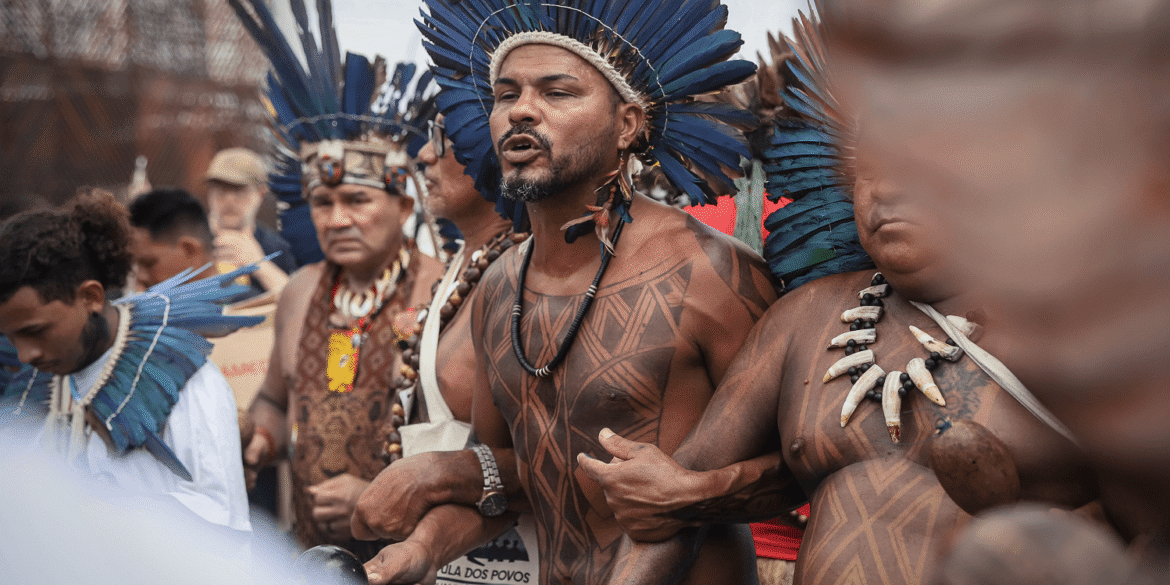
A historic mobilization marks advances in land demarcation and territorial protection. ACT stood alongside communities and helped elevate grassroots leadership in climate decision-making. The 30th United Nations Climate Change Conference (COP30), held in November in Belém (Pará), was defined by the strength and historic coordination of Brazil’s Indigenous peoples and traditional communities. Through marches, dialogues,…
Read MoreCosta Rica Gathering 2025: Honoring 30 Years and Building ACT’s Future
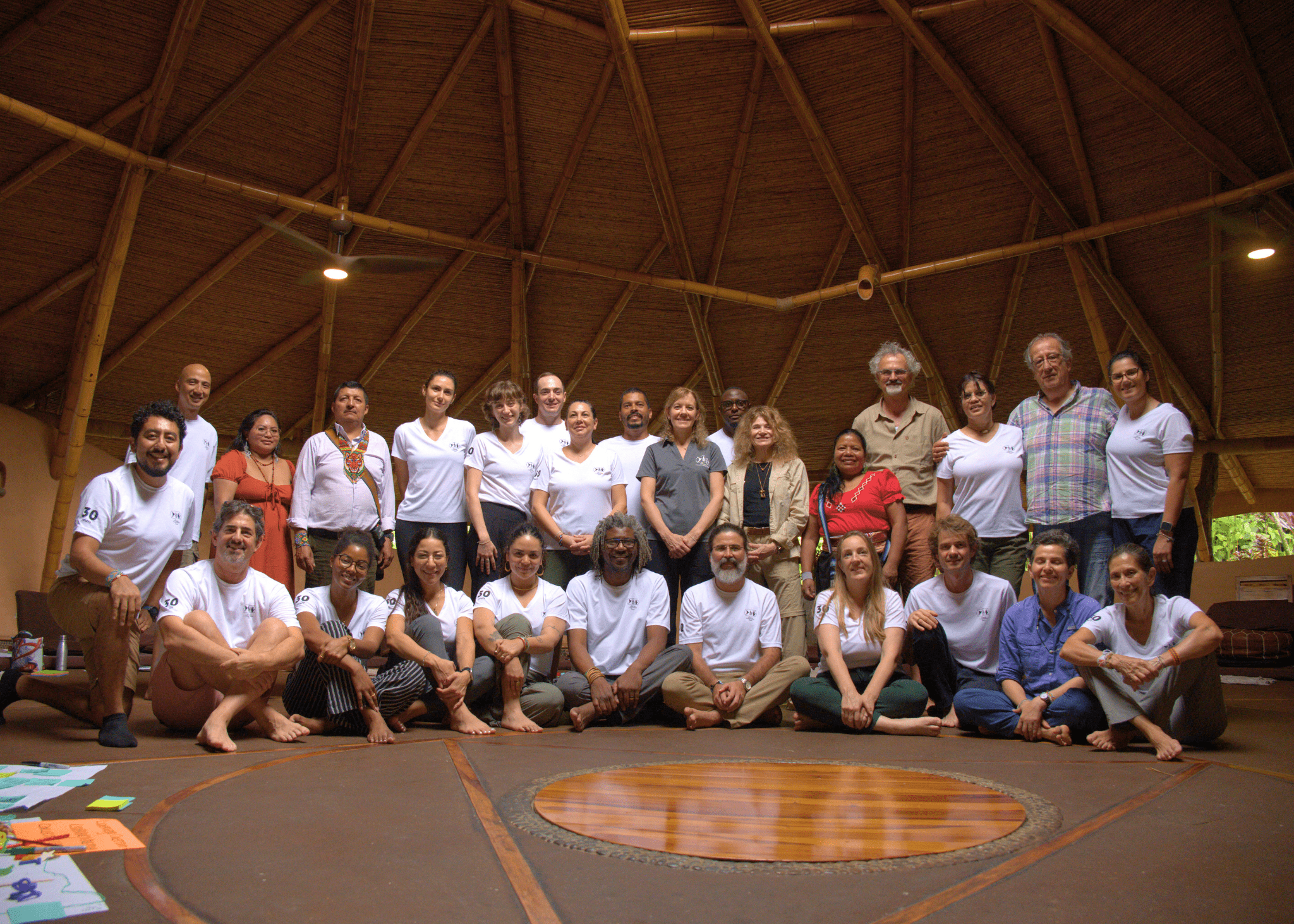
From October 20 to October 22, 2025, ACT members from the USA, Brazil, Colombia, Costa Rica, and the Guianas gathered in Costa Rica for a transformative event. Joined by board members, donors, guests, and Indigenous partners — María del Rosario “Charito” Chicunque, Pablo Chindoy, and Marinete Tukano — the gathering focused on strategic conversations to align ACT around its next chapter while…
Read More