

Posts by Amazon Conservation Team
ACT Participates in Suriname’s Annual Children’s Book Festival
In March, representatives from ACT and a team of indigenous people prepared a booth in the form of a traditional hut for the Children’s Book Festival in Suriname’s capital city, Paramaribo. ACT’s festival theme is “A Journey to South Suriname. For the occasion, ACT brought a Trio storyteller from the indigenous village of Kwamalasamutu whose knowledge of traditional medicine is renowned.
Read MoreChildren’s Book Festival, We Have Arrived
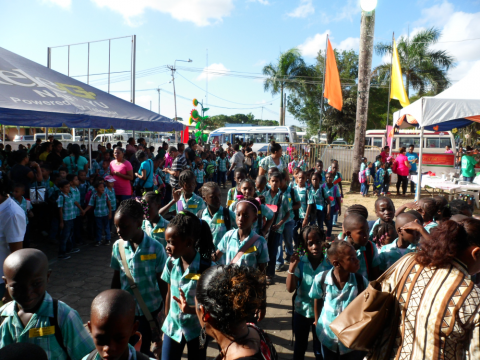
On March 23, 2015, the Children’s Book Festival launched in Suriname’s capital city of Paramaribo. At 8:30 a.m., ACT’s Katia Delvoye received the first group of students for “A Journey to South Suriname”—an interactive experience in which students learn about the traditional knowledge of the indigenous and tribal communities of their nation’s rainforest interior.
Read MoreThe Green Education Kit Arrives in Kwamalasamutu
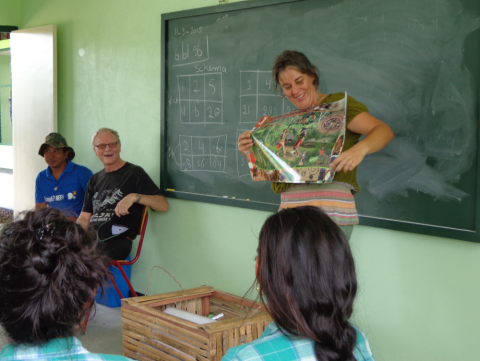
On March 11, 2015, ACT’s Katia Delvoye delivered a green education kit to a public school in the remote Surinamese indigenous village of Kwamalasamutu. The kit contains lesson plans and their related materials, including books about nature and the environment in Suriname.
Read MoreThe ACT Rainforest Plant Guide for Children
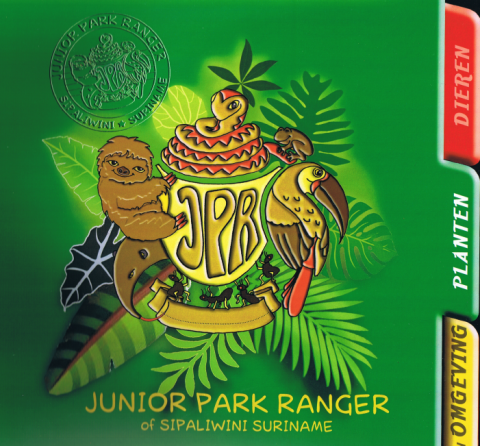
In March, ACT Education and Outreach Coordinator Katia Delvoye delivered ACT Suriname’s newest publication, “My Plants,” to public schools in Suriname’s interior. During her visit to the villages of Apetina and Kwamalasamutu, Katia distributed this second book in the Junior Park Ranger series and its accompanying poster and educational materials. The book covers the names and uses of local plants.
Read MoreJoint Project between ACT and the University of Utrecht Commences
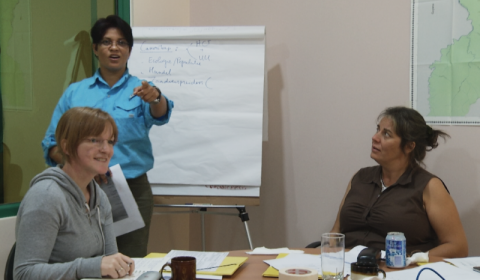
This year, ACT and the University of Utrecht will commence a joint project designed to strengthen sustainable management to protect resources and biodiversity in Trio and Wayana territory. The priority areas will be defined through careful discussion with local indigenous communities. The project will run for two years and has a budget of 215,000 euros.
Read MoreShamans and Apprentices Gathering in Kwamalasamutu
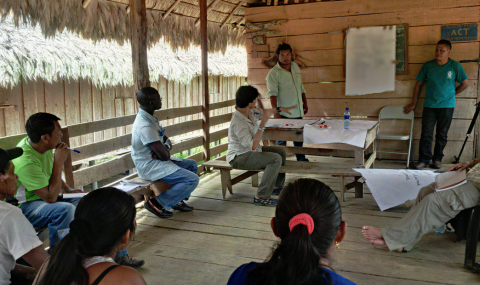
In January, shamans from various villages across Suriname’s rainforest interior partook in a two-day evaluation of ACT Suriname’s Shamans and Apprentices Program. In addition to the presence of indigenous shamans, Ramon Awenkina—a maroon traditional healer from Gonini Mofo who specializes in bone-setting—joined the meeting.
Read MoreOn the Way to the Matawaai
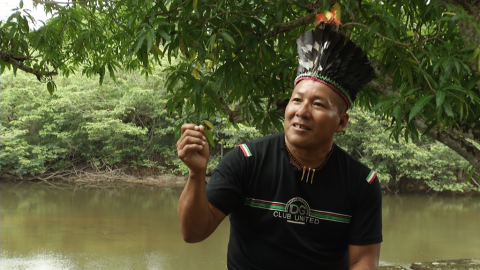
Since the early 1990’s, ACT has worked with indigenous peoples to create ethnographic maps of their traditional lands. These maps not only catalog important locations for indigenous communities, but also serve in the ongoing dialogue over land rights for indigenous and Maroon peoples.
Read MoreTo Build a Tukuispan
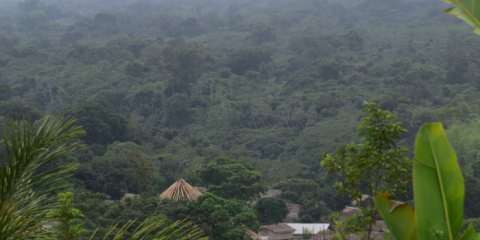
Kwamalasamutu awakens. The first sunrays break through the clouds and light on thatched roofs in the tiny Surinamese rainforest village. A few residents are already on their way to wash themselves in the river. Mist still hangs in the air. Suddenly, we hear a voice over the village loudspeaker. It’s Granman Asongo Alalaparu. Per the daily ritual, he makes the morning announcements. Today—as for the last two weeks—the big project is building the community’s new Tukuispan. And everyone is expected to help.
Read MoreHonduras pledges forest protection after discovery of ancient site
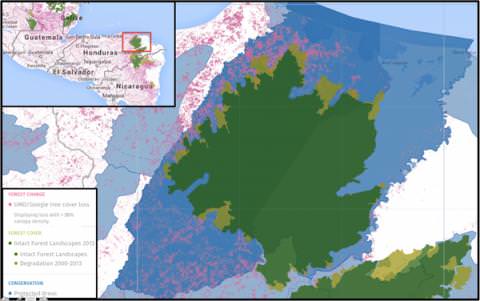
Earlier this month, National Geographic made big news: the discovery of what it called a “lost city” below the thick jungles of Honduras. While the coverage has led to scientists crying sensationalism, it also resulted this week in a commitment of protection by the Honduras President, Juan Orlando Hernández, for a long-neglected portion of the country.
Read MoreParticipatory Mapping Work Begins With the Matawaai
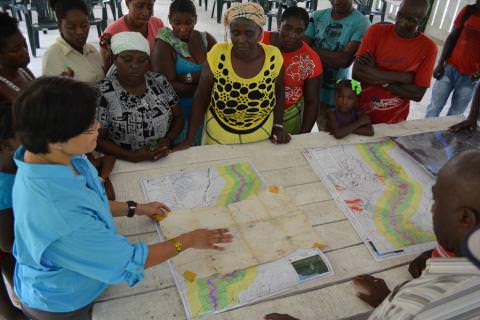
In February, Rudo Kemper (Amazon Conservation Team), Niradj Hanoeman (ADEK University student), and Keeng Koemoe (an indigenous cartographer from Kwamalasamutu) traveled to the upper Saramacca river in Suriname for one month to commence a two-year participatory mapping project with the Matawaai maroon people.
Read More