

Posts by Amazon Conservation Team
COVID-19 Response May, 2020
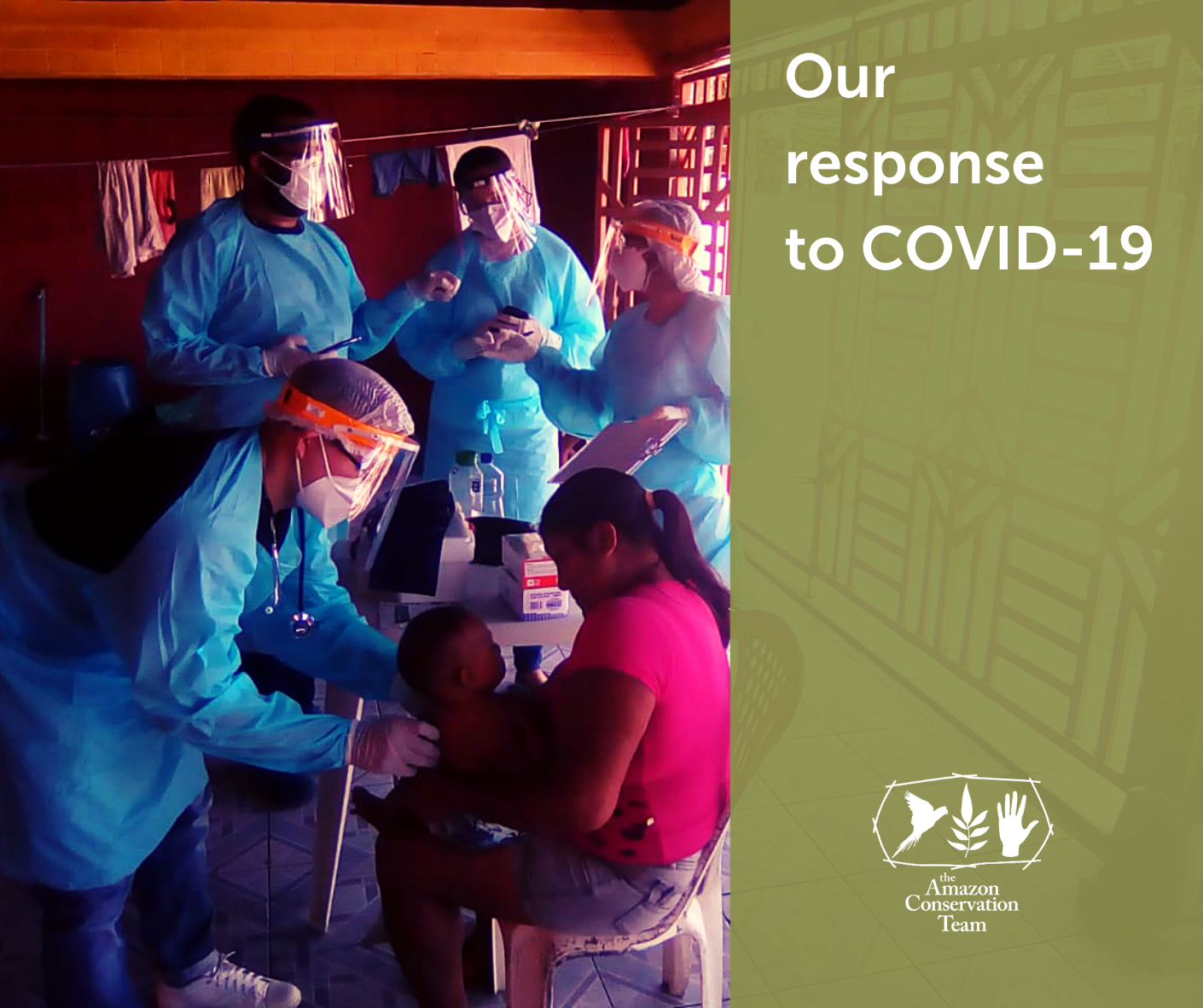
As the COVID-19 pandemic continues to spread in Amazonia, indigenous and local communities are some of the most vulnerable.
While we have had to leave our offices and field locations and pause many of our projects, we have strategically pivoted to address communities’ most pressing needs in the face of the current global health crisis.
This is how we have reshaped our current priorities in response to COVID-19
Read MoreCOVID-19 Response
This is how we are reshaping our current priorities in response to the pandemic.
Read MoreEmerging diseases and deforestation on a suffering planet
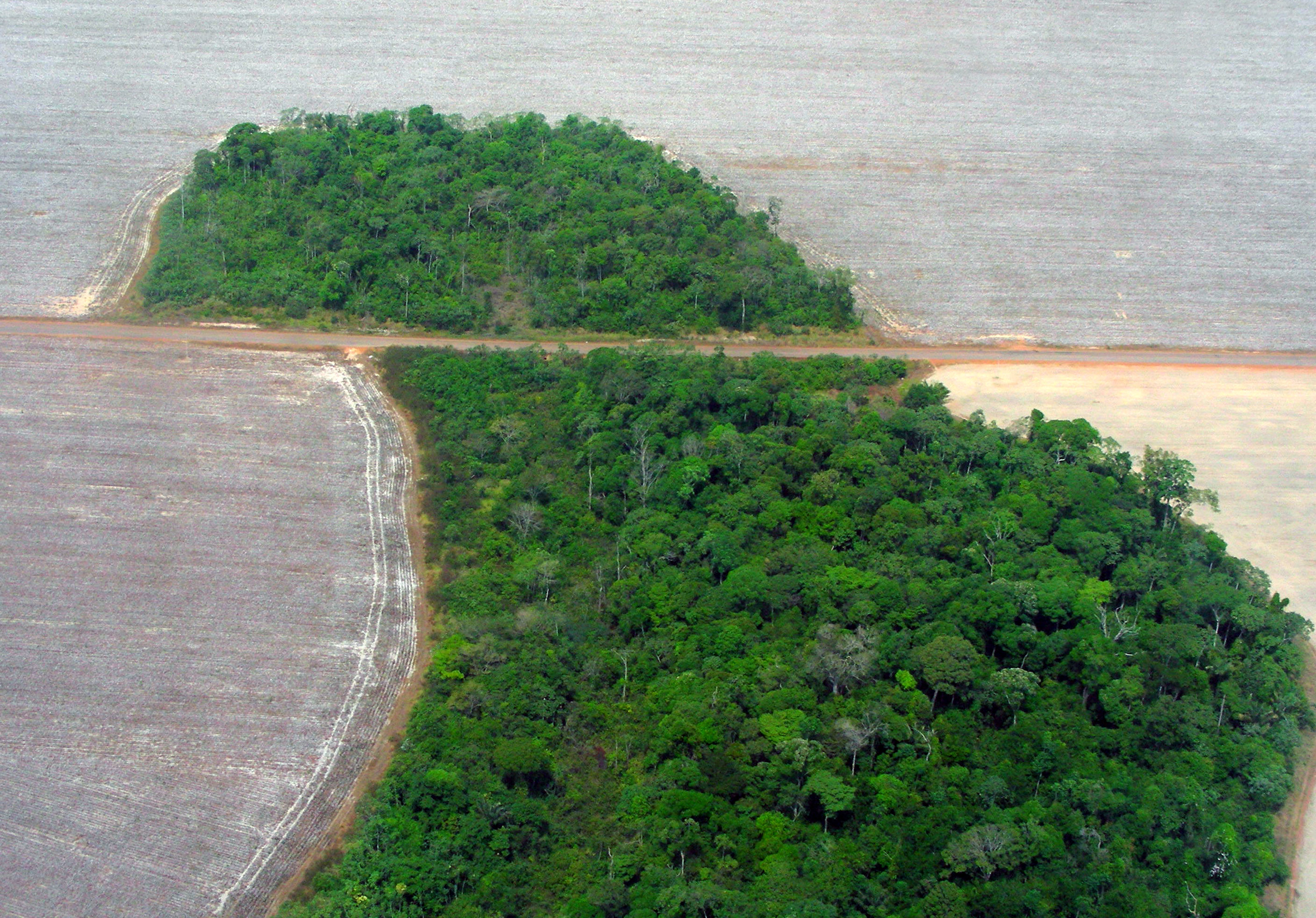
By: Isidoro Hazbun Original article in Spanish in El Heraldo / Opinion More than 60% of human infectious diseases are caused by pathogens shared with wild or domestic animals. Some of these diseases have only recently emerged due to deforestation. Many zoonoses, animal-related diseases that can incidentally be communicated to people, especially those caused by…
Read MoreCourt decisions will be translated into the languages of indigenous peoples – Semana Sostenible
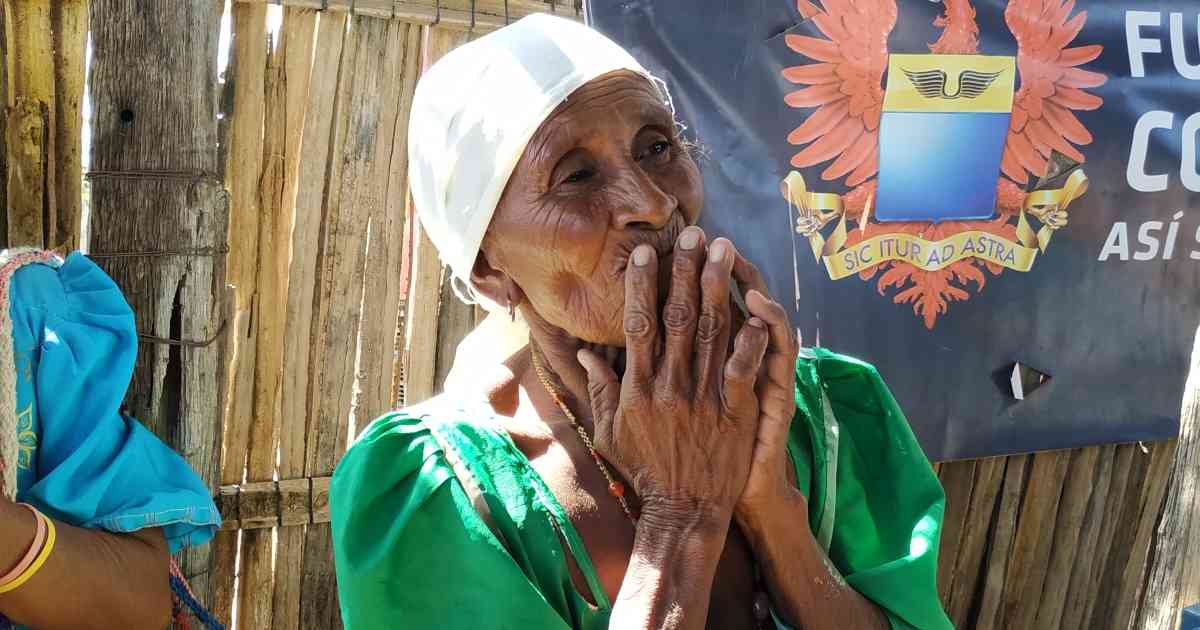
March 30, 2020 – Semana Sostenible The Colombian Constitutional Court and the Amazon Conservation Team (ACT) will disseminate to the indigenous communities of Colombia the legal guarantees and information on the protection of their rights in their own languages. The first languages that will be addressed in this joint effort are Awá, Inga, Wayuunaiki, Witoto…
Read MoreColombian Constitutional Court reaches agreement to translate its rulings for indigenous communities – El Tiempo
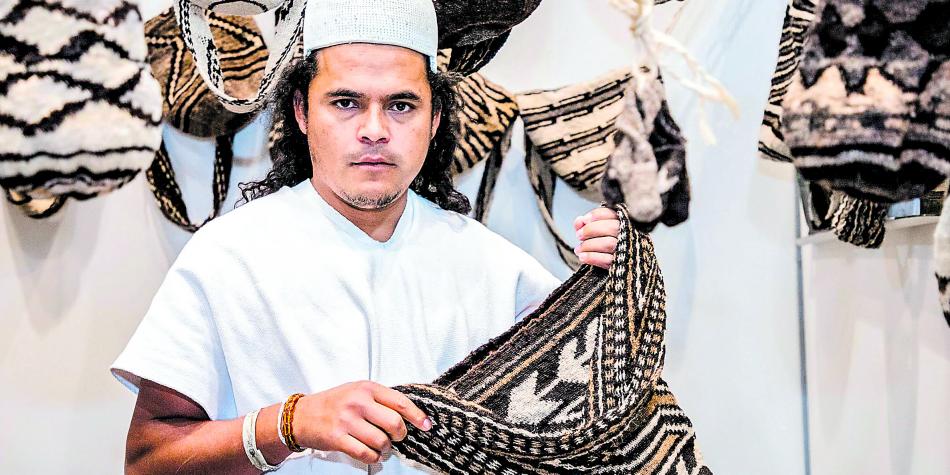
March 30, 2020 – El Tiempo A project with the Amazon Conservation Team seeks to translate major rulings that defend their rights. The Colombian Constitutional Court formalized with the Amazon Conservation Team a partnership whose purpose is to strengthen the dissemination of and access to the most significant decisions that the high court has issued…
Read More“We believed ourselves invincible”: Francisco de Roux
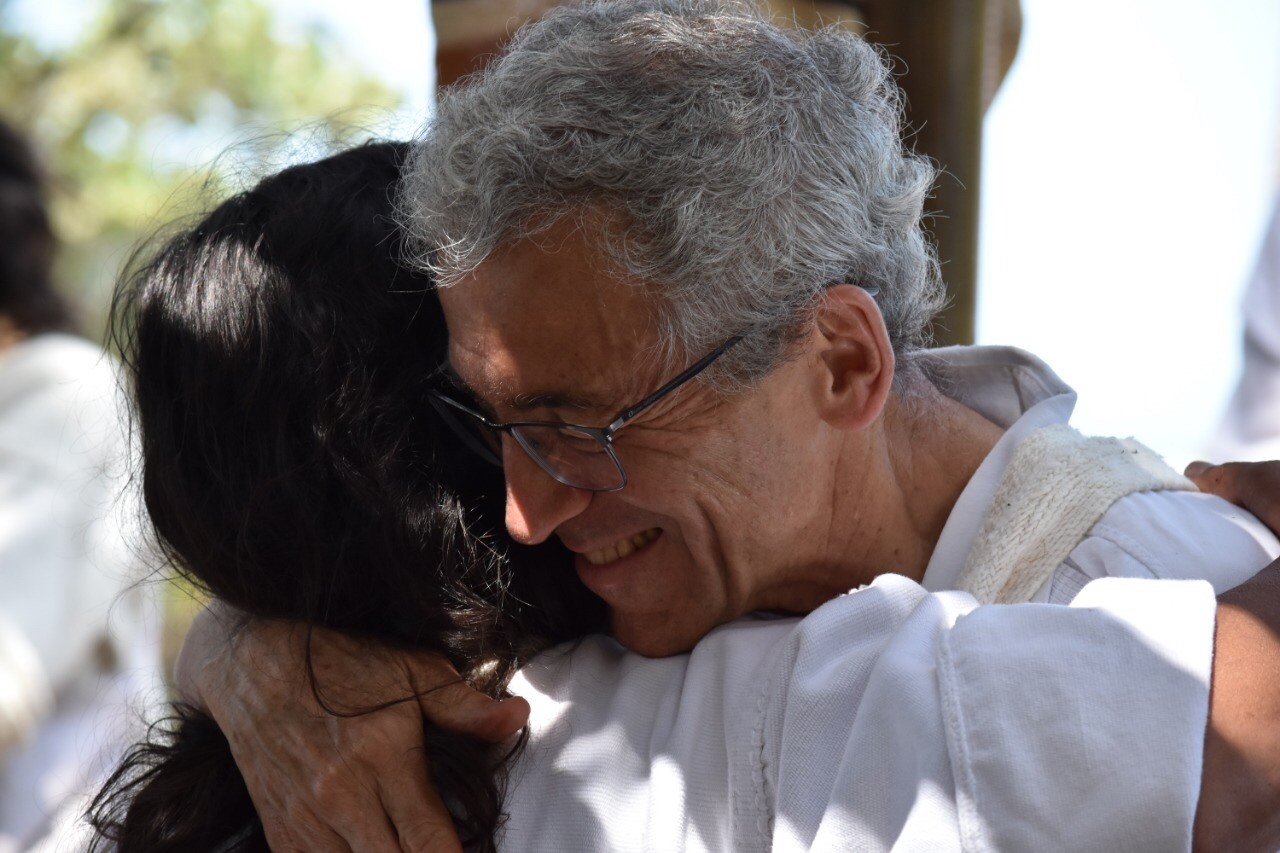
By Francisco de Roux (Jesuit priest, philosopher, economist, and president of the Colombian Truth Commission) March 29, 2020 – Semana By Francisco de Roux (Jesuit priest, philosopher, economist, and president of the Colombian Truth Commission) Our guest reflects on the moment we are experiencing as a society. It is now, he says, when we need the determination…
Read MoreThe Colombian Constitutional Court and the Amazon Conservation Team join forces to bring the Court’s decisions to the nation’s ethnic communities
Bulletin No. 44 Bogotá, March 27, 2020. The Colombian Constitutional Court and the Amazon Conservation Team will work together to share with the nation’s indigenous communities the guarantees and protection of their rights, as well as the jurisprudence that the Court has developed in defense of their interests. Alberto Rojas Ríos, the President of the…
Read MoreLa Corte Constitucional y Amazon Conservation Team unen esfuerzos para llevar las sentencias y decisiones de esta Corporación a las Comunidades étnicas del país
Boletín No. 44 Bogotá, 27 de marzo de 2020. El presidente de la Corte, Alberto Rojas Ríos y la directora de Amazon Conservation Team en Colombia, Carolina María Gil Sánchez, suscribieron un Memorando de Entendimiento interinstitucional para fortalecer la divulgación y el acceso a las decisiones de la Corporación por parte de las comunidades étnicas…
Read MoreUrgent COVID-19 Recommendations in Regards to Indigenous Peoples Living in Voluntary Isolation
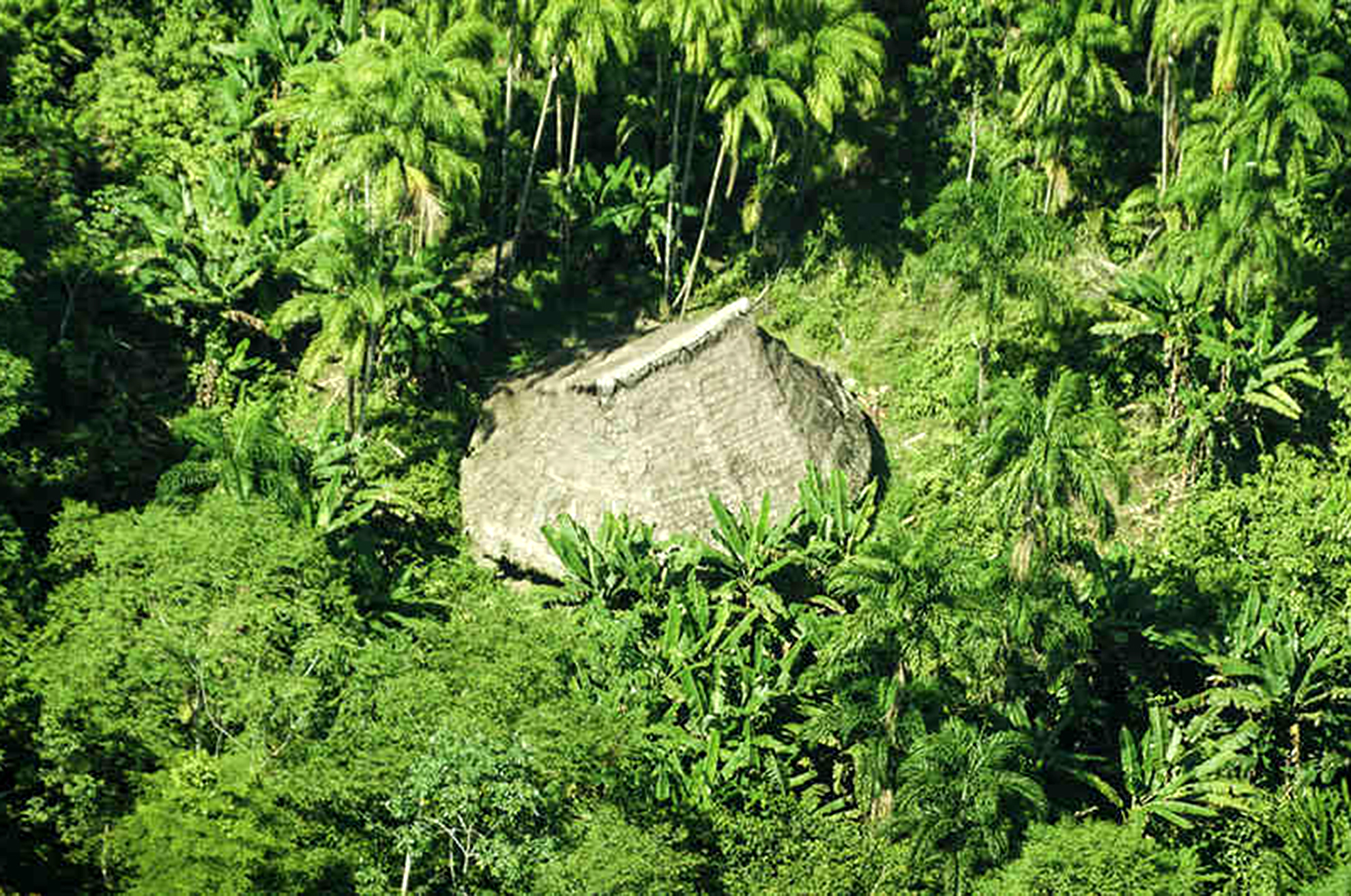
Recomendaciones urgentes de COVID-19 con respecto a los pueblos indígenas que viven en aislamiento voluntario