

Along the remote Peru-Brazil border, the Matsés Indigenous people continue to uphold a traditional way of life deeply connected to the Amazon rainforest. Their territories — the Matsés Indigenous Territory and the Matsés National Reserve — span approximately 852,000 hectares (2.1 million acres) of pristine forest.
The future of this remarkable landscape is inseparable from that of its roughly 3,000 Indigenous guardians, one of the largest Indigenous communities in Peru, who are facing urgent and escalating health challenges because of hepatitis B. This highly infectious viral disease attacks the liver and can lead to chronic illness, cirrhosis, liver cancer, and death. Tragically, dozens of Matsés community members have died from hepatitis B, and more continue to be infected due to a lack of vaccination coverage — leaving them vulnerable to a disease that, while deadly, is also easily preventable.
Amazonian communities lack public health support
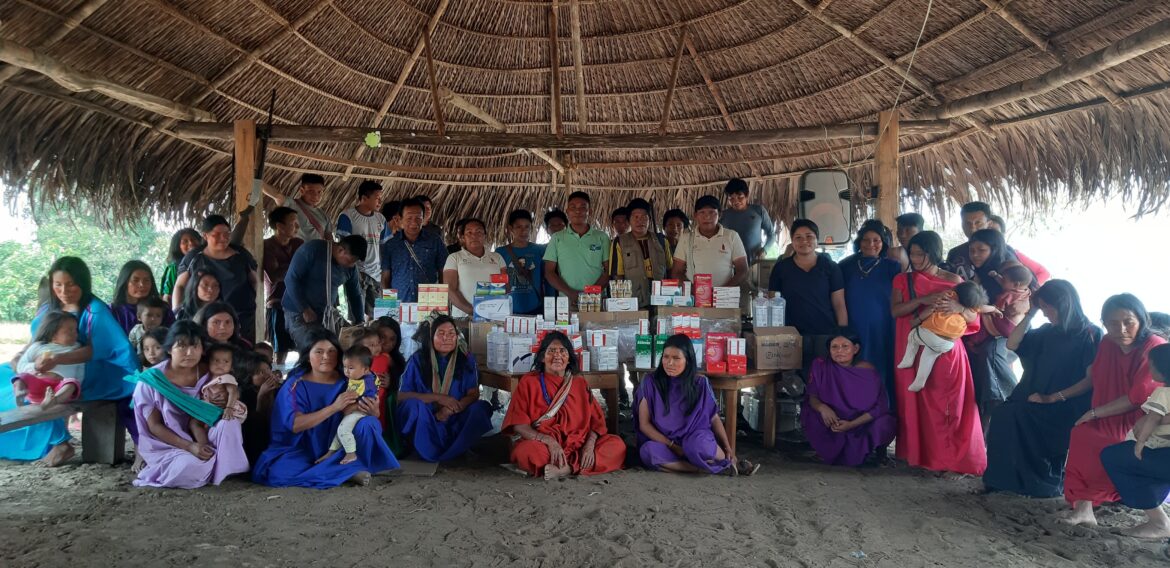
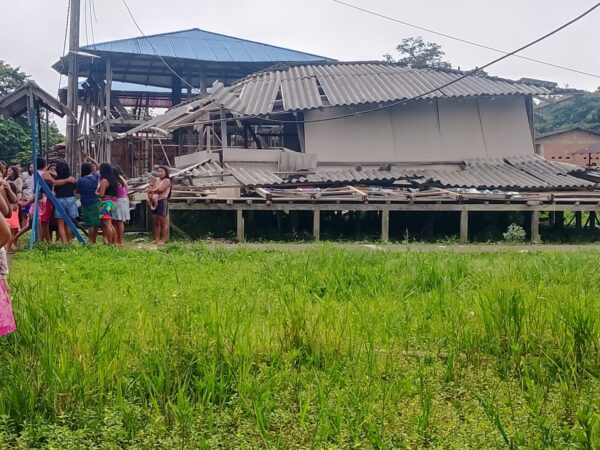
“We’ve seen hepatitis from children up to young people. So, we tried to notify the Ministry of Health,” said Angel Uaqui Dunu, a leader with the Matsés community. But he explains that the Peruvian government doesn’t have the resources to reach their territories. Transporting vaccines to extremely remote locations requires specialized temperature-controlled refrigeration systems. Additionally, vaccinating community members across 19 settlements spread over the three river basins that make up the Matsés native community takes about a month, presenting another logistical challenge.
This means those suffering from hepatitis B in rural areas have no treatment options, or make the long journey to a hospital in the city, only to be told by doctors that it’s too late. “People go back to their community, to their families, so that they can die in their community,” Angel explained.
ACT’s Response: Health Brigades on the Ground
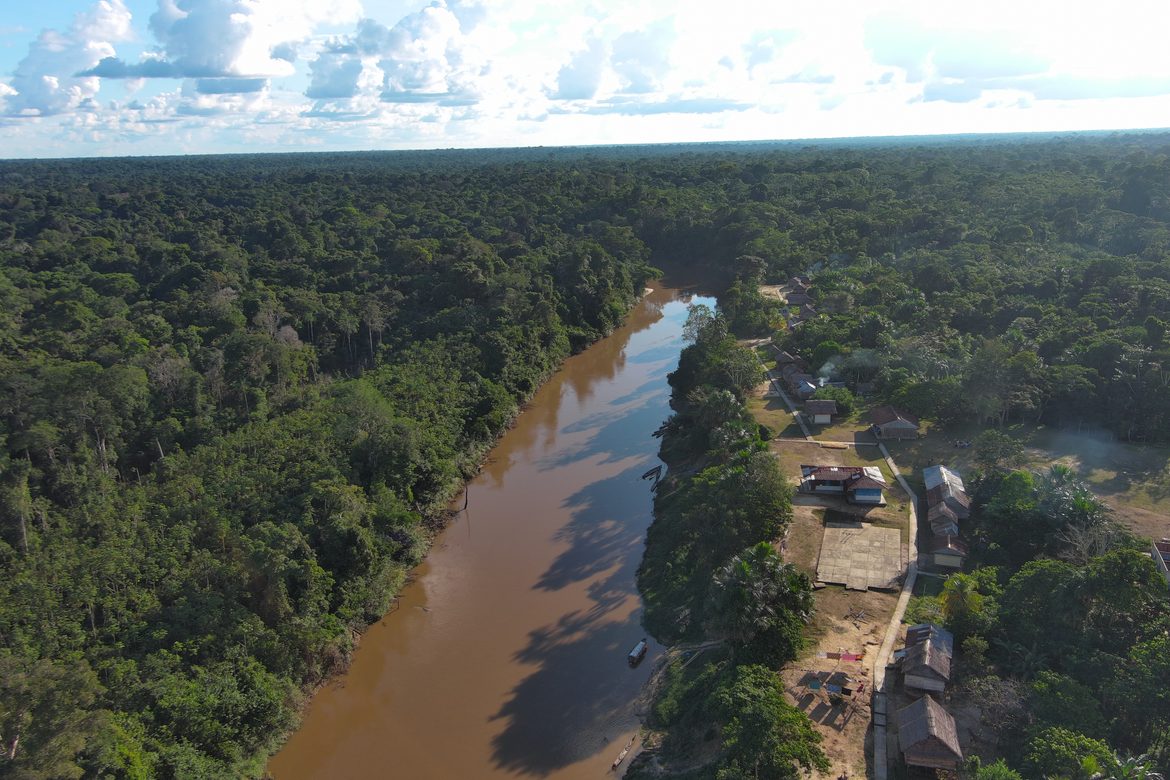
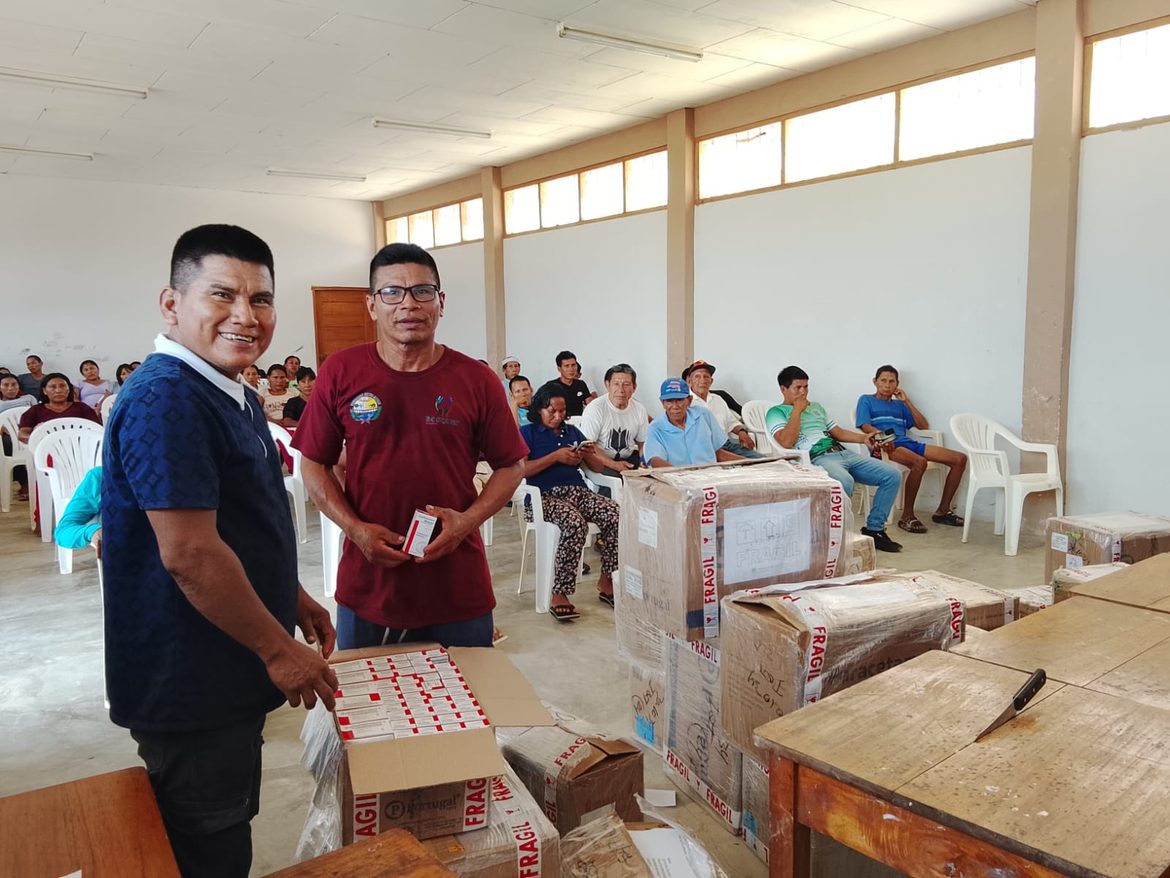
After many years of asking the government for support to address the crisis and not receiving it, the Matsés sought the support of the Amazon Conservation Team (ACT). We’re partnering with local Indigenous organizations and civil society allies to bring critically needed health support to Matsés communities. This includes hepatitis B vaccines and other essential health services — testing for HIV, hepatitis, malaria, and other illnesses — as well as stocking health posts and community health kits. ACT helped the community establish its first health post there in 2021.
The first health brigade visited the Yaquerana district in late 2025, administering approximately 500 hepatitis vaccines along with other essential healthcare to local community members. A second brigade is planned for October 2026, to ensure that approximately 1,500 community members receive critical follow-up vaccine doses and continued health care support.
“We’re grateful for the support we’ve already received, but we urgently need a second and third vaccination campaign for the community. To this day, I have lost many brothers and sisters to this disease,” said Leo Chumati Causo, representative of the Matsés Native Community.
Protecting Neighbors, Too
Helping the Matsés will also help other nearby communities, including Indigenous groups living in voluntary isolation. These Indigenous peoples in neighboring territories have chosen to have no contact with non-Indigenous societies, making them highly vulnerable to diseases introduced from the outside world. Improving the health of Matsés communities is therefore an essential step toward protecting these isolated neighbors as well.
Help Us Reach 1,500 More Lives
ACT is seeking to raise $30,000 to sponsor the October 2026 health brigade, providing essential follow-up doses of the hepatitis B vaccine — a full three-dose series that offers lifelong protective immunity for 90–95% of people — along with continued health services to approximately 1,500 Matsés community members.
Funds raised will go toward:
- Paying healthcare providers
- Covering transportation and logistical costs
- Purchasing medical supplies and specialized equipment for transporting temperature-sensitive vaccines
With your support, the Matsés can finally receive the healthcare protection their leaders have been requesting for nearly a decade — protecting not only their own communities, but the isolated Indigenous peoples who share their forest home.
Share this post
Bring awareness to our projects and mission by sharing this post with your friends.