

Discover the Agrobiodiversity in Tocantins project, an initiative that brings together productive landscape restoration, Indigenous knowledge, and territorial protection.
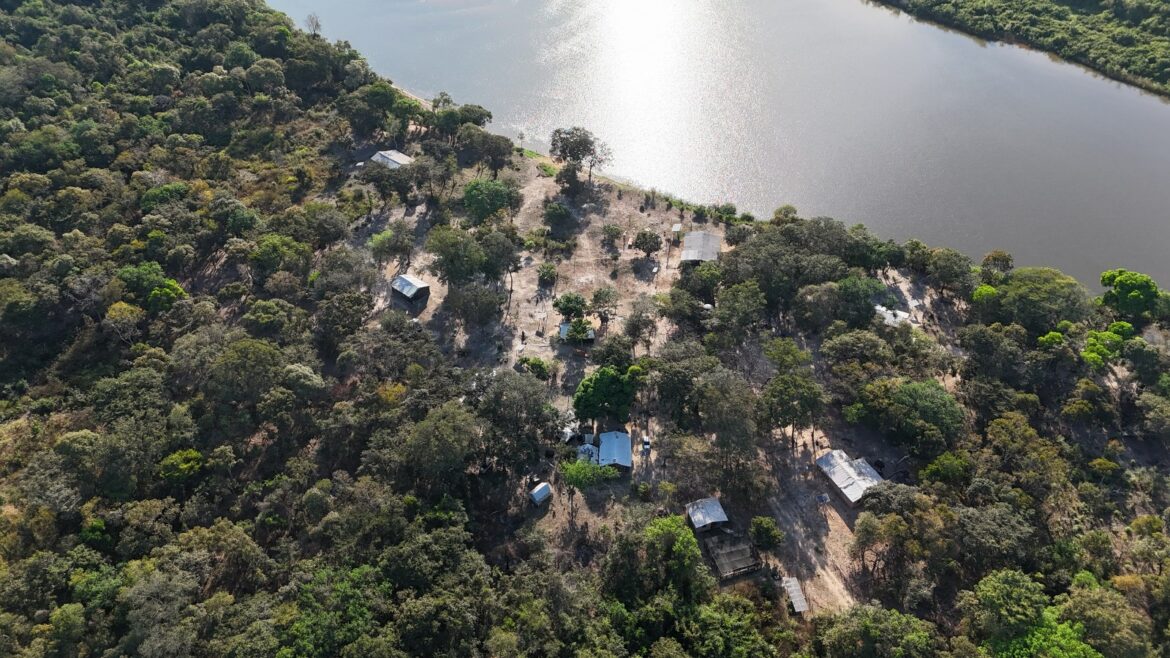
Restoring a territory requires more than recovering degraded land. It means protecting water sources, helping biodiversity thrive, strengthening food production, and ensuring that future generations inherit territories rich in life, biodiversity, culture, and memory.
For Indigenous peoples, natural restoration goes beyond restoring vegetation. It strengthens knowledge systems that have guided the care of the land and the relationship with nature for generations. It means protecting seeds, managing biodiversity, sustaining traditional agricultural systems, and ensuring the continuity of ways of life that unite culture, food production, and biocultural conservation.
For Indiarrury Cãn Krahô, a leader of the Krahô (Mēhī) People and a member of ACT-Brasil’s technical team, restoring a territory is also about caring for the future.
“When we care for our territory, we are caring for our own lives and for the future of the generations to come.”
This understanding is at the heart of the Agrobiodiversity in Tocantins: Productive Restoration and the Protection of Indigenous Territories project, implemented by ACT-Brasil in partnership with the Krahô (Kraolândia Indigenous Territory), Krahô-Kanela (Mata Alagada Indigenous Territory), and Avá Canoeiro (Ãwa) (Inãwébohona Indigenous Territory) Peoples, with support from the Amazon Fund/BNDES (the Brazilian federal public development bank) and administration by the Brazilian Foundation for Sustainable Development (FBDS).
The initiative integrates productive restoration, the strengthening of agrobiodiversity, and the appreciation of traditional knowledge. Biocultural conservation entails simultaneously protecting biological and cultural diversity, with Indigenous peoples leading the stewardship of their territories.
But what is Agrobiodiversity?
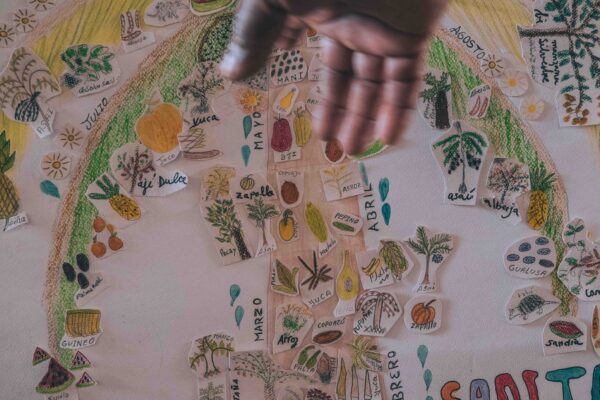
Agrobiodiversity entails more than a diversity of cultivated species. It encompasses seeds, traditional crop varieties, knowledge, land management practices, and agricultural systems developed over generations.
In Indigenous territories, agrobiodiversity supports food production, strengthens food security, contributes to biocultural conservation, and sustains the knowledge that guides the care of the land.
When Seeds are Cultivated in the Land
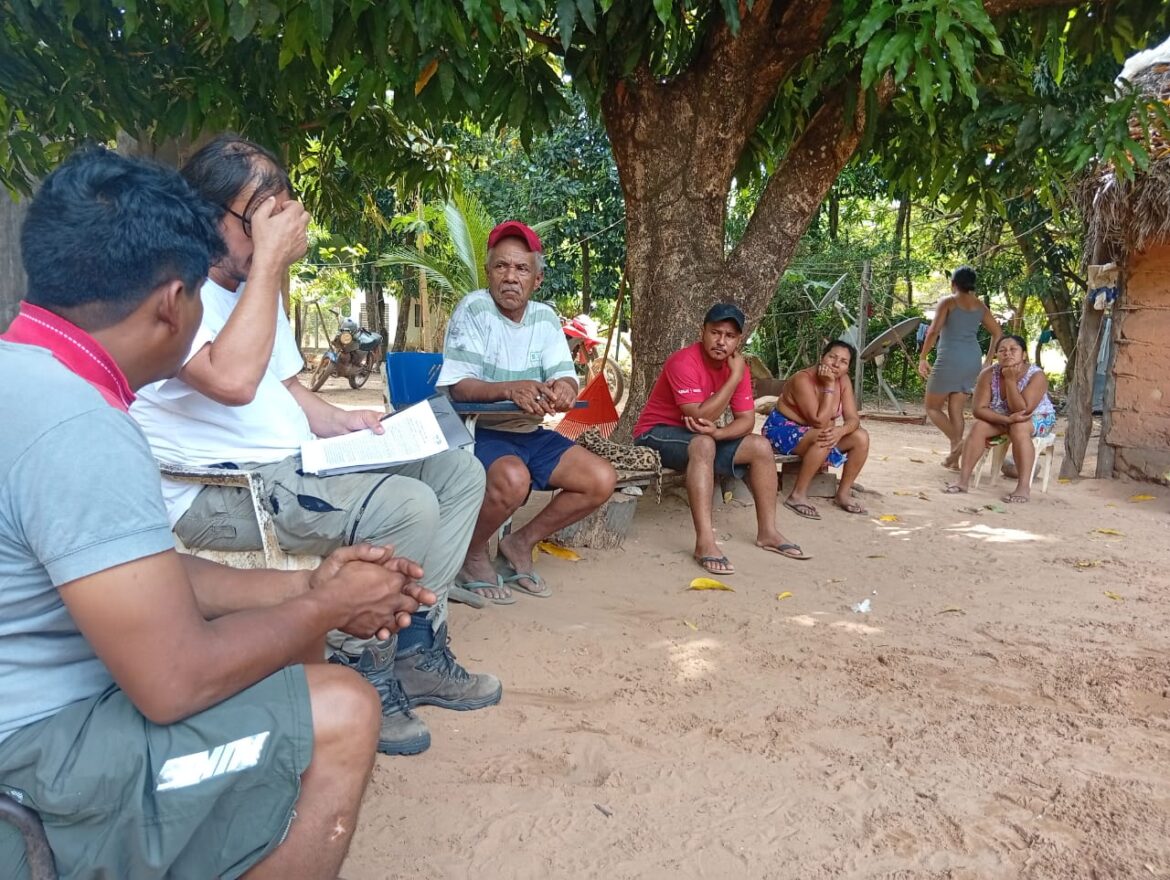
Working alongside the Krahô, Krahô-Kanela, and Avá Canoeiro (Ãwa) Peoples, the project will implement productive restoration activities over the next four years based on the environmental characteristics, traditional knowledge, and land management practices unique to each territory.
During this period, approximately 300 hectares will be restored using approaches tailored to local conditions, combining native species, agroforestry systems, and solutions developed through dialogue with Indigenous communities.
“Restoration is important because it cares for the land, restores the soil, strengthens our food security, keeps our soils healthy, supports income generation, and ultimately improves our quality of life,” explains Cãn Krahô.
In practice, this means investing in local capacity building, strengthening ecological restoration value chains, supporting the local bioeconomy, and creating opportunities for communities to lead and sustain these restoration efforts over time—expanding their autonomy while helping protect their territories.
These activities are part of Restaura Amazônia, an Amazon Fund initiative managed by the Brazilian federal development bank BNDES that supports ecological restoration and agroforestry projects across the states that make up Brazil’s “Restoration Arc”: Acre, Amazonas, Rondônia, Mato Grosso, Tocantins, Pará, and Maranhão.
Beyond restoring vegetation, the program promotes biodiversity conservation, protects water resources, improves soil quality, removes carbon from the atmosphere, and strengthens sustainable economic activities.
When a Territory Flourishes, the Future Possibilities Grow Too
In the Agrobiodiversity in Tocantins project, the value of restoration is greater than bringing life back to the landscape.
Every restored area represents an opportunity to strengthen agrobiodiversity, improve food and nutrition security, increase appreciation for traditional knowledge, and increase appreciation for Indigenous leadership in territorial stewardship and climate action.
That is why the project was designed as a participatory, intercultural, and place-based initiative, recognizing that effective solutions emerge through dialogue among different knowledge systems and respect for each community’s own ways of organizing and caring for its territory.
Throughout the project, we will share stories, lessons learned, and experiences developed alongside Indigenous communities. While documenting results, we hope to highlight the people, knowledge, and initiatives that make restoration a living, ongoing process.
Every restoration begins with a seed. And when that seed is nurtured by those who know their territory intimately, it also grows into autonomy, diversity, food, culture, and a stronger future.
For Indiarrury Cãn Krahô, the seed of that future comes from the teachings of his grandfather:
“My grandfather always told me that the Earth is our mother. Caring for her is how we ensure a future for our grandchildren.”
Written by Méle Dornelas.
Learn more about this project:
Don’t miss these powerful stories and updates. Sign up for our newsletter today!
Share this post
Bring awareness to our projects and mission by sharing this post with your friends.