

Celebrating 30 Years: A Path That Began in the Amazon Continues to Expand
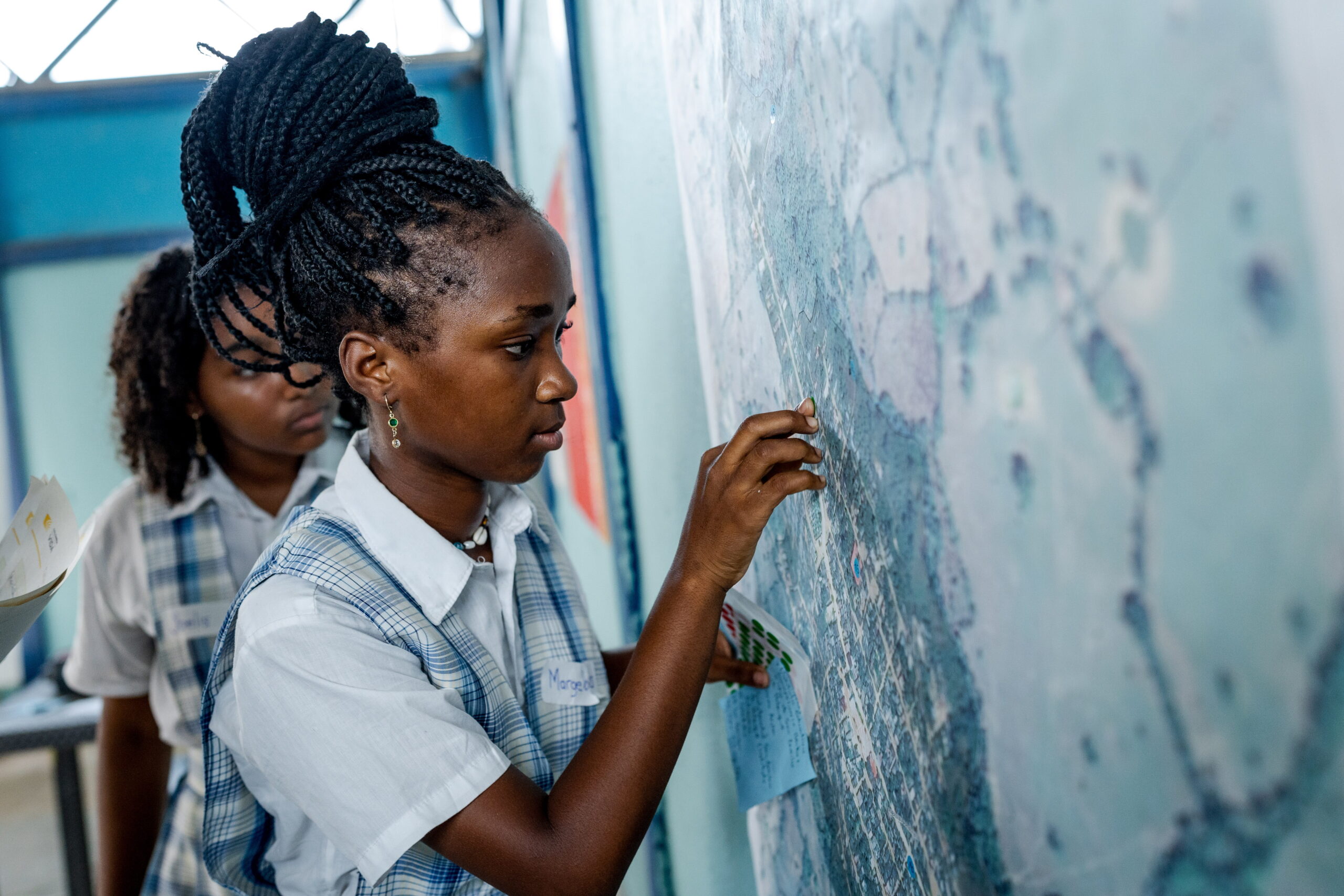
This year, the Amazon Conservation Team (ACT) is celebrating 30 years of biocultural conservation, an approach that recognizes the protection of local and Indigenous knowledge and culture go hand in hand with protecting the Earth’s most critical ecosystems. And the conservation solutions led by these communities are as diverse as the cultures and geographic regions…
Read MoreFrom Territory to Global Dialogue: “One Health” Connects Indigenous Knowledge and Public Policy
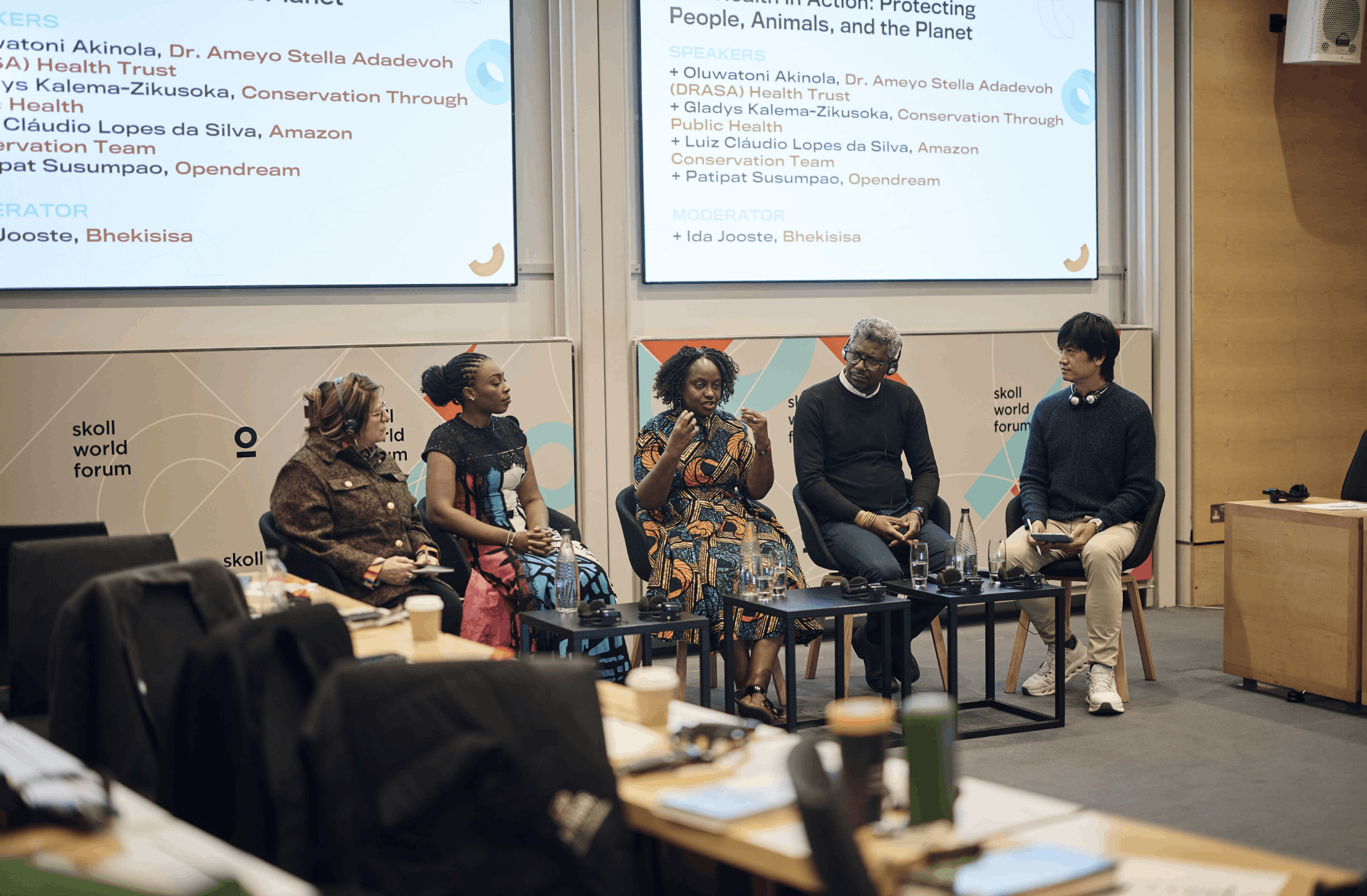
Text by Méle Dornelas. Global discussions on climate, health, and development have increasingly pointed to the need to recognize knowledge systems that already exist within territories and communities. International spaces such as the Skoll World Forum, held from April 21–24, 2026, in England, brought together leaders, organizations, and initiatives from around the world to share solutions to complex social and…
Read MoreÃwa People Strengthen Environmental Restoration on Bananal Island
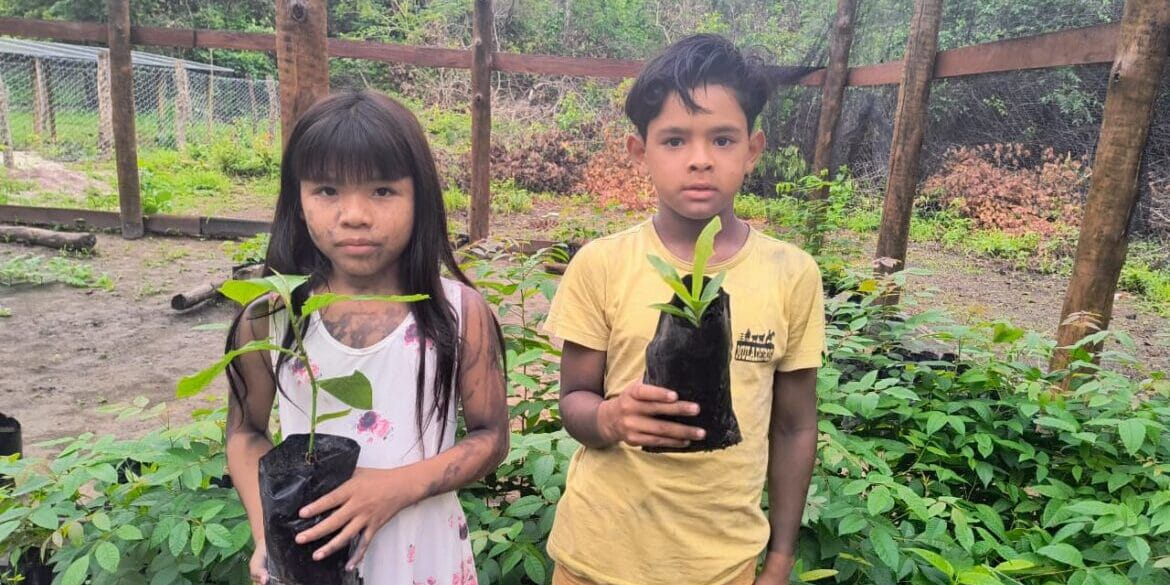
Text by Méle Dornelas · Available in Portuguese. More than 800 seedlings are currently being planted across the territory through the collective work of the entire community. On Bananal Island (Tocantins, Brazil), the Ãwa people are taking new steps toward environmental restoration in their territory. Planting and forest management activities are gaining momentum through the Kawú Nursery, an initiative supported by ACT-Brasil and funded by the Overbrook Foundation and the Scheidel…
Read MoreTikuna People Inaugurate Ancestral Museum in the Upper Solimões
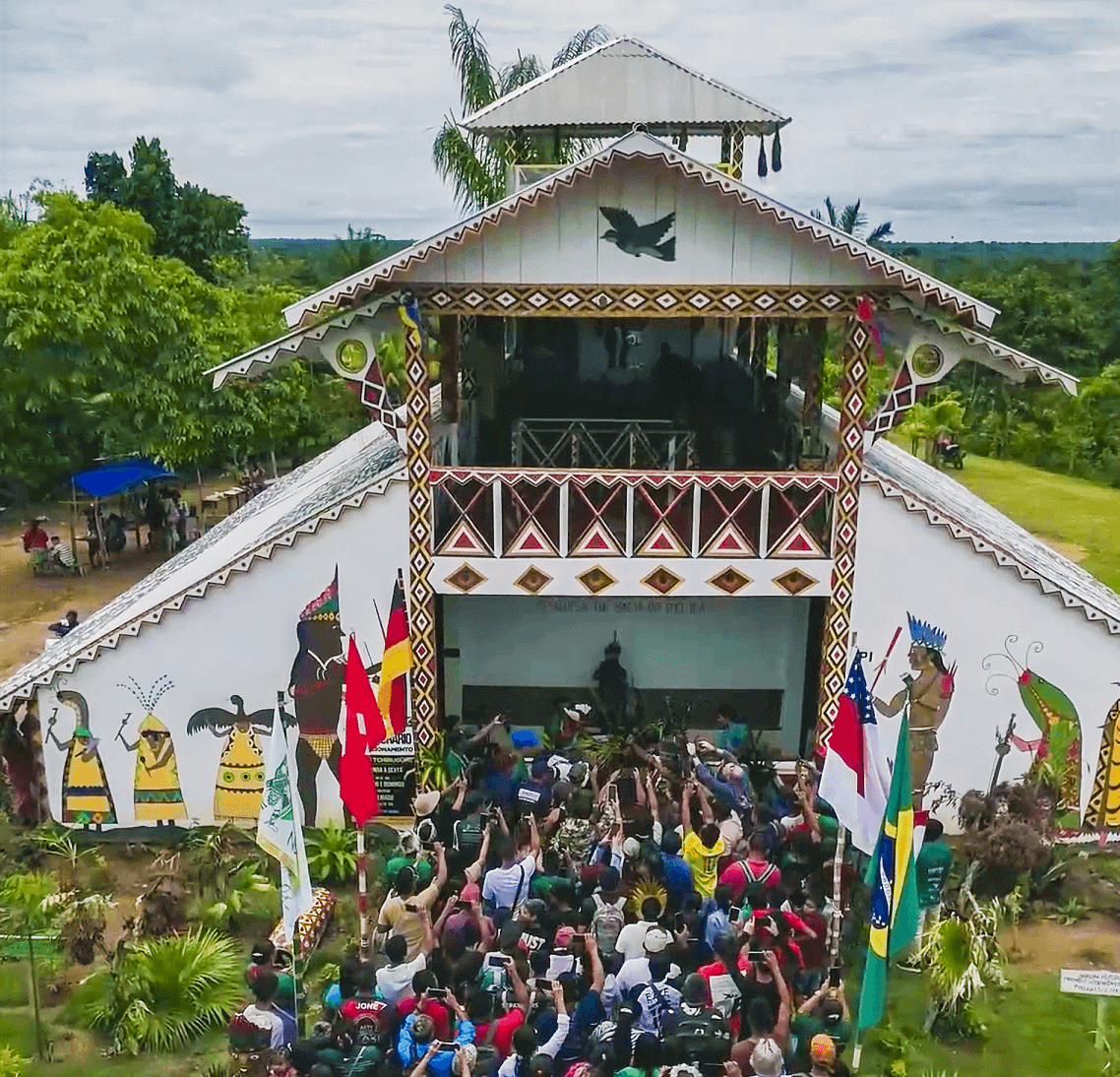
On January 24–25, the Tikuna people inaugurated the Tchirugüne Indigenous Museum in the Indigenous Community of Vila Betânia Mecürane, in the Upper Solimões region of Amazonas, Brazil.
Read MoreBetween Body and Territory: Indigenous Women Facing the Climate Crisis
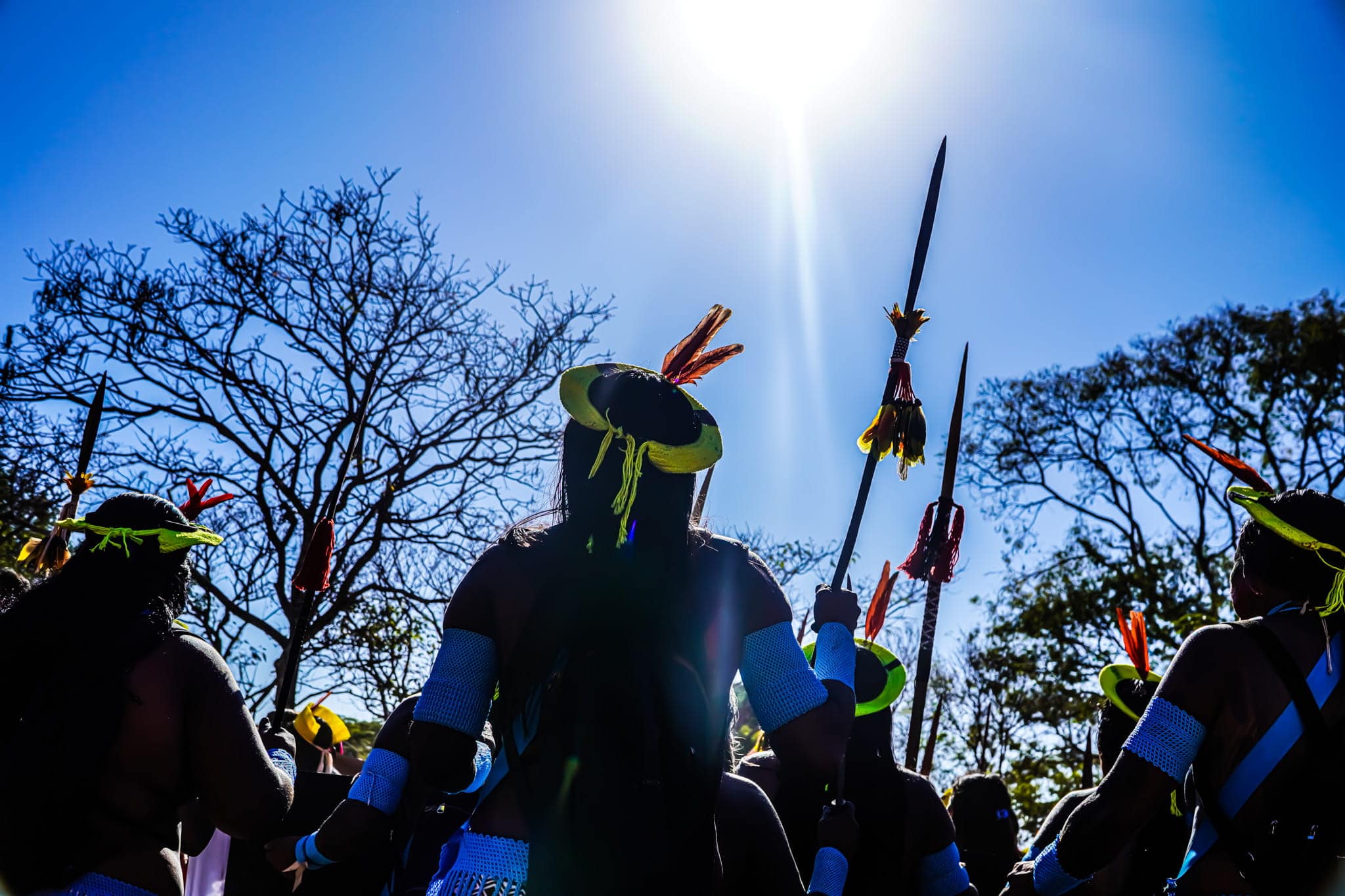
The impacts of the climate crisis on the health and ancestral knowledge of Indigenous women By Rudja Santos from Carta AmazôniaEdited by Méle Dornelas As COP30 brought the Amazon to the center of global discussions on the climate crisis at the end of 2025, the daily lives of Indigenous women reveal a dimension still largely absent from official…
Read MoreFive conservation stories to celebrate in 2025
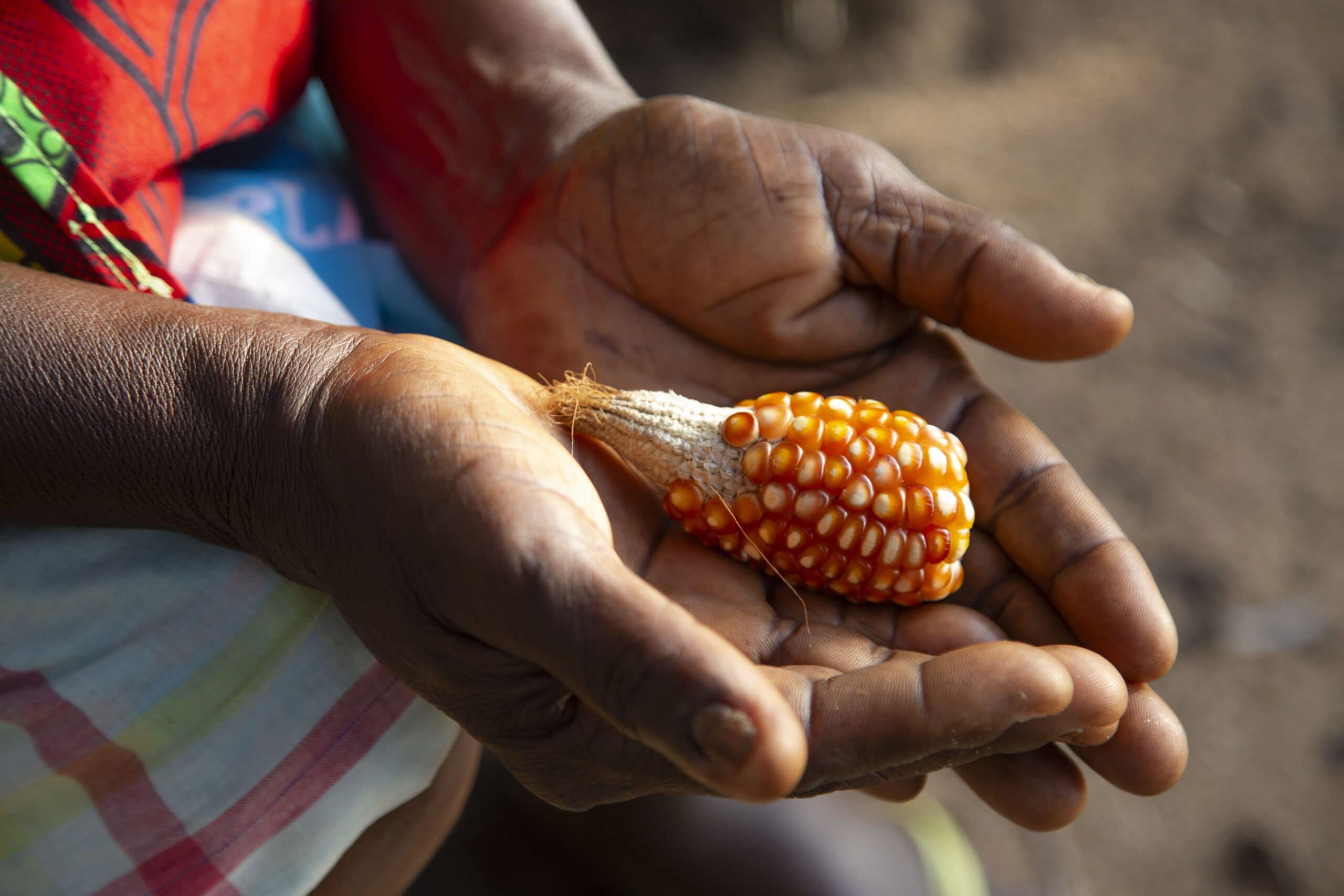
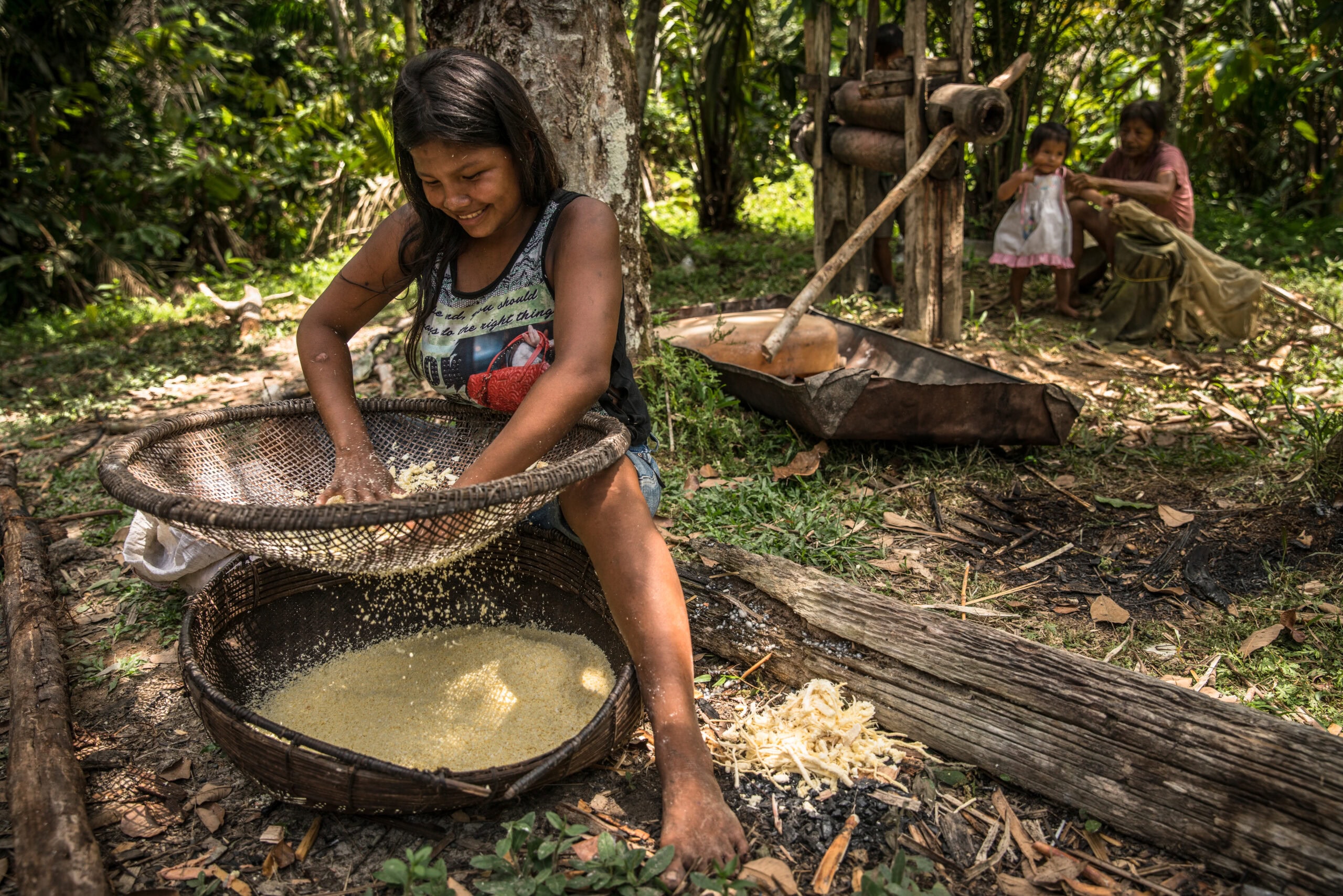
From rainforest headwaters to coastal mangroves, 2025 was a year of quiet victories and powerful partnerships. Together with Indigenous and local communities across Central and South America, we helped safeguard forests, rivers, coastlines, and wildlife—while also strengthening the food systems, livelihoods, and cultural knowledge that make those ecosystems thrive. Because in the Amazon and beyond,…
Read MoreProtecting a Global Food Staple: Statement on Cassava Disease
The Amazon Conservation Team (ACT) is monitoring the potential spread of Witches’ Broom disease in cassava crops across the Guianas. The fungal pathogen Ceratobasidium causes broom-like shoots and can sharply reduce yields of one of the world’s most important staple foods. “Cassava is the major food crop in these regions imagine what crop failure would mean,” Dr. Mark Plotkin, ethnobotanist and ACT president, said. “For millions of families,…
Read MoreThe Echoes of the Peoples at COP30
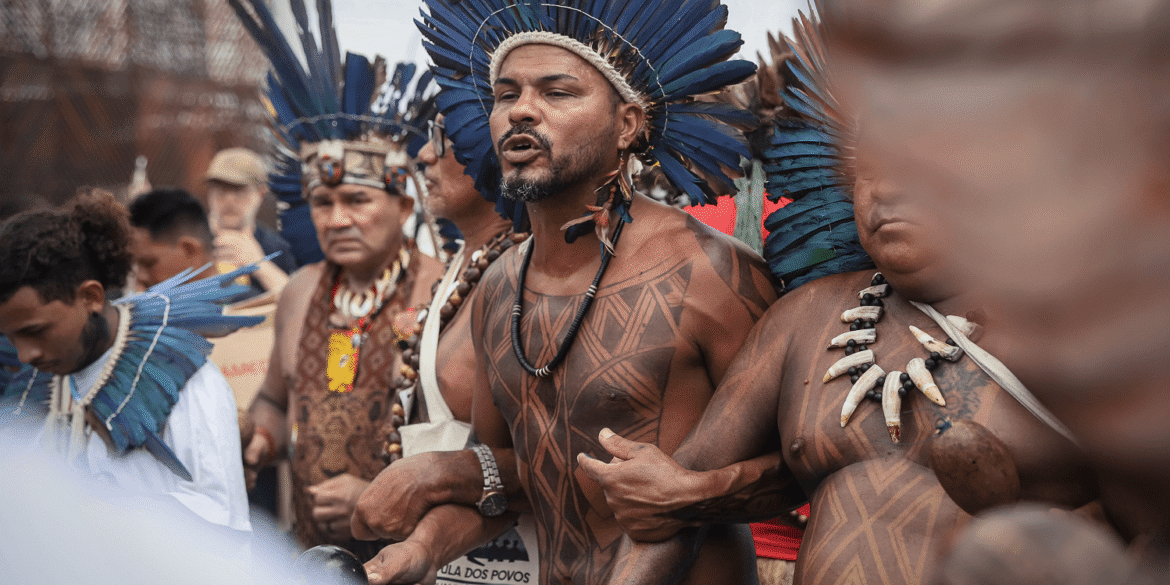
Text by Méle Dornelas · Available in Portuguese. A historic mobilization marks advances in land demarcation and territorial protection. ACT stood alongside communities and helped elevate grassroots leadership in climate decision-making. The 30th United Nations Climate Change Conference (COP30), held in November in Belém (Pará), was defined by the strength and historic coordination of Brazil’s…
Read More‘Our Territory Is Sacred’: Q+A with Ednalva Rondon
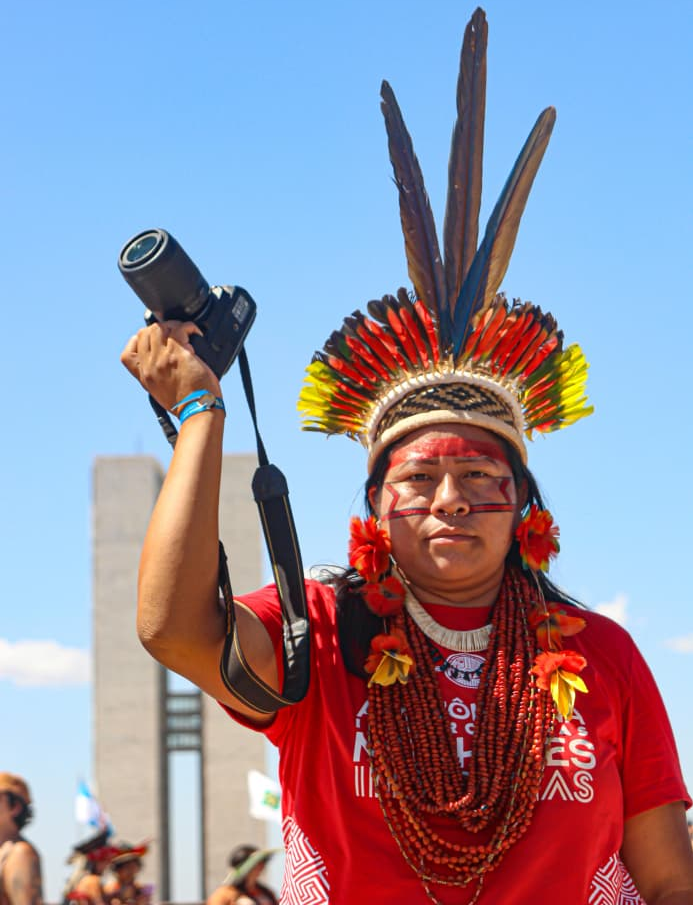
Ednalva Rondon grew up in Pakuera village, located within the Kurâ-Bakairi Indigenous Territory in the municipality of Paranatinga, Mato Grosso—one of Brazil’s most ecologically diverse regions, in the central-western part of the country. At 27, she is an active member of the Union of Indigenous Women of the Brazilian Amazon (UMIAB). This year, she is…
Read MoreSolving the problems of the Amazon will require serious commitments at COP30
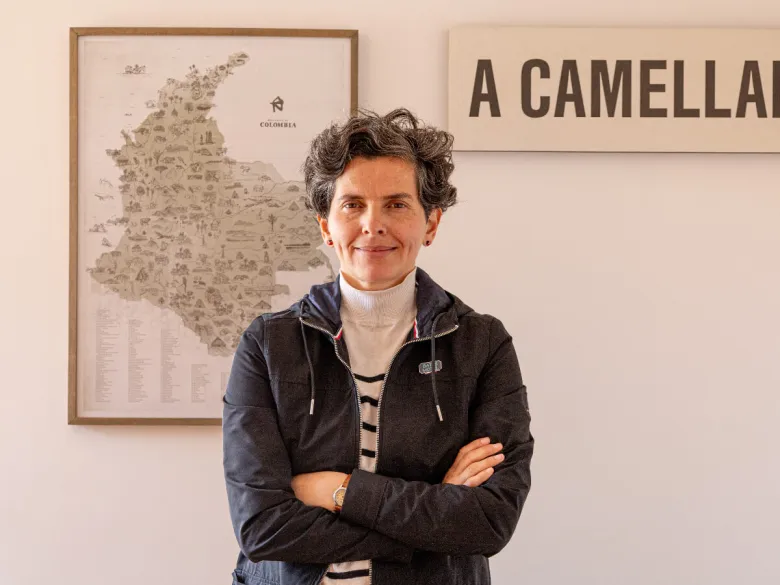
Carolina Gil, regional director for the Amazon Conservation Team, wrote the following op-ed, published in the Colombian digital news outlet La Silla Vacía (“The Empty Chair”). The original, Spanish version of the piece can be found here. The Amazon is not just a territory that must be preserved, but a vital system that sustains the climatic,…
Read More