
The Amazon Food Atlas Shows the Diversity of the Amazon, And Its Fragility
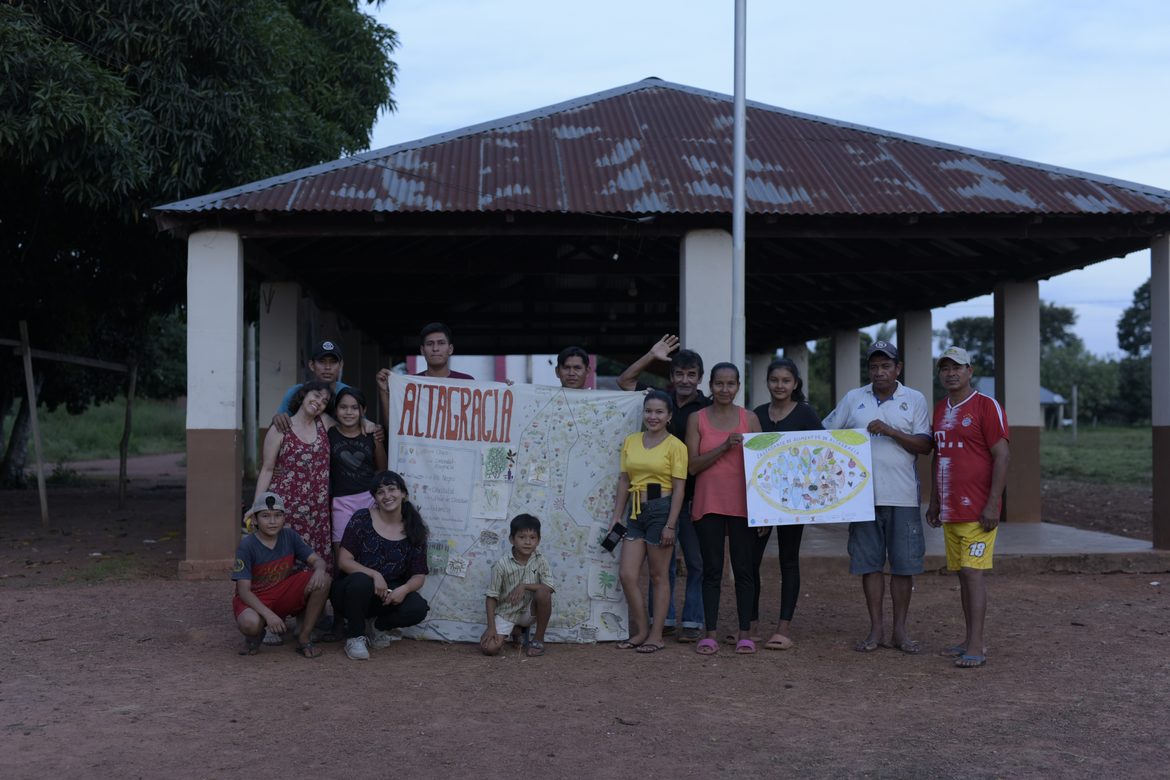
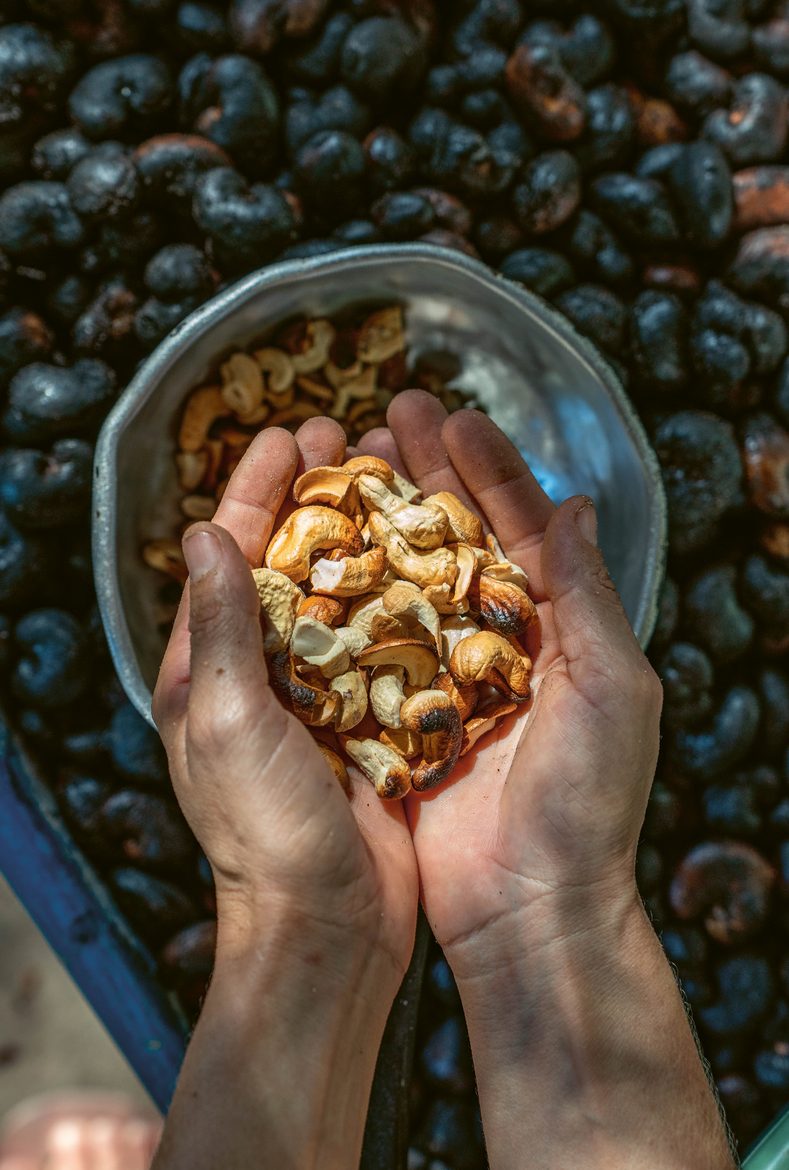
The Bolivian community of Altagracia can be difficult to reach by land during the rainy season. It is part of an extensive Amazonian wetland and savanna ecosystem, connected by a dense network of rivers. Here, wild cacao trees grow in leafy expanses of forest where many plants reach 30 meters high. The community of campesinos (small-plot farmers) harvests the wild cacao from these elevated areas they call “chocolate islands,” and the fruit has been central to their food and way of life for generations.
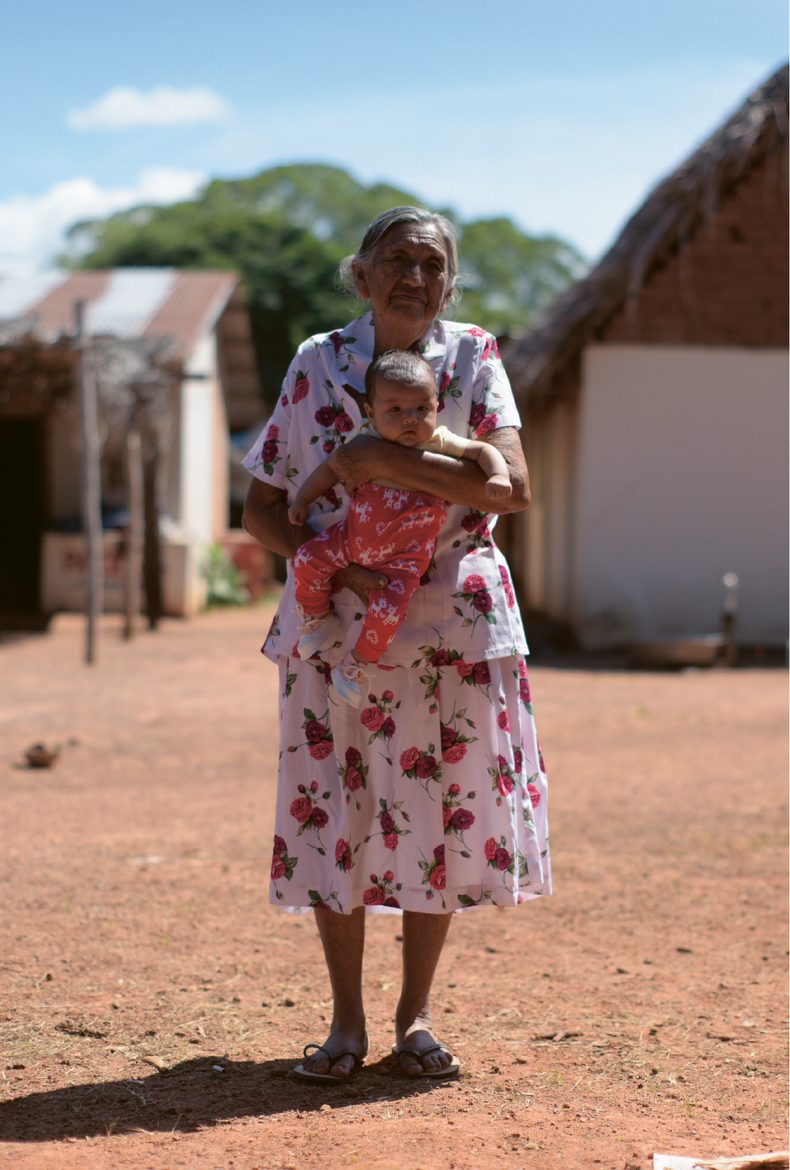
“I’ve liked cacao since I was about eight years old,” an older woman from Altagracia explains as she grates it into a ceramic bowl, the first step in preparing a tasty drinkable paste. “I went with my mom, dad, and my brother to the chocolate islands. And I still enjoy it.”
Altagracia is one of fourteen communities across the Amazon that participated in the creation of the Amazon Food Atlas, a community-led project and collaboration between the Amazon Conservation Team (ACT) and the World Bank’s Amazon Sustainable Landscapes Program (ASL). The Atlas is much more than a book of maps and recipes: it documents how Amazonian food connects to biodiversity and cultural diversity and highlights the growing fragility of both.
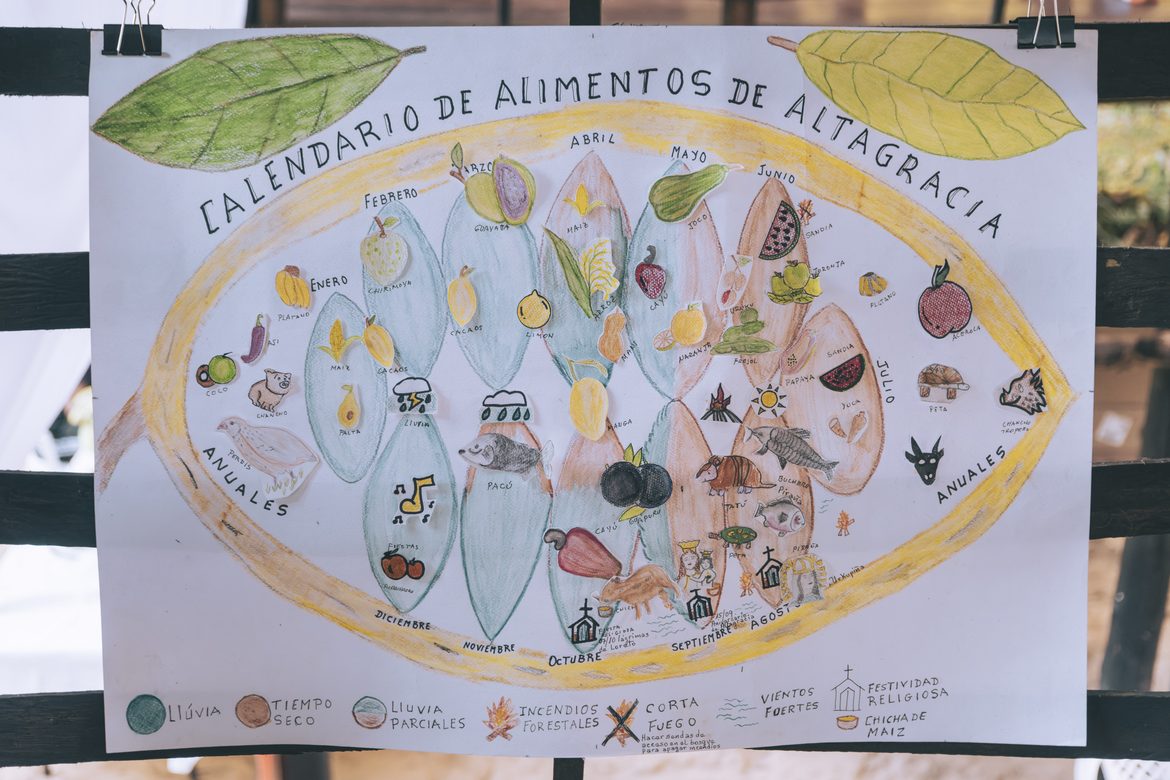
Fourteen Communities Document the Amazonian Foods That Sustain Life in Their Territories
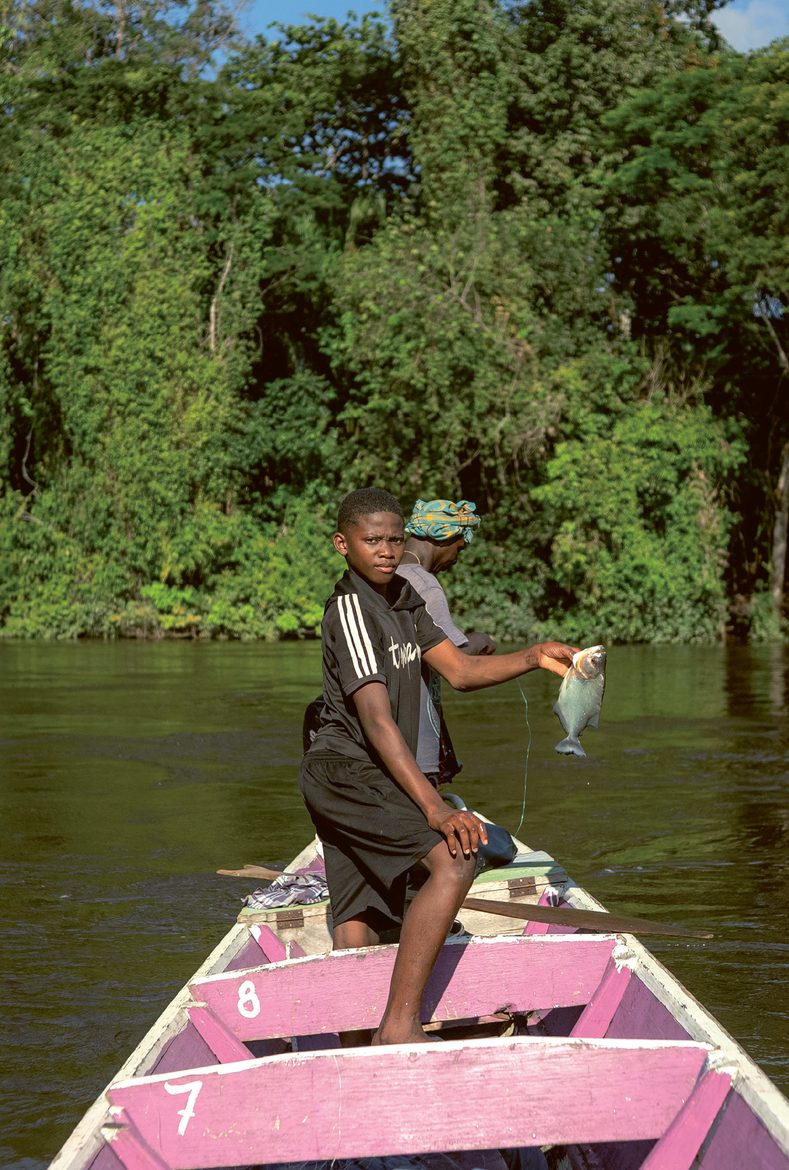
“In the forest, everything eats, so everything is connected by eating,” said Olga Elena Acosta, a special projects leader with ACT, who helped to coordinate the Amazon Food Atlas. She was part of a team from ACT who traveled to each community across seven countries: Bolivia, Ecuador, Brazil, Suriname, Colombia, Peru and Guyana. The selected regions represent the diversity of Amazonian cultures and landscapes, from the Indigenous peoples of the Amazonian-Andean foothills to the Afro-descendant fishing villages along Suriname’s upper river valley.
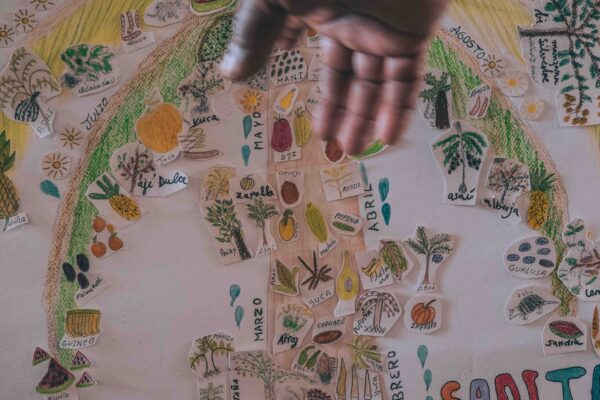
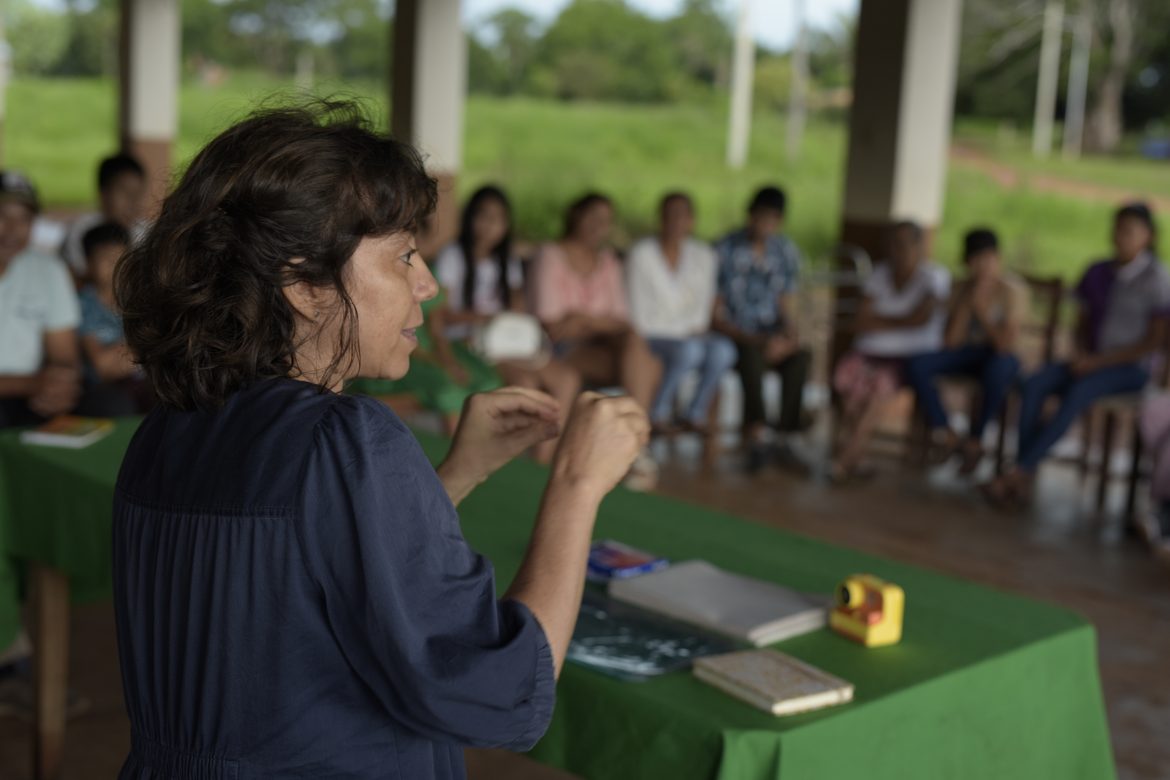
In each community, with the help of a local researcher, a pre-selected group of about 20 people participated in workshops over several days. Communities drew ecological calendars and listed foods, sometimes up to 400, that were available during different times of the year.
“We also cooked together, obviously,” Acosta says. “We wanted to eat together every day.”
Passing Down Recipes and Knowledge Before They Disappear
The process of cooking and enjoying meals together was an opportunity to share stories and traditional recipes. The community also spoke about ways of preparing food that are disappearing, and how climate change is affecting what people eat. In some places, like the chocolate islands of Bolivia, cacao is threatened by the wildfires affecting the region. And younger generations aren’t growing some crops that their ancestors once did. Sweet potato and other tubers called waluca and joso are becoming rarer in Altagracia, meaning these nutritious and culturally important foods could one day disappear.
The food atlas process provided younger people with an opportunity to learn about some of this knowledge that is fading away. In almost every community, kids and teenagers participated in preparing an old, or difficult recipe that perhaps they’d heard about from elders, but never had the opportunity to try. “The kids were seeing this and saying, ‘Ah, wow! And we made this, and you made this. So this is important. We want to make it again. I want to learn that!'” Acosta says.
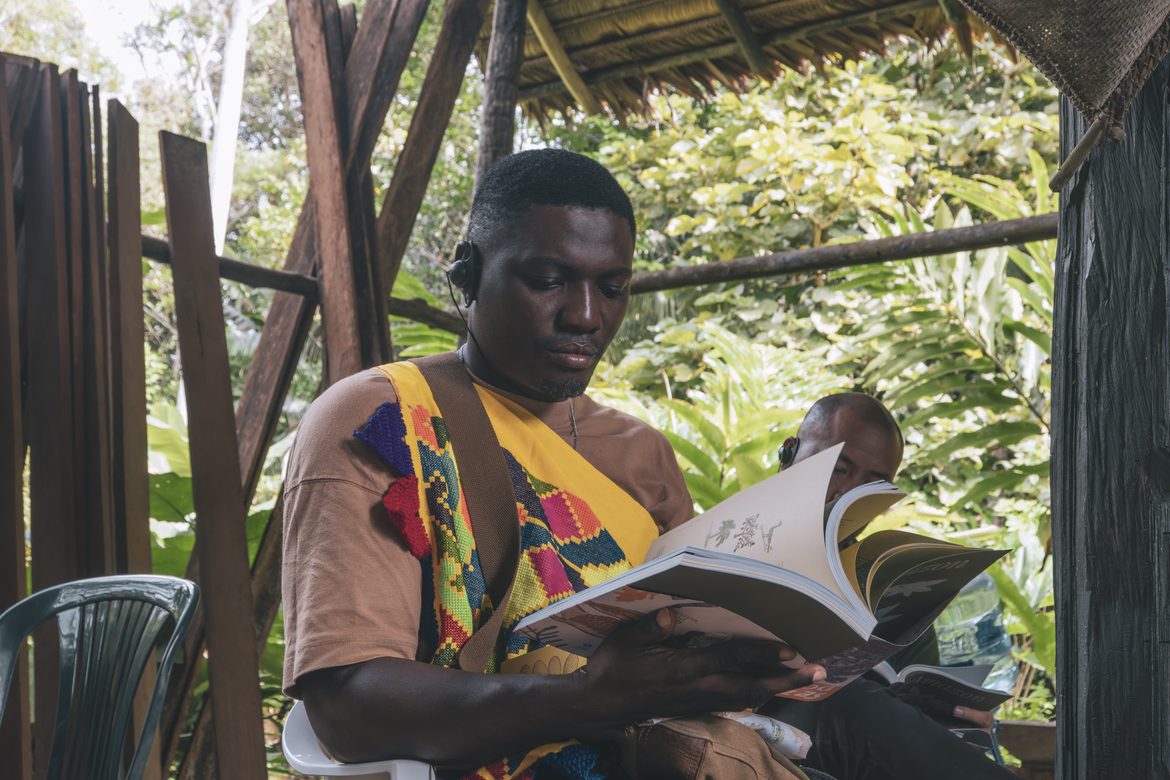
The hope is that the atlas can serve as a seed for these important conversations about food and culture to grow within communities. In addition to the printed book itself, which credits the more than 300 community members from across the Amazon who were part of its creation, each place in the atlas is also part of a beautifully produced short documentary and podcast that features interviews and vibrant sounds from kitchens and the surrounding forests. These other storytelling mediums have allowed the atlas to be shared within the community more broadly.
Sharing the Amazonian Food Atlas with the World and Policymakers
The atlas is also meant to spark important conversations about biocultural conservation outside of the Amazon, too. ACT and the World Bank will be presenting the project at the UN Biodiversity Conference (COP17) currently underway in Armenia. The atlas can be an important tool to help shape policies and programs that recognize the importance of traditional gardens (“chagras”) and the knowledge used to grow and share food—not just food itself.
The mapping exercises that the communities took part in have given them the opportunity to document the cultural significance of their territories. For the Toka community in Guyana, for example, that means a record they can take to the government to advocate for territorial rights. As Acosta describes it, “They can now say, ‘This map is going to stay with us, and we are claiming this territory because we hunt there, and we have food there.’”