
ACT at COP17: Advancing Indigenous Leadership in Global Biodiversity Conservation
From October 19–30, the Amazon Conservation Team (ACT) is participating in the 17th Conference of the Parties to the Convention on Biological Diversity (COP17) in Yerevan, Armenia, joining global discussions on the future of biodiversity conservation.
As countries gather to assess progress toward global biodiversity goals, ACT is bringing a clear message: protecting biodiversity means recognizing, supporting, and investing in the Indigenous peoples who have safeguarded their territories for generations.
Why COP17 Matters
COP17 marks an important moment for advancing the Kunming-Montreal Global Biodiversity Framework, including the commitment to conserve 30% of the planet’s land and waters by 2030, commonly known as 30×30.
Yet global conservation targets cannot be achieved without recognizing the contributions of Indigenous peoples. Indigenous peoples play a critical role in forest conservation. In Latin America, more than 80% of the area they occupy is forested, while globally about 36% of the world’s remaining intact forests are on Indigenous lands. But this governance remains insufficiently represented in global conservation reporting.
For ACT, achieving these commitments means going beyond conservation targets to ensure that Indigenous territorial rights, governance systems, and knowledge are recognized and supported in global biodiversity policies.
What We’re Advocating For
Throughout COP17, ACT is highlighting four interconnected priorities:
– Direct funding and responsible REDD+ initiatives: Ensuring biodiversity and climate finance reaches Indigenous and local organizations through accessible, responsible, and long-term funding. ACT advocates for financial mechanisms and carbon initiatives that respect Indigenous territorial rights and self-governance, with safeguards that deliver verifiable, lasting benefits to communities.
– Recognition of Indigenous territories: Recognizing Indigenous territories as a distinct contribution to global biodiversity targets, particularly 30×30, with indicators that reflect territorial rights and equitable governance. Conservation and restoration efforts must respect Free, Prior and Informed Consent and never result in displacement or restrictions on traditional practices.
– Protection of Indigenous peoples in voluntary isolation: Advancing precautionary, non-contact approaches that protect isolated Indigenous peoples and their territories from external threats, including illegal mining, infrastructure development, and other activities that could disturb their territories. These protections must also account for cross-border territories and movement, entailing the advancement of policy and legal frameworks that protect these territories.
– Meaningful Indigenous participation: Strengthening Indigenous leadership and decision-making power in biodiversity policies, including through the Convention’s Article 8(j) processes. This means ensuring representative, adequately funded participation and effective Indigenous leadership roles, while recognizing the contributions of local communities, including Afro-descendant and campesino communities.
These priorities reflect ACT’s ongoing work alongside Indigenous communities and organizations across the Amazon to strengthen territorial governance, protect forests, and sustain cultural and ecological knowledge. Ensuring the continued vitality of Indigenous peoples and local communities is ensuring the continued vitality of tropical forests.
Where to Find ACT at COP17
Join us at the following events in Yerevan (all times local):
Financing Connectivity: Corridors Supported by Public, Private, and Community Investment
October 23 · 11:30 AM–1:00 PM · GEF Pavilion
Organized by Panthera and the World Bank
From Knowledge to Action: Communities, Indigenous Knowledge, and Biodiversity Science from the Territory
October 27 · 10:00–11:30 AM · GEO BON Pavilion
Organized by Esri and the Jane Goodall Institute
Indigenous Peoples in Isolation and Initial Contact (PIACI) and the Kunming-Montreal Framework: Rights, Territories, and Biodiversity in South America
October 28 · 10:15 AM · IUCN Pavilion, Blue Zone, Forum B
Organized by IUCN, GTI-PIACI, WCPA and CEESP, OPIAC, FENAMAD, and ACT
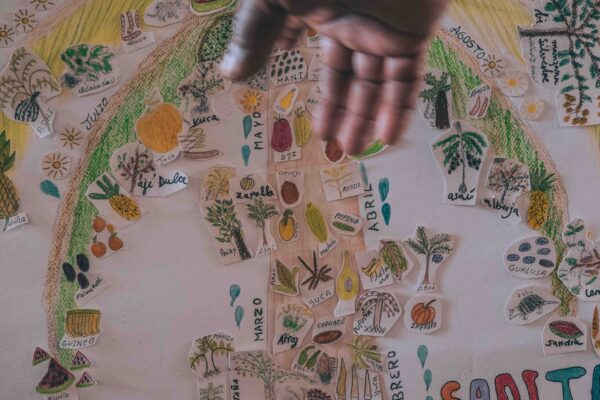
From Chacras to COP: Launch of the Amazonian Food Atlas
October 29 · 10:00–11:30 AM · GEF Pavilion
Organized by the World Bank and ACT
From Global Commitments to Territorial Action
ACT’s advocacy is grounded in its work alongside Indigenous peoples across Latin American tropical forests. Between 2022 and 2025, ACT contributed to the recognition of more than 2.5 million hectares of Indigenous territories and supported 325 local organizations in strengthening territorial management and leadership.
ACT has also supported revitalization efforts involving 31 Indigenous and local languages and advanced non-intrusive monitoring approaches to help protect Indigenous peoples in voluntary isolation from threats to their territories.
These efforts demonstrate that protecting biodiversity is inseparable from strengthening Indigenous governance, safeguarding cultural knowledge, and supporting the communities whose territories sustain some of the planet’s most important ecosystems.
As COP17 unfolds, ACT will continue advocating for global commitments to translate into meaningful action on the ground: stronger territorial rights, direct access to financing, effective Indigenous participation, and lasting protection for the Amazon.