

How stingless bees are helping communities protect forests, preserve knowledge, and build sustainable futures
When people think of bees, they usually imagine the common honeybee. But across the Amazon, hundreds of native stingless bee species quietly sustain forests, food systems, and cultural traditions, often without being noticed at all.
Hidden inside hollow trees and deep within tropical ecosystems, these small pollinators play a major role in maintaining biodiversity. And for many Indigenous and rural communities, they have always been part of everyday life.
Today, ACT’s stingless bee programs in Suriname and Colombia are helping strengthen this relationship through community-led conservation, environmental education, and sustainable livelihood initiatives rooted in ancestral knowledge.
The bees most people never notice
The Amazon is one of the world’s greatest hotspots for stingless bee diversity, home to more than 200 native species.
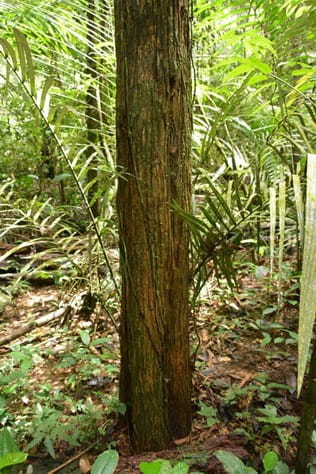
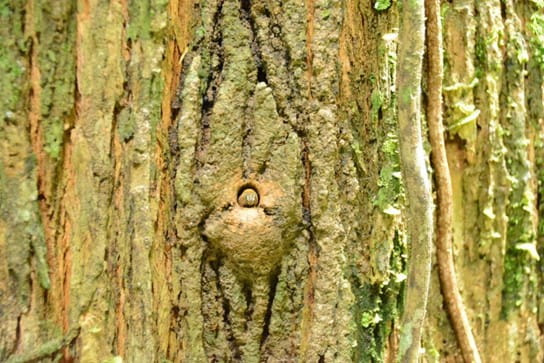
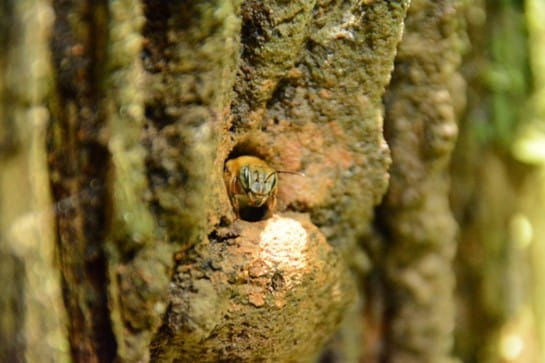
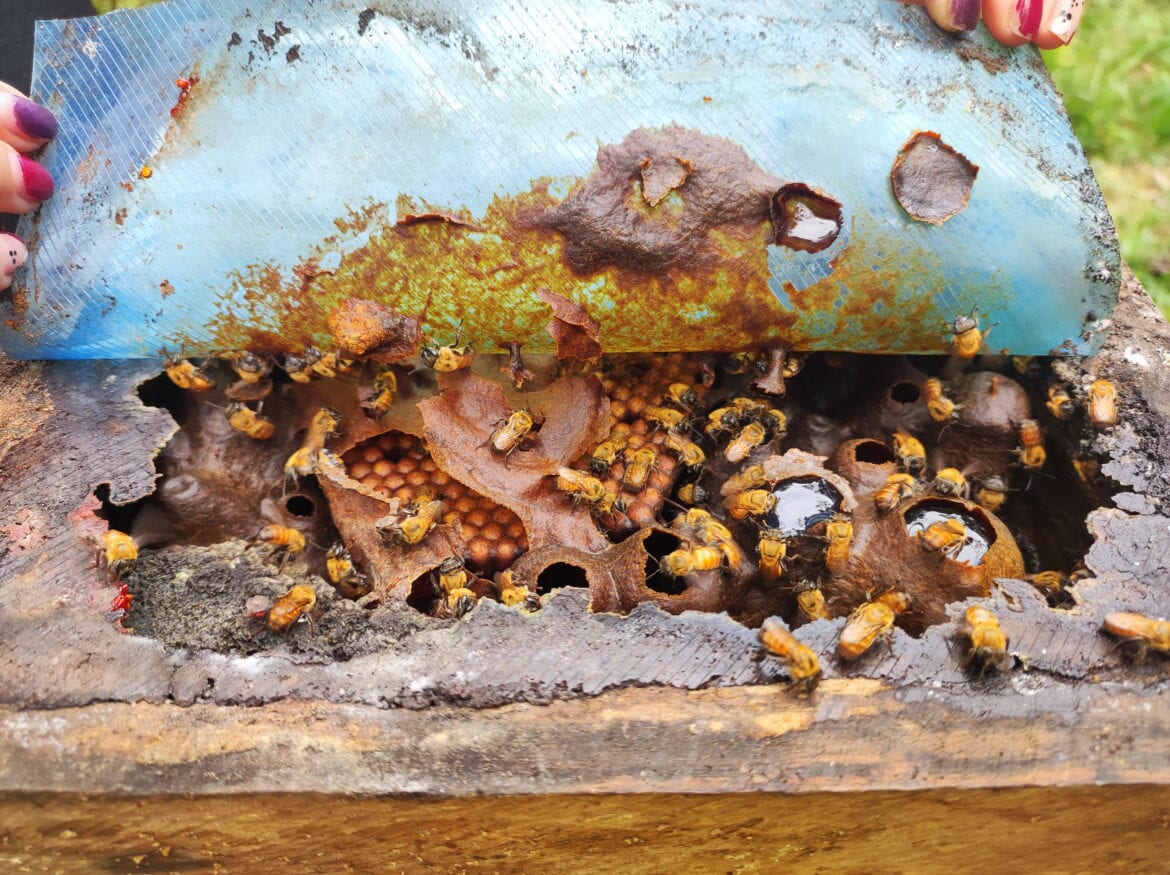
Unlike the more familiar honeybee, stingless bees are generally smaller, do not sting, and are specifically adapted to tropical forests. Their nests are often hidden inside trees, making them easy to overlook — even as they constantly pollinate forests and crops around us.
For Indigenous communities, however, these bees have never been invisible.
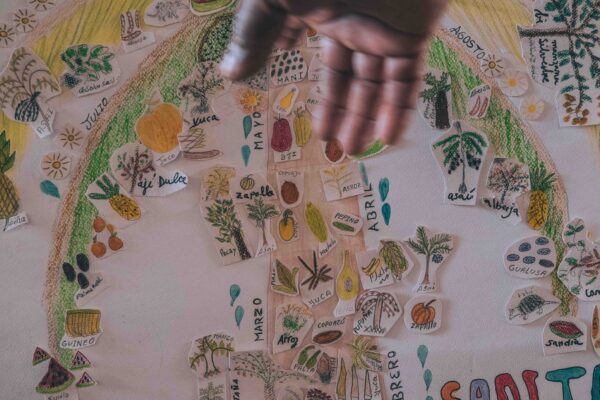
For generations, communities have gathered honey from the forest, using it as food, medicine, and a source of energy during long hunting journeys. Traditional knowledge includes identifying bee species, locating nests, and understanding seasonal cycles within the forest.
Rather than introducing a new practice, ACT’s work builds upon knowledge systems that already exist within the territories themselves.
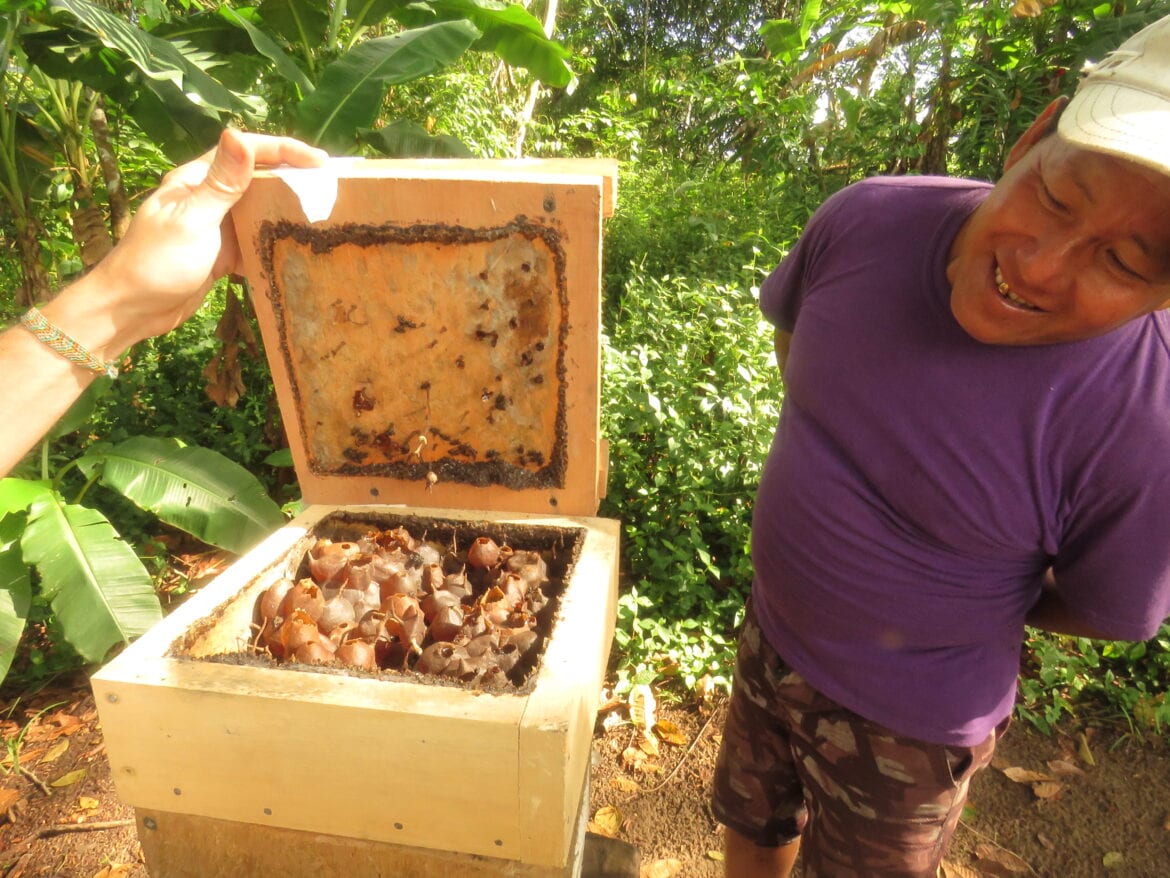
This work is complemented by modern methods and techniques for hive propagation and management, including the use of improved hive designs and contemporary tools that help enhance product quality and promote safe food-handling practices.
Building sustainable alternatives
In southern Suriname, communities participating in the program are exploring meliponiculture, the practice of keeping stingless bees, as a sustainable economic alternative to destructive activities such as illegal gold mining.
Meliponiculture offers opportunities for:
- Sustainable production of honey, pollen, propolis, and new hives
- Income generation based on family and community production
- Forest conservation and the restoration of degraded areas
- Improved food security within communities
- Increased productivity of native fruit crops
- Medicinal uses connected to traditional practices
- Supporting ecological balance and the continuity of native plant reproductive cycles by providing food and shelter for biodiversity
The goal is not industrial-scale production. Instead, the initiative focuses on small-scale, community-led systems that keep forests standing while supporting local livelihoods.
Native stingless bee honey also carries a high cultural and economic value because of its uniqueness. More liquid and less sweet than conventional honey, it contains complex flavors shaped by the surrounding forest and the resins used within the hive.
In some regions, communities even find rare, bluish-colored honey produced by certain stingless bee species that feed on trees with purple flowers, another reminder of the extraordinary diversity hidden within tropical forests.
Learning together in the forest
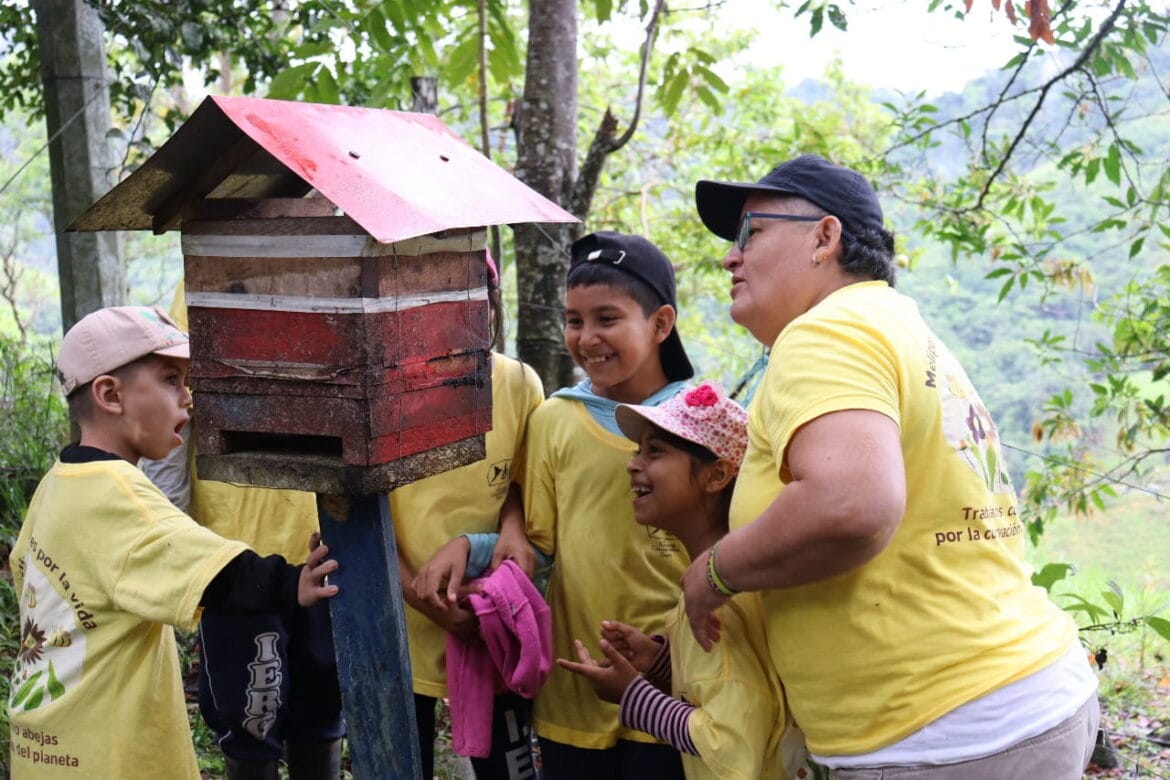
In Colombia, ACT’s technical team and local partners support networks of community promoters through farm-to-farm technical assistance, workshops, and educational exchanges that connect conservation with practical learning and improved quality of life for meliponiculture families.
The initiative includes:
- Family and community meliponaries (stingless bee centers)
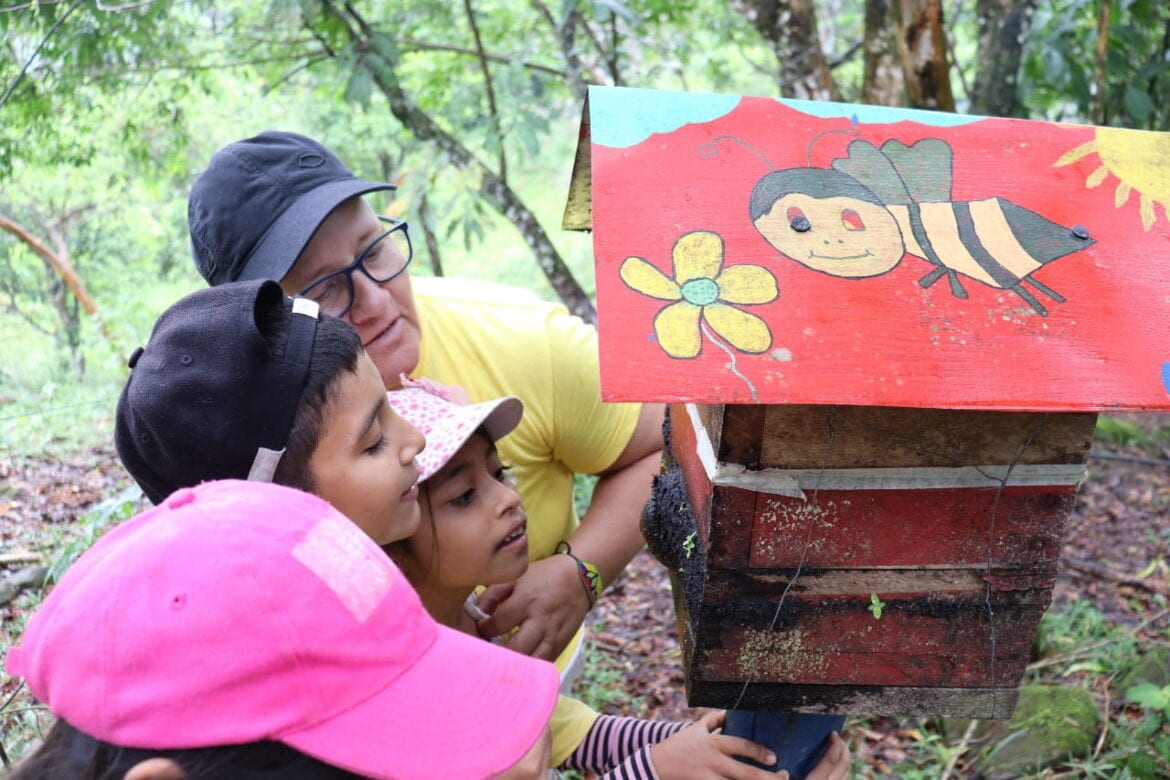
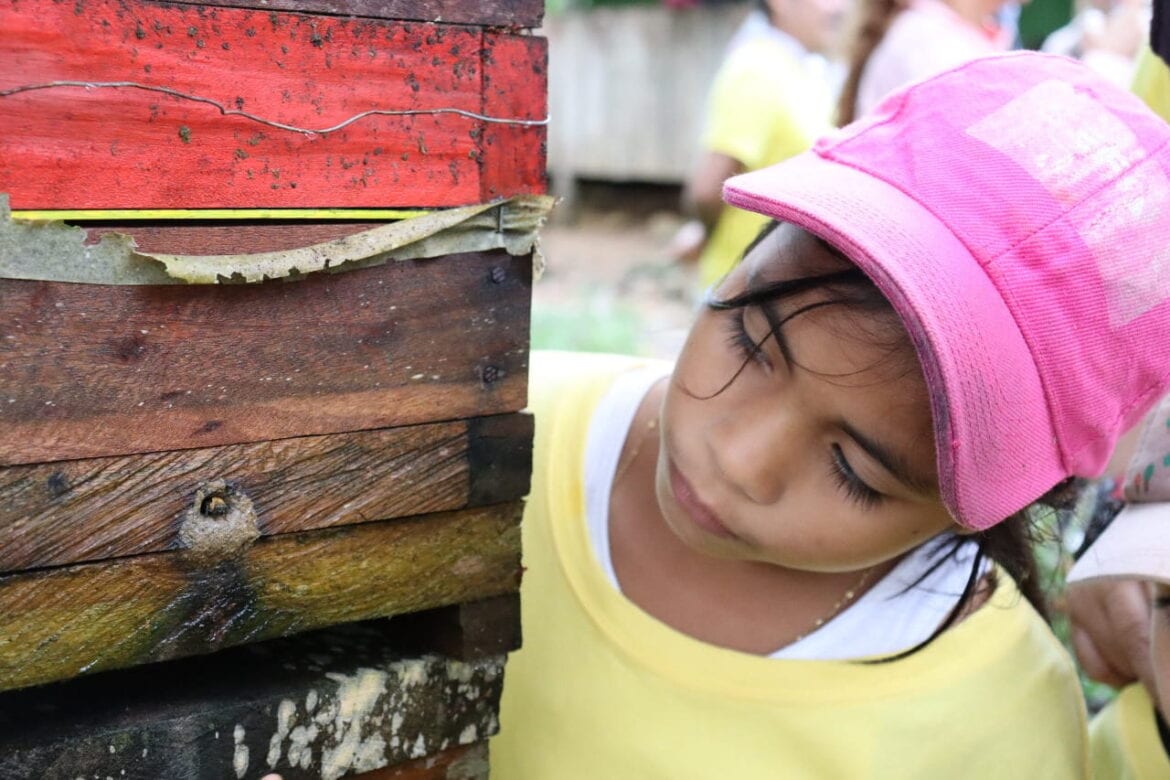
- Environmental education activities in rural schools
- Training for local leaders and community promoters
- Collaboration with universities and training centers such as Colombia’s Servicio Nacional de Aprendizaje (SENA)
- Knowledge exchanges between communities
Children, youth, and women are becoming active participants in conservation efforts, learning how native bees contribute to healthy ecosystems and crops while building, managing, and protecting their own hives and pollinators within their territories.
These efforts are helping strengthen local leadership and create spaces where traditional knowledge, science, and conservation can work together.
Why stingless bees matter
Native bees are essential pollinators for tropical ecosystems. By supporting plant reproduction, they help maintain biodiversity, strengthen forest regeneration, and sustain ecological connectivity across Amazonian landscapes.
Protecting stingless bees means much more than producing honey. It means supporting forests, cultural knowledge, food systems, and community resilience all at once.
Across Suriname, Colombia, and the wider Amazon region, communities are demonstrating that conservation works best when it grows from within the territories themselves.
Sometimes, the smallest species can teach us the biggest lessons about how to care for the forest.
Written by: Barbara Onkle
Don’t miss these powerful stories and updates. Sign up for our newsletter today!
Share this post
Bring awareness to our projects and mission by sharing this post with your friends.