

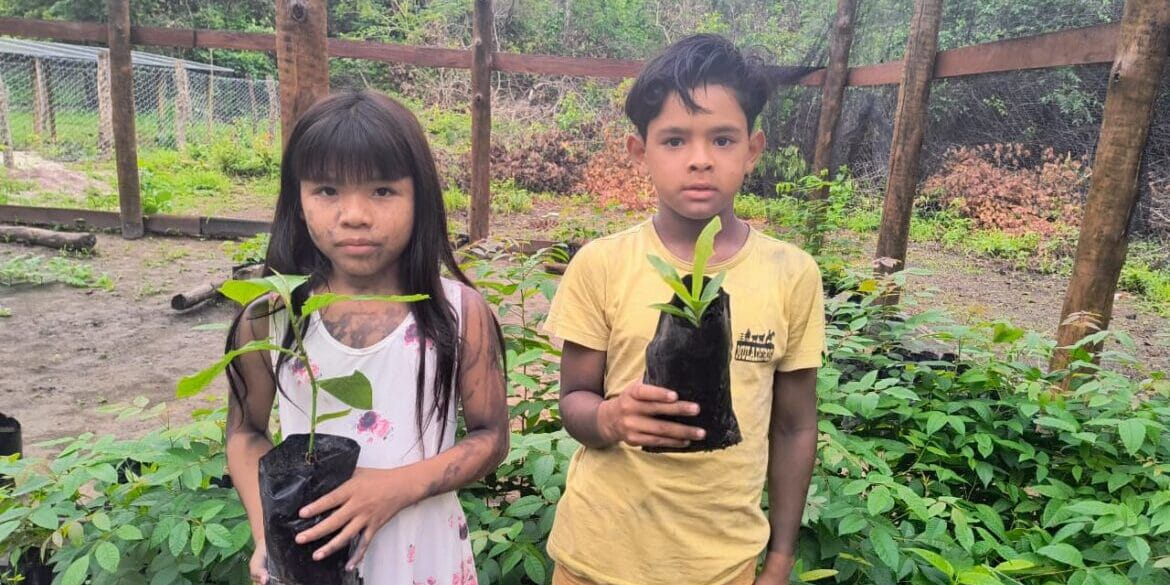
More than 800 seedlings are currently being planted across the territory through the collective work of the entire community.
On Bananal Island (Tocantins, Brazil), the Ãwa people are taking new steps toward environmental restoration in their territory. Planting and forest management activities are gaining momentum through the Kawú Nursery, an initiative supported by ACT-Brasil and funded by the Overbrook Foundation and the Scheidel Foundation.
Planting Advances in Flooded Areas, with Preparations for Forest Restoration
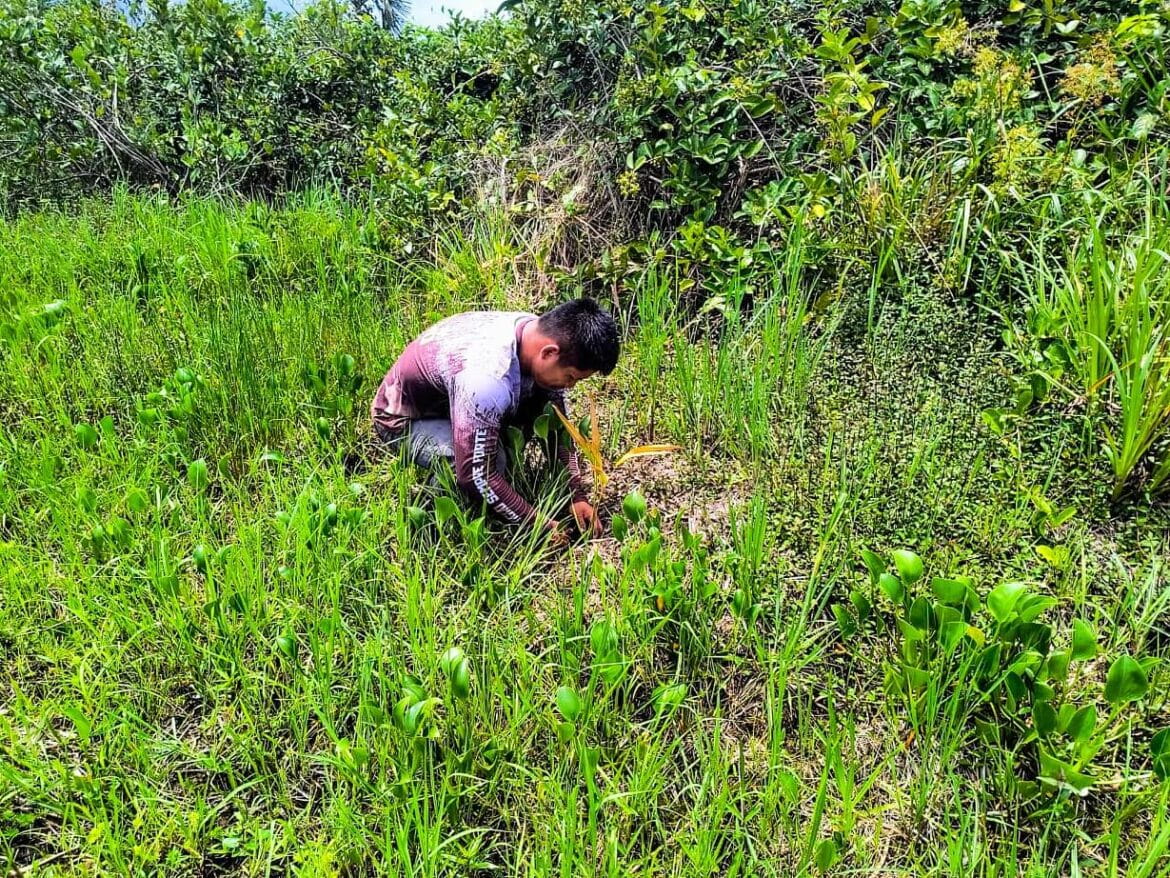
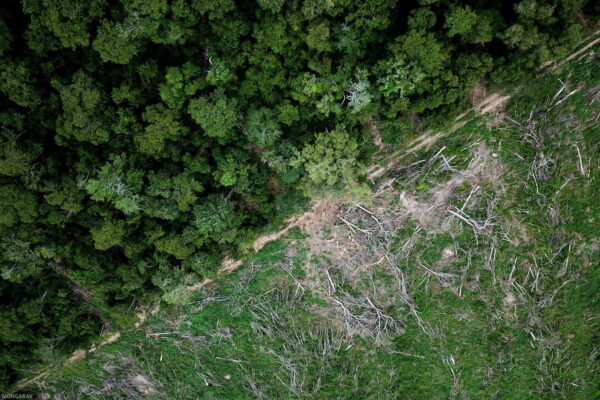
The most recent planting efforts have prioritized the island’s wettest areas, riverbanks, floodplains, and riparian forest zones, ecosystems that are essential for preventing erosion, maintaining water quality, and strengthening ecological connectivity.
Among the seedlings already planted are cashew, buriti palm, açaí, and aroeira, all produced in the community nursery. These species hold both ecological and cultural importance for the Ãwa people.
With the beginning of the rainy season, the next phase will focus on restoring cerrado forest areas. The community is preparing to plant all seedlings currently available in the nursery, also produced by the Ãwa themselves. These include ipê, angico, pau-jaú, oiti, jackfruit, jatobá, tamburil, baru, landim, and aroeira.
These species make up the total number of seedlings currently available and will be planted throughout this stage of the restoration process.
Kawú Nursery: Building Roots and Autonomy
Built in May 2025 with technical and institutional support from ACT-Brasil, the Kawú Nursery has become the center of the community’s environmental restoration efforts.
The nursery enables the continuous production of native seedlings, reduces external dependency, and strengthens the Ãwa people’s autonomy in managing their territory.
Next steps include new seed collection efforts, expansion of the nursery production, and ongoing planting in areas of the territory that are still undergoing restoration.

Wildlife Protection: Launch of a Turtle Care Initiative
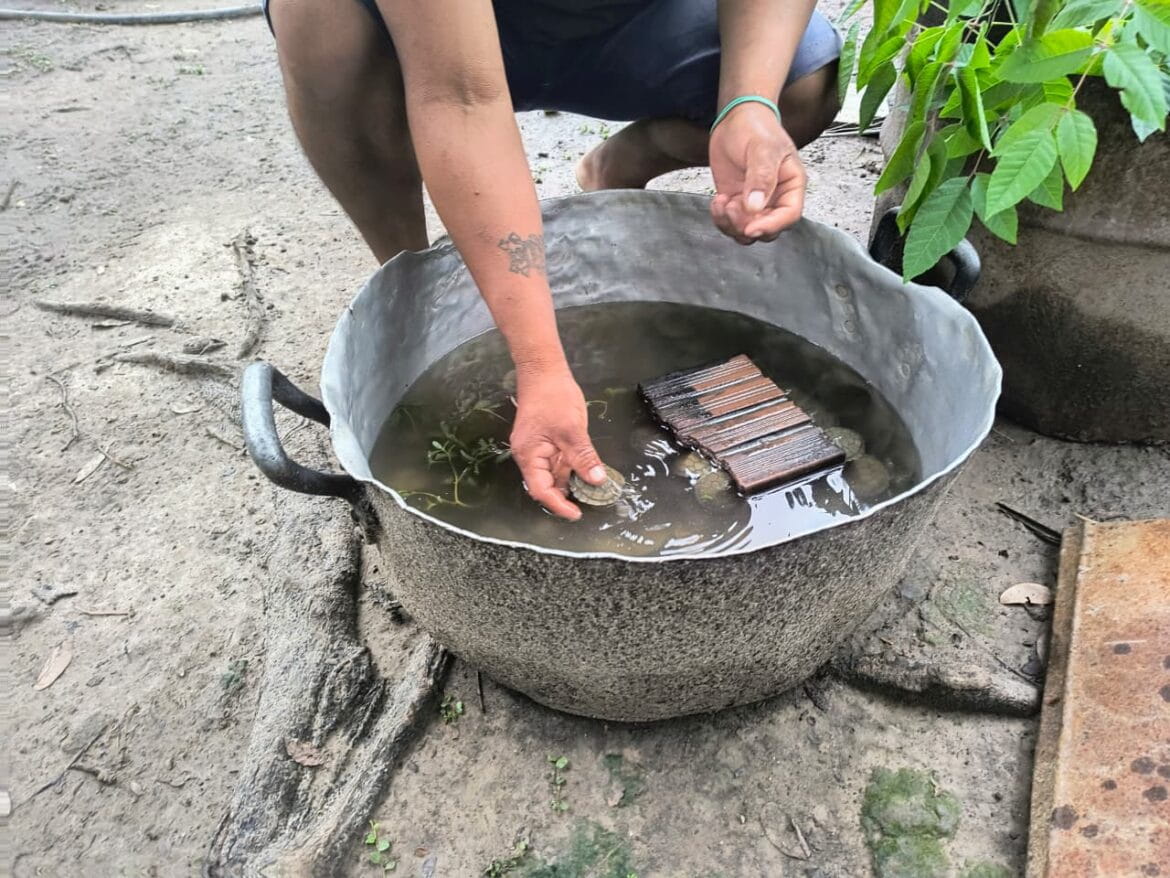
Alongside forest restoration, the Ãwa community has also launched a turtle protection initiative.
Some newly hatched turtle hatchlings are carefully collected and kept under community care until they reach a size that allows them to better withstand natural predators.
The village has expressed interest in expanding ACT-Brasil’s support to strengthen wildlife conservation efforts, integrating community-based management, traditional knowledge, and practices of care.
Strengthening Community Gardens and Productive Diversity
Another important ongoing effort is the strengthening of community gardens and agricultural plots.
ACT-Brasil has been supporting improvements to increase both the variety and quantity of cultivated foods, promoting food security, productive autonomy, and the appreciation of the Ãwa people’s traditional agricultural knowledge.
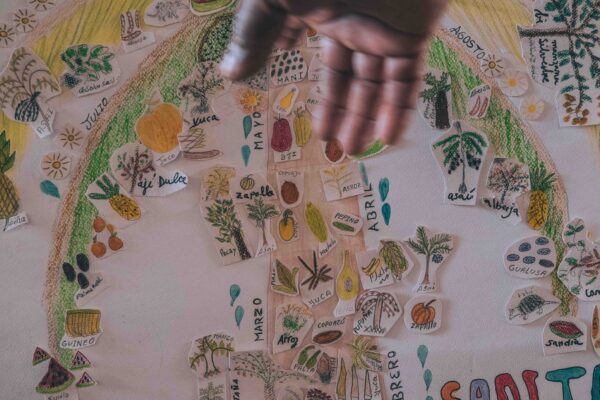
Beyond providing food diversity, these gardens also serve as spaces where agricultural practices are shared across generations. Children and youth actively participate in daily activities, from planting to care and maintenance, learning firsthand about plant cycles, territorial management, and the importance of wildlife and forests.
This involvement strengthens the transmission of knowledge and integrates protection, culture, and community land management into a single continuous process.
Environmental Restoration Rooted in the Territory
These initiatives demonstrate the dedication of the Ãwa leadership in restoring Bananal Island.
By combining traditional knowledge, community-based management, and institutional support, the project advances as a powerful example that forest restoration—and the protection of life—is effective when led by those who have lived in and cared for the territory for generations.
Text by Méle Dornelas · Available in Portuguese.
Don’t miss these powerful stories and updates. Sign up for our newsletter today!
Share this post
Bring awareness to our projects and mission by sharing this post with your friends.