Mongabay: Suriname will not be saved by soybeans (commentary)

June 22, 2026

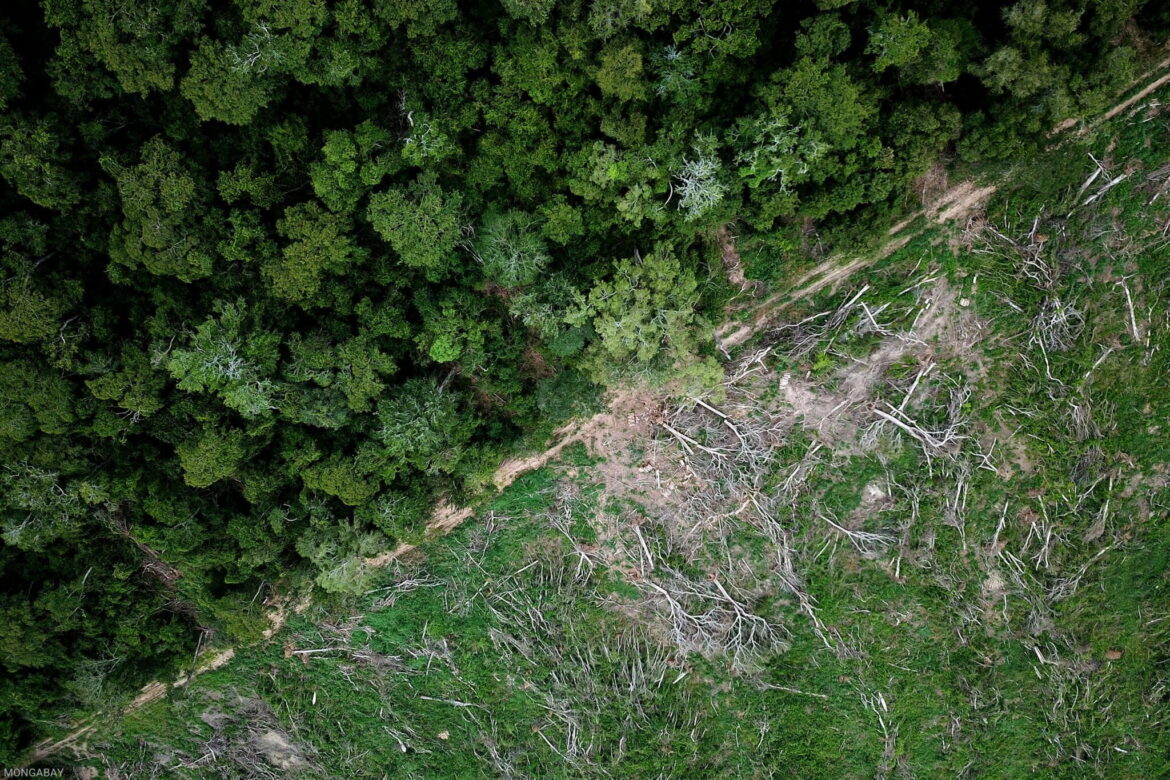
In a new commentary for Mongabay, Dr. Mark Plotkin, ethnobotanist and President of the Amazon Conservation Team, argues that large-scale…

ACT Featured in Podcast Series on the People and Forces Shaping the Amazon 

May 20, 2026

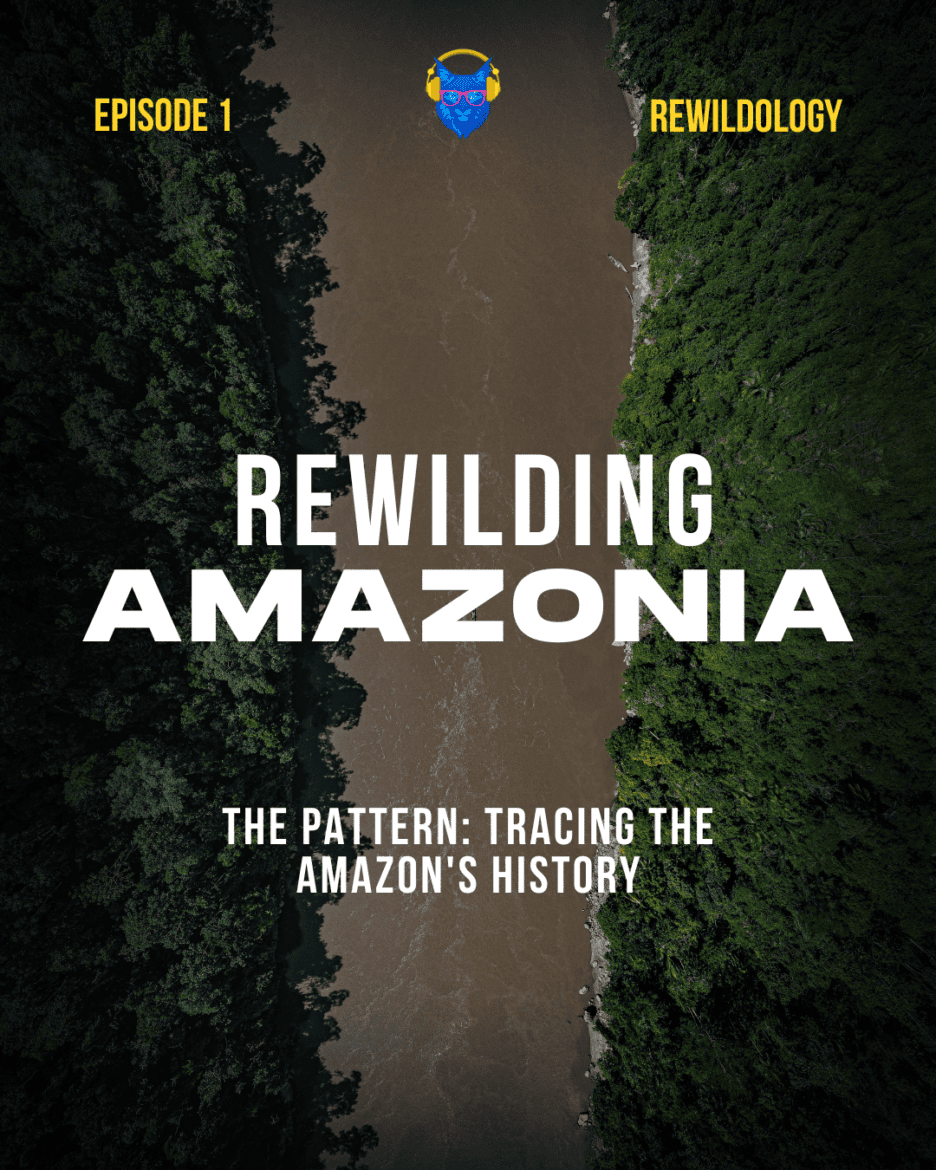
Staff from the Amazon Conservation Team are featured across multiple episodes of Rewilding Amazonia, an eight-part investigative podcast series from Rewildology examining what…

Dr. Mark Plotkin Speaks to WWLTV on Indigenous Plant Medicine and Psychedelic Research

April 27, 2026

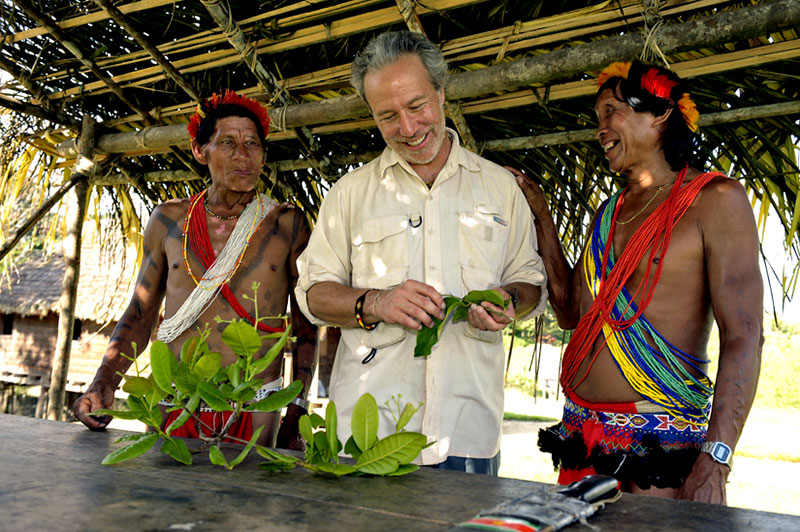
As a new executive order fast-tracks psychedelic research for veteran mental health treatment, WWLTV turned to Dr. Mark Plotkin, co-founder…

Esri highlights ACT mapping work with Indigenous communities

April 3, 2026

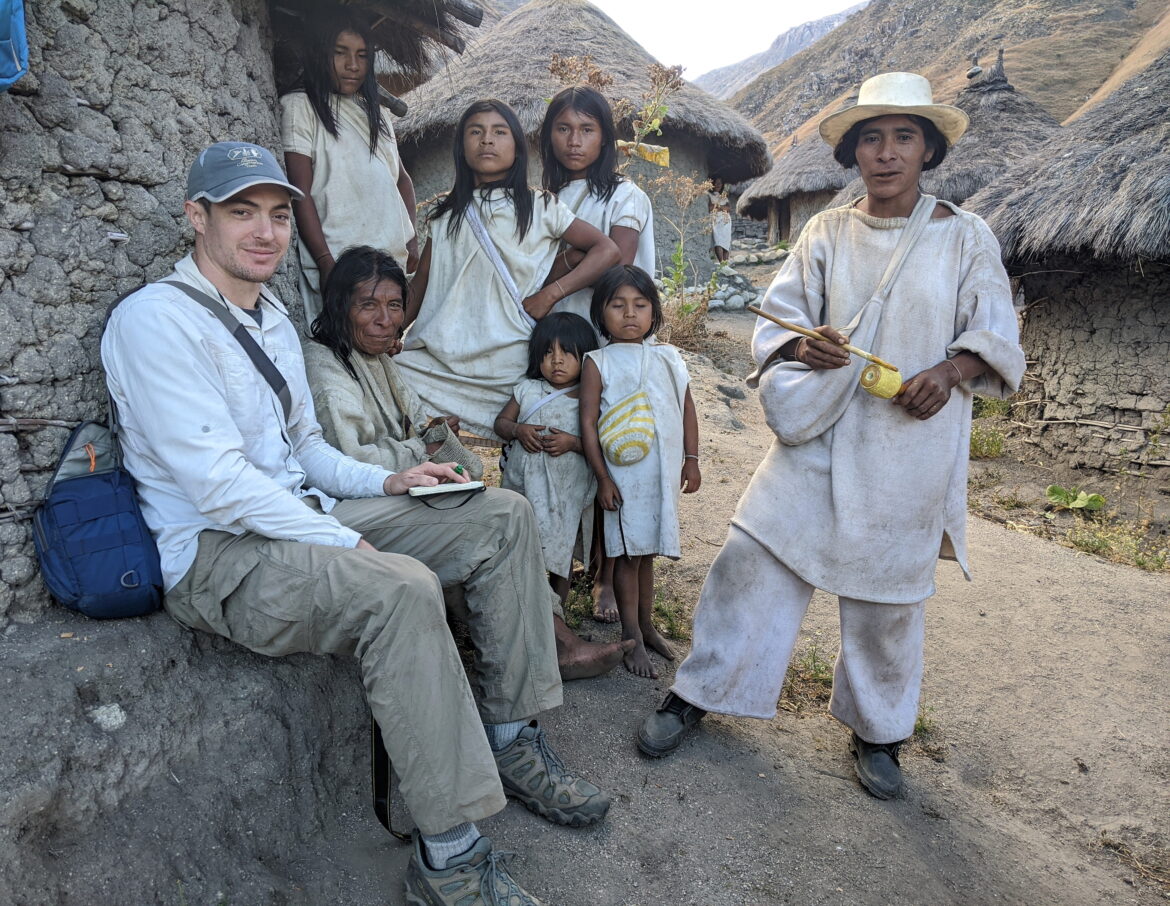
The Amazon Conservation Team works closely with Indigenous communities to create cultural maps that record and preserve traditional knowledge and…

Oceanography Podcast: Biocultural Coastal Conservation with Ancestral Tides

March 24, 2026

Juan Carlos Cruz, Manager of Science and Conservation with the Amazon Conservation Team’s Ancestral Tides initiative, recently joined the Oceanography…

The Annulment of Decree 1500: What is at Stake for the Indigenous Peoples of the Sierra Nevada de Santa Marta

February 25, 2026

February 20, 2026 The original article published in Spanish by La Silla Vacia can be found here. Written by Juana…

Top ethnobotanist Mark Plotkin’s COP30 reflections on Amazon conservation (analysis)

November 18, 2025

As the world gathers for COP30 in Belém, Brazil, Dr. Mark Plotkin, co-founder and president of the Amazon Conservation Team,…

Solving the problems of the Amazon will require serious commitments at COP30

November 12, 2025

Carolina Gil, regional director for the Amazon Conservation Team, wrote the following op-ed, published in the Colombian digital news outlet…

Mongabay: Indigenous monitoring project helps protect isolated peoples in Colombia’s Amazon

October 15, 2025

Mongabay, an independent environmental news organization, recently highlighted two communities in the Colombian Amazon, who are working to protect the…

From Bogotá to Belém: What’s at stake for the future of the Amazon

August 28, 2025

Carolina Gil, Regional Director of the Amazon Conservation Team Colombia authored this op-ed, published August 27, 2025 in El Espectador,…

Special Projects

January 2, 2015

In Peru, in the rural communities of Raqchi and Queromarca, ACT supported the seventh annual Watunakuy Gathering, which seeks to…

Northeast Amazon

January 2, 2015

In the northeast Amazon, Our work focuses on the following areas: Indigenous park guards Shamans and Apprentices program  Traditional medicine…

Northwest Amazon

January 2, 2015

In the northwest Amazon, our work focuses on the following areas: Protection of isolated indigenous group Intercultural education (known to…

Strengthening Indigenous Culture

January 2, 2015

Shamans and Apprentices: Keeping traditional knowledge alive in the Amazon. For five tribes of the Colombian Amazon, ACT provides support…

Integrated Healthcare

January 2, 2015

Traditional medicine clinics in Suriname. In the rainforests of southern Suriname, ACT has a longstanding program – carried out by…

Sustainable Development

January 2, 2015

Supporting food security within indigenous communities. Because indigenous groups are unable to conduct much if any conservation work if their…

Indigenous Land Protection

January 2, 2015

Launching of the first indigenous park guard training course in the northeast Amazon. ACT has instituted the first indigenous park…

Indigenous Land Management

January 2, 2015

Comprehensive, long-term sustainable management plans for the Suruí people. In the western Brazilian Amazon, ACT helped the Suruí people develop…

Women's Programs

January 2, 2015

Supporting and empowering women healers. In Colombia, ACT supported the creation and continues to sponsor the operations of the first…

Health

January 2, 2015

ACT designs programs specifically to support the health of our indigenous partners because the degree to which our partners enjoy…