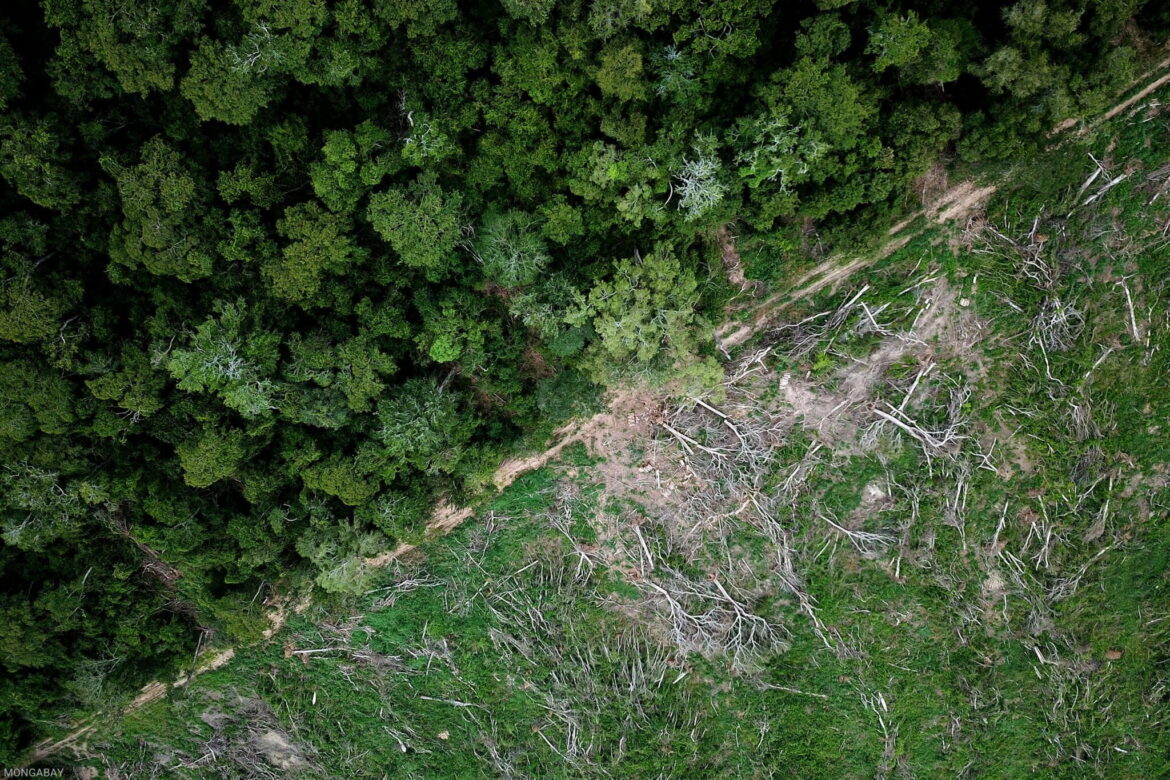
In a new commentary for Mongabay, Dr. Mark Plotkin, ethnobotanist and President of the Amazon Conservation Team, argues that large-scale…
Staff from the Amazon Conservation Team are featured across multiple episodes of Rewilding Amazonia, an eight-part investigative podcast series from Rewildology examining what…
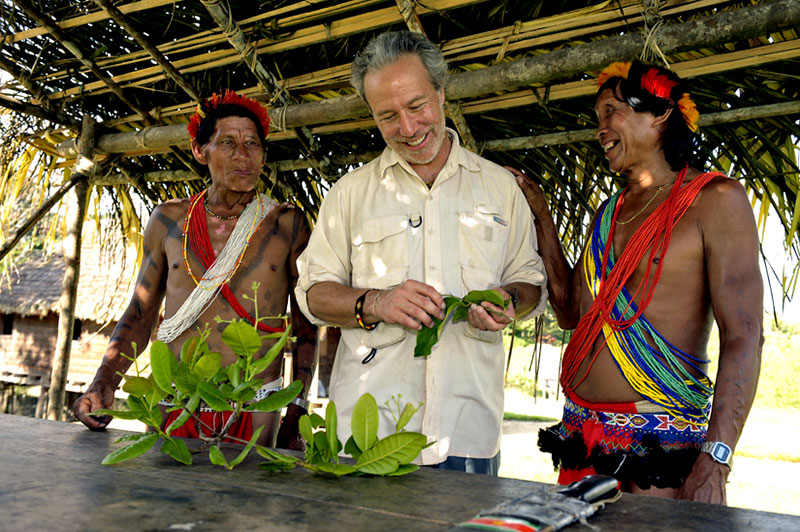
As a new executive order fast-tracks psychedelic research for veteran mental health treatment, WWLTV turned to Dr. Mark Plotkin, co-founder…
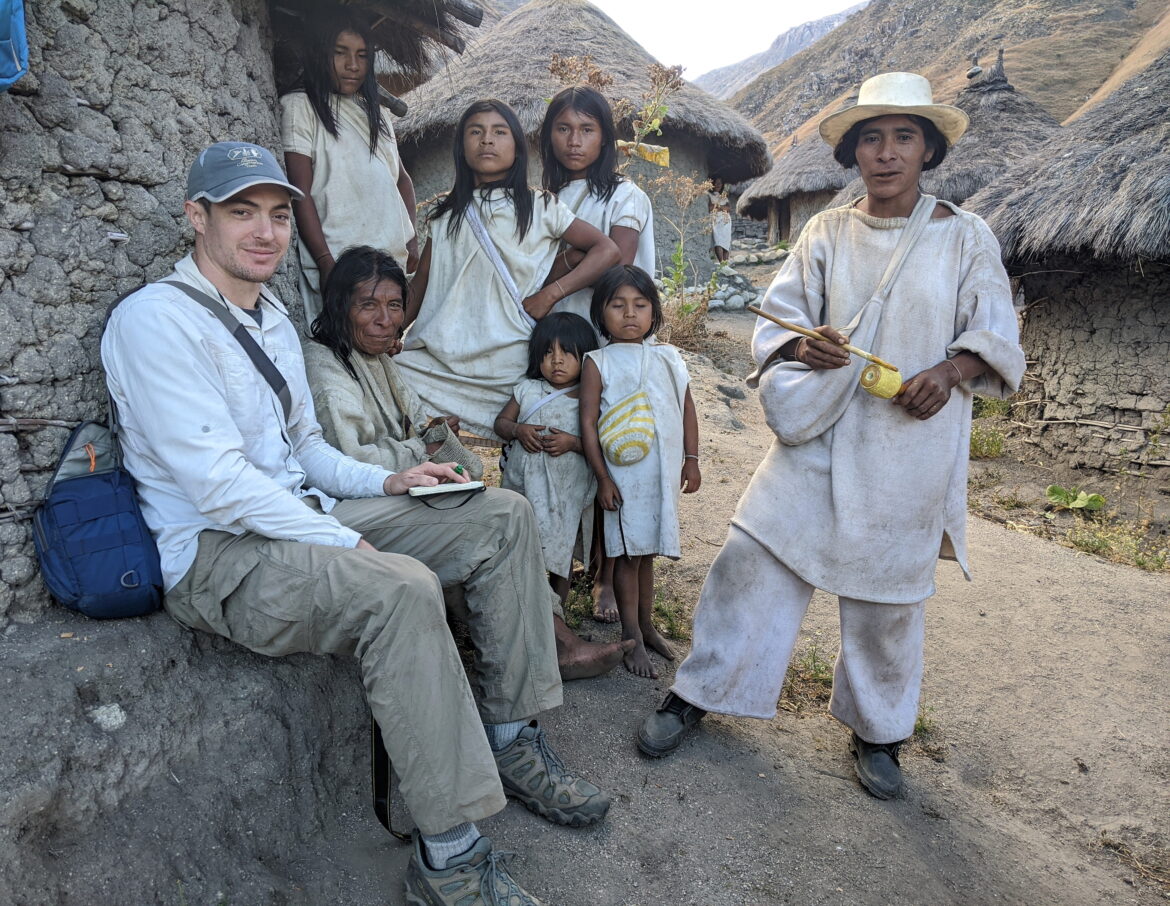
The Amazon Conservation Team works closely with Indigenous communities to create cultural maps that record and preserve traditional knowledge and…
Juan Carlos Cruz, Manager of Science and Conservation with the Amazon Conservation Team’s Ancestral Tides initiative, recently joined the Oceanography…
February 20, 2026 The original article published in Spanish by La Silla Vacia can be found here. Written by Juana…
As the world gathers for COP30 in Belém, Brazil, Dr. Mark Plotkin, co-founder and president of the Amazon Conservation Team,…
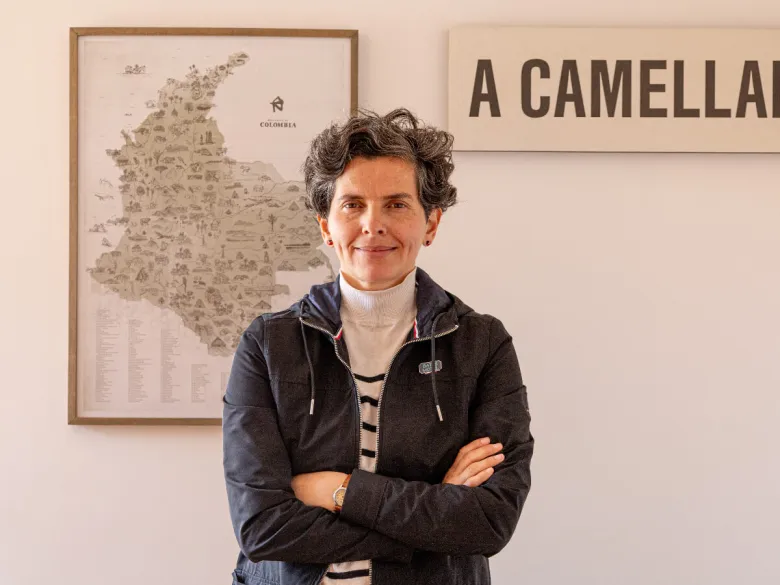
Carolina Gil, regional director for the Amazon Conservation Team, wrote the following op-ed, published in the Colombian digital news outlet…
Mongabay, an independent environmental news organization, recently highlighted two communities in the Colombian Amazon, who are working to protect the…
Carolina Gil, Regional Director of the Amazon Conservation Team Colombia authored this op-ed, published August 27, 2025 in El Espectador,…
Diverse tropical ecosystems like rainforests and coral reefs may harbor microorganisms able to produce compounds that — when made less toxic, more effective or used as inspiration to develop new medicines — may give us new antibiotics, new treatments for cancer and new treatments for stress. Western medicine, in spite of the superlative nature of its success, does have its holes.
An hour before dawn, we landed at a small airstrip deep in the mountains of the Colombian Amazon. This remote forest — ringing with the sounds of frogs, monkeys and parrots –seemed surreal, as did my reason for visiting. Over the next five days, I would photograph the annual conference of the region’s female indigenous healers.
While top-of-the-line outdoor gear and insect repellents work well in the Northern California backcountry, they’re next to worthless in the Colombian jungle. This was my first lesson traveling from the West Coast to a region with 100-degree temperatures and 90 percent humidity, where bugs feed on any millimeter of exposed of skin and the humid air dissolved my malaria pills into a sludgy mess before I could take them.
Next week the Colombian government will officially double the size of its largest national park, reports El Espectador.
Chiribiquete National Park in southern Colombia will expand from 12,990 square kilometers to 27,808 square kilometers, making it one of the biggest protected areas in the Amazon. The expansion will include areas thought to be inhabited by two “uncontacted” or voluntarily isolated tribes. These areas were potentially at risk from oil exploration and mining.
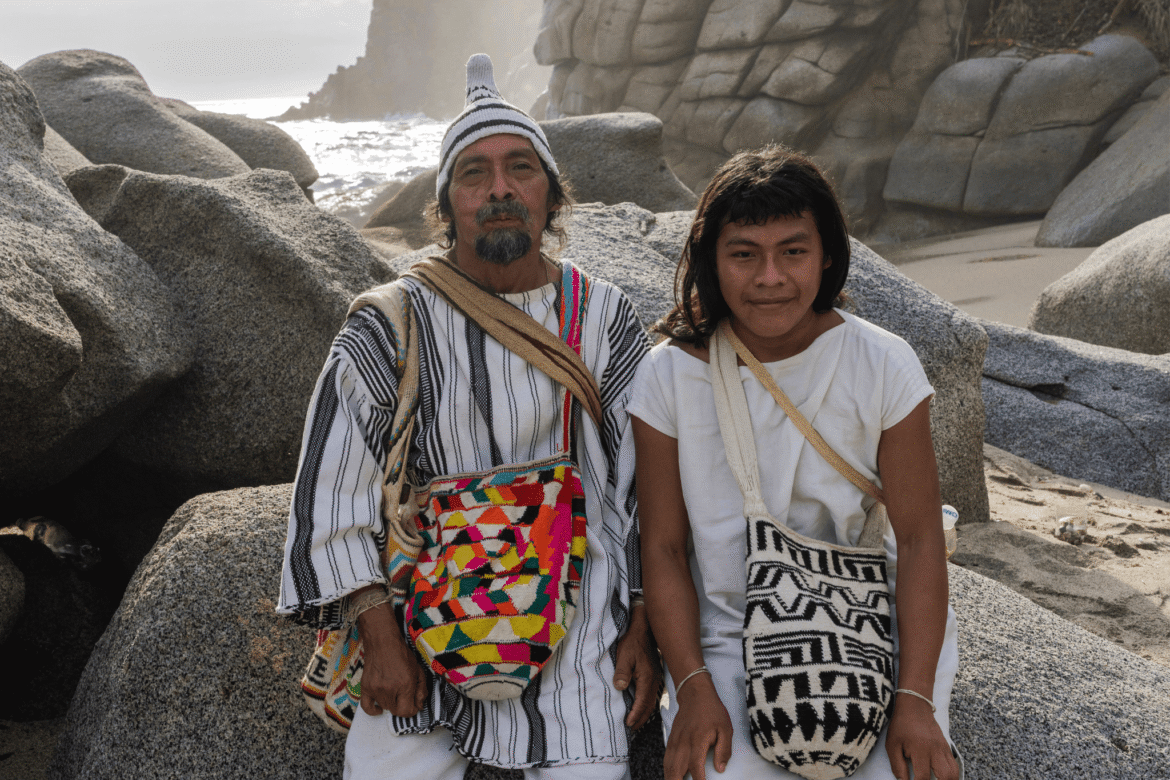
Five centuries ago, before the Spanish made their way to the Caribbean on their route to the Indies, a major portion of the communities of the Sierra Nevada de Santa Marta lived along the ocean, undertook long journeys in search of fish, and gathered caracuchas, similar to a snail, which they consumed crushed and mixed with coca leaves in order to improve their thinking and communication.
“The sea was our mother”: so says the creation myth of the Kogi.
An agreement for 1.3 billion pesos to be disbursed from a special government royalty collection fund was signed yesterday between the Governor of Caquetá and indigenous communities in the department.
The signing of this agreement is intended to support the organizational strengthening of at least 12 indigenous groups in the department, a process that will be led by the communities themselves, as related by Wairanina Jacanamejoy Mutumbajoy, coordinator of the Departmental Indigenous Council.
As a partner within the RAISG network through ACT-Suriname, ACT is delighted to announce the publication of the RAISG atlas “Amazonia under Pressure.” RAISG (Red Amazónica de Información Socioambiental Georeferenciada) is a collective of organizations working in Amazonia that utilize and share georeferenced socio-environmental information to achieve pan-Amazonian representations of the environmental and social health of the region.
Jane Goodall greets the audience by imitating a chimpanzee, then launches into an hour-long talk on her relationship with apes and how, from being a primatologist, she became an activist to protect them.
At 78, Goodall, who has 53 years of studying chimps behind her, is still criss-crossing the planet to raise the awareness of populations and their leaders on the fate of the apes and the need to protect the environment.
Technology can do a lot to help an organization with its social mission, but it can’t make up for real, on-the-ground interaction with the problem you’re trying to fix.
Schaufeld’s philosophy on “making an impact” reaches beyond her neighborhood with her involvement with the Amazon Conservation Team (ACT), a nonprofit organization that works to protect the earth’s most diverse terrestrial ecosystem in partnership with the land’s indigenous people. Having visited the rainforest and learning that protecting the culture and way of life of the tribes is imperative to saving the land, Schaufeld recognized the groundbreaking work of the small group and became a board member.