

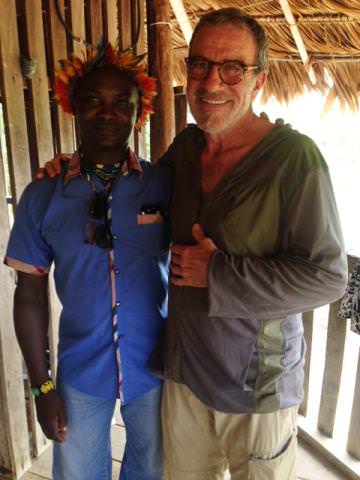
Late last month, the Amazon Conservation Team organized a trip to Kwamalasamutu in Suriname for friends of the environmental organization. This was carried out as part of its twentieth anniversary in Suriname. Among the group of visitors from the US was a world-famous artist, Tico Torres, drummer for the legendary rock band Bon Jovi.
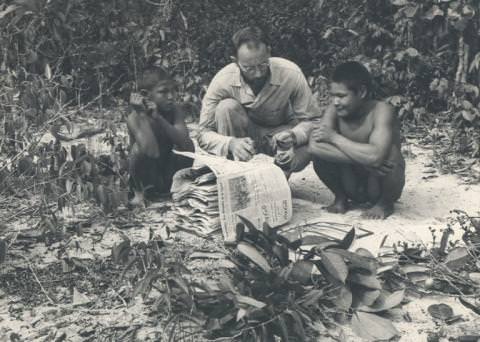
You can delve into Schultes’s immersion in ritual and medicinal plants through the newly launched Amazonian Travels of Richard Evans Schultes, from the nonprofit Amazon Conservation Team (ACT), itself dedicated to working with indigenous people in the Amazon on ecological issues.
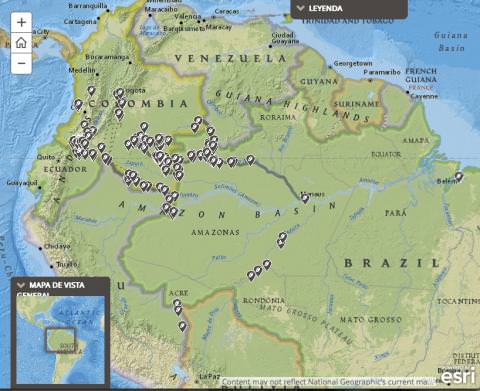
El Amazonas del que conoció durante un recorrido mítico Richard Evans Schultes está a un click de distancia: uno podrá internarse en la selva, conocer tribus indígenas, sus conocimientos, aventuras a lo largo del río y la selva. Plantas alucinógenas y medicinales.
Global Forest Watch is proud to introduce this year’s 11 Small Grants Fund recipients. These organizations will join the distinguished cadre of 25 past grantees in using Global Forest Watch tools, data and knowledge to improve forest management, transparency and accountability around the world.
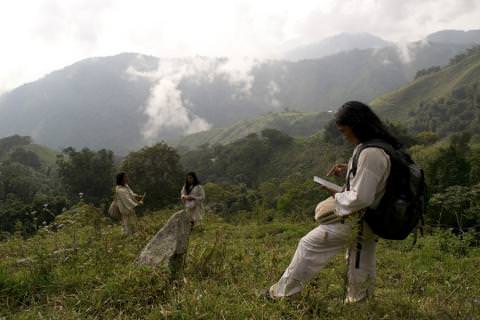
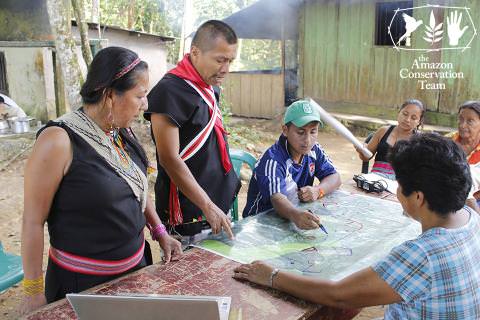
Open Data Kit helps the indigenous Kogi people map their land to empower stewardship of ancestral and ecologically important spaces in Colombia
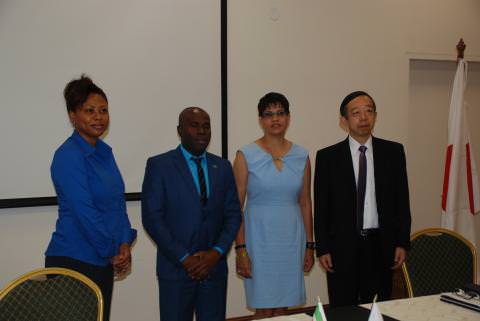
On Monday, the Amazon Conservation Team (ACT) has given the start sign for modernizing the traditional medicine clinics in the indigenous villages of Apetina and Tepu in the District Sipaliwini in the South of Suriname.
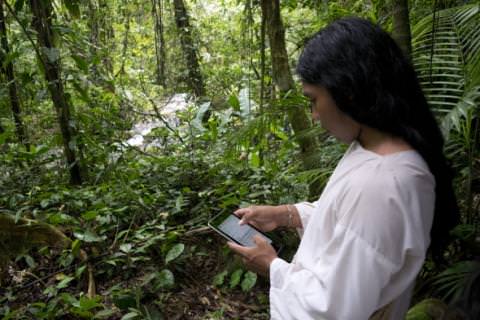
ACT is undertaking a significant upgrade to our field data collection efforts—and that of our community partners—by introducing Open Data Kit (ODK) smartphone and tablet data collection forms.
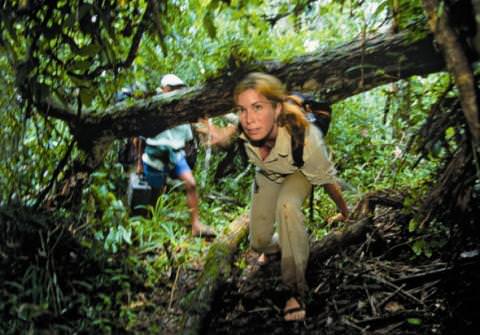
National Geographic explorer, anthropologist, and conservationist, Mireya Mayor, is joining the Amazon Conservation Team to help communicate news of vital…
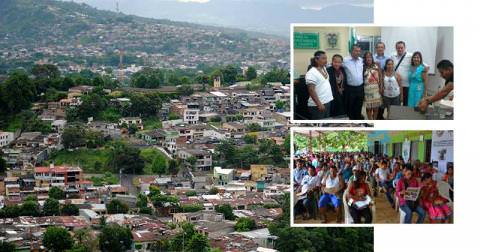
On November 12, 2015, the 10,181 indigenous inhabitants of the Colombian department (state) of Caquetá compiled all of their needs and their historically violated rights in a single document. After three years of work in this region, a first comprehensive indigenous public policy was approved.
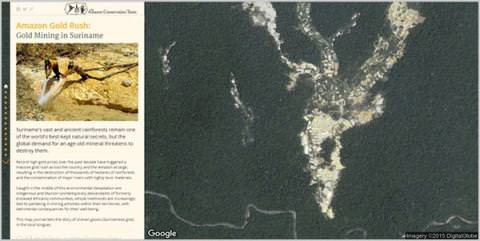
“During a recent visit to rainforests of Suriname, I noticed that a particular problem is increasingly weighing on the minds of the Trio Indians of Kwamalasamutu village: some men are being seduced by the opportunity for pay in distant gold mining ventures, leaving the village for long periods of time and occasionally not returning at all.”
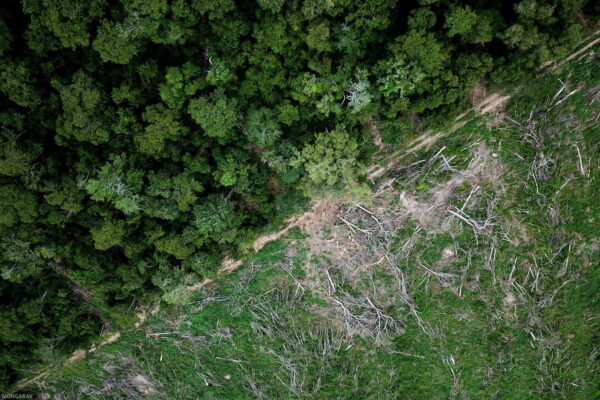
In a new commentary for Mongabay, Dr. Mark Plotkin, ethnobotanist and President of the Amazon Conservation Team, argues that large-scale…
Staff from the Amazon Conservation Team are featured across multiple episodes of Rewilding Amazonia, an eight-part investigative podcast series from Rewildology examining what…
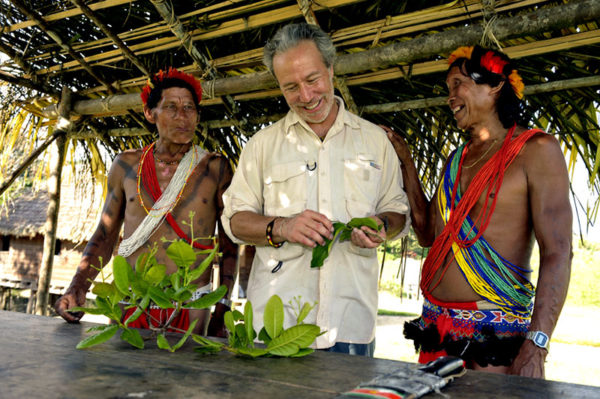
As a new executive order fast-tracks psychedelic research for veteran mental health treatment, WWLTV turned to Dr. Mark Plotkin, co-founder…
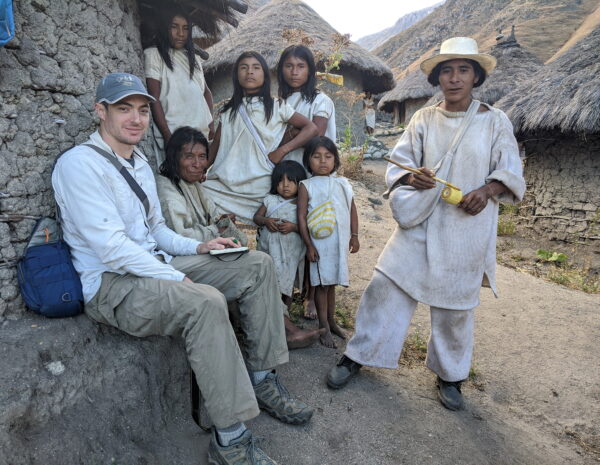
The Amazon Conservation Team works closely with Indigenous communities to create cultural maps that record and preserve traditional knowledge and…

Juan Carlos Cruz, Manager of Science and Conservation with the Amazon Conservation Team’s Ancestral Tides initiative, recently joined the Oceanography…
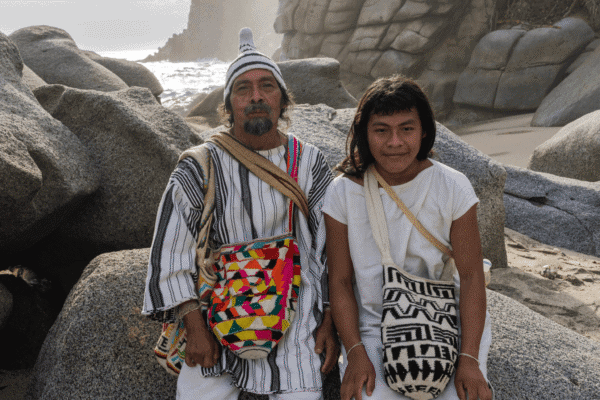
February 20, 2026 The original article published in Spanish by La Silla Vacia can be found here. Written by Juana…
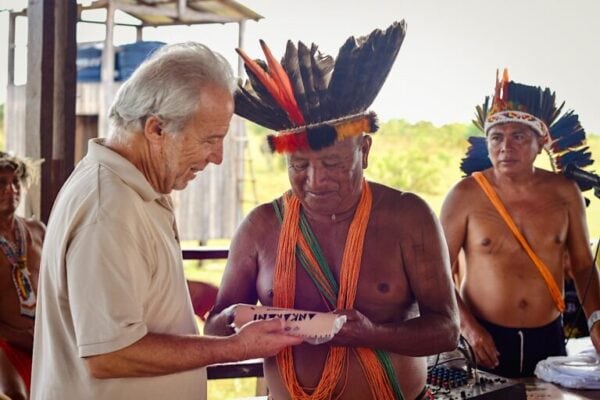
As the world gathers for COP30 in Belém, Brazil, Dr. Mark Plotkin, co-founder and president of the Amazon Conservation Team,…
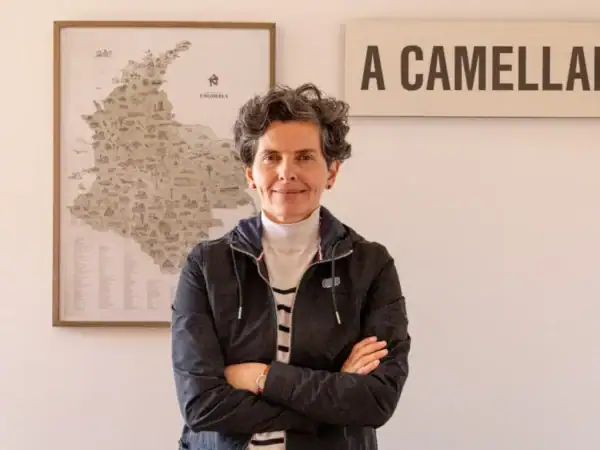
Carolina Gil, regional director for the Amazon Conservation Team, wrote the following op-ed, published in the Colombian digital news outlet…
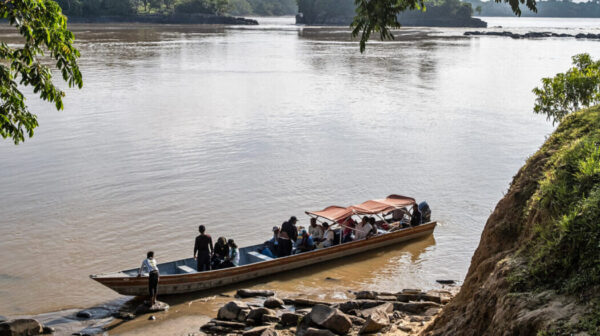
Mongabay, an independent environmental news organization, recently highlighted two communities in the Colombian Amazon, who are working to protect the…

Carolina Gil, Regional Director of the Amazon Conservation Team Colombia authored this op-ed, published August 27, 2025 in El Espectador,…