

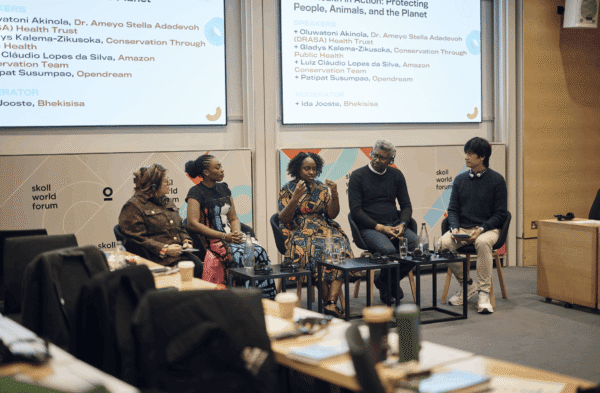
Text by Méle Dornelas. Global discussions on climate, health, and development have increasingly pointed to the need to recognize knowledge systems that already exist within territories and…
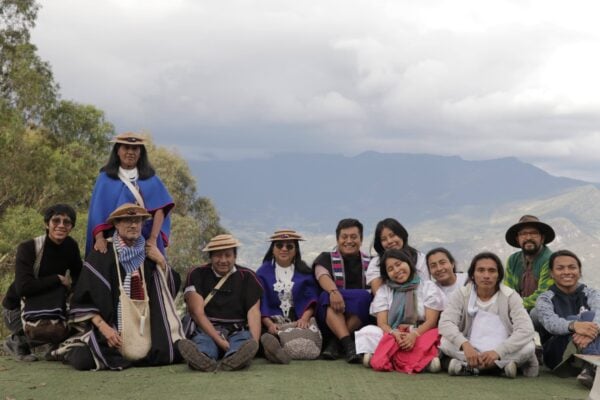
Ati Villafañe grew up on Colombia’s northern coast, going between the city of Santa Marta and her ancestral village of Kutunsama, which for the Arhuaco Indigenous people means “the root of knowledge.” Ati is…
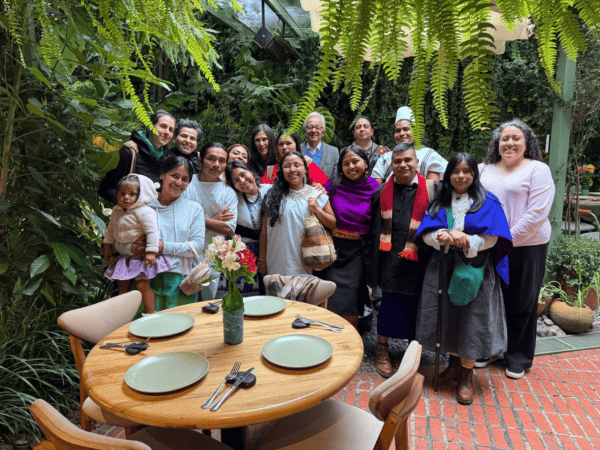
“I don’t have to choose between who I am, and where I am.” The following letter was written and read aloud by recipients of the…
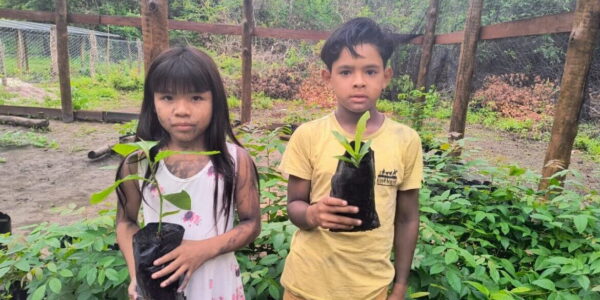
Text by Méle Dornelas · Available in Portuguese. More than 800 seedlings are currently being planted across the territory through the collective work of the entire community. On Bananal Island (Tocantins, Brazil), the Ãwa people…
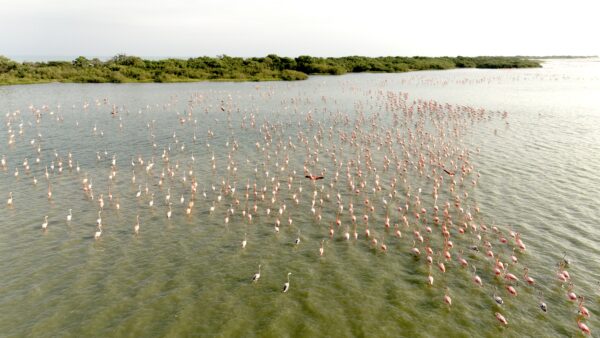
In the brackish marshes of Colombia’s northern Caribbean coast, you’ll find one of the largest and most social bird species – the American flamingo (Phoenicopterus ruber) gathered in…
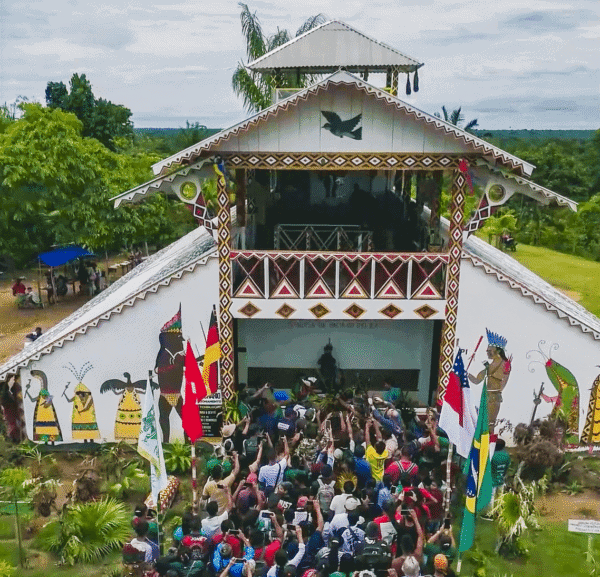
On January 24–25, the Tikuna people inaugurated the Tchirugüne Indigenous Museum in the Indigenous Community of Vila Betânia Mecürane, in the Upper Solimões region of Amazonas, Brazil.
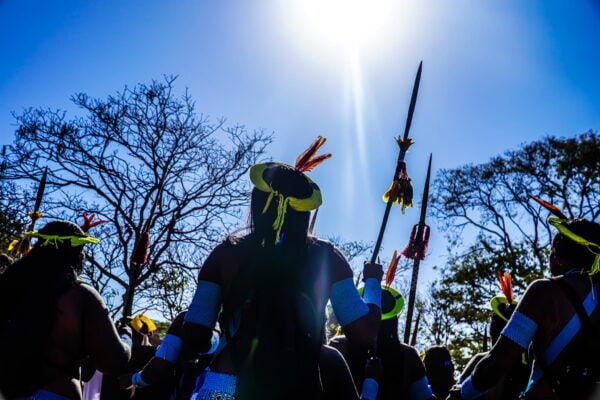
The impacts of the climate crisis on the health and ancestral knowledge of Indigenous women By Rudja Santos from Carta AmazôniaEdited by Méle Dornelas As COP30 brought the…
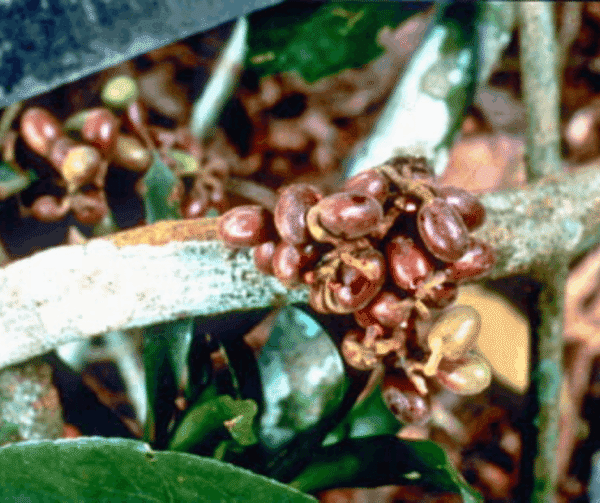
Curare is a plant-based arrow poison perfected over centuries by Indigenous peoples of the Amazonia. Applied to the tips of both blowgun darts and arrows,…
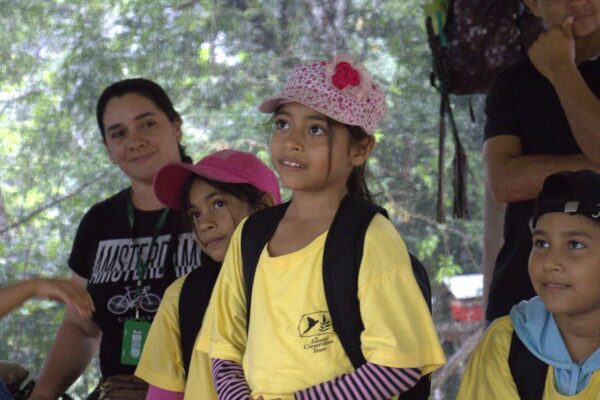
Welcome, Young Rainforest Protectors! Caring for nature doesn’t have to be hard. Kids everywhere can help protect forests, animals, rivers, and even the Amazon rainforest by making…
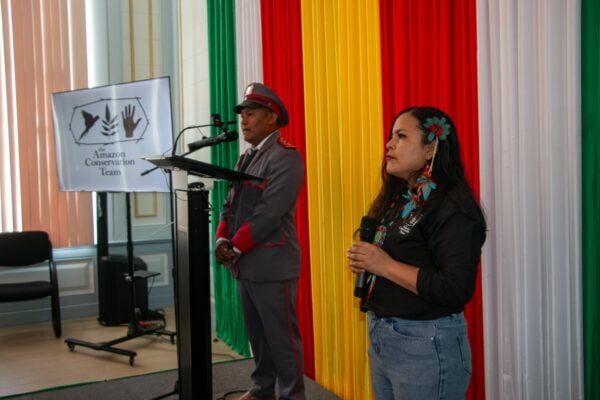
A historic moment for Suriname’s Indigenous and Maroon communities. This December, traditional authorities from the Coeroenie and Matawai regions officially handed over their development plans—the Tareno Development Plans and the Matawai Fiti Plan—to the Government…