

News
Mapping for Protection: Safeguarding Indigenous Peoples Living in Voluntary Isolation
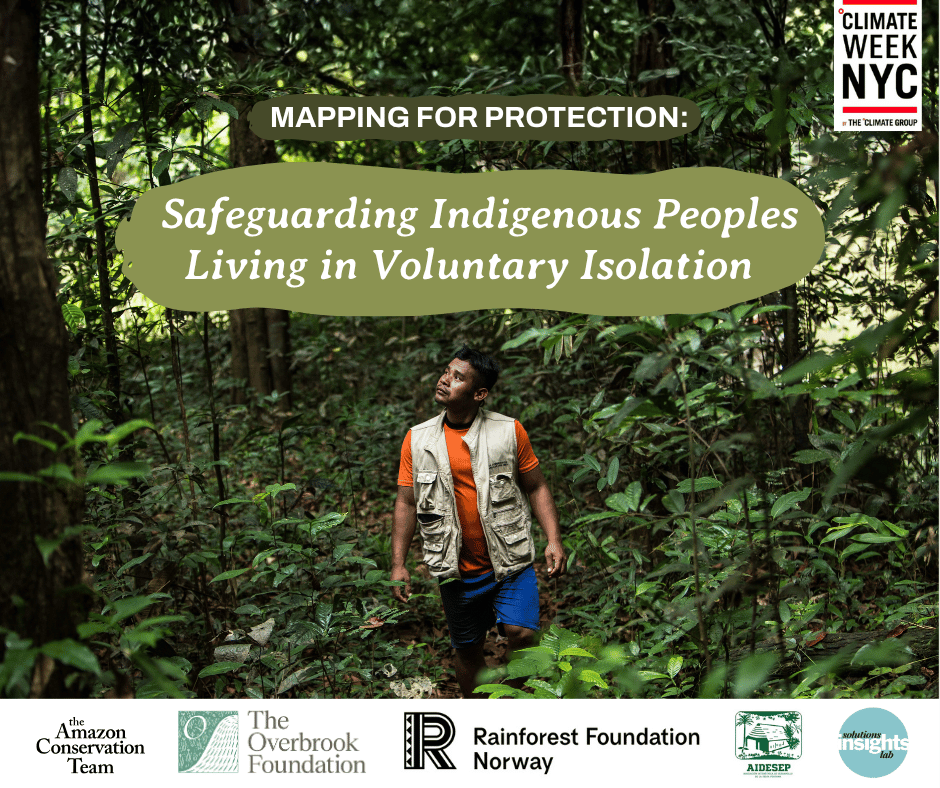
At Climate Week NYC, Indigenous leaders and conservation practitioners discussed how mapping and technology can help protect Indigenous Peoples Living in Voluntary Isolation while respecting their right to remain unseen. Indigenous Peoples Living in Voluntary Isolation have chosen to maintain distance from wider society, often as a way of protecting their lives, cultures, and territories…
Read MoreFind us at Climate Week in NYC
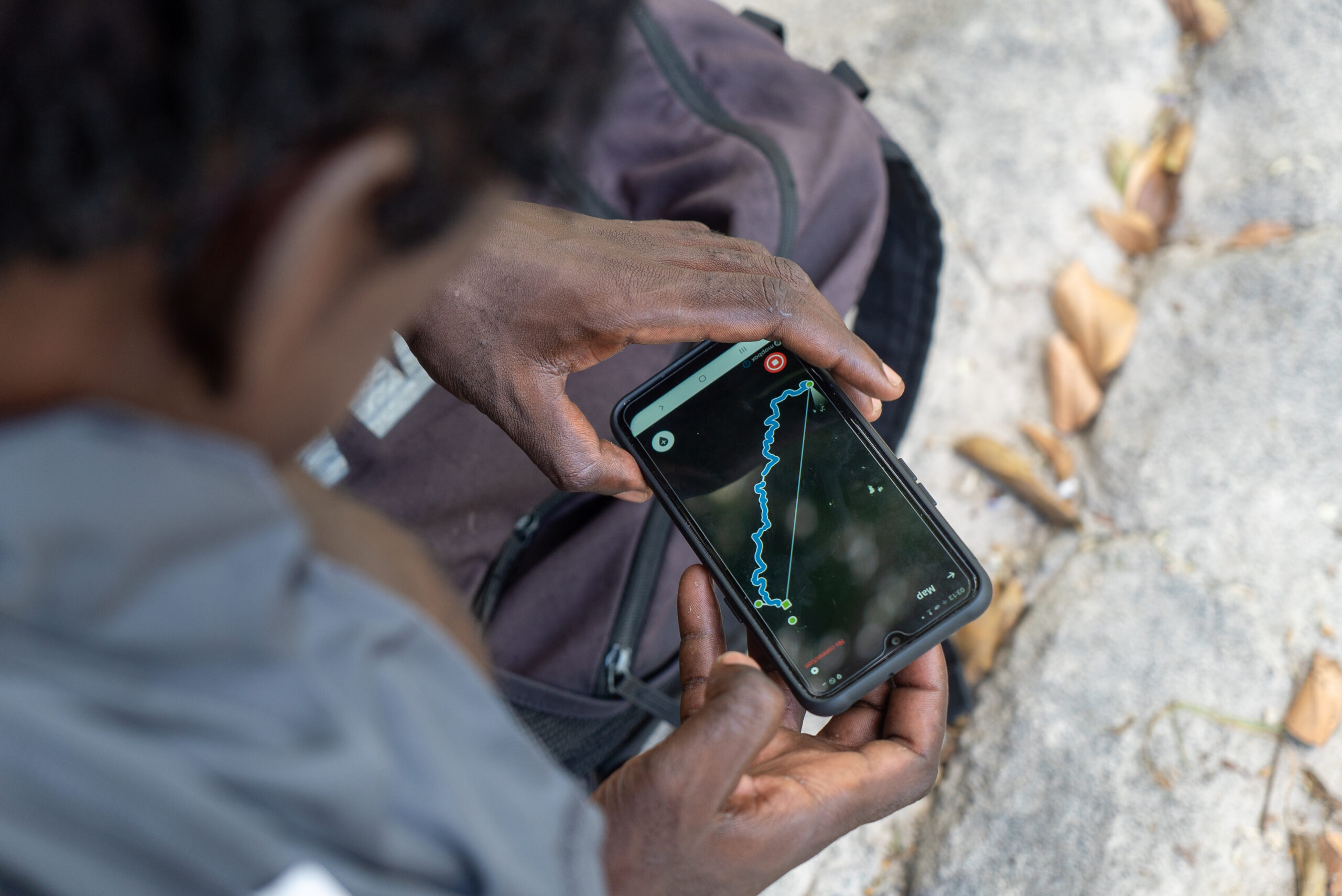
The Amazon Conservation Team will be at Climate Week in New York discussing community-led solutions to rainforest conservation. We’ll be hosting two insightful panels, both related to mapping alongside Indigenous communities to protect cultures and ecosystems. Whether you plan to attend the event in New York or just want to learn more about our work related…
Read MoreA Lifesaving Health Campaign for the Matsés
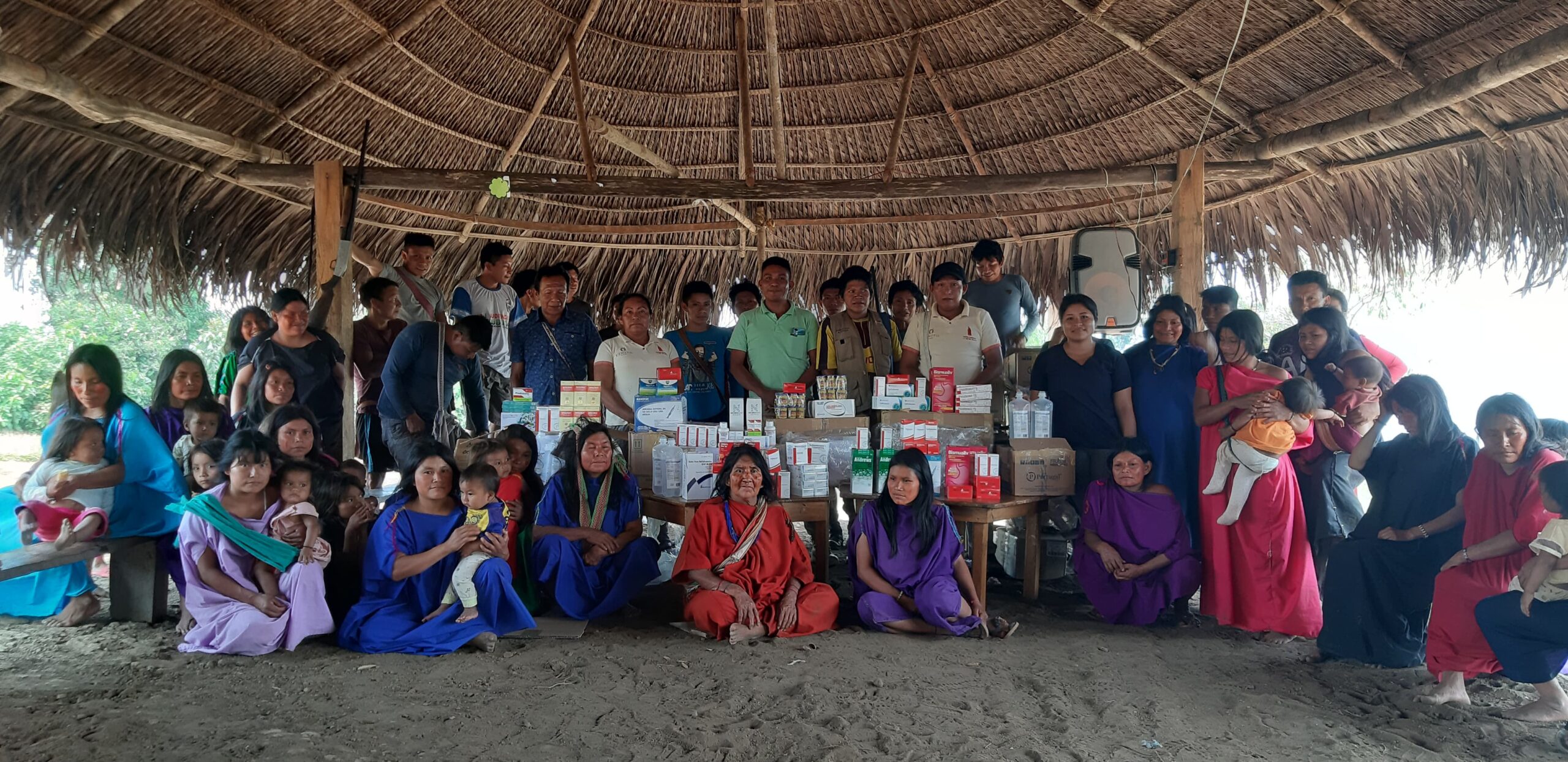
Along the remote Peru-Brazil border, the Matsés Indigenous people continue to uphold a traditional way of life deeply connected to the Amazon rainforest. Their territories — the Matsés Indigenous Territory and the Matsés National Reserve — span approximately 852,000 hectares (2.1 million acres) of pristine forest. The future of this remarkable landscape is inseparable…
Read MoreColombia Earthquake Response: Supporting 1,500 Families Across Five Departments
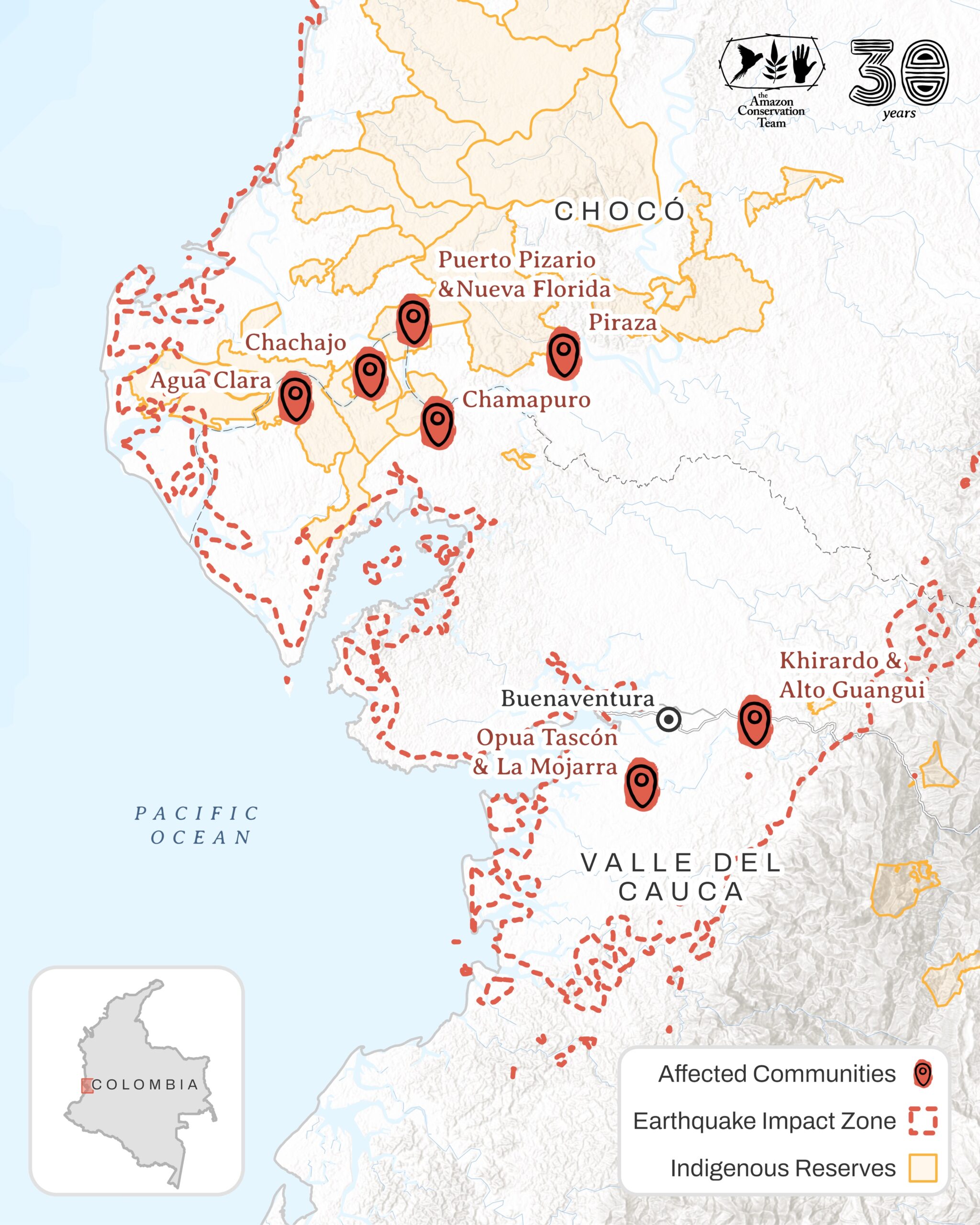
August 27, 2026 Following the 7.4 magnitude earthquake that struck Colombia on August 10, the Amazon Conservation Team (ACT) in Colombia has been working with Indigenous and Afro-descendant organizations and territorial authorities to identify needs and coordinate an initial humanitarian response. To date, 1,500 beneficiary families have been confirmed for support across Valle del Cauca,…
Read MoreHow Maps Reveal a Changing Amazon
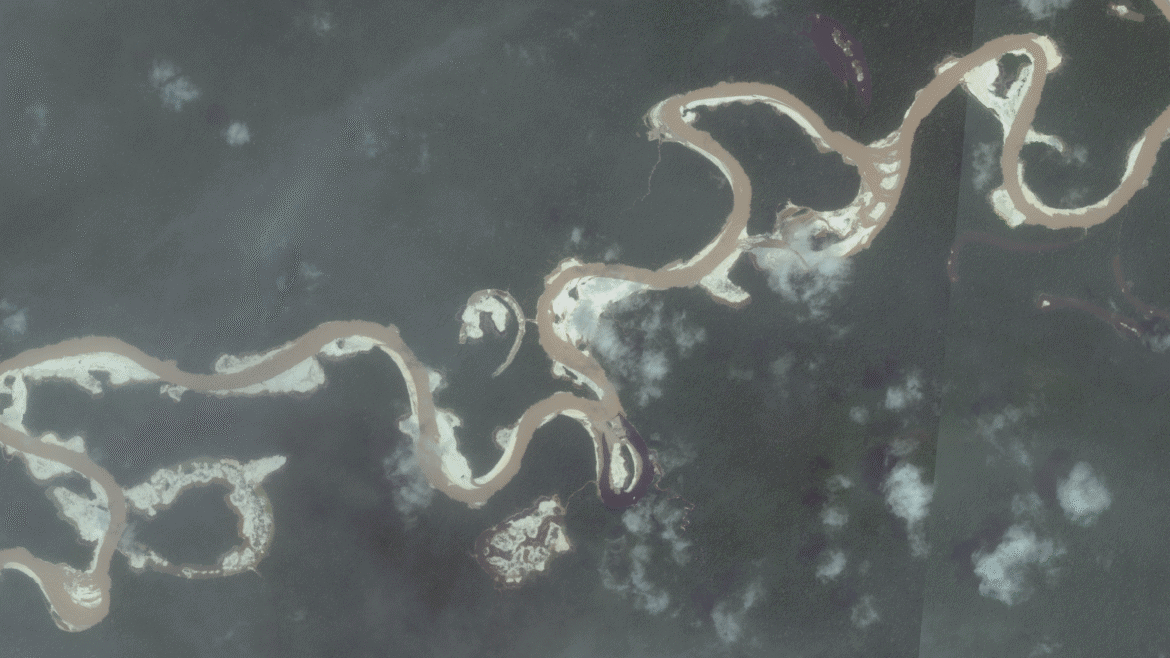
Mapping threats in the Amazon Maps imply some form of permanence and recognition. If something has been “put on the map”, it means that it will get noticed, and be there for years to come. For the Amazon Conservation Team’s (ACT’s) conservation work in the Amazon and along coastlines, getting places in the official geographic…
Read MoreSupporting Our Partner Communities Affected by the Earthquake in Colombia
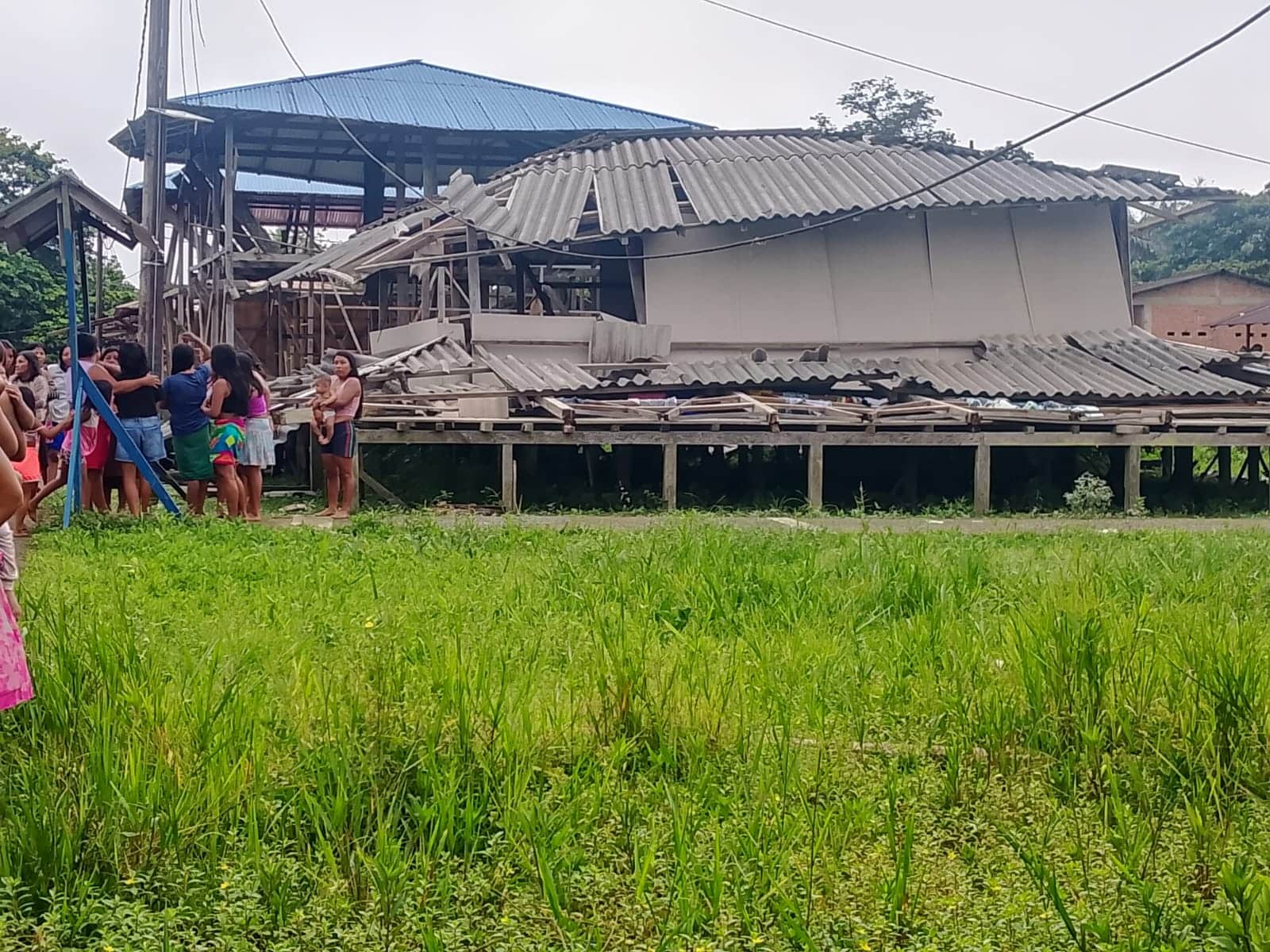
On August 10, a 7.4 magnitude earthquake struck western Colombia. It was the largest earthquake the country has seen in more than a decade, according to the Colombian Geological Survey. Some of the hardest hit areas from the quake overlap with Indigenous and local afro-descendant communities that the Amazon Conservation Team (ACT) has partnered with over many…
Read MoreMapping with Indigenous and local communities to help protect the Amazon
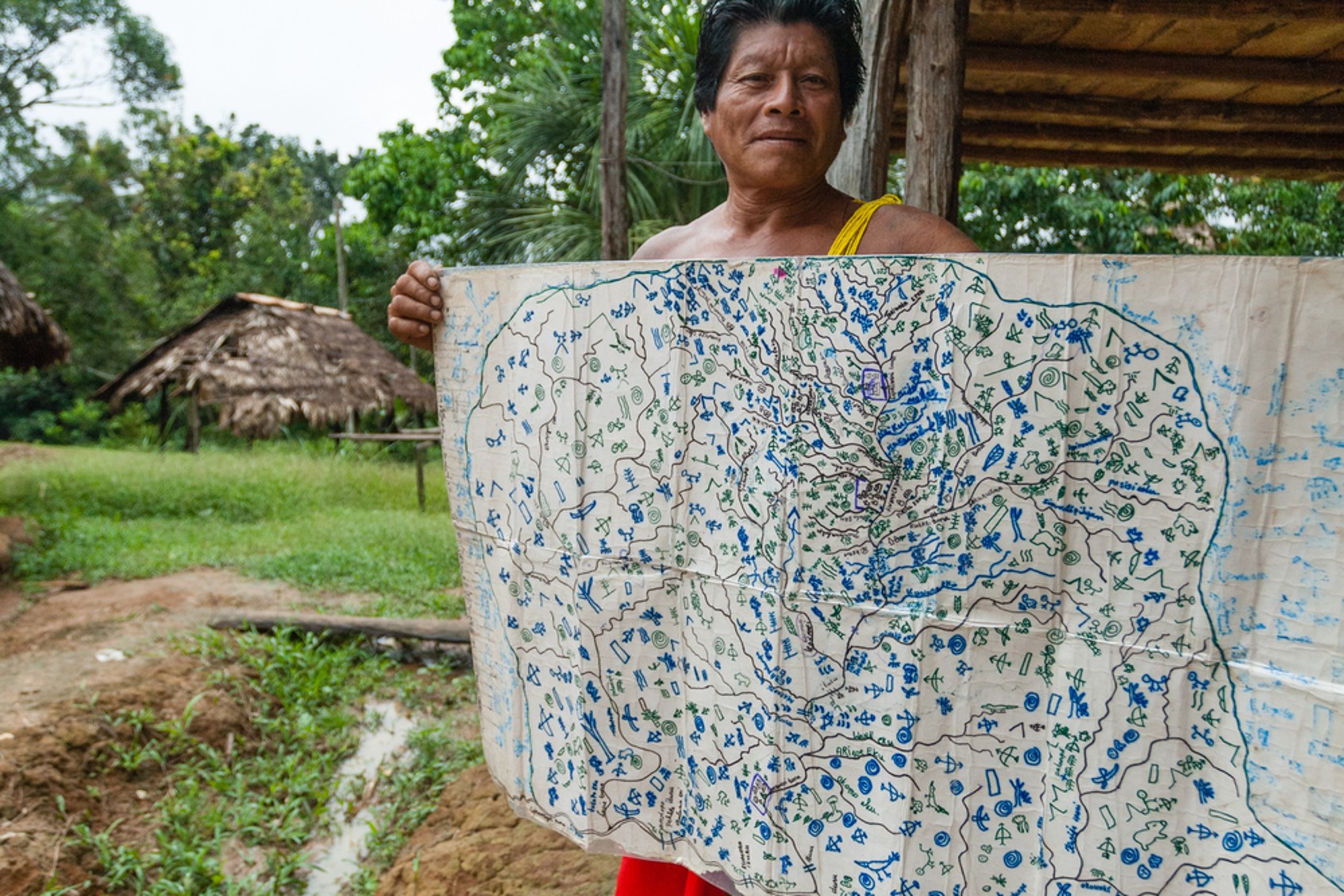
Brian Hettler, a geographer and cartographer with the Amazon Conservation Team (ACT), works with Indigenous communities in South America on participatory mapping initiatives that support indigenous land rights and rainforest conservation. Maps are more than collections of geographic coordinates or lines representing roads or country borders. They can be an expression of a community’s culture, territory, and…
Read MoreAn Amazonian Food Atlas Is Shared with the Communities That Nourished It
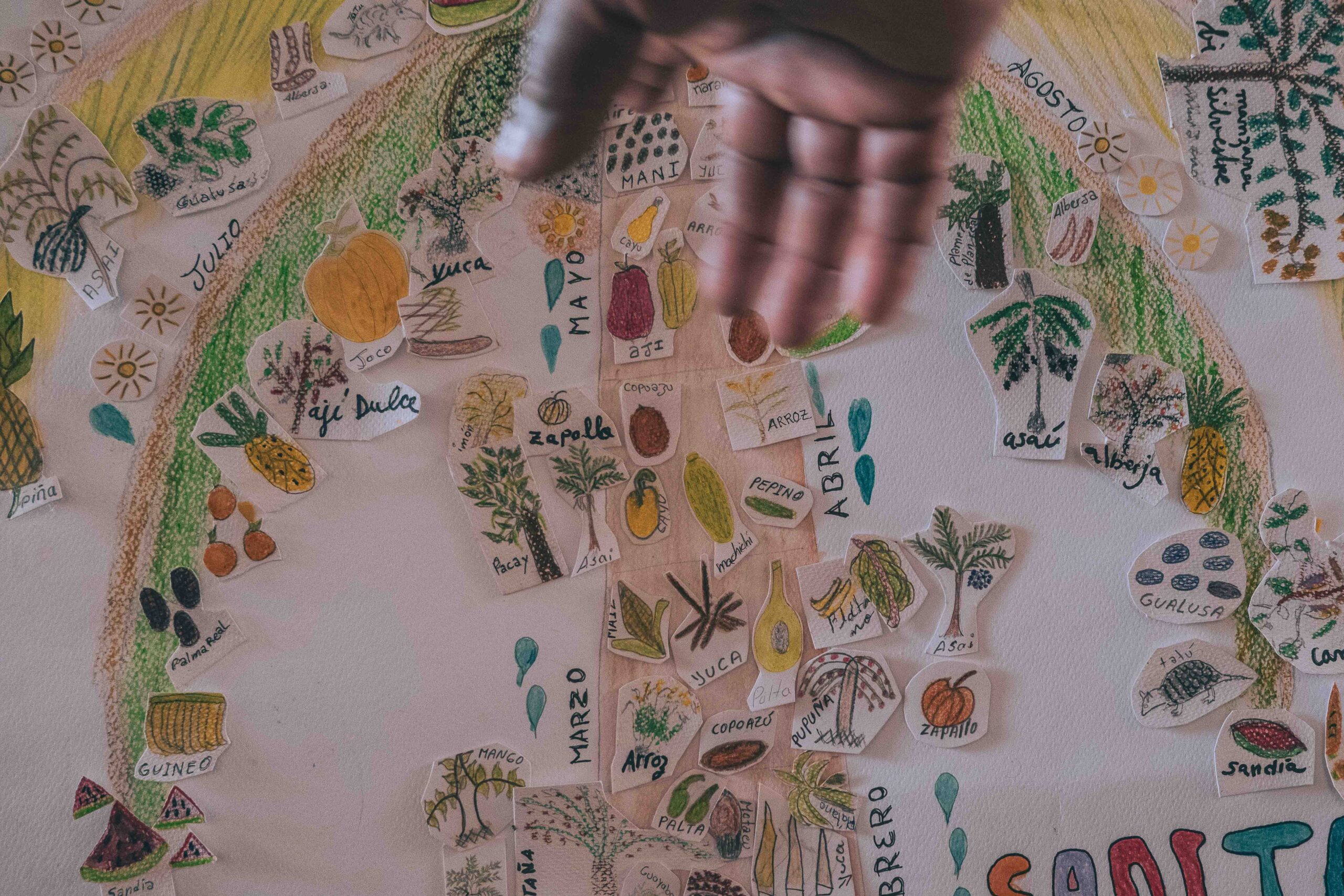
Over the last two years, fourteen communities across the Amazon have participated in a collaborative initiative to share the foods that have sustained life and cultures in their territories for generations. Their stories, knowledge, and traditional recipes were woven together into an atlas designed by the Amazon Conservation Team (ACT) as part of the World…
Read MoreCelebrating 30 Years: A Path That Began in the Amazon Continues to Expand
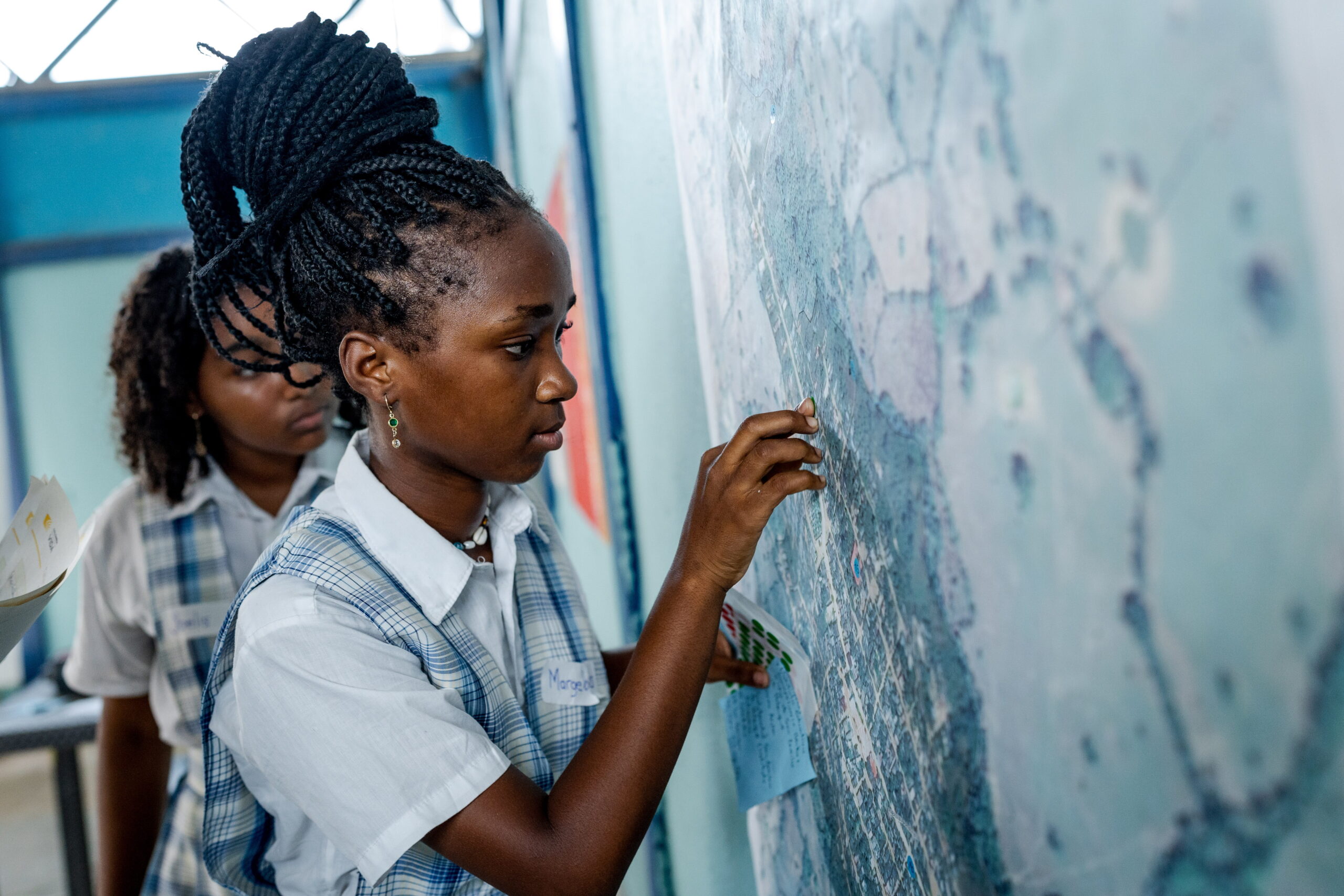
This year, the Amazon Conservation Team (ACT) is celebrating 30 years of biocultural conservation, an approach that recognizes the protection of local and Indigenous knowledge and culture go hand in hand with protecting the Earth’s most critical ecosystems. And the conservation solutions led by these communities are as diverse as the cultures and geographic regions…
Read MoreMongabay: Suriname will not be saved by soybeans (commentary)
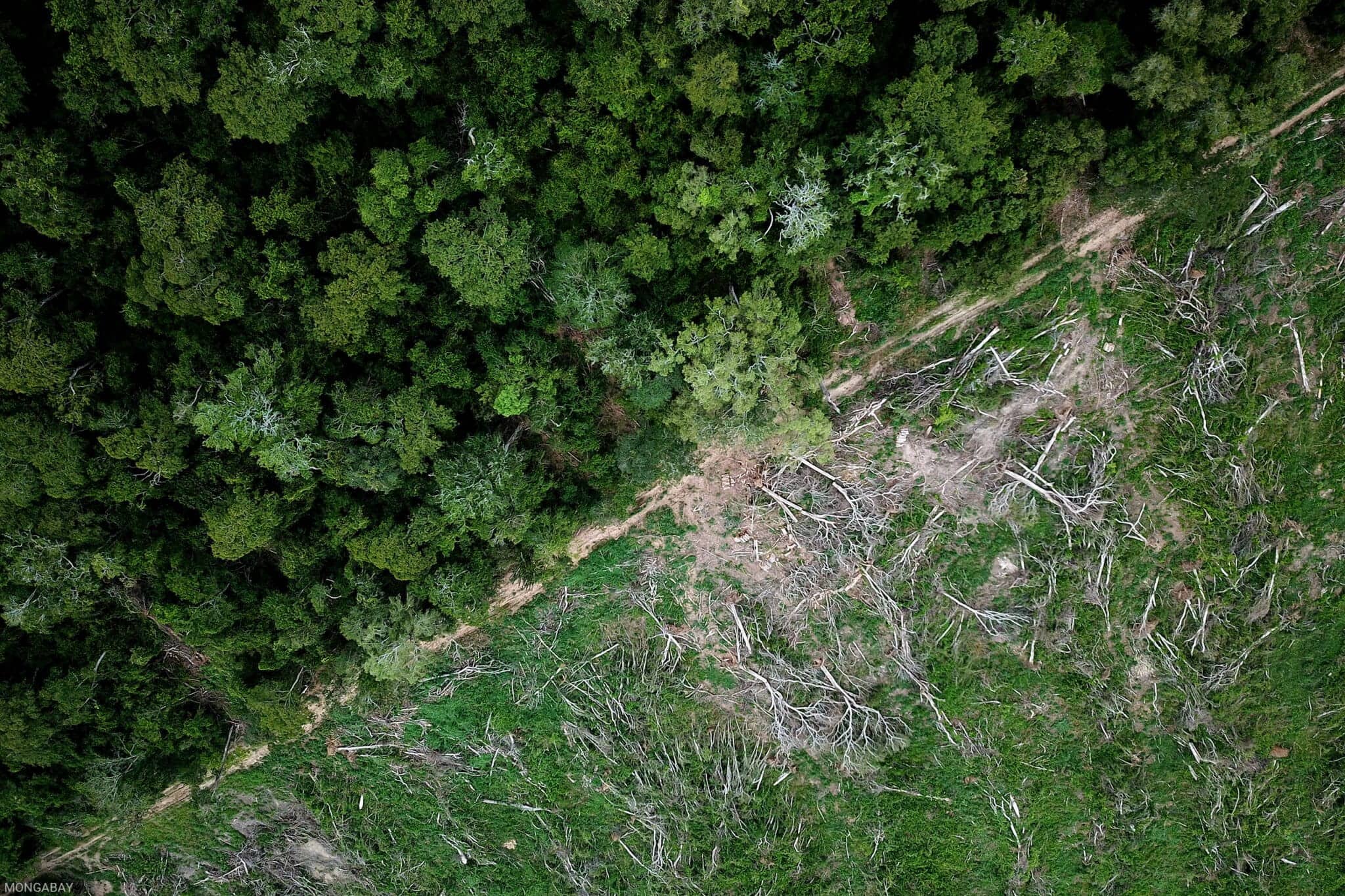
In a new commentary for Mongabay, Dr. Mark Plotkin, ethnobotanist and President of the Amazon Conservation Team, argues that large-scale foreign agribusiness — Brazilian, Mennonite, or otherwise — won’t modernize Suriname’s economy and bring shared prosperity, as promised. Instead, drawing on patterns seen throughout tropical America, he argues it will do the opposite: clearing forest,…
Read More