
Five conservation stories to celebrate in 2025
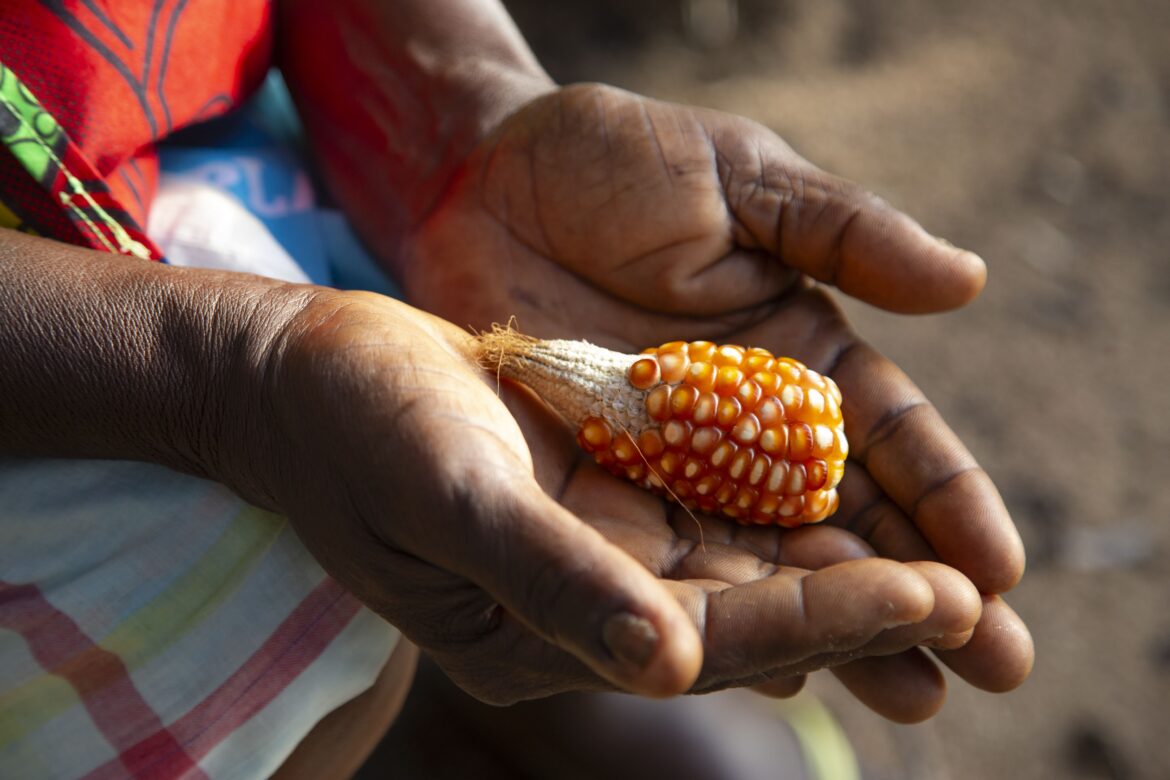
From rainforest headwaters to coastal mangroves, 2025 was a year of quiet victories and powerful partnerships. Together with Indigenous and local communities across Central and South America, we helped safeguard forests, rivers, coastlines, and wildlife—while also strengthening the food systems, livelihoods, and cultural knowledge that make those ecosystems thrive. Because in the Amazon and beyond, nature and people are inseparable.
As we close out our 29th year of biocultural conservation, we wanted to share five (okay, six) highlights from 2025 that were made possible by your support.
1. A Growing Ranger Program in Suriname
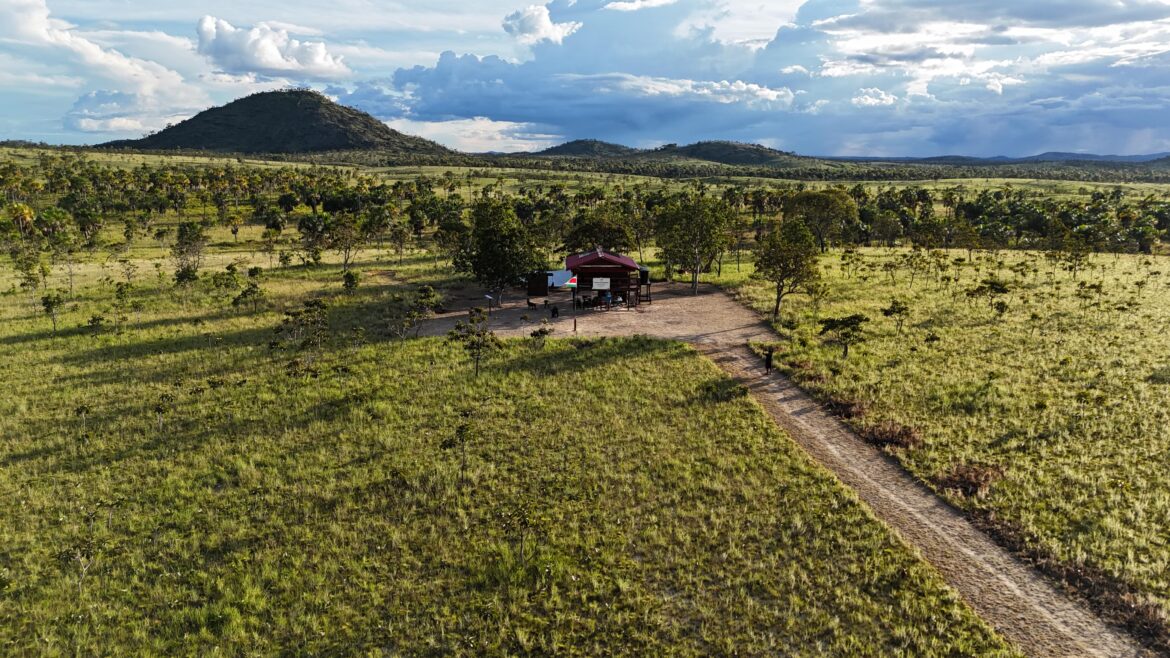
This year, 16 Indigenous and Maroon rangers earned certification as Forest Monitors, and six became Special Police Officers—strengthening community-led protection across Suriname’s forests.
We also celebrated the opening of a sixth ranger station in the Sipaliwini Nature Reserve, deep in southern Suriname, with support from Re:wild, DoB Ecology, the Suriname Conservation Foundation, and the UNDP Sustainable Landscape Program for the Amazon.
From curbing illegal activities to supporting biodiversity research, these rangers form one of the longest-running community ranger programs in the region (est. 2007).
2. New and Expanded Indigenous Reserves in Colombia
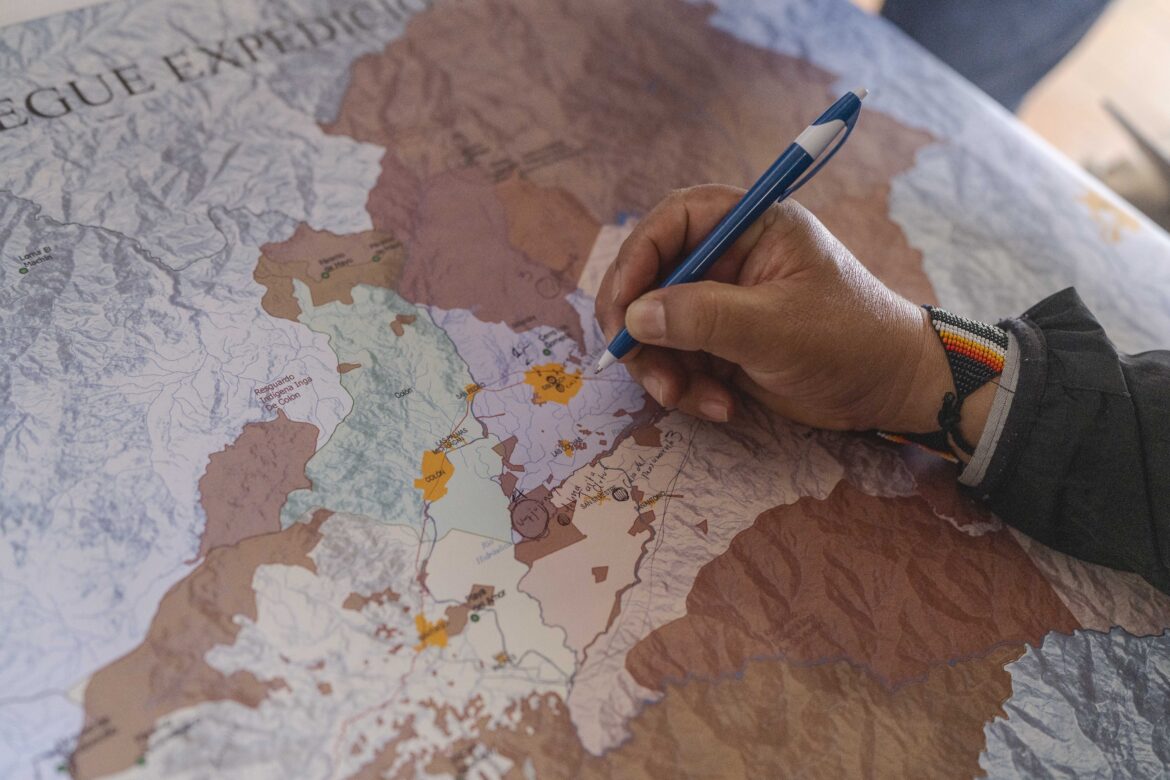
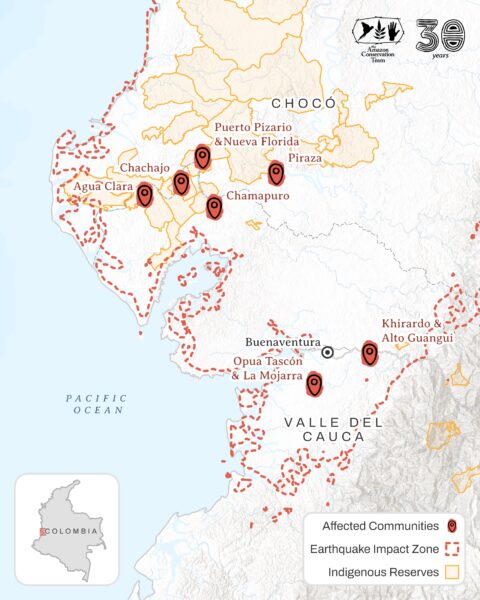
In Colombia, 339,574 acres of Indigenous territories were legalized or expanded— that’s an area larger than Wyoming’s Grand Teton National Park, newly protected for ecosystems, cultures, and future generations.
These land titles reinforce Indigenous leadership in conservation and secure legal protection for some of the planet’s most biodiverse regions that we all depend on.
3. Protecting the Forest and Food
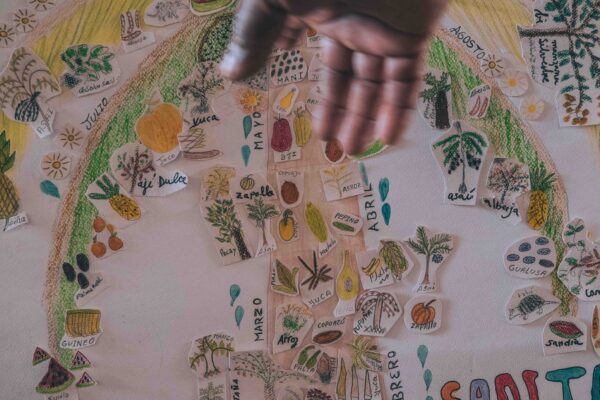
ACT teams traveled to 14 Indigenous and local communities across Bolivia, Brazil, Ecuador, Colombia, Guyana, Peru, and Suriname to document the deep knowledge behind traditional Amazonian food systems.
This work contributes to the World Bank–sponsored “Atlas of Amazonian Foods,” helping to document and raise awareness around ancestral foodways that protect biodiversity, nutrition, and cultural identity.
4. Supporting a Living Amazon Through Life Plans
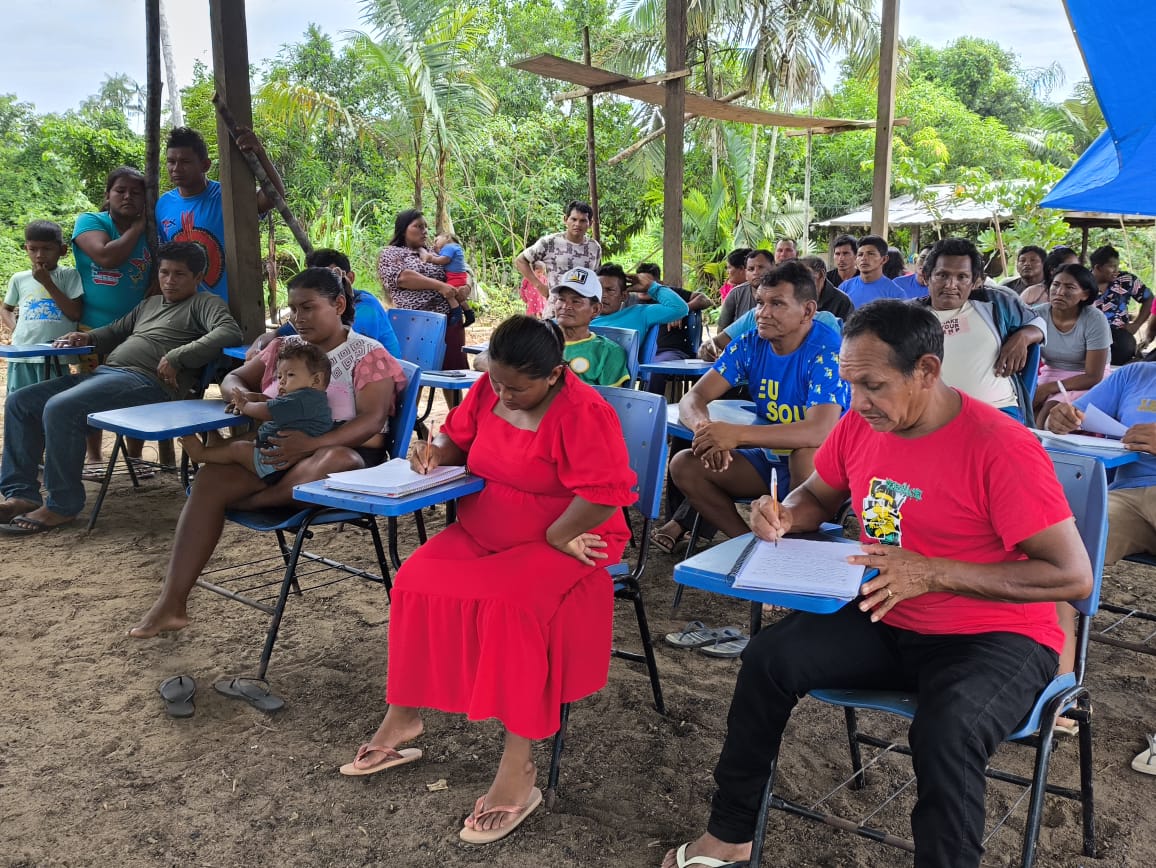
This year marked the completion and launch of the Indigenous Life Plan for the Paraná do Boá Boá Indigenous Territory, a 595,500 acre area in the Brazilian Amazon.
Life Plans—also known as Planes de Vida in Spanish and Plano de Gestão Territorial e Ambiental (PGTA) in Portuguese—are community roadmaps that document histories, cultural priorities, resources, and long-term strategies for protecting territory and strengthening autonomy. ACT has supported Life Plans in Colombia, Suriname, and now Brazil, with each being unique to the needs of the community that creates it.
5. Official Protections for Sacred Places
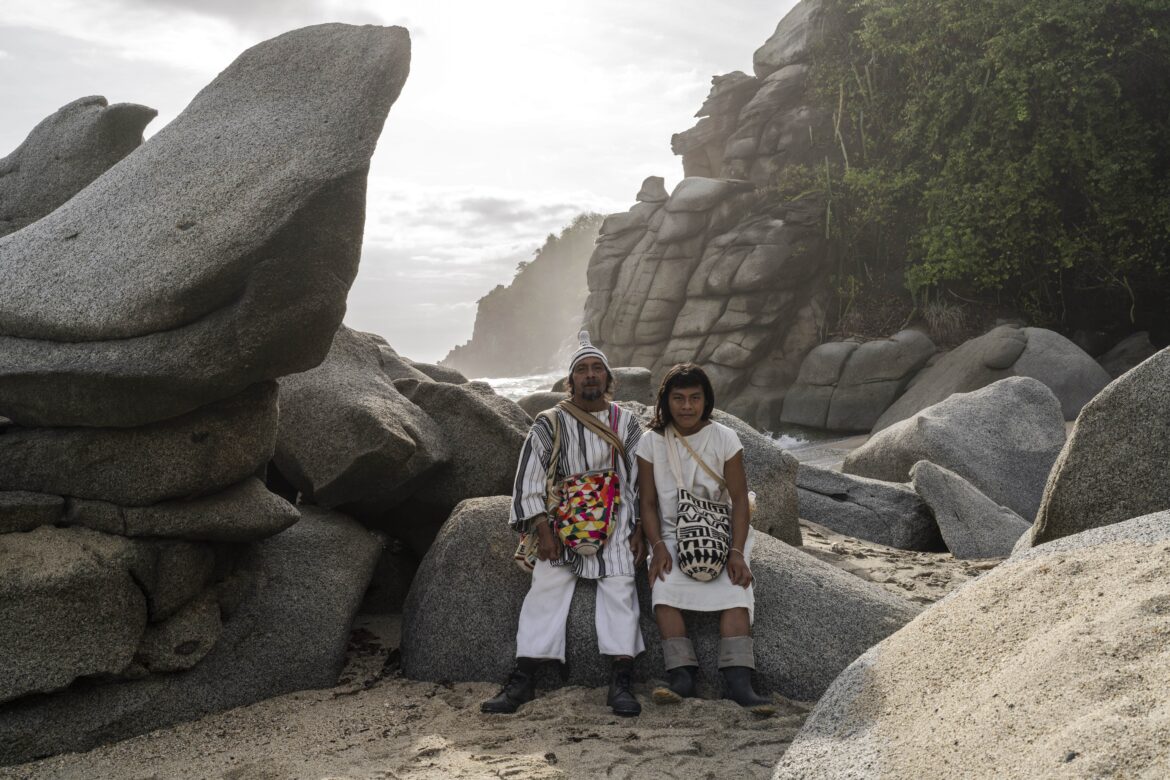
In the Sierra Nevada de Santa Marta, ACT expanded the Native Place Names project with Kogui and Kankuamo partners and Colombia’s National Geographic Institute.
In 2025, oral histories of 58 sacred sites along the Black Line were documented—ensuring that Indigenous linguistic, cultural, and environmental knowledge becomes part of the official national cartographic database.
This work strengthens the recognition of ancestral territories and upholds traditional knowledge in official records.
And there’s even more conservation highlights to celebrate as we head in to 2026, so we couldn’t stop at five …
6. Bringing Ancestral Knowledge to Marine Conservation
Since 2021, ACT’s Ancestral Tides initiative has combined Indigenous and local knowledge with science to protect sea turtles and their habitats. We partner with 18 Indigenous communities from Mexico to Colombia and have released more than 150,000 sea turtle hatchlings since the start of the initiative. This year, we also joined efforts at Coiba National Park in Panama to track Hawksbill sea turtles, which are endangered throughout the areas where we work.
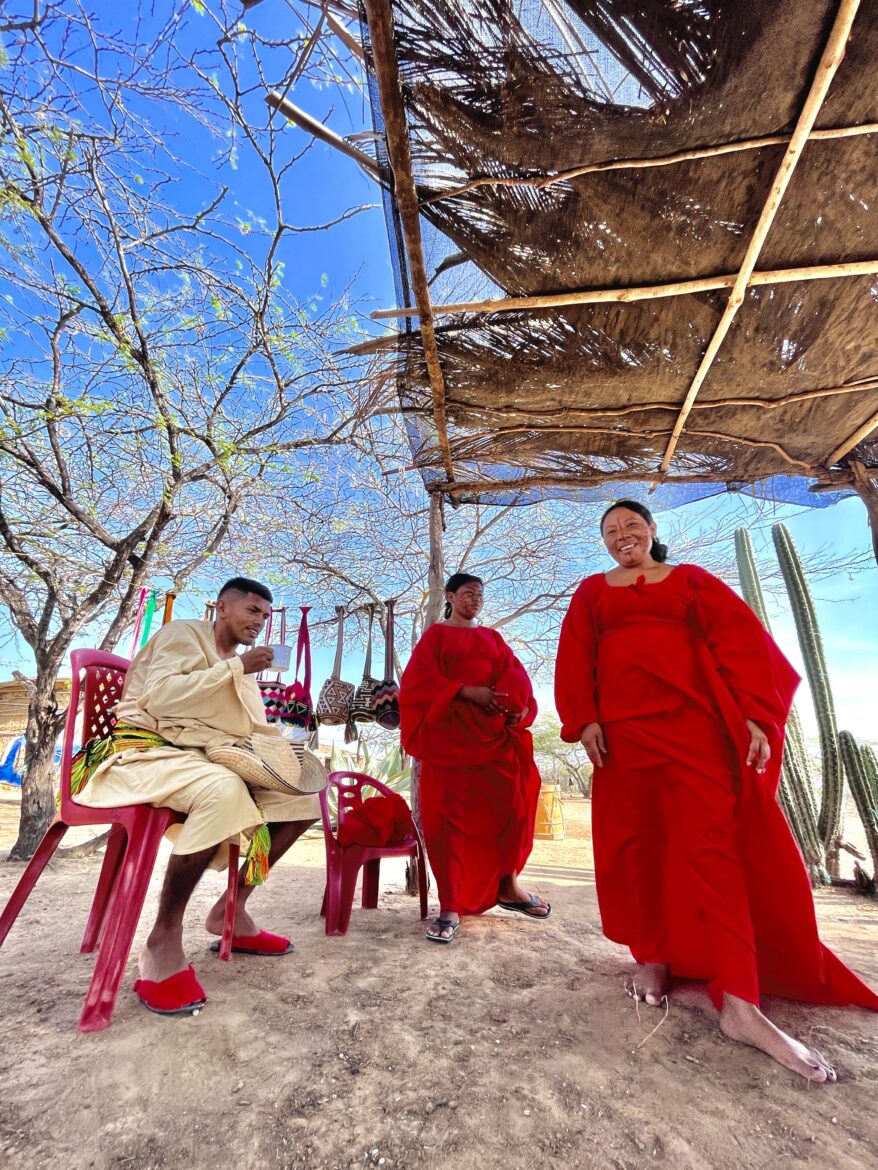
In 2026, we’re excited to add another species to our conservation efforts by working to protect flamingos and their wetland habitats with the Wayúu Indigenous peoples in Camarones, Colombia. This project will train local communities in Camarones to support conservation through monitoring, environmental education, fisher incentives, documentation of Indigenous knowledge, and the mapping of 18 sacred sites of the Kogui, Arhuaco, and Wayúu peoples.