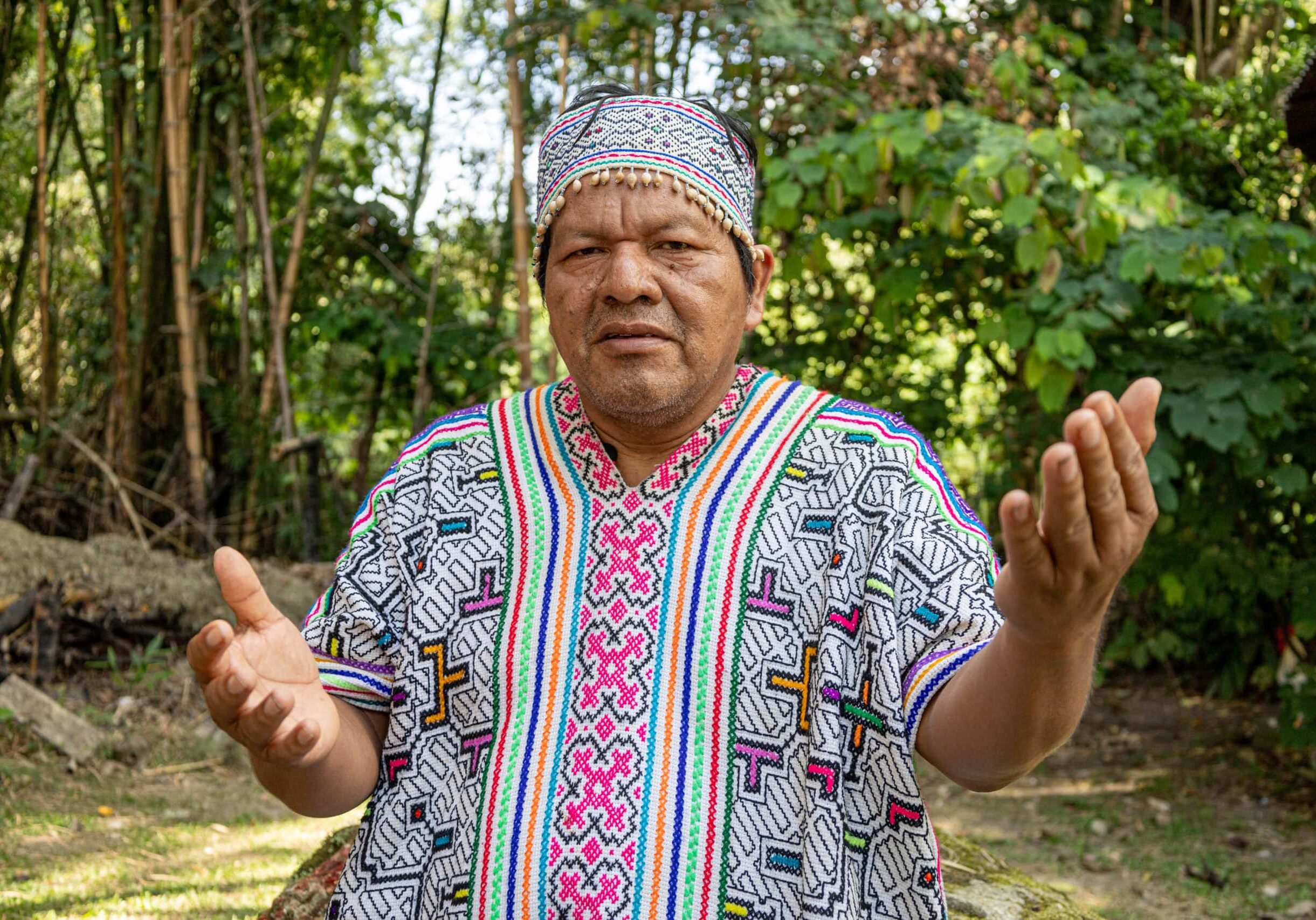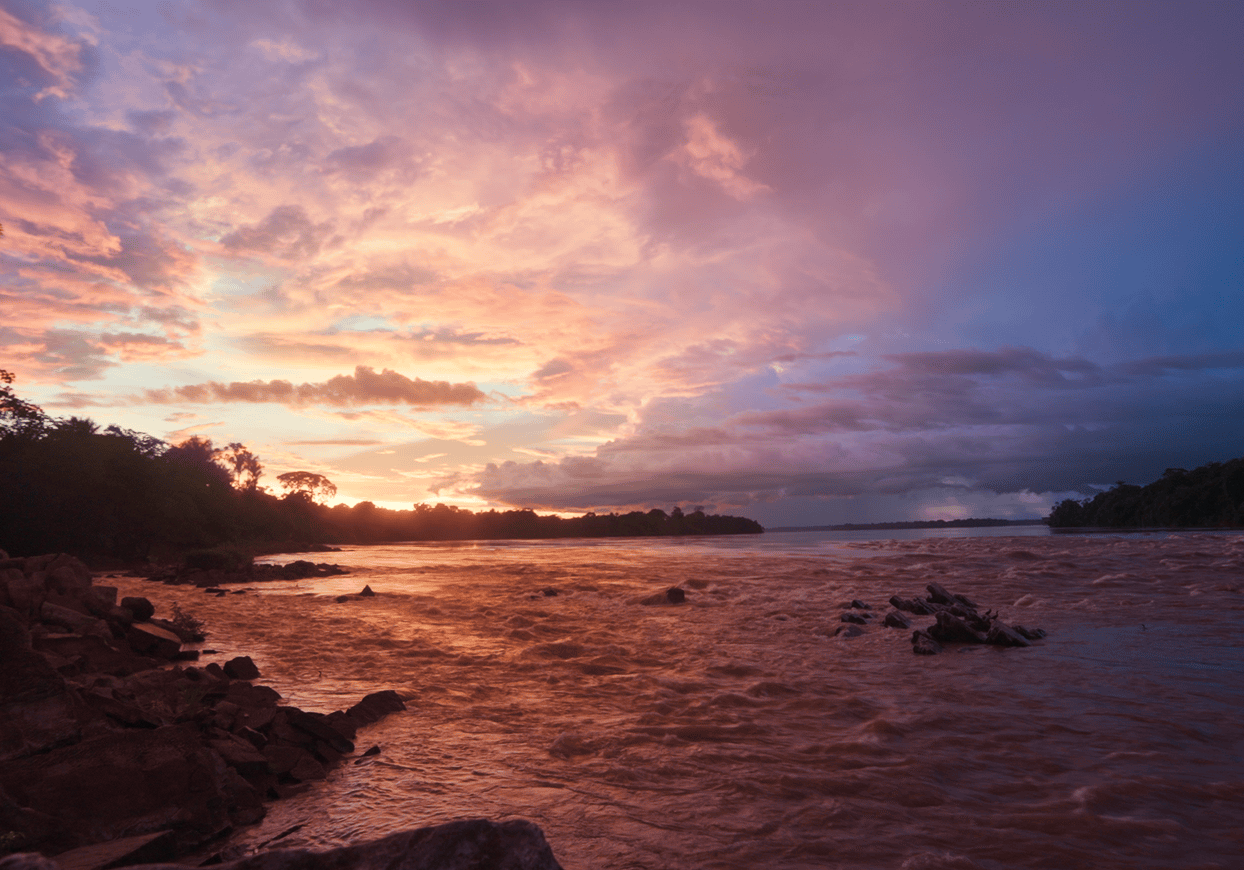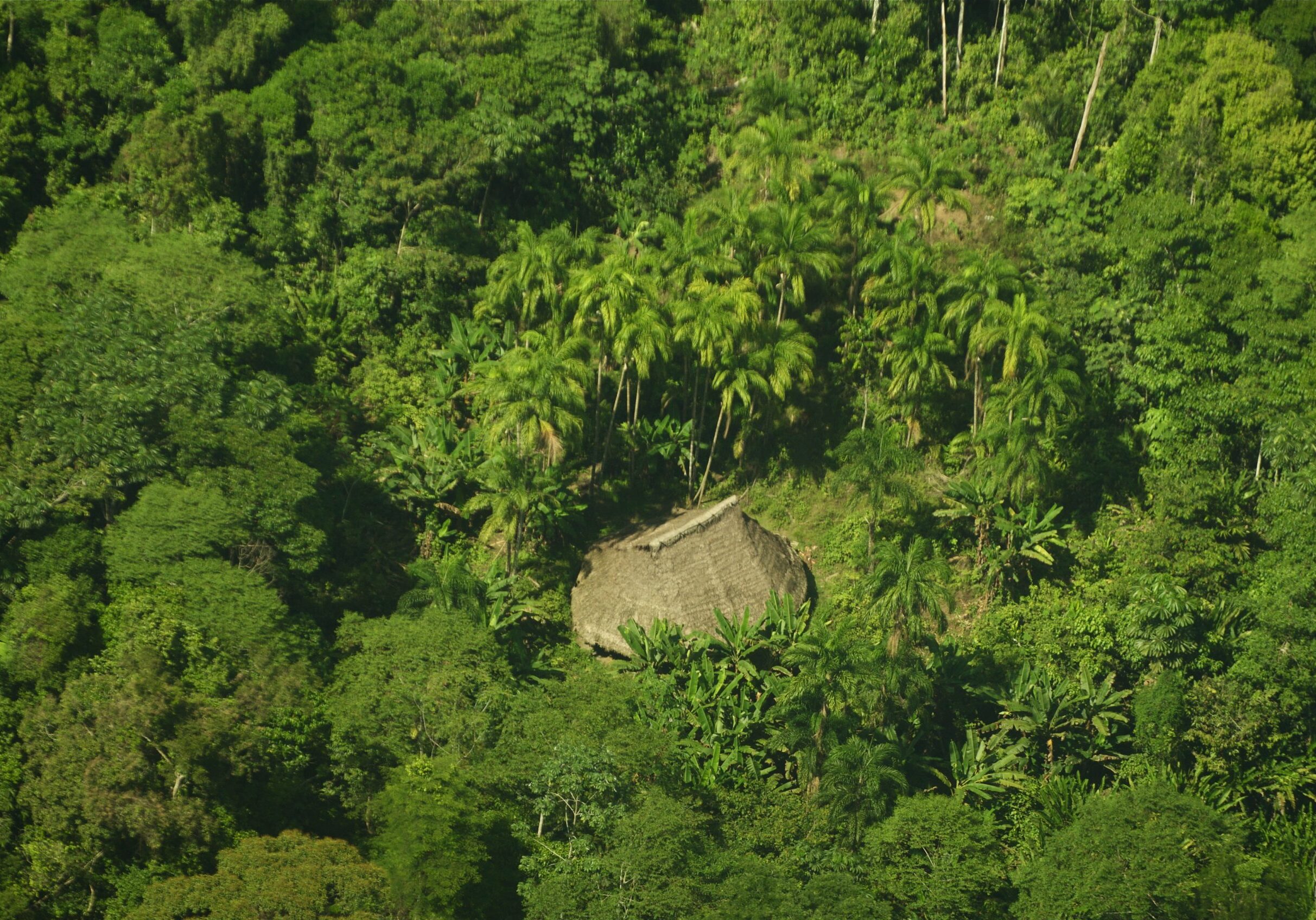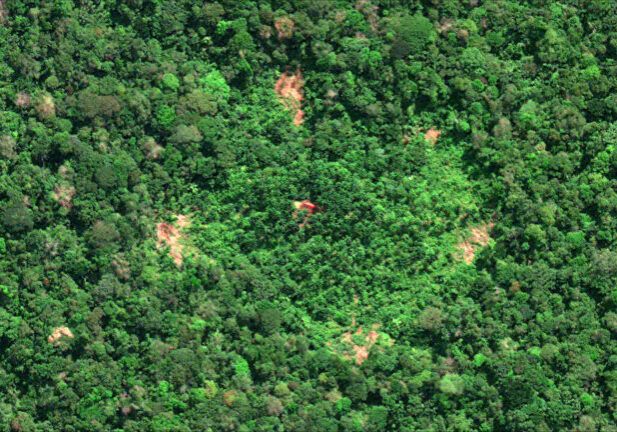

Recognition and Self-determination
No Contact
Safeguard Territories and Biodiversity
Who are Isolated Indigenous Peoples?
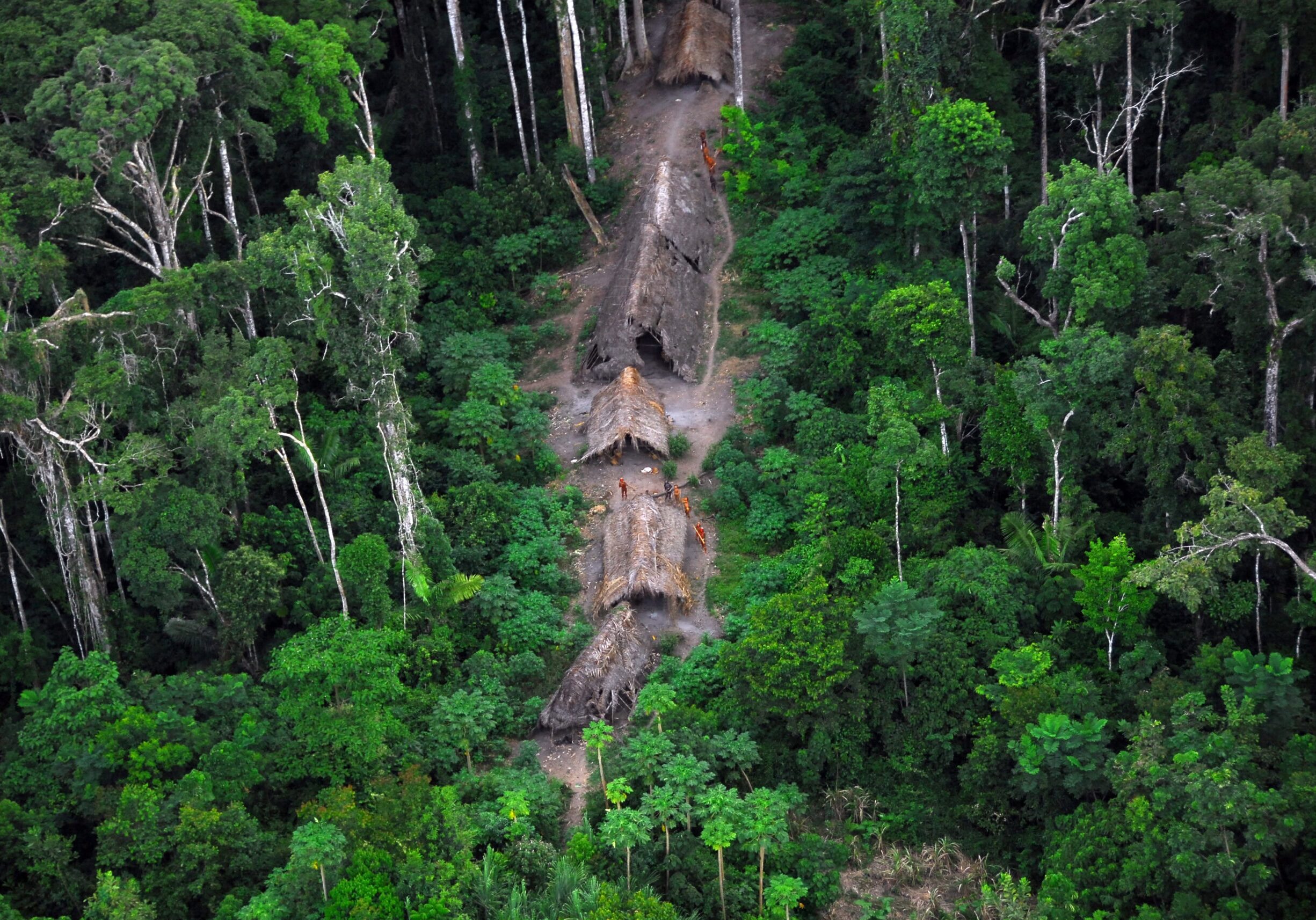
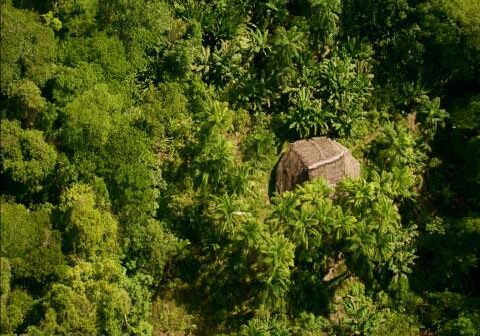
Isolated Indigenous Peoples are groups who choose not to maintain regular contact or have never had contact with non-indigenous peoples.
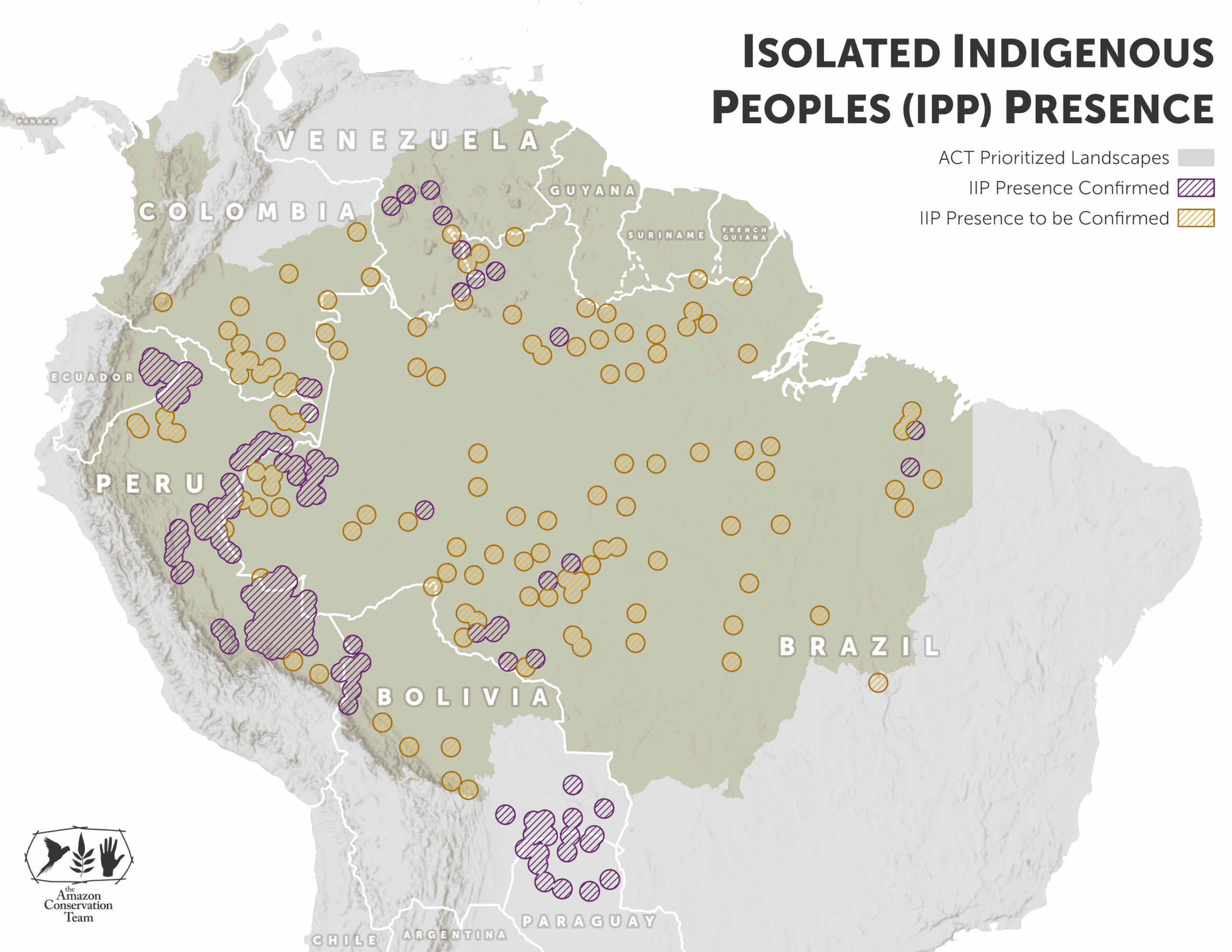
There are an estimated 188 groups of isolated Indigenous Peoples in the Amazon and Gran Chaco, more than anywhere else on Earth.
Protectors of Rainforest Ecosystems
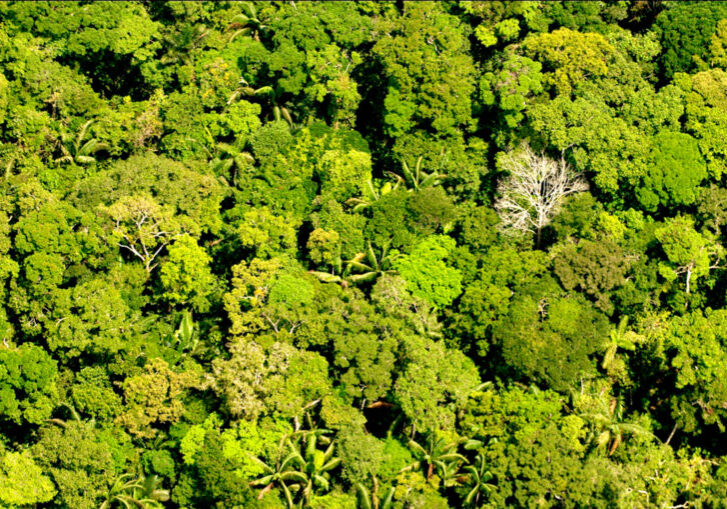
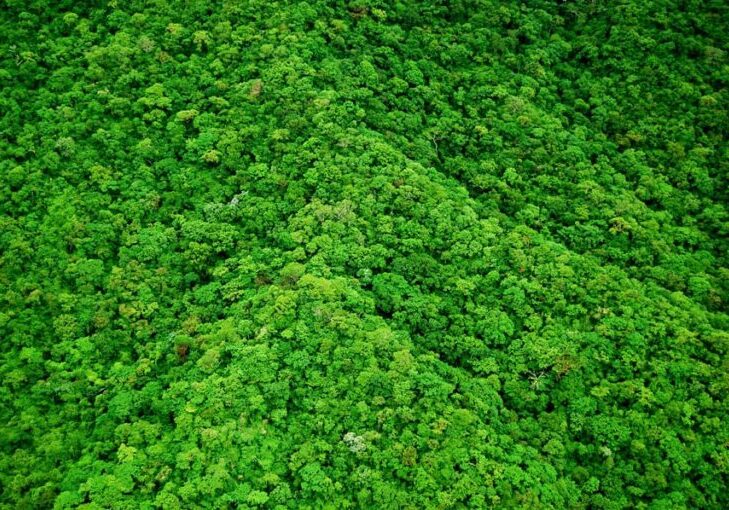
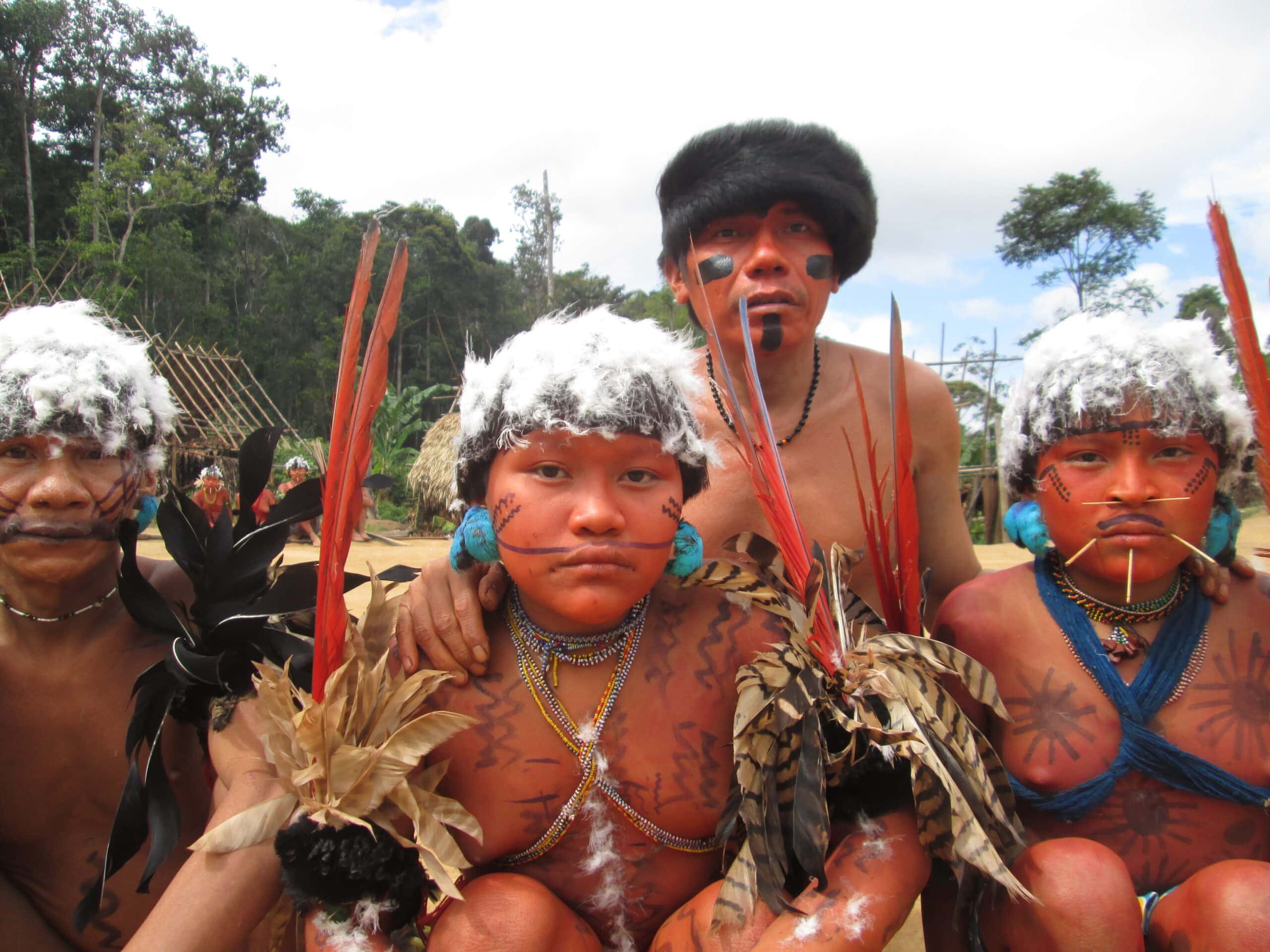
Isolated Indigenous Peoples maintain a profound relationship with their territories—often the most intact remaining ecosystems in the Amazon region—and depend on the forest for their physical well-being and the continued sustainability of their social and spiritual systems.
Across South America, Indigenous Peoples in isolation have resisted centuries of colonization and have exercised their right to self-determination. But of the 188 groups of Isolated Indigenous Peoples in South America, only 60 have been officially recognized by their respective states.

Threats to Their Survival
For Indigenous Peoples in isolation, any form of contact can threaten their existence and ways of life. They are vulnerable to common modern illnesses, and even a brief encounter could be deadly.
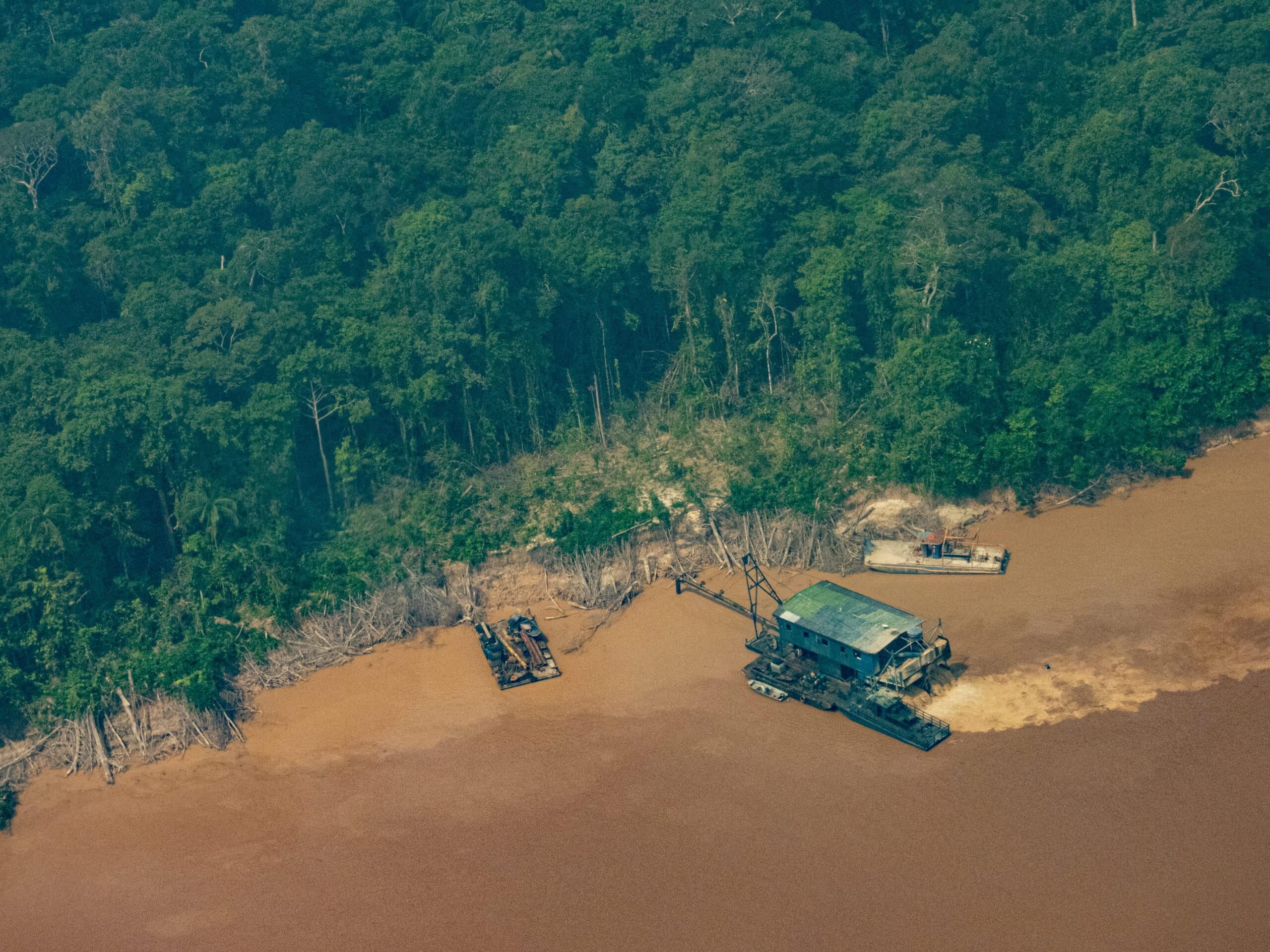
Another threat is the world’s growing demand for products, both legal and illegal, that harm the ecosystems Indigenous Peoples in isolation have lived in harmony with for generations. Extractive industries like mining, fossil fuel drilling, and cattle ranching, are leading to deforestation and pollution. Additionally, illegal mining and drug trafficking routes through Indigenous territories create opportunities for violent encounters and the spread of diseases.
How to Protect Isolated Peoples
Recognition of Isolated Indigenous Peoples
The first step to protect Indigenous Peoples in isolation is to acknowledge their existence and formally identify their territories using non-invasive, community-based methods. We work alongside neighboring Indigenous communities and combine their testimonies and anthropological studies with satellite mapping technology and overflights to confirm the territories of Indigenous Peoples living in voluntary isolation.
Legal Protection of the Territories of Isolated Indigenous Peoples
Advance the creation of Indigenous reserves for Isolated peoples, such as the five pending in northern Peru and four processes in Colombia, and strengthen state recognition and legal safeguards for Isolated Peoples across the region.
Indigenous-Managed Conservation Corridors
Create large-scale corridors of Indigenous-managed territories with strict protection zones for Indigenous peoples in isolation, supported by nearby Indigenous communities to act as cultural and ecological buffers.
No Contact Policies
Integrate “No Contact” policies in Natural Protected Area management strategies and ensure conservation efforts complement, not replace, Indigenous land rights.

Where We’re Making a Difference
Working alongside Indigenous organizations and local partners, such as GTI PIACI, ACT supports the protection of territories where isolated peoples live, safeguarding forests, cultures, and ways of life.
Across the Amazon and the Gran Chaco, these efforts aim to protect around 44.48 million acres of territories for Indigenous Peoples in Isolation and Initial Contact by 2028. Here’s a look at our progress so far.
Partner Organizations Engaged
Groups with Strengthened Protection
Countries Reached
Million Acres of Rainforest Protected in Colombia
Beyond the Numbers
Regional Leadership
As the General Secretariat of GTI PIACI, ACT connects Indigenous groups and NGOs to advance regional protection strategies.
Smart, Safe Mapping
Using satellite technology and Indigenous knowledge, we identify and protect isolated communities without harmful contact or airplane flyovers.
Supporting Neighboring Communities
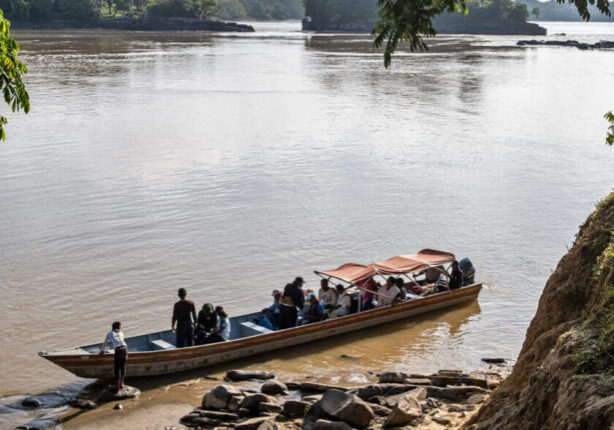
We empower neighbors like the Curare Los Ingleses Reserve to protect isolated Peoples, showcased in the documentary Intangible Zone.
Want to Learn More?
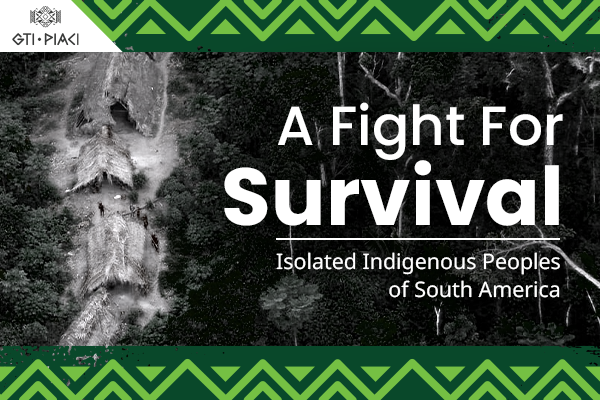
Explore the Storymap, A Fight for Survival, made in collaboration with Indigenous communities and NGO’s dedicated to protecting the rights of Isolated Indigenous Peoples.